The Supreme Court's NEEPCO v Astra Construction ruling confirms a contractual interest bar can strip pre-reference interest from arbitral awards, turn


insghits
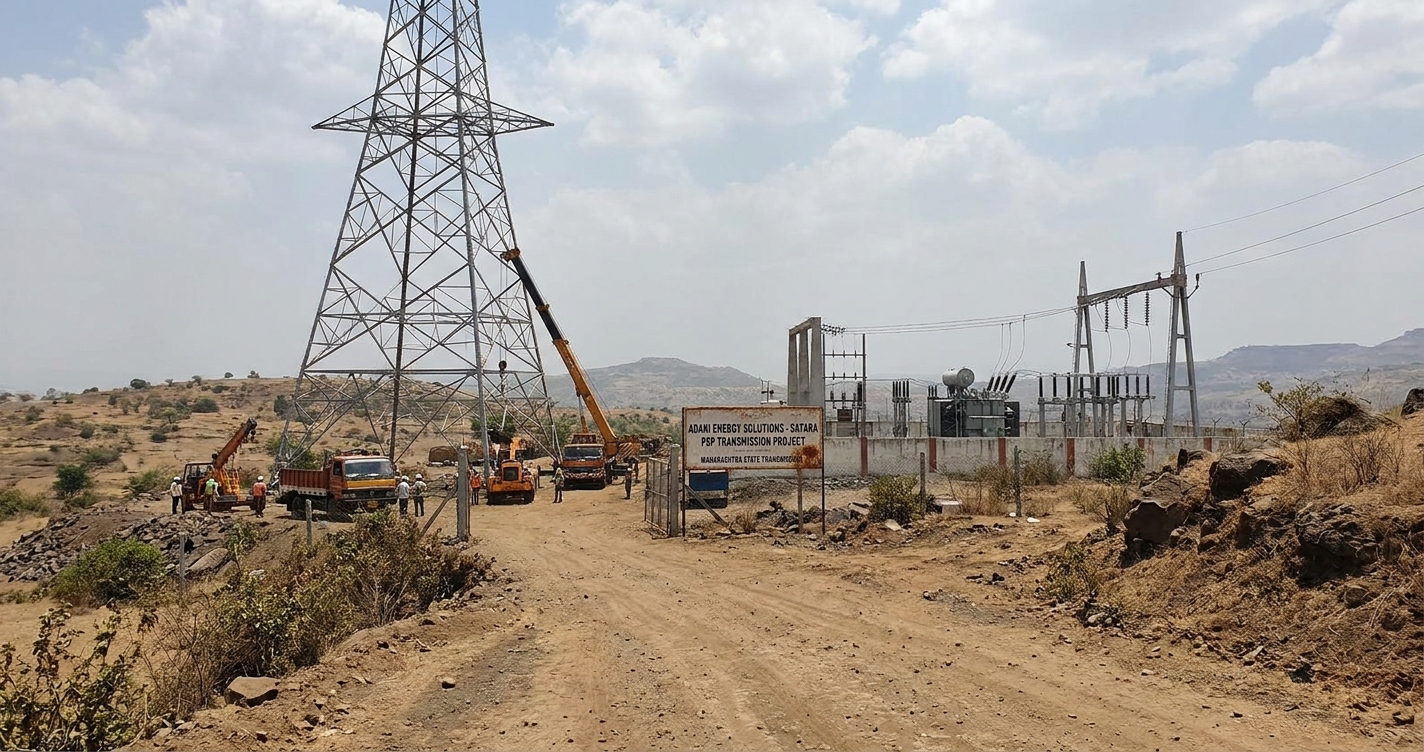
Adani Energy Solutions (AESL) has secured the Network Expansion Scheme in Western Region to Cater to Pumped Storage Potential near Satara (up to 4500 MW) – Part A through the Tariff Based Competitive Bidding (TBCB) route, emerging as the lowest bidder for a scheme estimated at Rs 4,700 crore. The award sits inside the SPV Satara Power Transmission and carries a 36-month delivery window.
The scope is not a conventional renewable evacuation line. It includes:
- A 765/400 kV substation at Satara
- A Kolhapur–Satara 765 kV double-circuit line
- Augmentation of the Kolhapur pooling station
On completion, it adds 562 circuit kilometres and 9,000 MVA of transformation capacity, lifting AESL's cumulative network to 29,739 ckm and 1,43,425 MVA.
The defining shift is that transmission planning is now being shaped by storage geography, not only generation geography.
The scheme's title ties the corridor directly to up to 4,500 MW of pumped storage potential near Satara, alongside renewable evacuation from Karnataka into Maharashtra's load centres. That makes AESL an early owner of the flexibility backbone the grid needs to absorb intermittent solar and wind while firming supply through pumped storage.
The 36-month timeline for 562 ckm and a greenfield 765/400 kV substation is aggressive. The Satara–Kolhapur corridor sits in terrain where right-of-way acquisition, forest clearances and tower foundation logistics will determine whether the committed tariff remains bankable.
TBCB wins shift the burden of time and cost overruns onto the developer, so AESL's real test is commissioning discipline, not just bidding discipline.
Kandarp Patel, CEO of Adani Energy Solutions, has framed the project as a backbone for renewable evacuation and storage deployment, strengthening power flows between Southern and Western India. That positioning matters commercially: inter-regional corridors with storage enablement carry higher utilisation logic, but they also raise capex intensity and execution complexity.
AESL captures a regulated, long-dated asset that compounds its order book. Transmission EPC, tower, conductor and transformer supply chains benefit from near-term mobilisation. Maharashtra's industrial load centres gain firmer access to Karnataka's renewable pool.
The exposed parties are competing bidders who priced the same scope lower, and AESL itself if land and clearance timelines slip.
The structural signal for the sector: pumped storage potential is now a first-order criterion in ISTS planning, and private developers that can bundle evacuation with storage corridors will lead the next phase of TBCB awards.
Insights
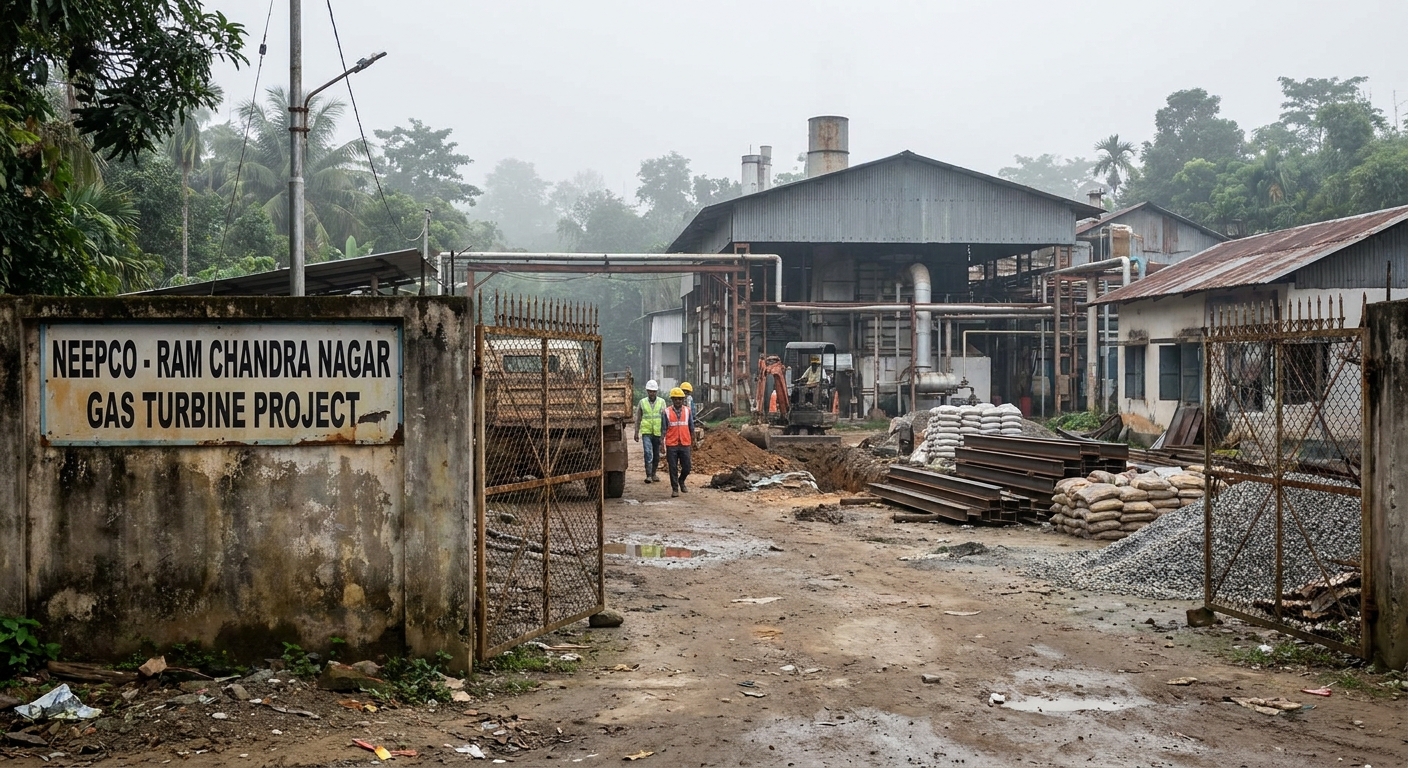
The Supreme Court's NEEPCO v Astra Construction ruling confirms a contractual interest bar can strip pre-reference interest from arbitral awards, turn
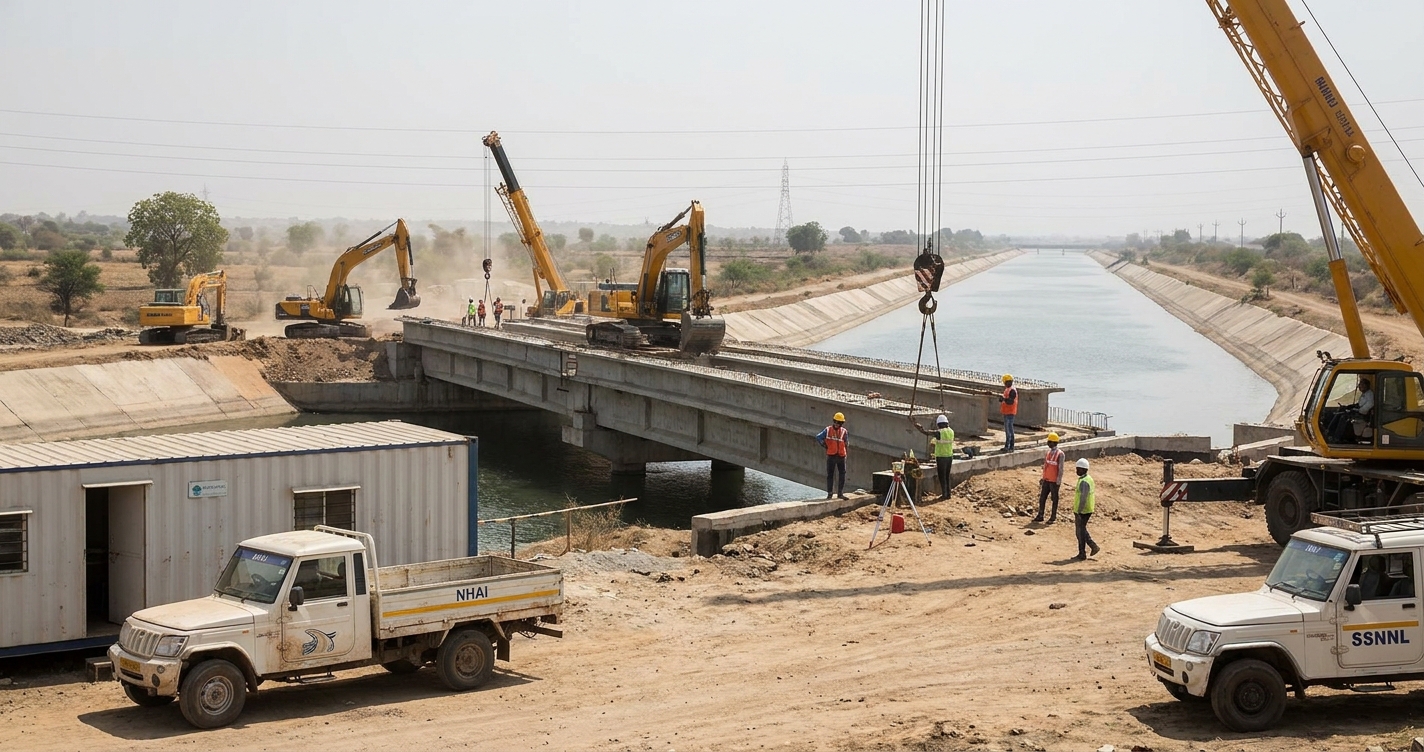
NHAI and Sardar Sarovar Narmada Nigam Limited have signed a time-bound framework for National Highway, canal and pipeline crossings in Gujarat, waivin
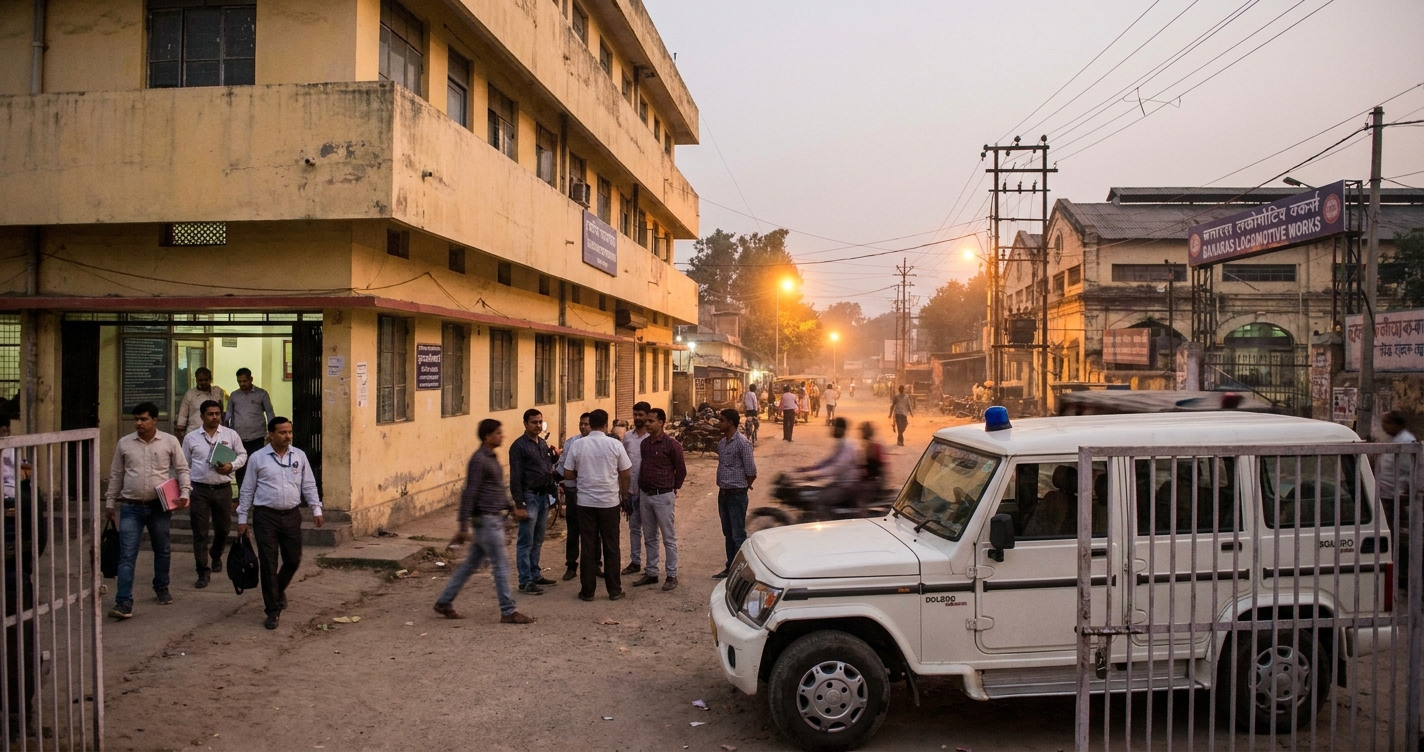
A four-day SIB operation near Banaras Locomotive Works has put ₹4.25 crore of GST evasion on record — and turned scrutiny on the composite civil-works


Powered by

© Tuskus 2025 - All Rights Reserved by Teamic Creative Lab Pvt. Ltd.
