IRB Infrastructure Developers has signed a share purchase agreement to shift Solapur Yedeshi Tollway and CG Tollway out of its GIC-backed private InvI


insghits
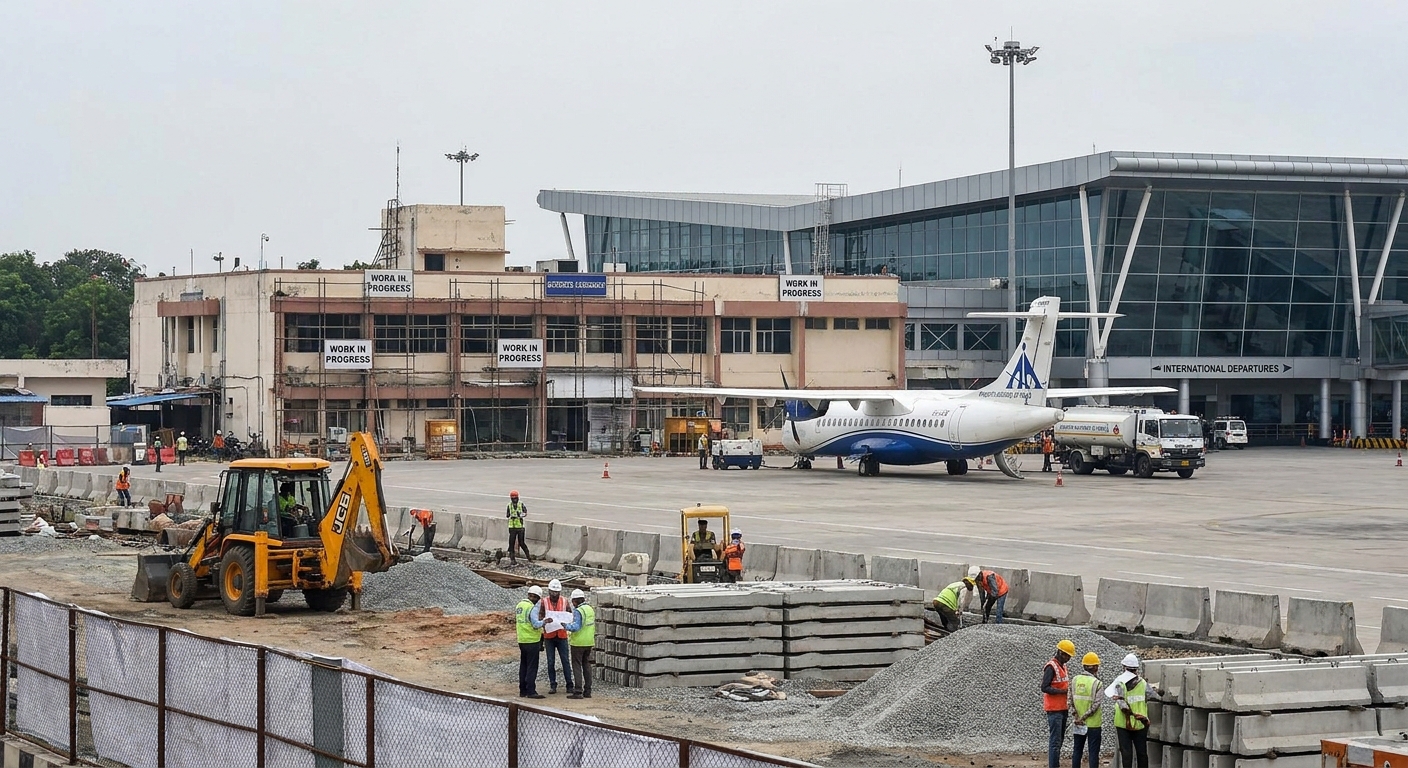
India's airport privatisation has entered a structurally different phase.
The Ministry of Civil Aviation has secured in-principle approval from the Public Private Partnership Appraisal Committee (PPPAC), chaired by Economic Affairs Secretary Anuradha Thakur, to award eleven Airports Authority of India (AAI) airports in five bundles under a 50-year concession, with an estimated concessionaire investment of Rs 8,622 crore.
The bundle design is deliberate:
- Amritsar and Kangra-Gaggal
- Varanasi, Gaya and Kushinagar
- Bhubaneswar and Hubballi
- Raipur and Aurangabad
- Tiruchirappalli and Tirupati
Five major airports carry six smaller, less viable assets — a cross-subsidy structure that transfers the commercial drag of non-remunerative airports onto private balance sheets instead of AAI's books.
The sharpest signal is the cap on how many bundles a single bidder can win. That clause reads as a direct response to 2018-19, when Adani Enterprises swept all six AAI airports put on the block.
This round is engineered to prevent single-operator concentration, explicitly citing market concentration and over-leveraging risk. For incumbents — Adani Airports Holdings and GMR Airports — the cap reshapes bidding strategy: a portfolio sweep is off the table, forcing selective, price-disciplined bids.
The labour transition clause is the execution reality that will shape bid pricing. Concessionaires must absorb a one-year joint management period with AAI and retain 60 percent of AAI employees for up to three years — stronger than the prior two-year deemed deputation.
That converts a political sensitivity into a hard operating cost and delivery constraint, forcing bidders to price workforce productivity into their financial models.
For contractors and suppliers, the opportunity is downstream. The Rs 8,622 crore spans operations and capex across airside, terminal and city-side development, with concessionaires procuring EPC, engineering and systems work over a 50-year horizon — a shift toward long-cycle infrastructure capital rather than short construction returns.
The selection process itself — 12 major airports screened, six recommended, 136 smaller airports evaluated for bundling, approved by the AAI Board in May 2022 — shows AAI moving from ad-hoc divestment to data-driven portfolio structuring.
The gap between that 2022 board approval and the August 2026 PPPAC nod is itself a timeline signal: procurement design has been deliberately slow to de-risk concentration.
What has not changed is the viability question of smaller airports.
Bundling shifts the risk; it does not remove it.
Concessionaires will price the cross-subsidy into major-airport bids, and the winning offers will reveal the true cost of India's small-airport ambition.
Insights
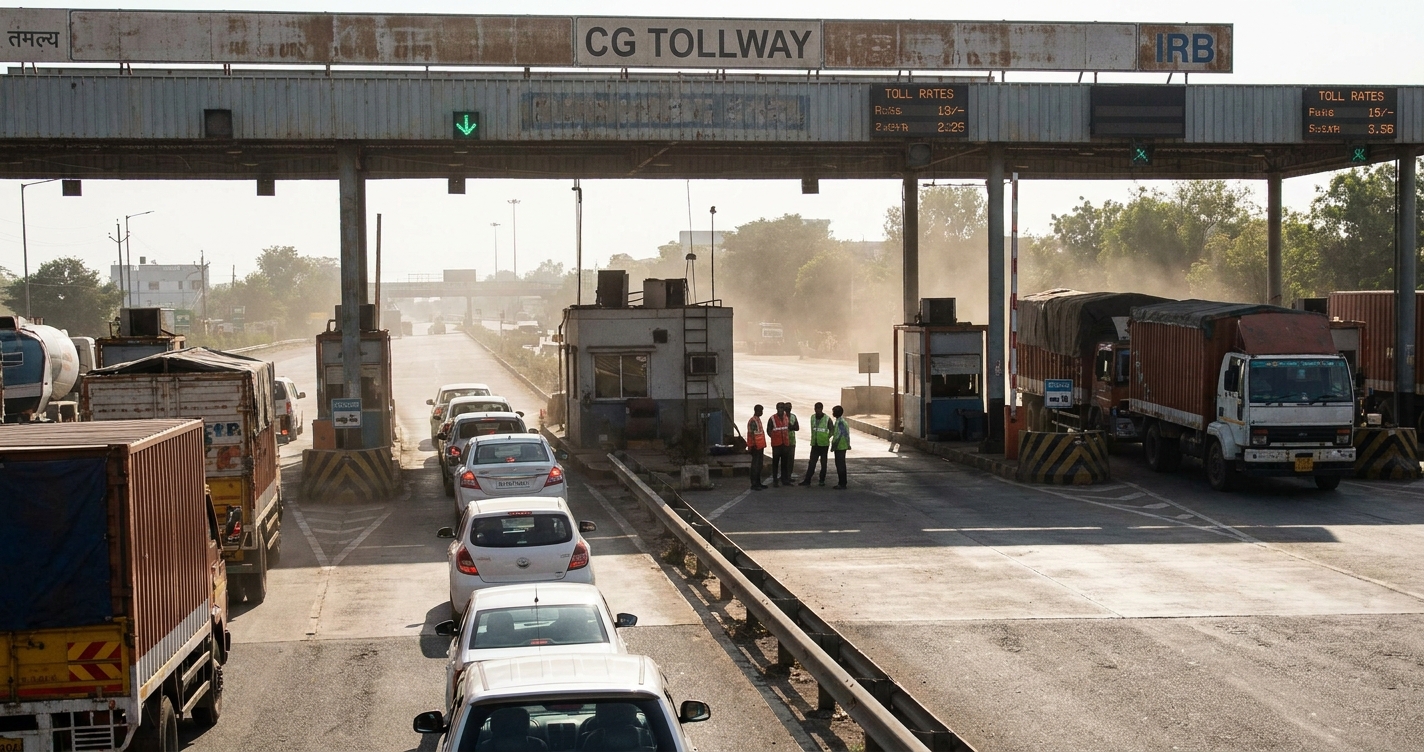
IRB Infrastructure Developers has signed a share purchase agreement to shift Solapur Yedeshi Tollway and CG Tollway out of its GIC-backed private InvI
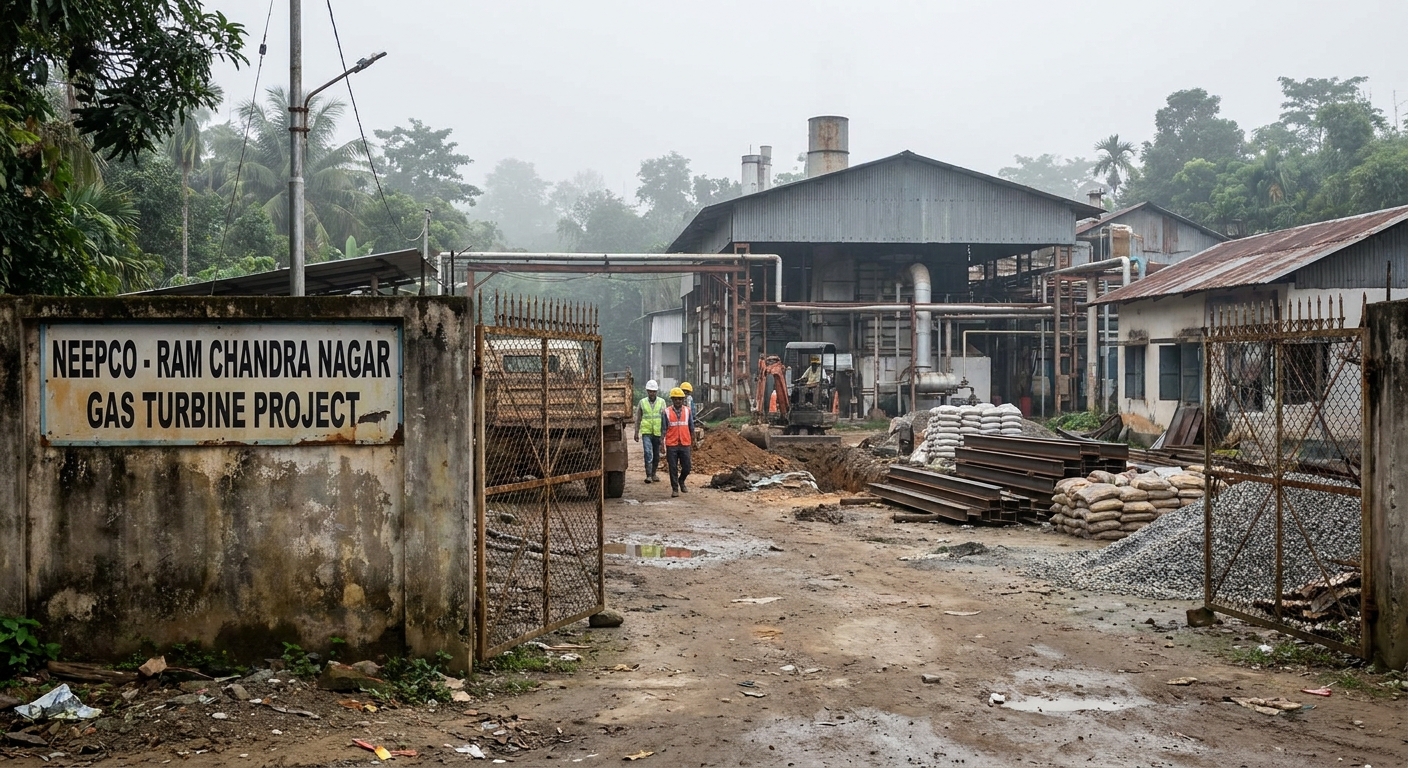
The Supreme Court's NEEPCO v Astra Construction ruling confirms a contractual interest bar can strip pre-reference interest from arbitral awards, turn
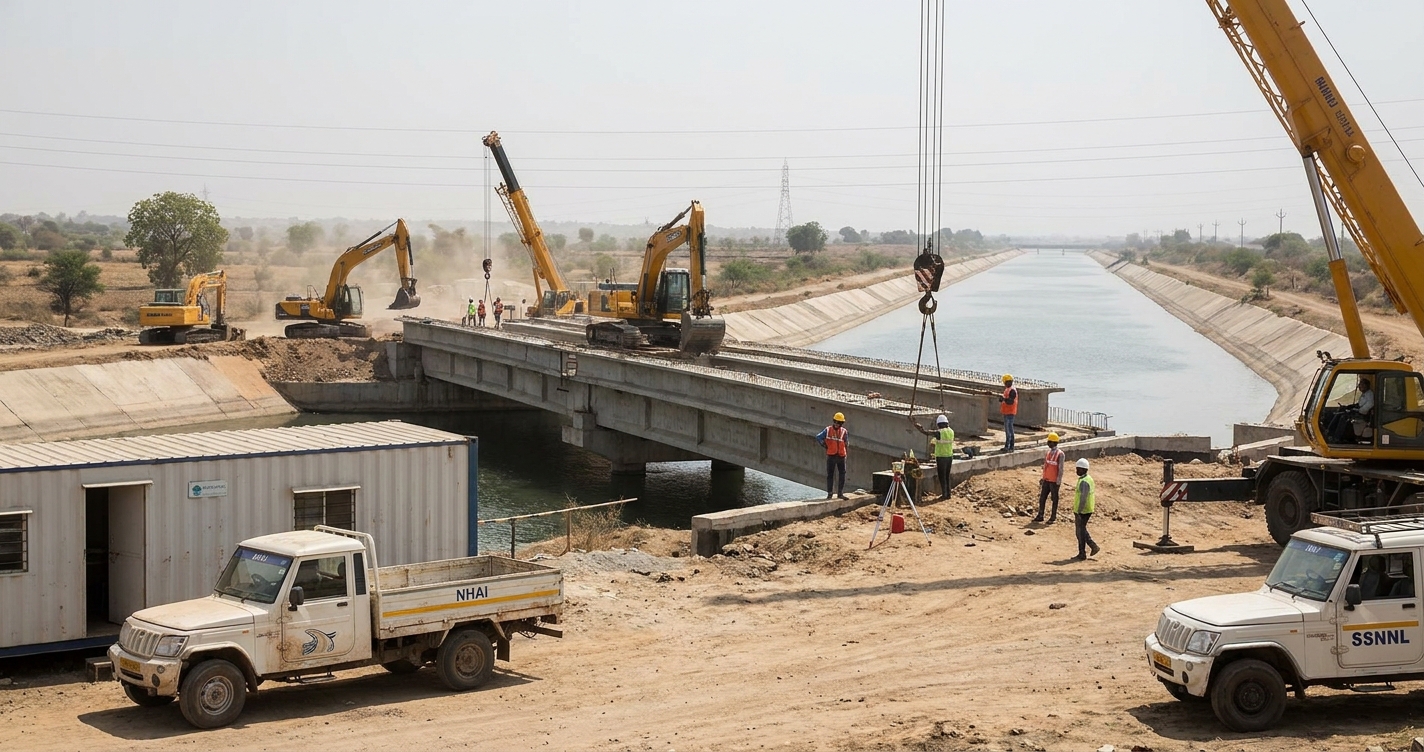
NHAI and Sardar Sarovar Narmada Nigam Limited have signed a time-bound framework for National Highway, canal and pipeline crossings in Gujarat, waivin


Powered by

© Tuskus 2025 - All Rights Reserved by Teamic Creative Lab Pvt. Ltd.
