IRB Infrastructure Developers has signed a share purchase agreement to shift Solapur Yedeshi Tollway and CG Tollway out of its GIC-backed private InvI


insghits
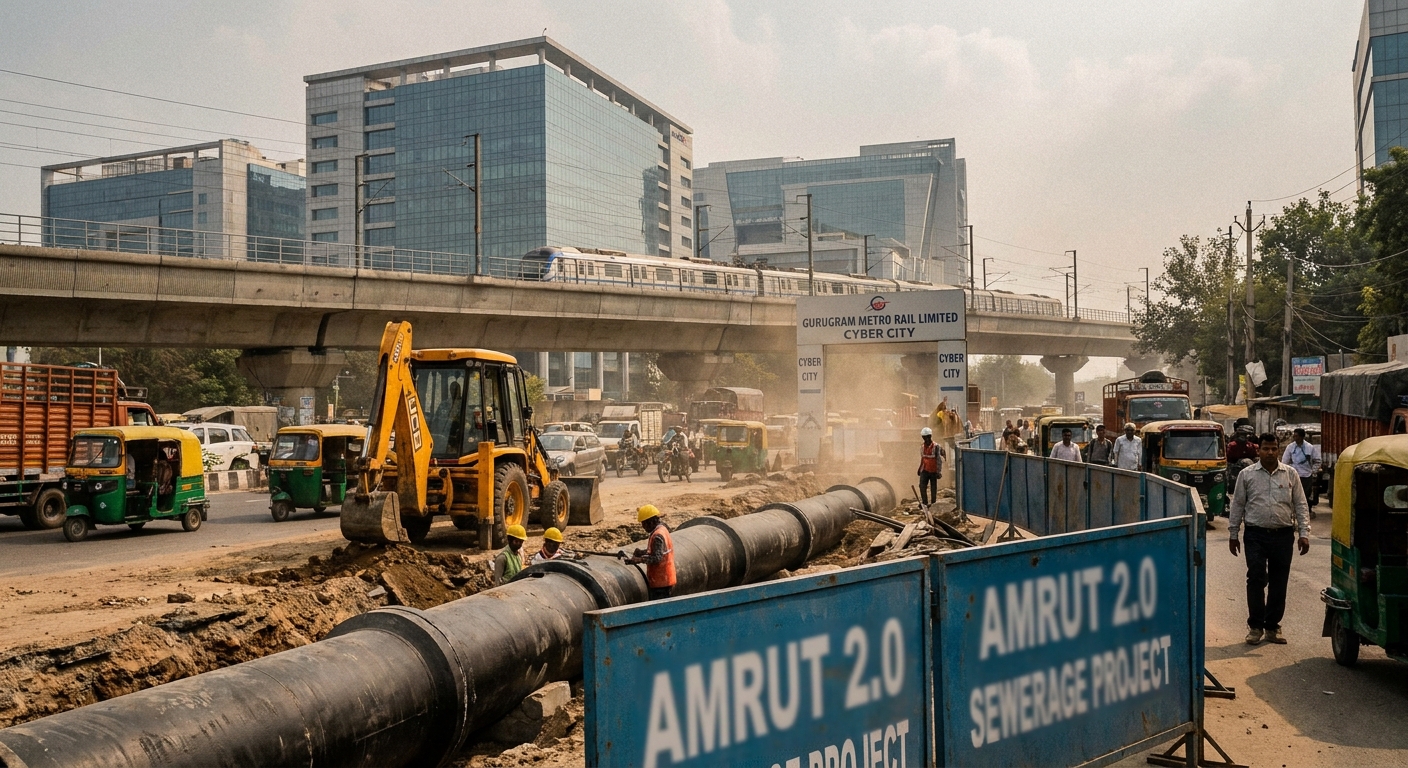
The signal is not the meeting. It is what the meeting confirms: India's urban infrastructure machine has entered a clearance-velocity phase, not a capital phase.
On 25 August, Union Minister of State Tokhan Sahu ran three consecutive reviews at Sankalp Bhawan — the Gurugram Metro, AMRUT 2.0, and CITIIS 2.0.
The Gurugram Metro review was explicitly convened ahead of Prime Minister Narendra Modi's 53rd PRAGATI session the same evening. The sequencing matters: MoHUA was not announcing fresh sanctions; it was auditing committed capital already in motion.
On Gurugram Metro, Joint Secretary Praveer Kumar briefed Sahu on the Millennium City Centre–Cyber City corridor with the Dwarka Expressway spur, delivered through Gurugram Metro Rail Limited (GMRL).
Placing this ahead of PRAGATI converts the corridor from a state-tracked SPV into a centrally monitored commitment. The binding constraint shifts to land handover and inter-agency coordination, not contractor mobilisation.
The AMRUT 2.0 exchange is the commercial core. Joint Secretary Isha Kalia pushed back on the Parliamentary Standing Committee's 10th Report, defending the mission's 55% coverage against a broader 4,900-city dataset.
The defence is legitimate on scope — AMRUT 2.0 covers 500 cities and 7.41 crore households — but it exposes a structural truth: the mission's defined coverage is smaller than the urban demand the Committee measured.
Sewerage and septage numbers define the risk profile:
- Only 6.8% of approved projects by count
- Rs 71,133 crore in approved cost — 36% of the Rs 1,97,191 crore approved cost
- 394 live projects worth Rs 47,230 crore
- Targets of 48.76 lakh new connections and 60.59 lakh upgraded households
Capital concentration in long-gestation sewerage is exactly where execution risk pools.
CITIIS 2.0 was reviewed city-by-city, with Bilaspur's solid waste management pipeline and State Climate Cells under scrutiny — another coordination layer for already stretched Urban Local Bodies.
MoHUA itself flagged the risk transfer: land disputes, public objections, departmental clearances and NOCs sit with state governments.
For EPC players, funded orders can still leak margin through idle machinery, extended mobilisation and working-capital strain — without contractual relief from the Centre.
The real industry signal: the next 24 months of urban infrastructure will be decided not by award volumes, but by clearance throughput.
Ministries can sanction and monitor; only states and ULBs can unblock delivery.
Insights
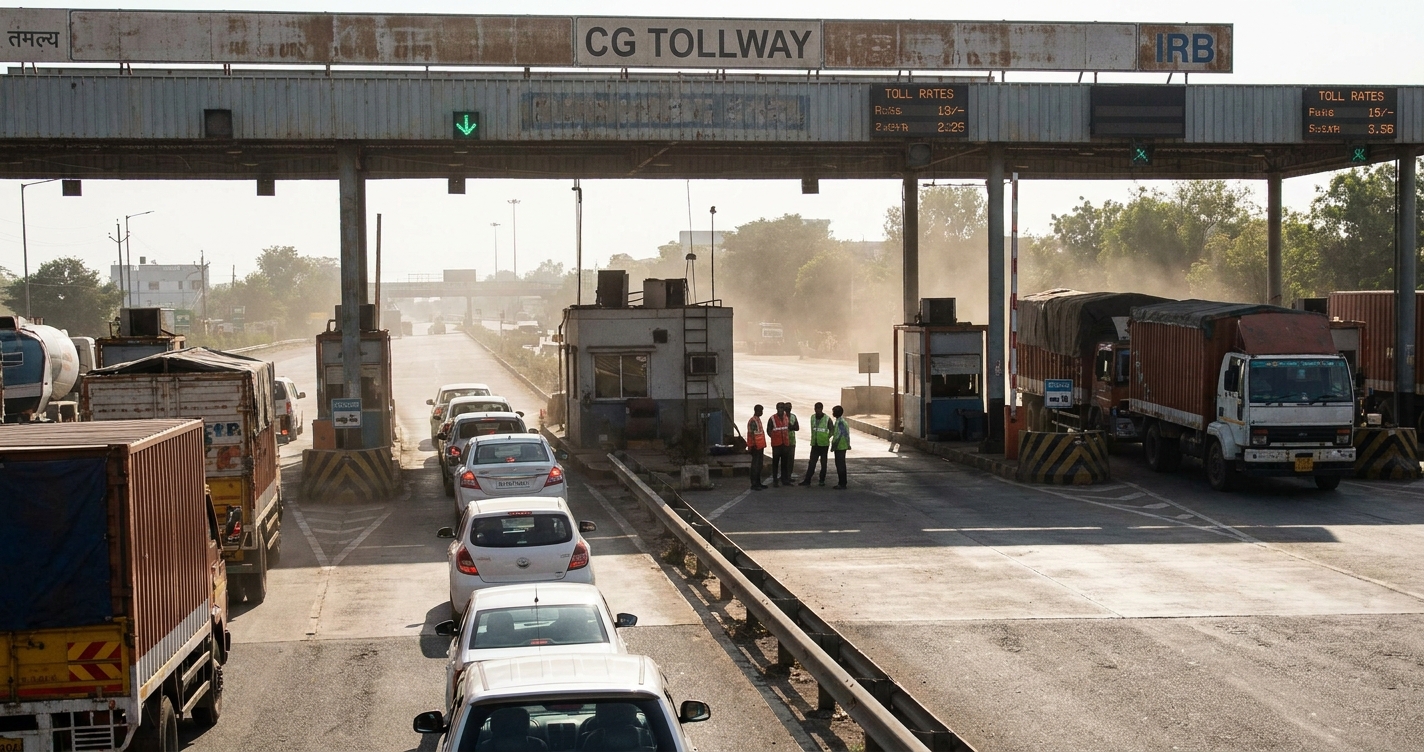
IRB Infrastructure Developers has signed a share purchase agreement to shift Solapur Yedeshi Tollway and CG Tollway out of its GIC-backed private InvI
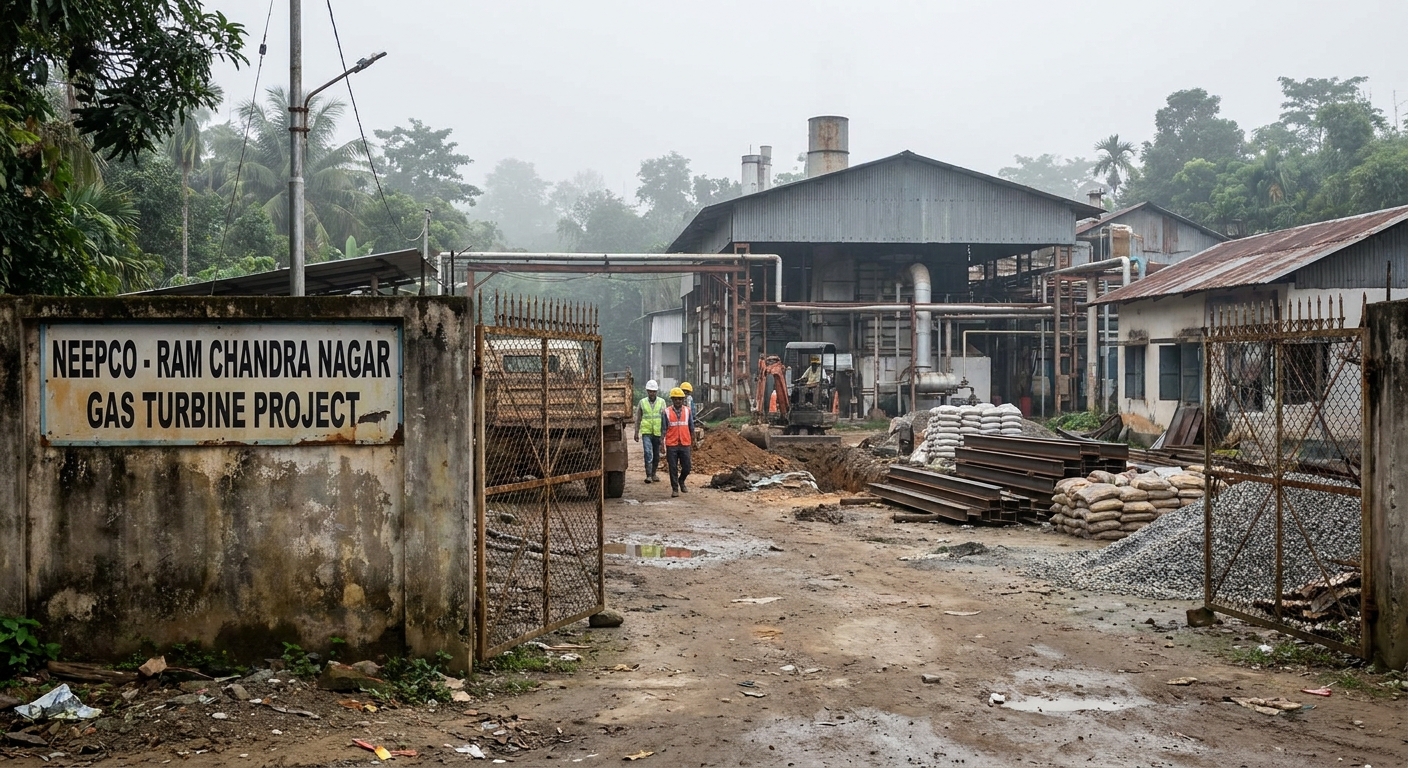
The Supreme Court's NEEPCO v Astra Construction ruling confirms a contractual interest bar can strip pre-reference interest from arbitral awards, turn
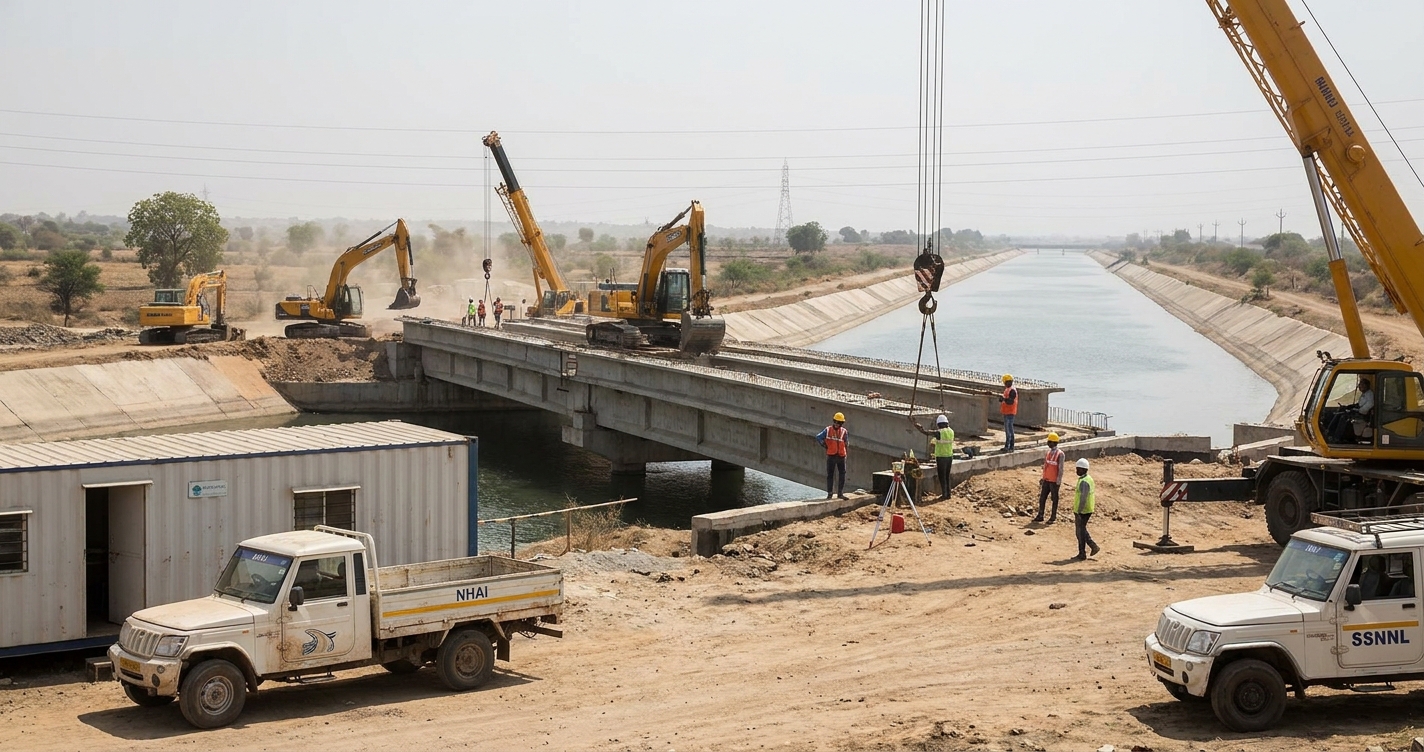
NHAI and Sardar Sarovar Narmada Nigam Limited have signed a time-bound framework for National Highway, canal and pipeline crossings in Gujarat, waivin


Powered by

© Tuskus 2025 - All Rights Reserved by Teamic Creative Lab Pvt. Ltd.
