The Supreme Court's NEEPCO v Astra Construction ruling confirms a contractual interest bar can strip pre-reference interest from arbitral awards, turn


insghits

The Government of Karnataka's proposed ₹40,000 crore Bengaluru Tunnel Road has collided with a land-consent barrier well before tendering. On 30 August 2026, more than 5,000 residents gathered at Lalbagh to oppose the Karnataka Parks Preservation Act amendment bill, which would allow 5% of parkland to be diverted for infrastructure and commercial development. The trigger is not the tunnel bore itself but the legal instrument meant to unlock its right-of-way.
The bill functions as an enabling clause for land assembly. By attaching commercial development to parkland diversion, the Government of Karnataka is signalling that the tunnel corridor must carry monetisable real estate, not just traffic.
That linkage is what protesters are contesting, with critics arguing the package erodes Bengaluru's green cover while failing to resolve congestion. The demand to prioritise public transport over road expansion is a direct capital-allocation challenge to the project's premise.
For prospective EPC and tunnelling contractors, the signal is clear: the critical path is consent, not construction capability. A ₹40,000 crore package will not move to bid while its enabling legislation is contested, because the following risks flow directly from this fight:
- Land handover delay
- Change-in-law exposure
- Potential re-scoping
Any bidder pricing the opportunity today would have to carry abnormally high contingencies for schedule slippage, termination risk and alignment changes if parkland parcels are struck from the corridor.
The Government of Karnataka is the dominant decision-maker and the commercial risk-bearer, since the project's viability depends on the bill passing and on land being handed over cleanly.
- Bruhat Bengaluru Mahanagara Palike sits in the execution chain for the city's road network.
- Citizen groups and political representatives are now active consent stakeholders.
- Road and tunnel contractors have the most to lose commercially while awaiting packages.
- Developers are positioned to capture the bill's commercial development upside.
- Public transport suppliers stand to gain if the protest shifts capital toward metro and bus expansion.
The deeper industry signal is structural: urban road projects in Bengaluru are being re-priced as land and consent risks before engineering begins. Contractors should read this as a warning that procurement timelines will stretch, bid documents will carry heavier delay-cost and change-in-law provisions, and approval architecture, not tunnelling technology, will determine who can actually deliver.
Infrastructure capital in the city is now contestable between road tunnelling and transit, and this protest has made that contest explicit.
Insights
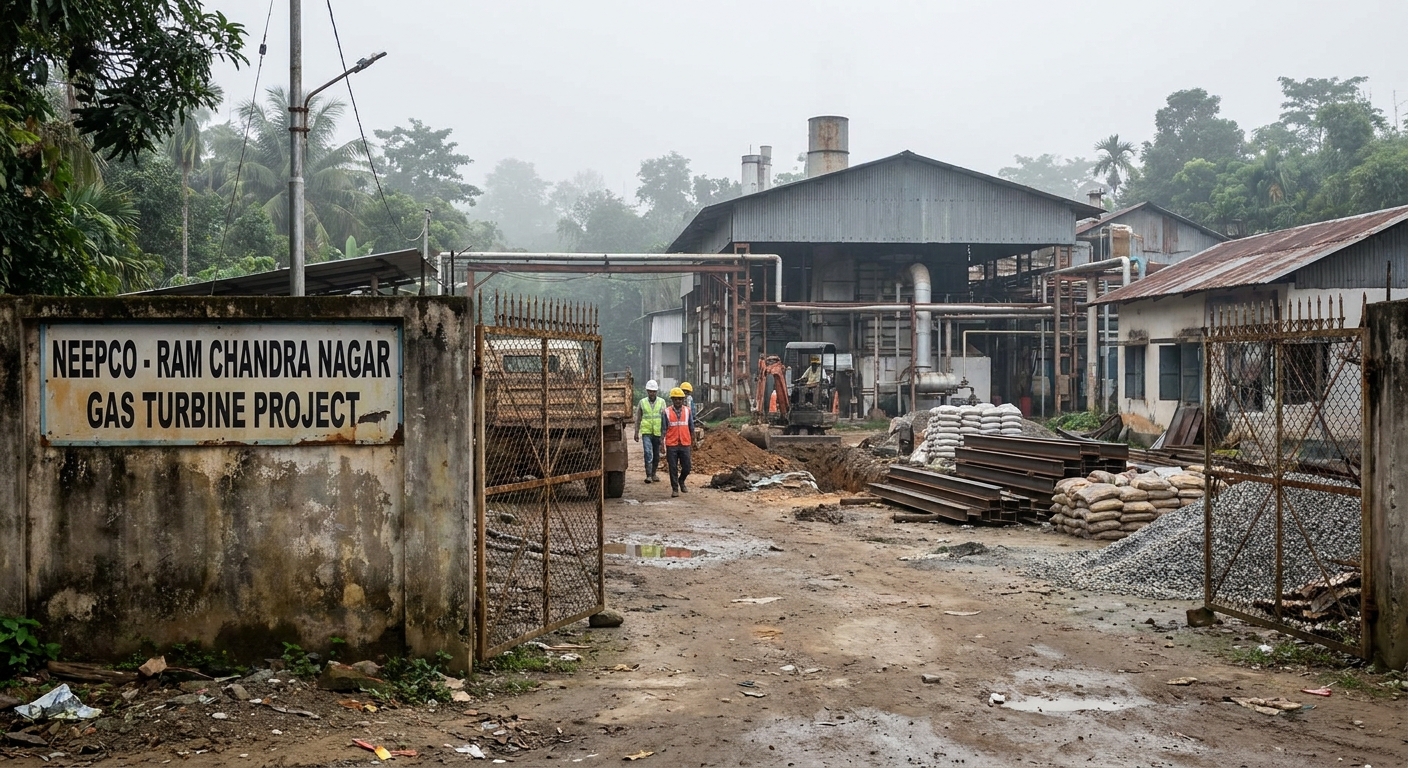
The Supreme Court's NEEPCO v Astra Construction ruling confirms a contractual interest bar can strip pre-reference interest from arbitral awards, turn
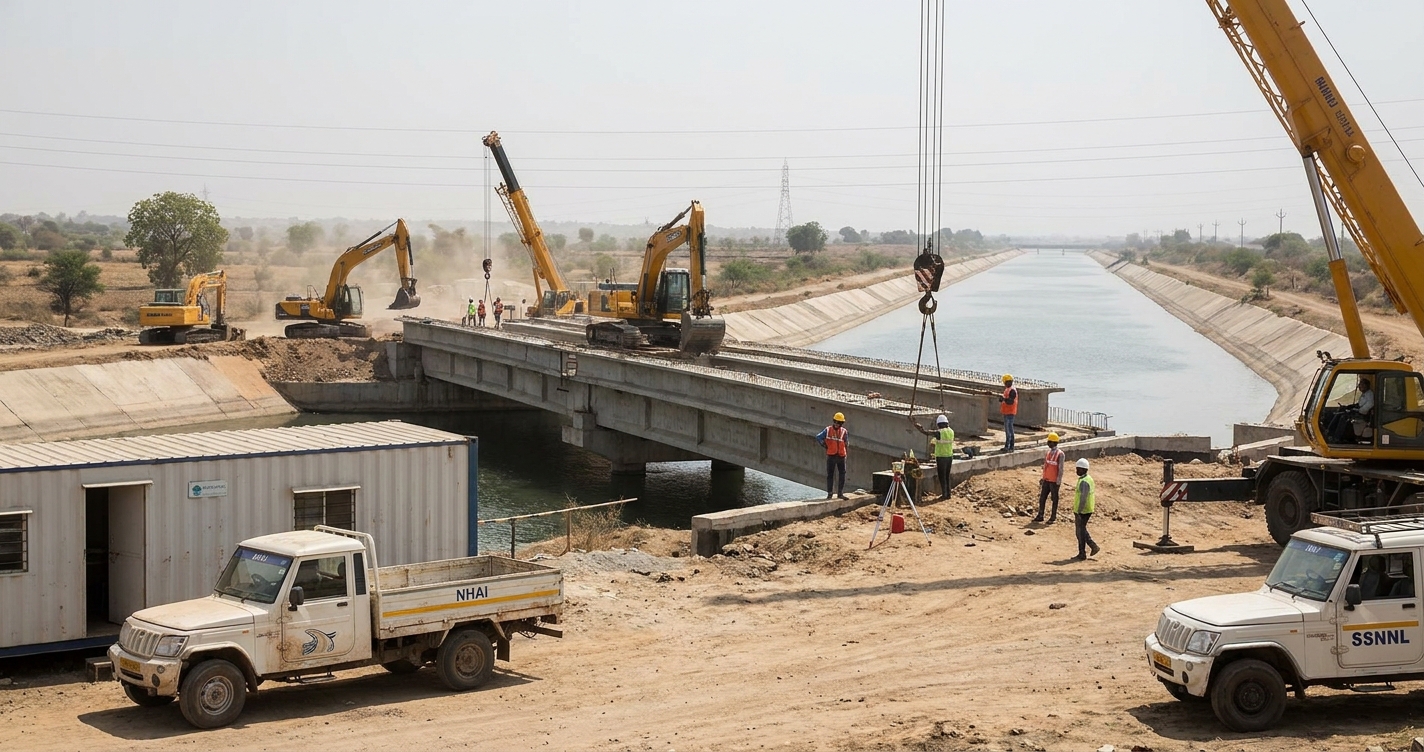
NHAI and Sardar Sarovar Narmada Nigam Limited have signed a time-bound framework for National Highway, canal and pipeline crossings in Gujarat, waivin

A four-day SIB operation near Banaras Locomotive Works has put ₹4.25 crore of GST evasion on record — and turned scrutiny on the composite civil-works


Powered by

© Tuskus 2025 - All Rights Reserved by Teamic Creative Lab Pvt. Ltd.
