The Supreme Court's NEEPCO v Astra Construction ruling confirms a contractual interest bar can strip pre-reference interest from arbitral awards, turn


insghits
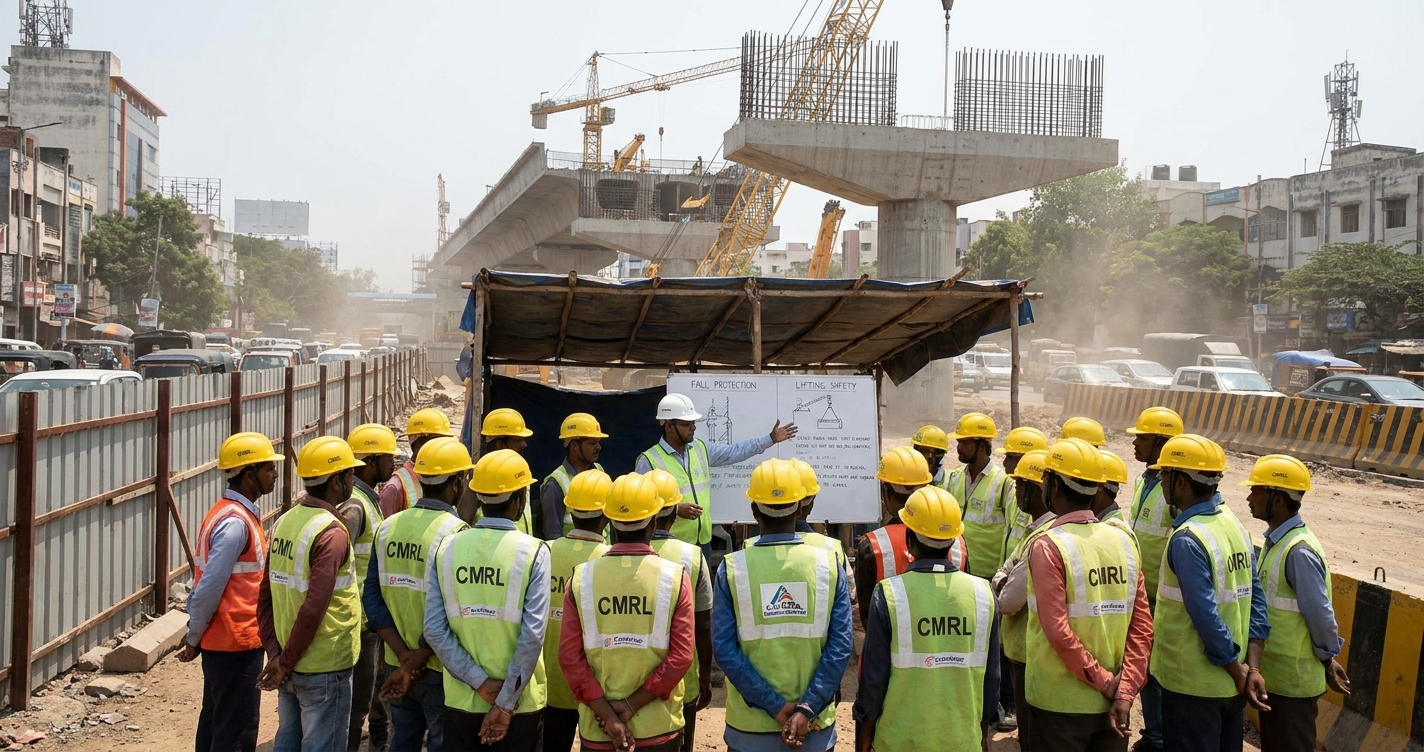
Chennai Metro Rail Limited (CMRL) has shifted its Phase-II safety posture from post-incident enforcement to proactive capability building.
The special awareness programme covered roughly 200 engineers, supervisors and foremen drawn from CMRL, its general consultants and Phase-II contractors.
The trigger is not a single event but a compounding casualty record:
- The February fall that killed 23-year-old L Soray Ganjhu near Valasaravakkam
- The August 2025 load-testing failure at Sholinganallur that killed Bikee Paswan and injured Santosh Lohara
- The June I-girder collapse near Manapakkam that killed motorist C Ramesh
- The 2022 excavation cave-in at Medavakkam that killed contract worker K Ravi
The commercial signal is sharper than the awareness agenda suggests.
After the Manapakkam collapse, CMRL imposed a Rs 1 crore penalty on the contractor and ordered an internal inquiry and safety audit.
That penalty converts EHS failure from a reputational issue into a contractual cost line, now reinforced by owner-led training explicitly targeting unsafe practices, statutory compliance, safe systems of work and supervision quality.
For Phase-II contractors, the exposure is structural.
Chennai's Phase-II build-out involves extensive elevated corridor work, where fall-from-height and heavy lifting dominate the risk register, and where schedule pressure tends to outrun supervision capacity at the subcontracted workface.
The contractor penalised after Manapakkam is the clearest indicator that liability is being pushed down the delivery chain. But CMRL's inclusion of general consultants in the programme signals that supervision accountability is also being redefined — owners are no longer treating the consultant's role as a passive check.
For lenders such as JICA, ADB, AIIB and NDB, whose safeguard frameworks underwrite Phase-II financing, the safety recurrence is a portfolio governance issue, not merely a local operational one.
For CMRL, the programme is a defensive commercial move: each fatal incident carries public-safety, insurance and schedule risk across corridors running through dense urban areas.
The real industry signal is that metro owners are beginning to treat EHS as a delivery capability metric rather than a compliance overhead.
Contractors and consultants bidding into multi-corridor urban rail programmes should now assume that safety performance will be priced into bid evaluation, supervision mandates and penalty structures — and that repeated incidents will invite owner-led capability intervention, not just contractual deductions.
Insights
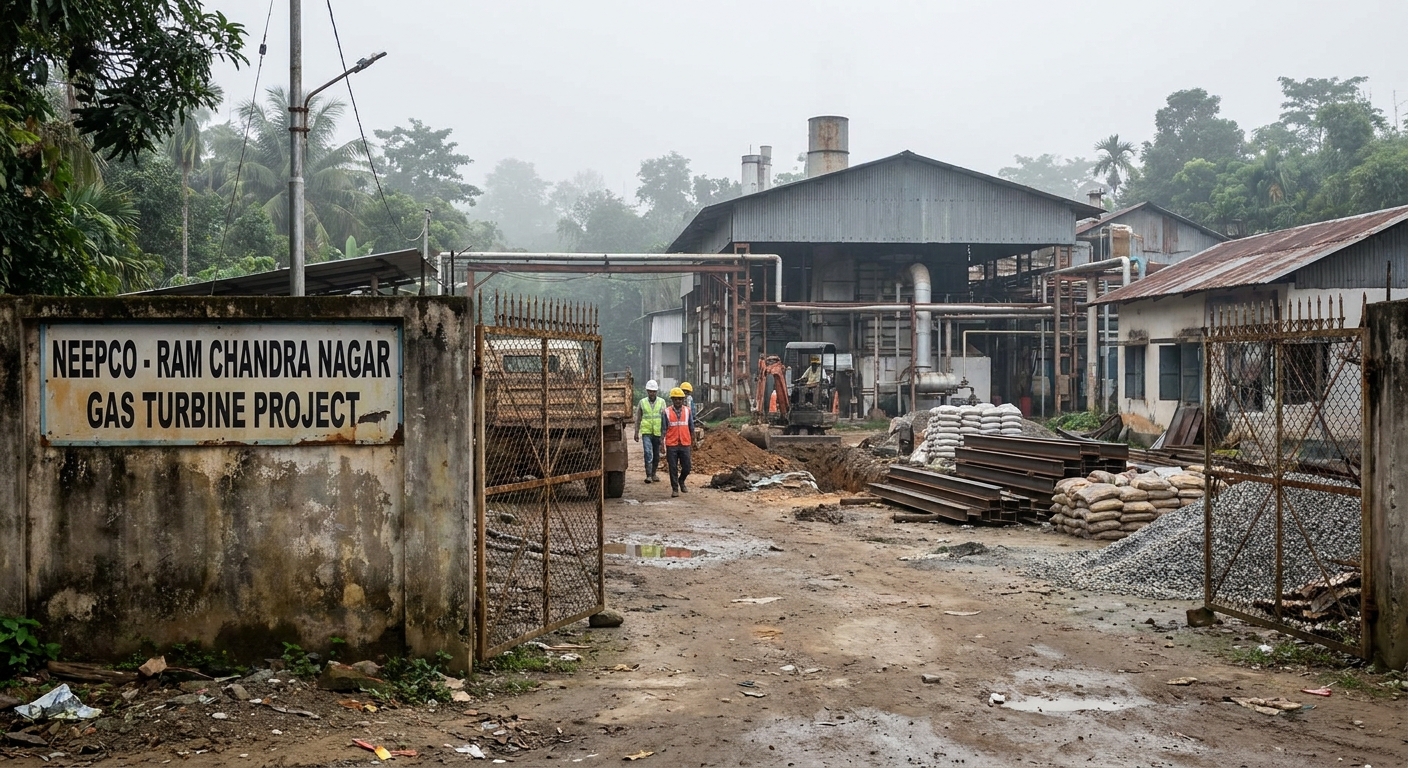
The Supreme Court's NEEPCO v Astra Construction ruling confirms a contractual interest bar can strip pre-reference interest from arbitral awards, turn
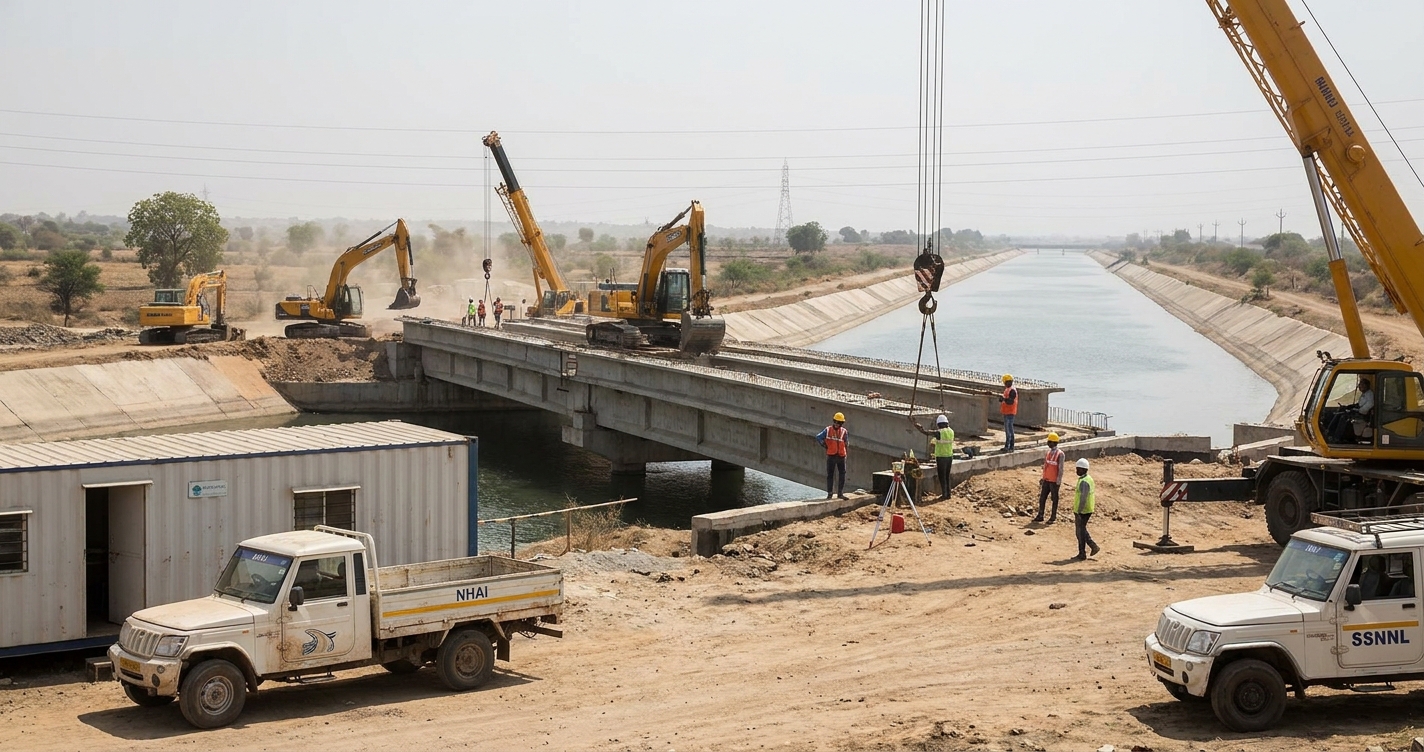
NHAI and Sardar Sarovar Narmada Nigam Limited have signed a time-bound framework for National Highway, canal and pipeline crossings in Gujarat, waivin
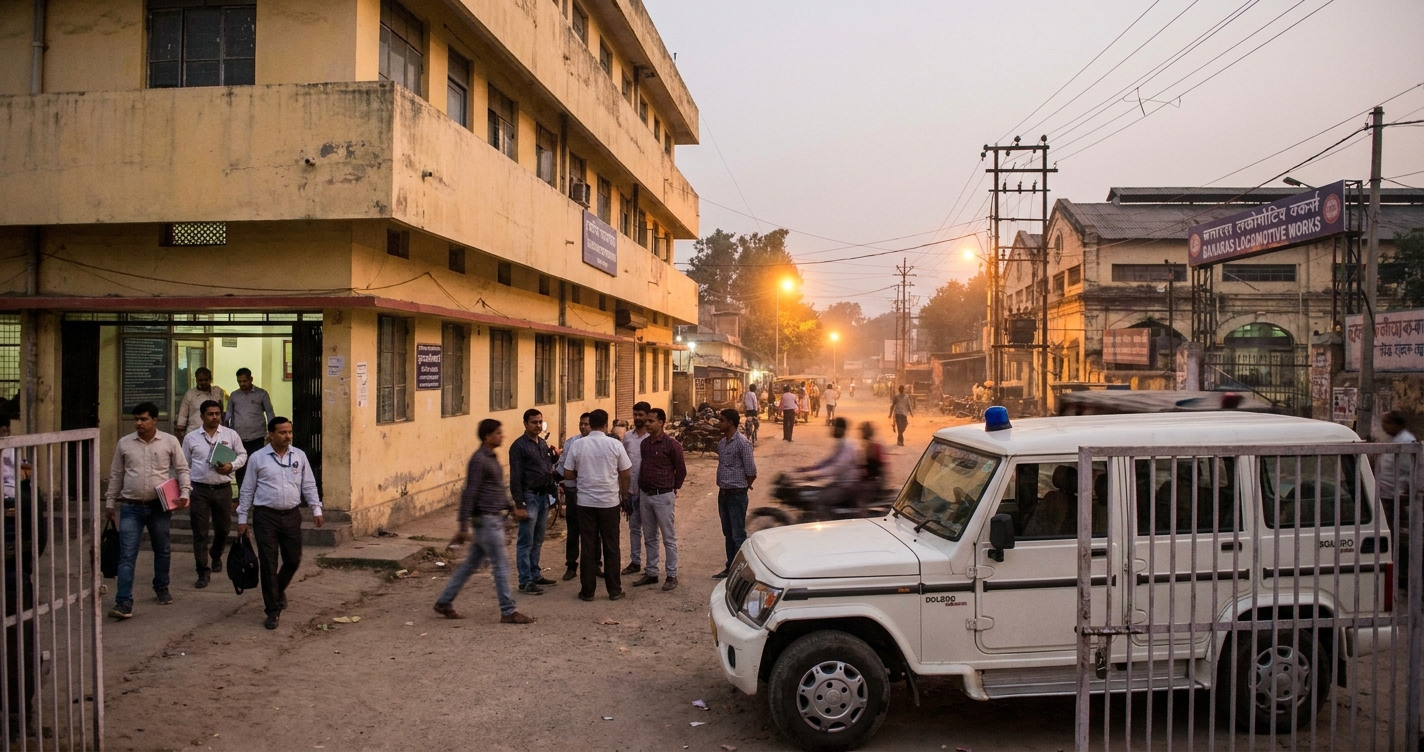
A four-day SIB operation near Banaras Locomotive Works has put ₹4.25 crore of GST evasion on record — and turned scrutiny on the composite civil-works


Powered by

© Tuskus 2025 - All Rights Reserved by Teamic Creative Lab Pvt. Ltd.
