IRB Infrastructure Developers has signed a share purchase agreement to shift Solapur Yedeshi Tollway and CG Tollway out of its GIC-backed private InvI


insghits
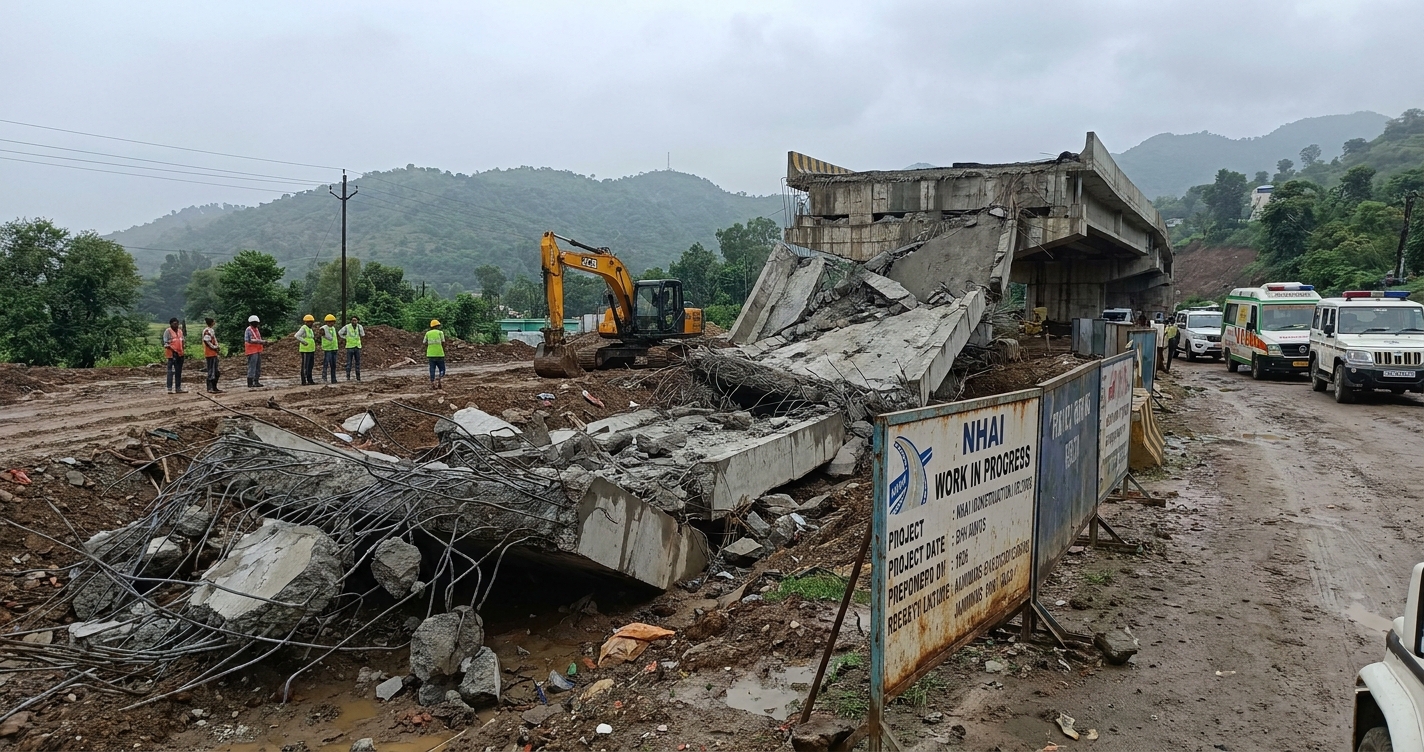
A worker died and another was injured on 25 August 2026 when an under-construction flyover on the Delhi-Katra Expressway collapsed in Jammu, an incident first reported by OdishaTV.
The failure immediately shifts scrutiny to the National Highways Authority of India (NHAI), the corridor’s project owner, and to the Ministry of Road Transport and Highways (MoRTH) led by Nitin Gadkari.
The Delhi-Katra Expressway — formally the Delhi-Amritsar-Katra Expressway — is among the largest greenfield corridors in the Bharatmala Pariyojana Phase-I portfolio, running roughly 670 km through Delhi, Haryana, Punjab and Jammu & Kashmir.
The Jammu-Katra tail section climbs through demanding hill terrain, requiring elevated viaducts, retaining structures and long-span flyovers.
Delivery is split across multiple EPC packages, which shifts execution risk to contractors while NHAI retains design approval, supervision and milestone authority.
The commercial significance sits less in any single package than in the liability chain the collapse activates.
On NHAI EPC corridors, the contractor generally carries construction risk, workers’ compensation and defect liability.
A fatal structural failure will trigger:
- A safety audit
- Likely show-cause action
- A review of formwork methodology, staging design and independent proof-checking
If the failure traces to falsework or shuttering, insurers and lenders will reprice risk across the corridor’s remaining packages, tightening conditions on performance guarantees and drawdowns.
The human cost — one worker dead, one injured — exposes a deeper gap: site-level safety enforcement has not kept pace with the speed of package awards.
NHAI has compressed timelines across Bharatmala corridors, and contractors running thin EPC margins face pressure to accelerate casting cycles.
Under schedule pressure, formwork stripping, curing time and load testing are the first items compromised when supervision is stretched.
For senior stakeholders, the signal is direct.
The Delhi-Katra collapse is a leading indicator of rising execution risk across Bharatmala’s remaining greenfield corridors.
Expect stricter audit conditions for contractors, higher liability provisioning from insurers, and pressure on NHAI to prove that supervision is independent and safety holds are enforced without commercial exception.
The corridor’s timeline may absorb delay, but the credibility cost will be borne sector-wide.
The Delhi-Katra collapse is a leading indicator of rising execution risk across Bharatmala’s remaining greenfield corridors.
Insights
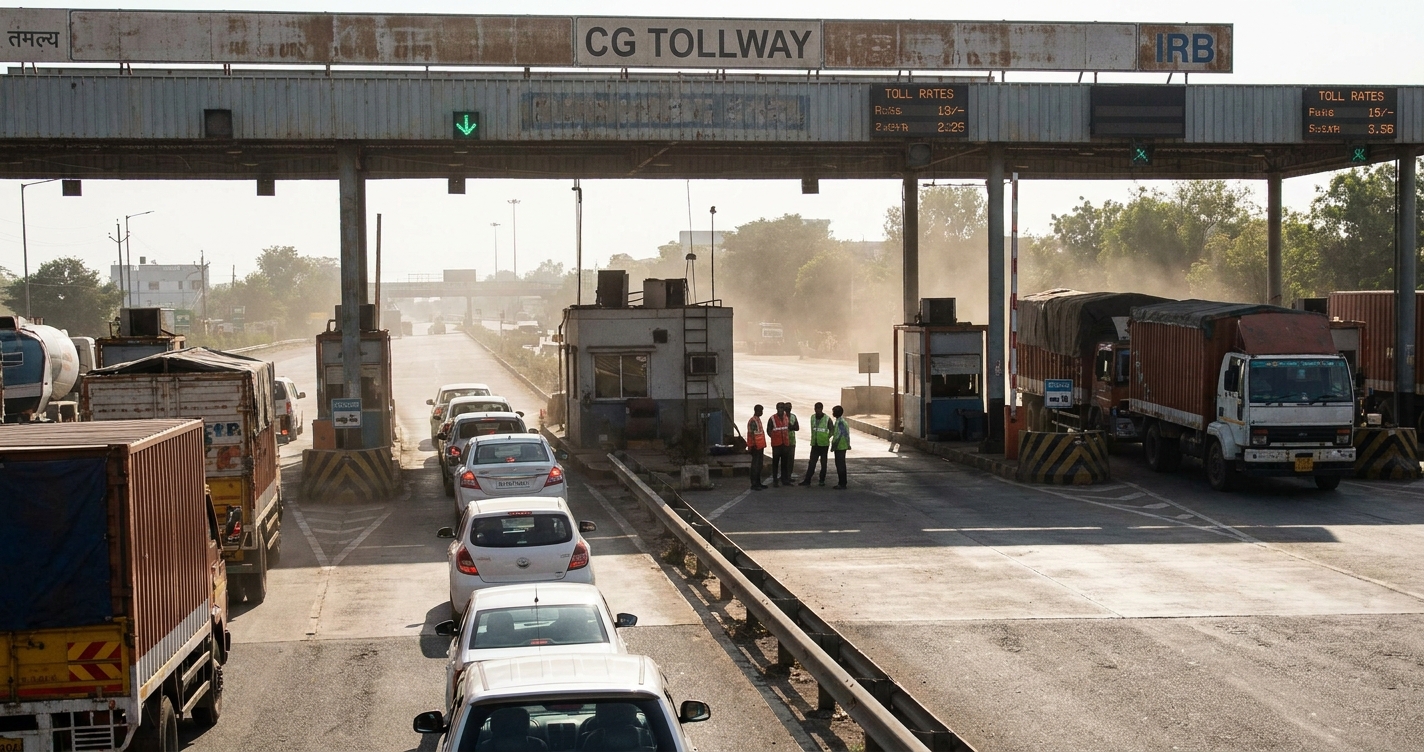
IRB Infrastructure Developers has signed a share purchase agreement to shift Solapur Yedeshi Tollway and CG Tollway out of its GIC-backed private InvI
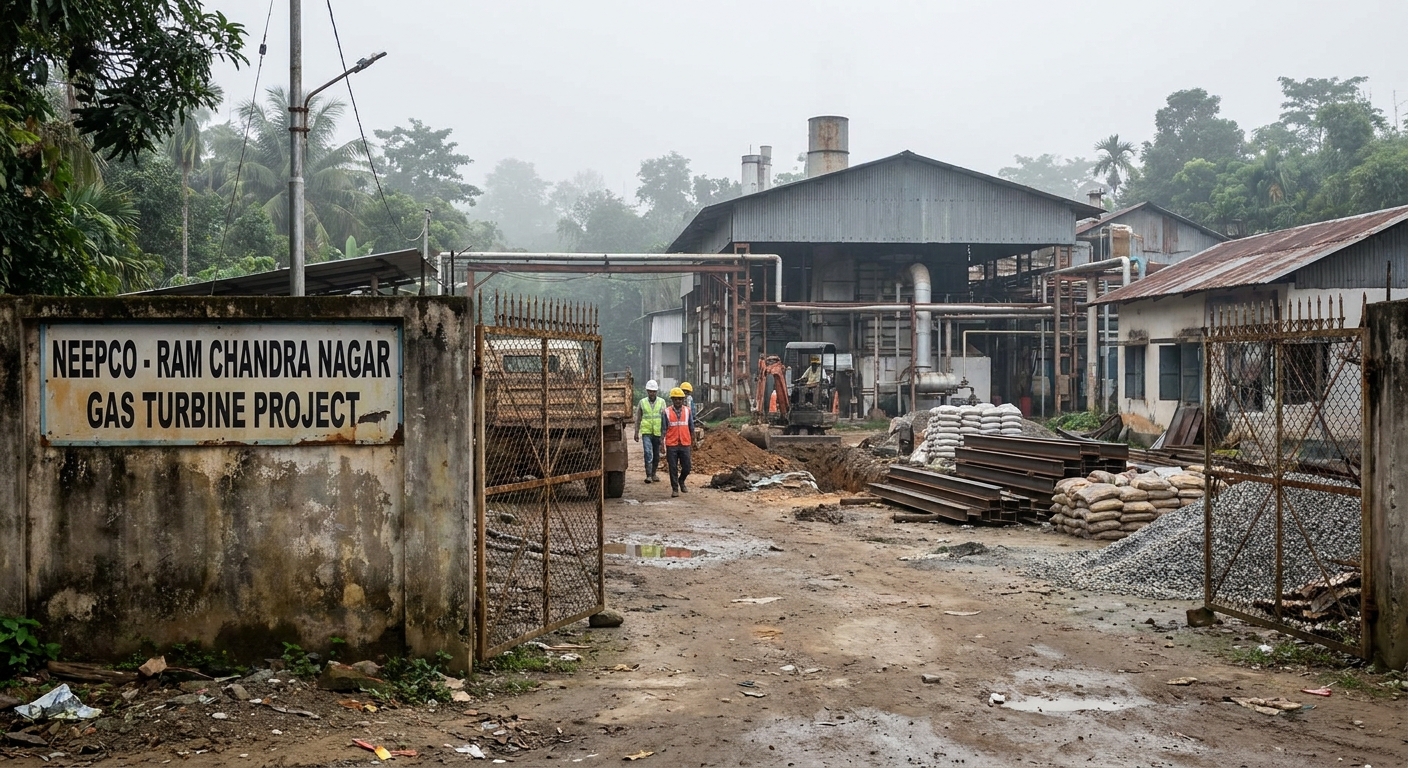
The Supreme Court's NEEPCO v Astra Construction ruling confirms a contractual interest bar can strip pre-reference interest from arbitral awards, turn
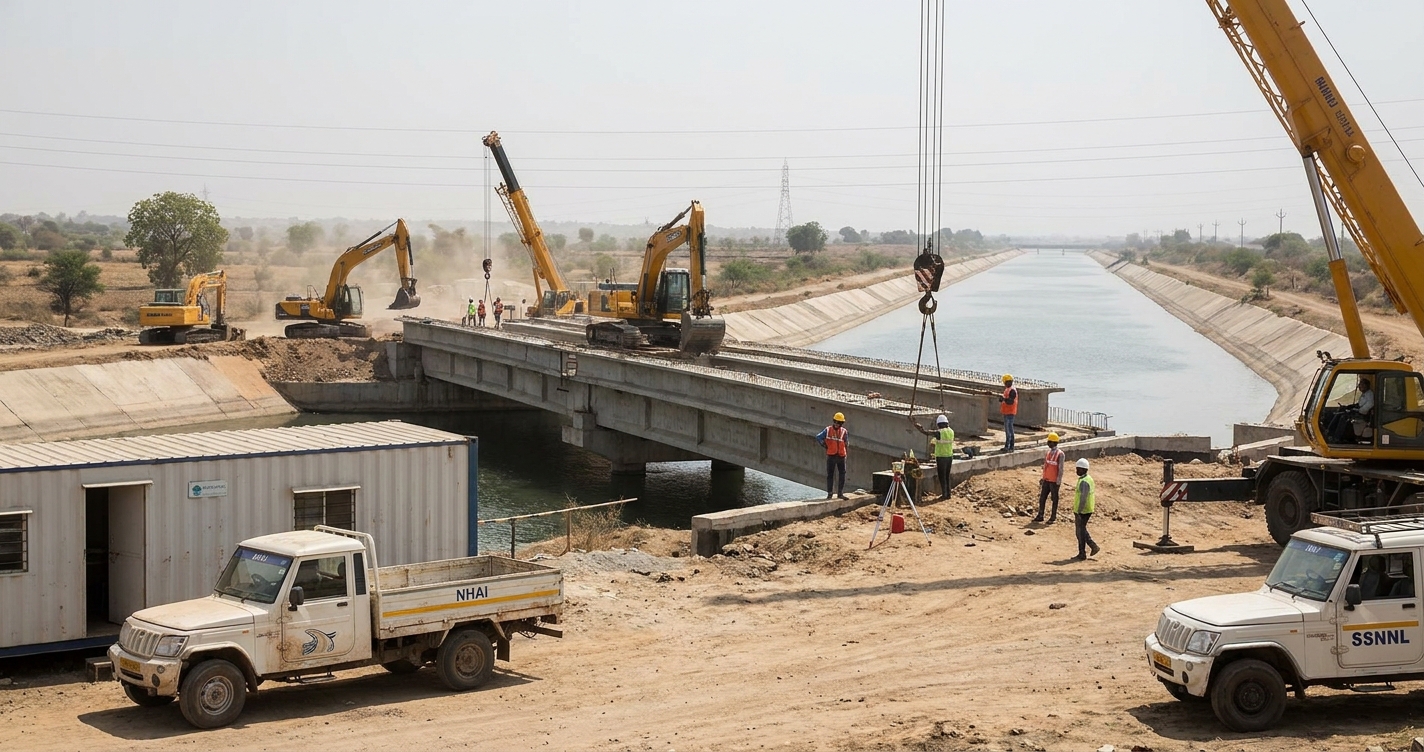
NHAI and Sardar Sarovar Narmada Nigam Limited have signed a time-bound framework for National Highway, canal and pipeline crossings in Gujarat, waivin


Powered by

© Tuskus 2025 - All Rights Reserved by Teamic Creative Lab Pvt. Ltd.
