The Supreme Court's NEEPCO v Astra Construction ruling confirms a contractual interest bar can strip pre-reference interest from arbitral awards, turn


insghits
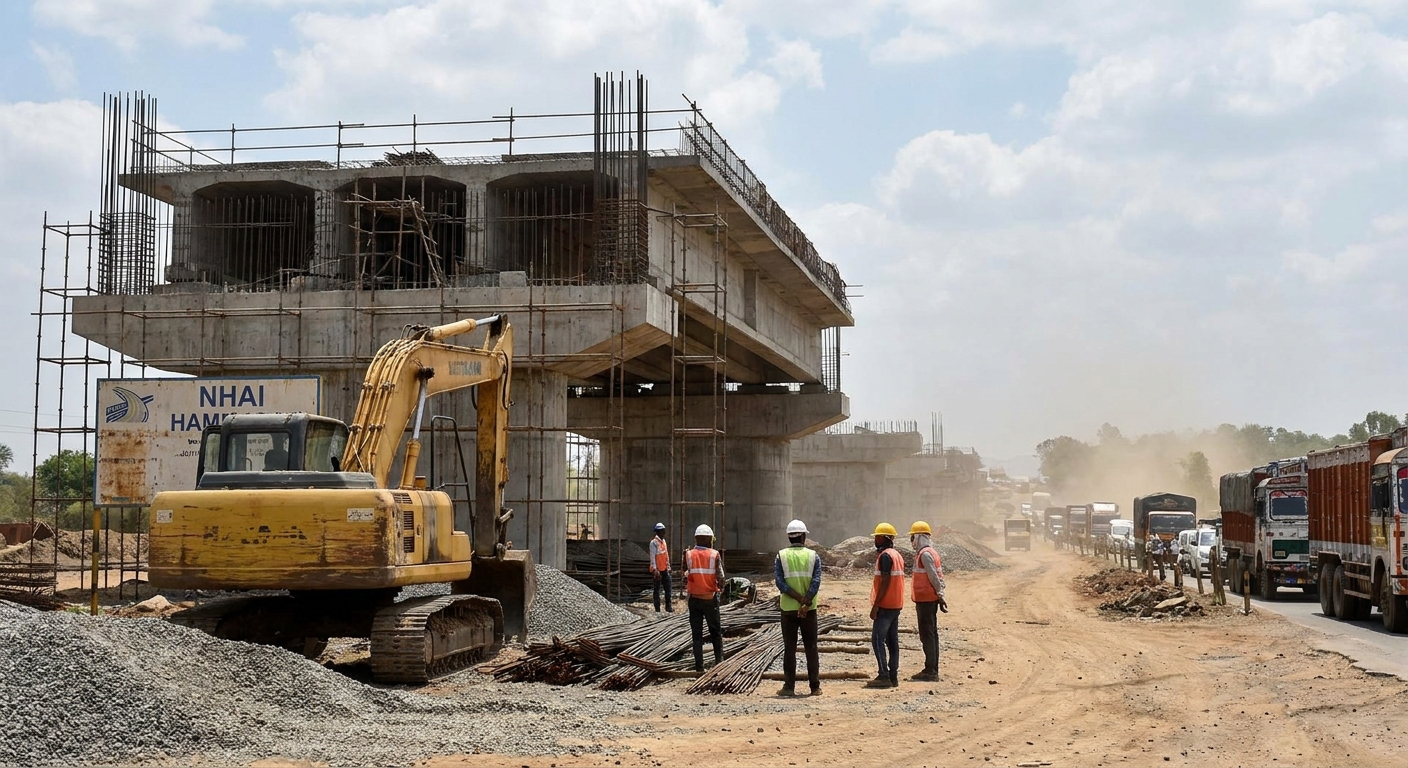
India Ratings and Research (Ind-Ra) has assigned a neutral outlook to India's transport infrastructure sector for FY27, citing stable operational assets, toll revenue growth and an expected pickup in National Highways Authority of India (NHAI) awards through the hybrid annuity model (HAM) and build-operate-transfer (BOT) routes.
Beneath that neutrality sits a harder execution problem: nearly half of under-construction NHAI HAM projects are running more than 12 months late on land, workfront and approvals.
The rating logic rewards capital recycling over physical delivery. Ind-Ra frames infrastructure investment trusts (InvITs) as the sector's liquidity engine — assets under management at Rs 3,168 billion in March 2026, projected at Rs 6,000 billion by FY30.
Operational HAM sponsors are monetising mature assets; newer sponsors are raising debt against annuity streams. NHAI is offloading completion and toll risk, but returns are increasingly priced through financial vehicles rather than construction execution.
The Ministry of Road Transport and Highways (MoRTH) has deliberately thinned the bidder pool. Its July 10 changes — larger packages and tighter net worth thresholds — eased HAM competition, favouring better-capitalised developers and curbing the aggressive bidding that once stranded weak sponsors.
The trade-off is fewer, stronger counterparties for NHAI; the residual risk is reduced bid tension and potentially higher award prices.
For contractors, the signal is dual-edged. Toll roads should sustain revenue through FY27 on economic demand and indexed toll increases, but the 12-month-plus delay cluster points to:
- working capital strain
- deferred annuity recognition
- land-front risk
Developers holding delayed HAM packages face cost overruns and locked equity at the moment the market rewards those exiting into InvITs.
The Reserve Bank of India's revised exposure cap — combined bank lending to a borrowing InvIT limited to 49 per cent of asset value — pushes sponsors toward non-convertible debentures and capital markets, shifting underwriting discipline toward bond investors.
Aviation gets a stable airport rating outlook and a neutral FY27 view: higher fuel costs and geopolitical friction cap international traffic while domestic demand holds — resilient for domestic operators, exposed for long-haul infrastructure.
India's road sector is being repriced as a financial asset class before its physical delivery problems are solved.
InvIT growth toward Rs 6,000 billion and MoRTH's bidder consolidation are reshaping value capture — the winners will be sponsors that complete, stabilise and monetise assets, not merely win tenders.
Insights
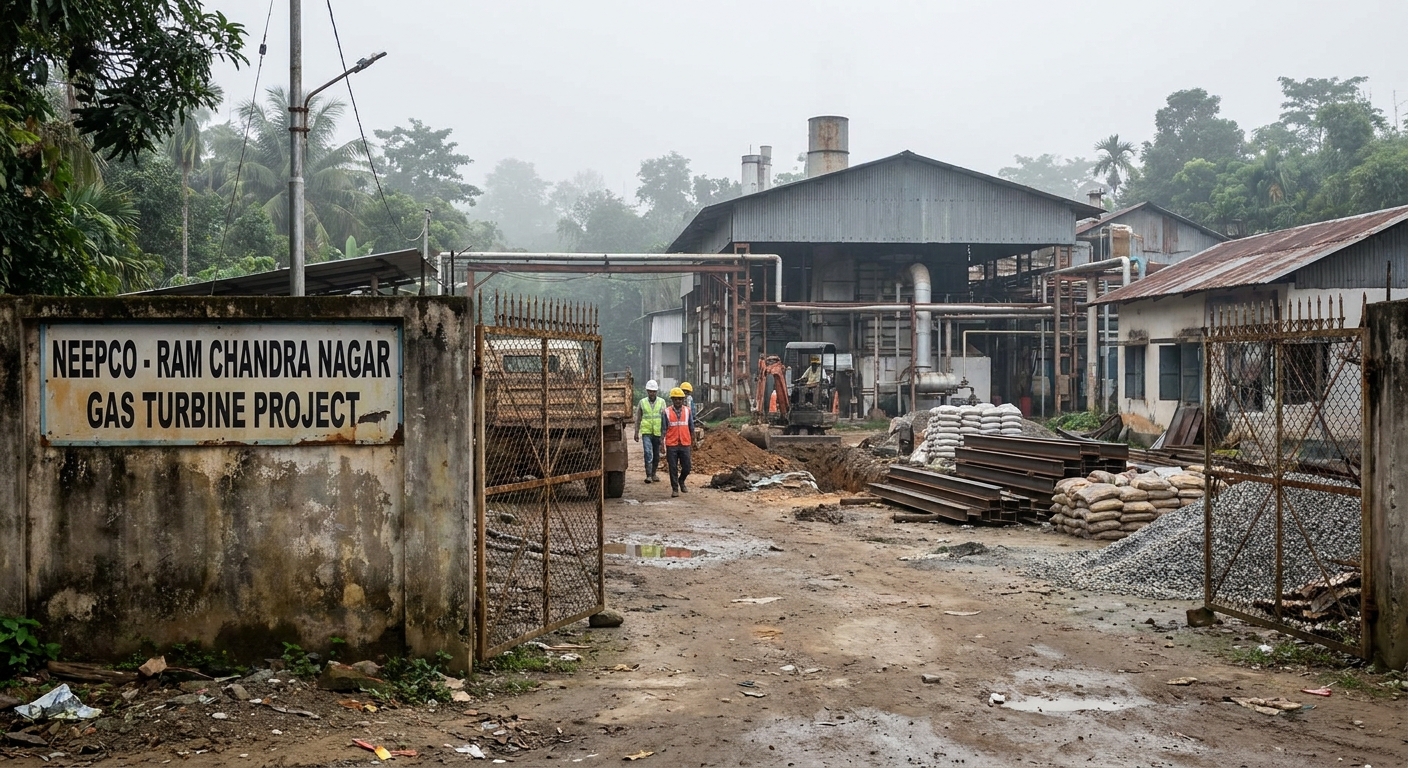
The Supreme Court's NEEPCO v Astra Construction ruling confirms a contractual interest bar can strip pre-reference interest from arbitral awards, turn
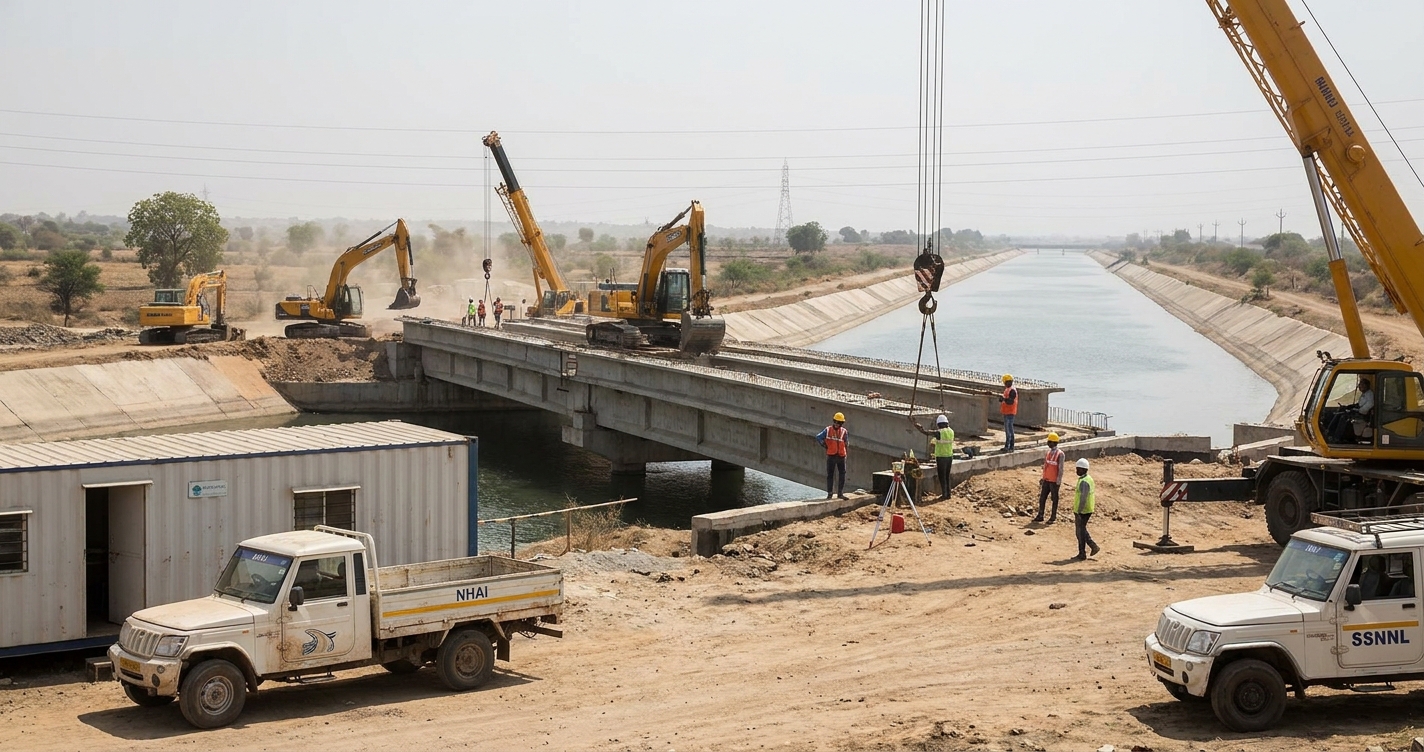
NHAI and Sardar Sarovar Narmada Nigam Limited have signed a time-bound framework for National Highway, canal and pipeline crossings in Gujarat, waivin
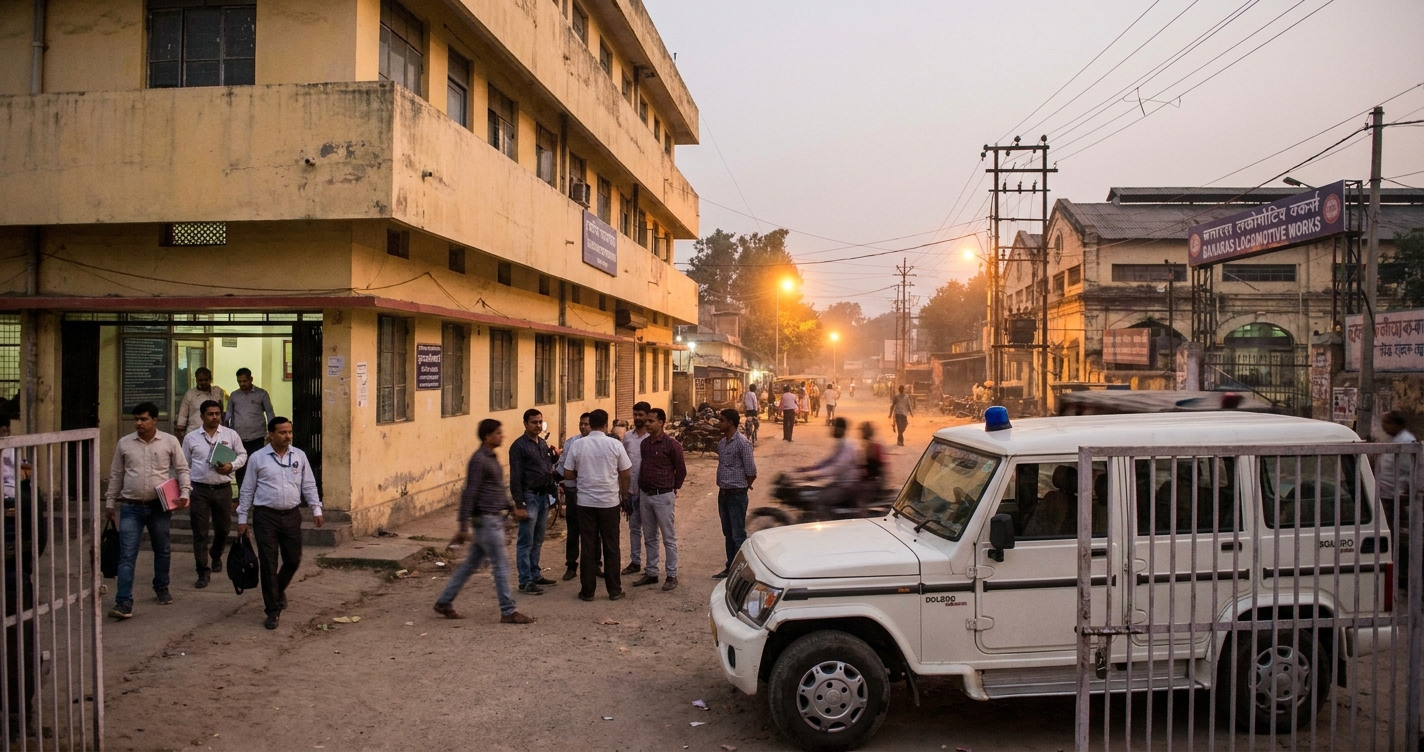
A four-day SIB operation near Banaras Locomotive Works has put ₹4.25 crore of GST evasion on record — and turned scrutiny on the composite civil-works


Powered by

© Tuskus 2025 - All Rights Reserved by Teamic Creative Lab Pvt. Ltd.
