The Supreme Court's NEEPCO v Astra Construction ruling confirms a contractual interest bar can strip pre-reference interest from arbitral awards, turn


insghits
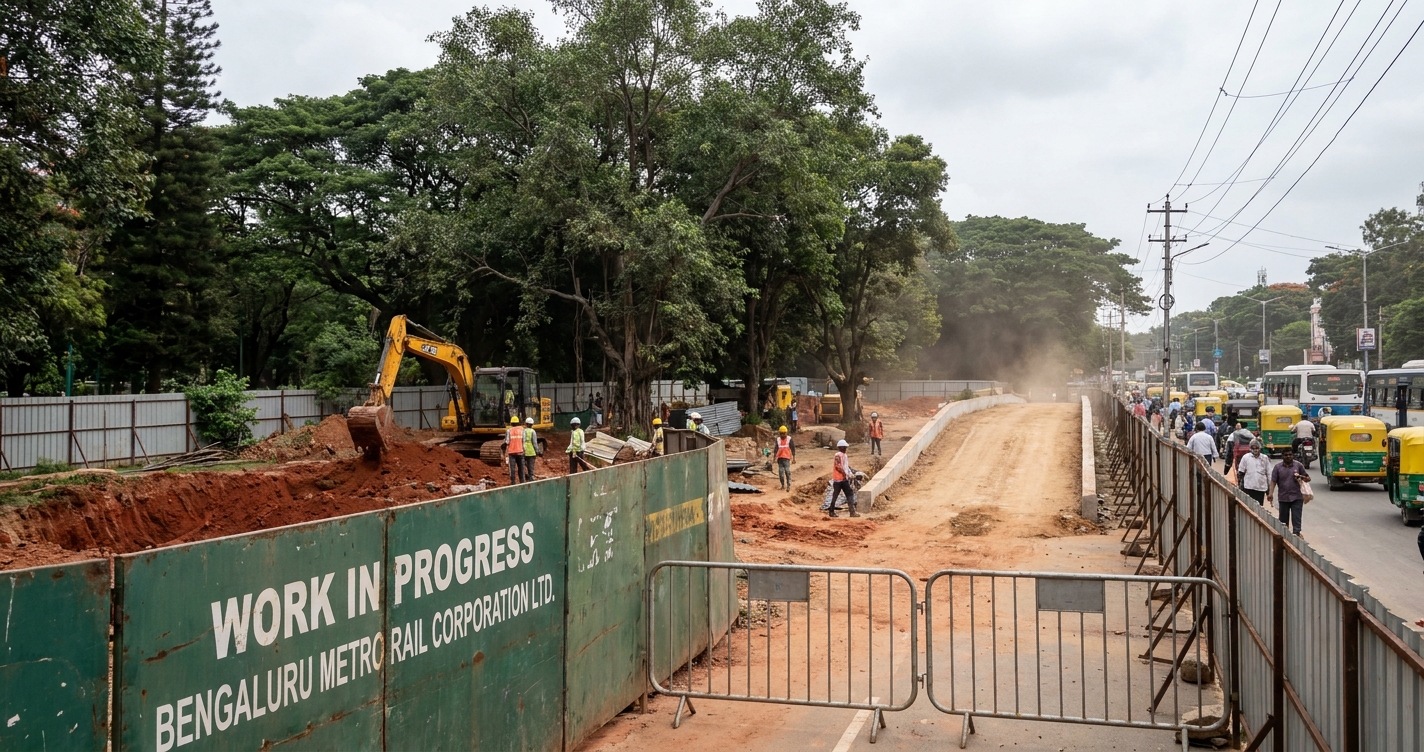
The Government of Karnataka has cleared land access for the 17 km Hebbal–Silk Board tunnel road through statute, not a project-level approval.
The Karnataka Government Parks (Preservation) (Amendment) Bill, 2026, passed in the last Assembly session, allows up to 5% of parkland to be diverted for infrastructure projects.
It overrides Section 4(2) of the 1975 Act, which bars alienation of parkland by sale, lease, gift, exchange or mortgage.
The state government is the dominant decision-maker, but the execution and commercial stakeholders remain unnamed in the public record.
No concessionaire, EPC contractor or financier has been disclosed for the twin 15-metre-diameter tunnels.
The amendment is being advanced before the delivery model is visible — that sequencing is itself the commercial signal.
The trigger is the project’s footprint at Lalbagh:
- A 10-metre exit ramp on the Wilson Garden side
- An entry ramp from the Ashoka Pillar side affecting Lalbagh Lake
- Roughly six acres for ramps, shaft and utility works
Kathyayini Chamaraj, executive trustee of CIVIC, argues the amendment’s hidden purpose is “to provide legal sanction and preempt the courts” from passing orders against the tunnel road project.
The legislative route converts protected green space into project-ready land bank and neutralises injunctions before they can bite.
Former IFS officer Yellappa Reddy has questioned whether the 5% limit rests on any scientific study, DPR, alternative alignment review or ecological assessment.
Rajkumar Dugar of Citizens for Citizens quantified the land take, while Sandeep Anirudhan of Citizens’ Agenda for Bengaluru linked the move to a wider pattern — lake buffer changes, B-to-A Khata conversion, setback relaxations and Premium FAR — that normalises non-compliance.
For delivery teams, the amendment shifts land risk from the project to the public and front-runs the approvals a contractor would otherwise need.
The 5% cap reads as limited but becomes an administrative precedent.
For any future EPC contractor or lender, injunction risk falls, but ESG and reputational exposure rise.
The real signal is not about parks.
It is about how mega urban transport projects will be cleared in Karnataka going forward — through statute rather than project-specific approvals.
Contractors, concessionaires and financiers should treat this as a new clearance pathway with embedded legal cover, but one that concentrates approval risk at the political layer and invites judicial review.
Insights
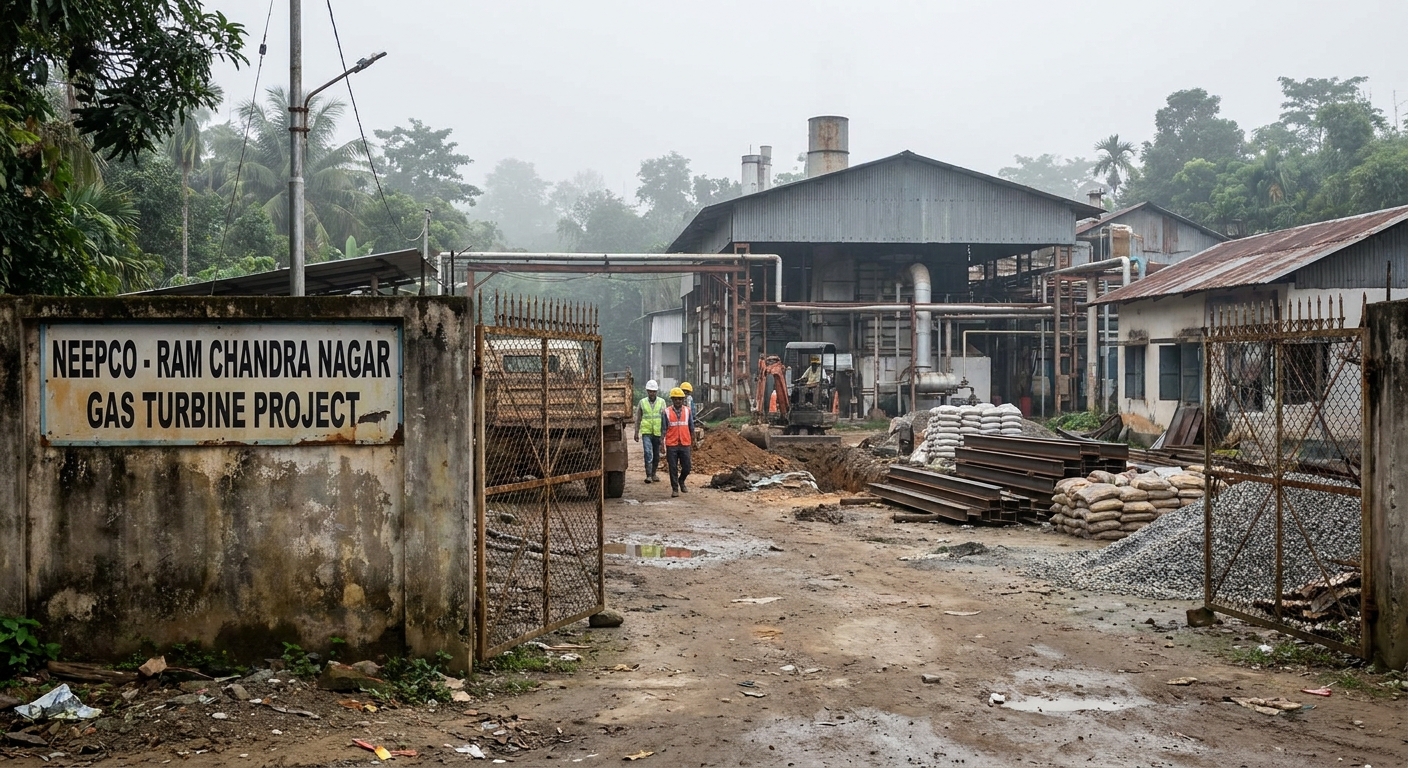
The Supreme Court's NEEPCO v Astra Construction ruling confirms a contractual interest bar can strip pre-reference interest from arbitral awards, turn
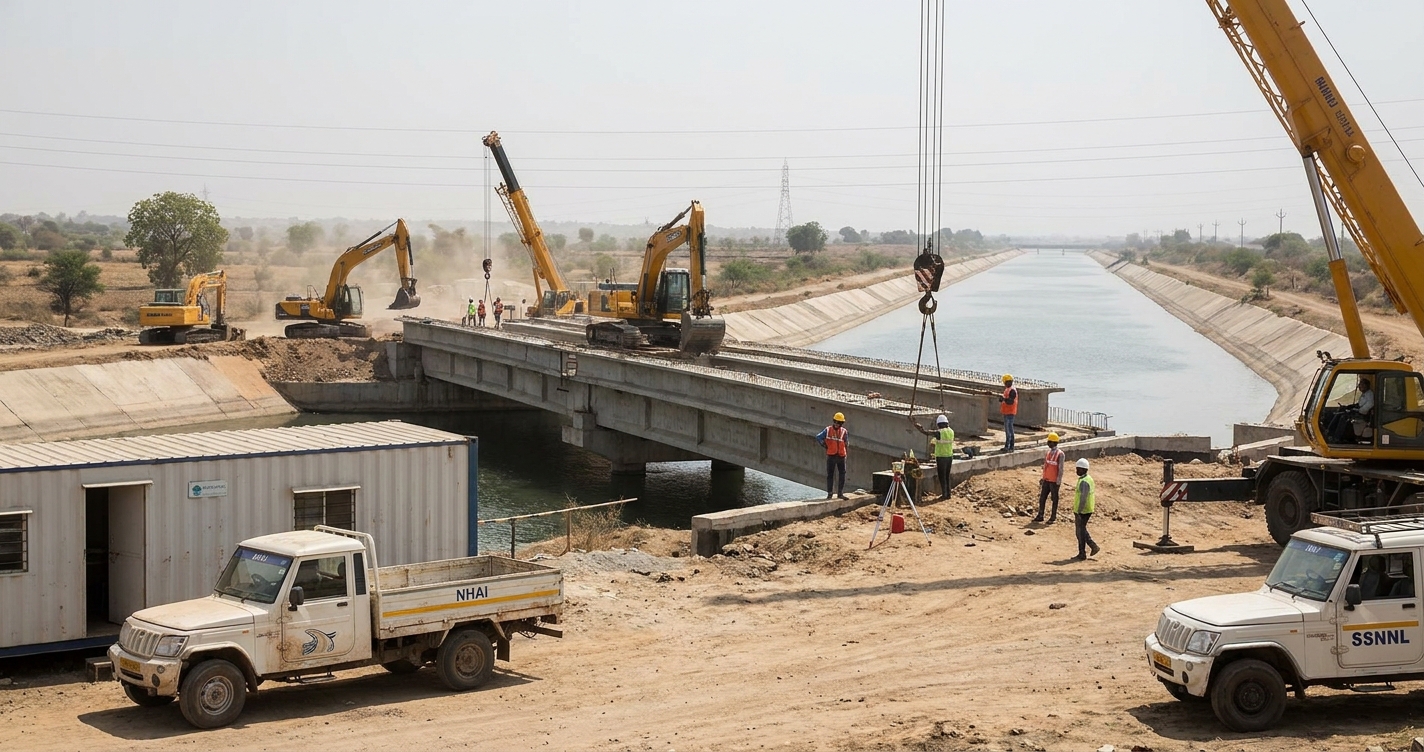
NHAI and Sardar Sarovar Narmada Nigam Limited have signed a time-bound framework for National Highway, canal and pipeline crossings in Gujarat, waivin

A four-day SIB operation near Banaras Locomotive Works has put ₹4.25 crore of GST evasion on record — and turned scrutiny on the composite civil-works


Powered by

© Tuskus 2025 - All Rights Reserved by Teamic Creative Lab Pvt. Ltd.
