IRB Infrastructure Developers has signed a share purchase agreement to shift Solapur Yedeshi Tollway and CG Tollway out of its GIC-backed private InvI


insghits
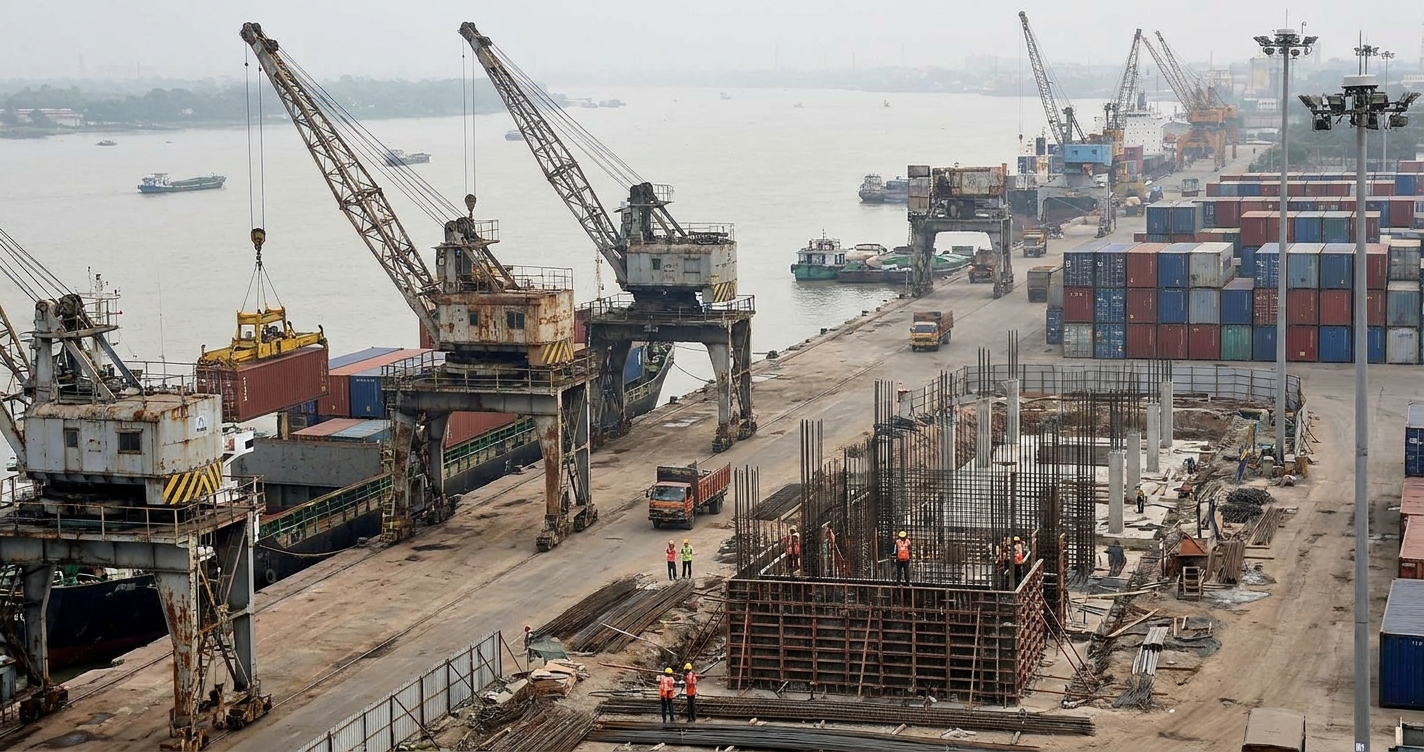
Syama Prasad Mookerjee Port, Kolkata (SMP Kolkata) has shifted its Netaji Subhash Dock container expansion from planning into formal execution.
On 12 August, the port signed a 30-year concession for the outer container terminal and Berths 1–5. Structured as a Design-Build-Finance-Operate-Transfer (DBFOT) public-private partnership, the package carries an estimated investment of ₹832 crore and adds around 0.93 million TEUs of annual capacity.
Combined with a separate September 2025 concession covering Berth 8 reconstruction and mechanisation of Berths 7–8, the Kolkata Dock System is now programmed for roughly 1.4 million TEUs.
The first commercial question is not capacity but counterparty and demand risk.
The concessionaire has been ring-fenced in a wholly owned project company, yet its identity is absent from the public disclosures reviewed here. That gap matters when assessing execution capacity and risk appetite in a riverine port constrained by Hooghly draft limitations and historically modest container volumes relative to west-coast majors.
Two parallel concessions reflect a Ministry of Ports, Shipping and Waterways push to crowd in private capital under the Major Port Authorities Act, 2021 framework.
The ₹832 crore and ₹740 crore packages transfer design, financing and demand risk to the private operator, while SMP Kolkata retains landlord and regulatory control. For the concessionaire, returns will depend on eastern India's container growth and tariff discipline, not construction margin alone.
Execution sequencing is already visible. Customs clearance at Berth 7 and its backup area was granted in May 2026, allowing operations to begin before the wider programme completes.
An early operational start supports cash flow, but it creates interface risk between live terminal activity and ongoing mechanisation and reconstruction works across adjacent berths.
The structural exposure sits beyond the waterfront. Terminal capacity without coordinated rail, road and inland logistics investment simply relocates congestion to urban corridors.
Three factors will determine whether the 1.4 million TEU programme improves trade velocity or compounds last-mile friction:
- Electrified cargo-handling equipment
- Rail-linked freight
- Disciplined truck movement
SMP Kolkata's real test is not signing concessions — it is delivering evacuation infrastructure in lockstep with private terminal capex.
Insights
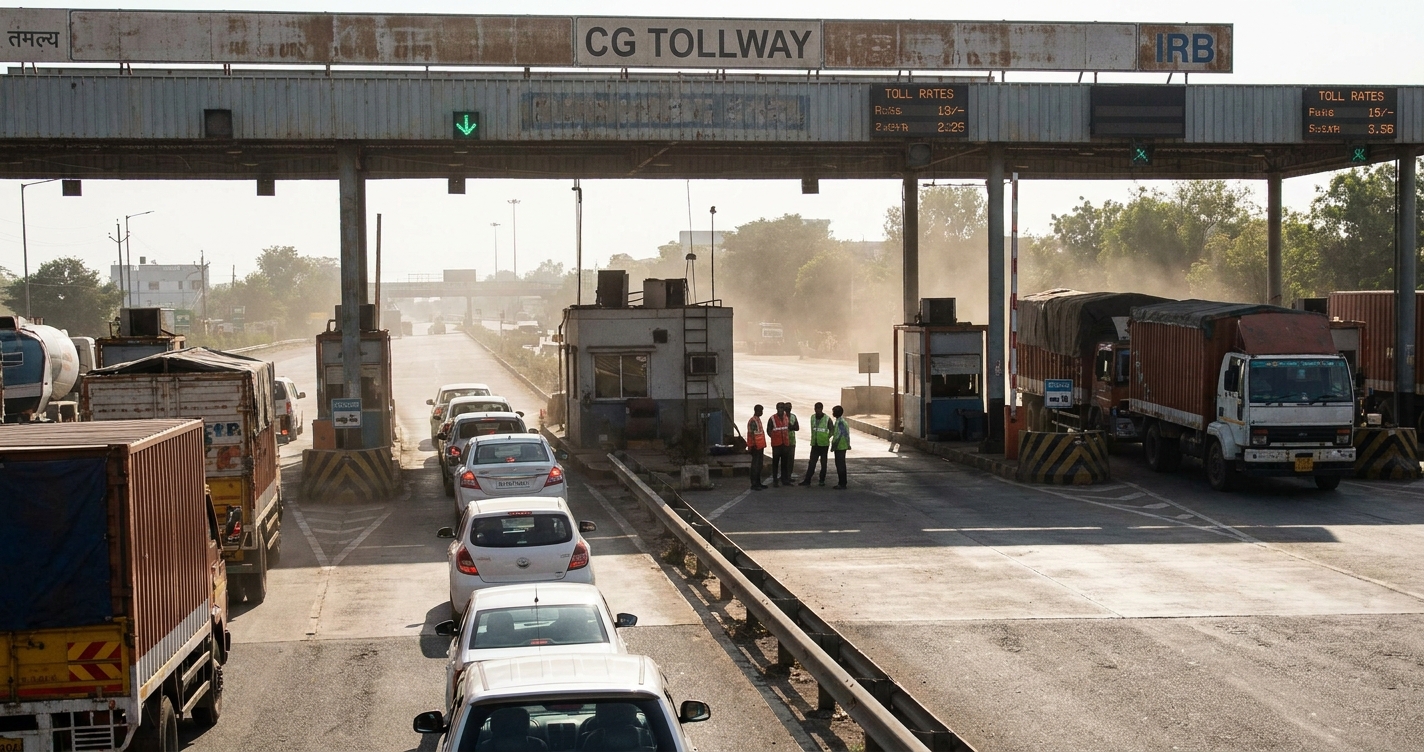
IRB Infrastructure Developers has signed a share purchase agreement to shift Solapur Yedeshi Tollway and CG Tollway out of its GIC-backed private InvI
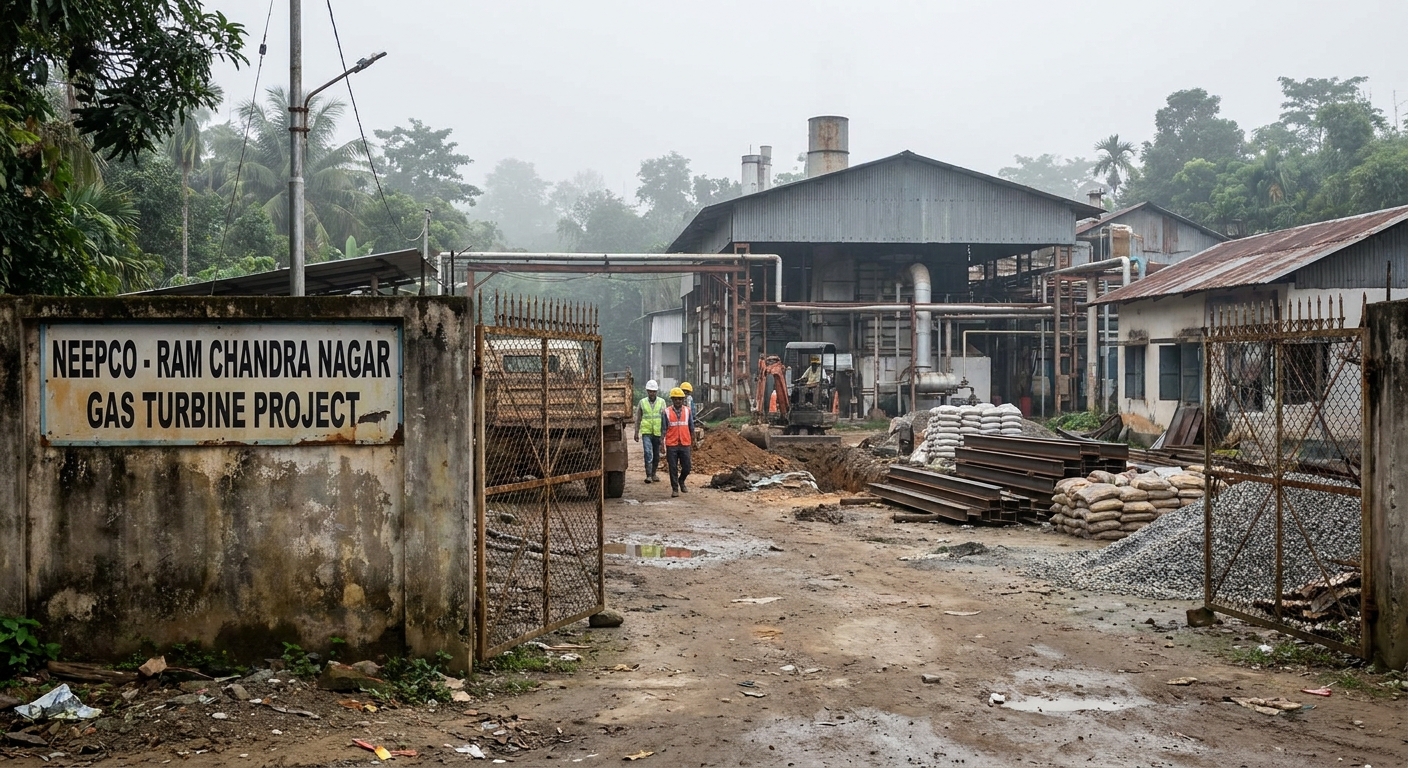
The Supreme Court's NEEPCO v Astra Construction ruling confirms a contractual interest bar can strip pre-reference interest from arbitral awards, turn
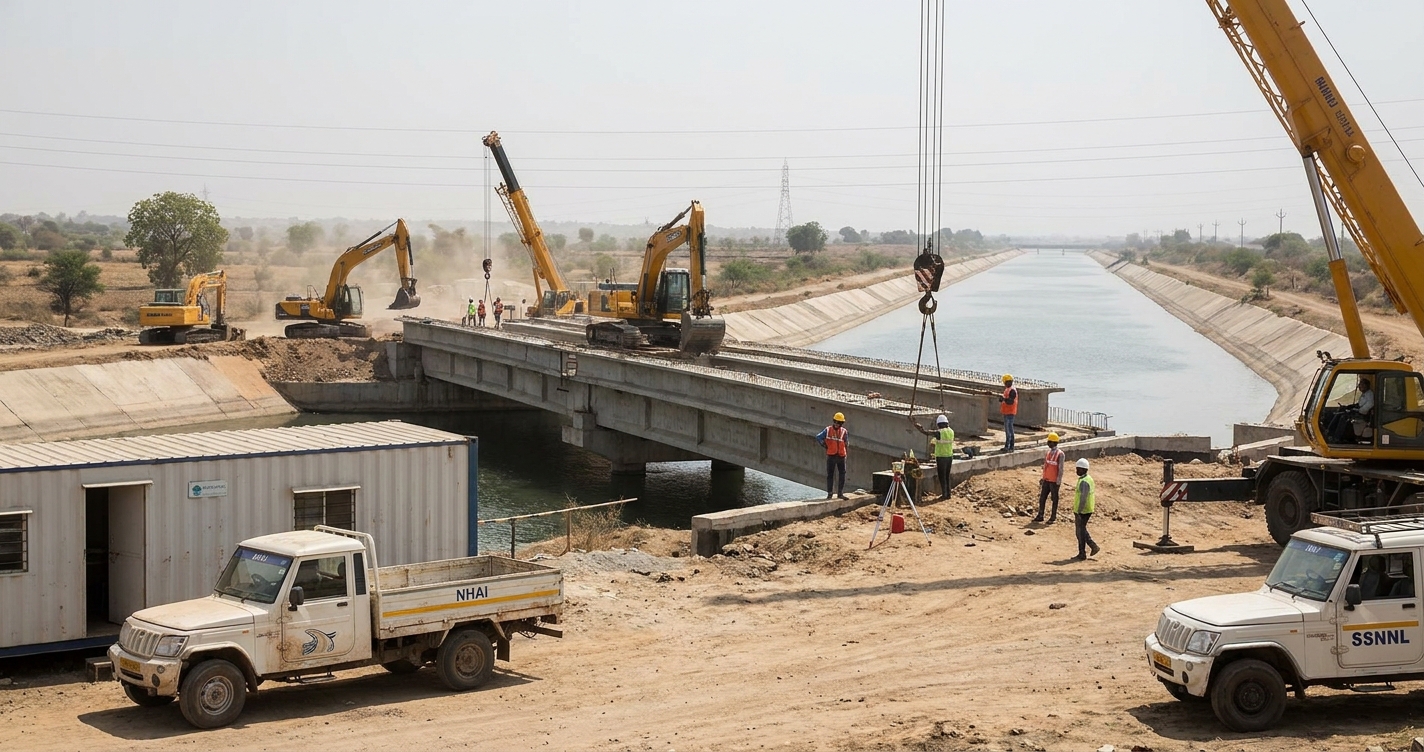
NHAI and Sardar Sarovar Narmada Nigam Limited have signed a time-bound framework for National Highway, canal and pipeline crossings in Gujarat, waivin


Powered by

© Tuskus 2025 - All Rights Reserved by Teamic Creative Lab Pvt. Ltd.
