The Supreme Court's NEEPCO v Astra Construction ruling confirms a contractual interest bar can strip pre-reference interest from arbitral awards, turn


insghits
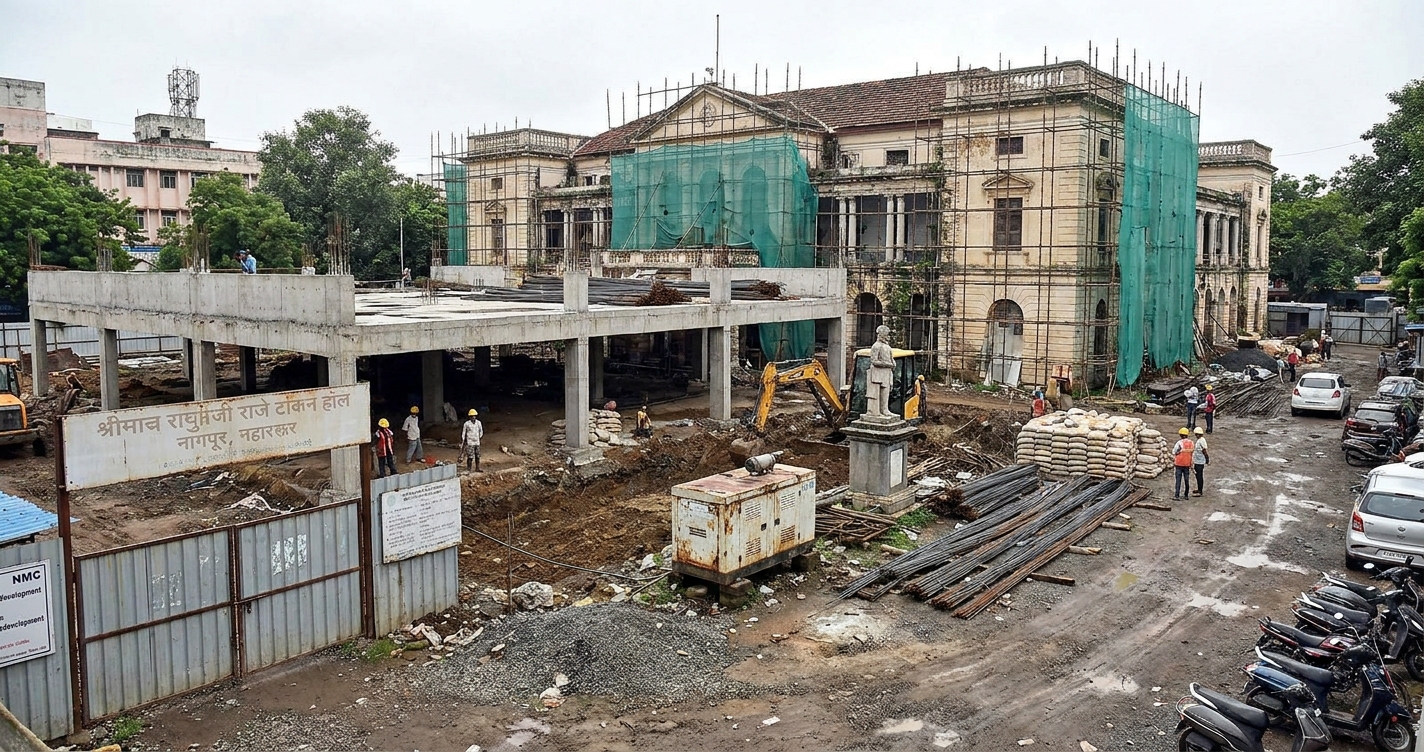
Nagpur Municipal Corporation (NMC) is heading for a second schedule breach on its ₹125.75 crore Shrimant Raghuji Raje Town Hall redevelopment — a Maharashtra government-funded civic asset — with the extended September 30, 2026 deadline set to lapse and the contractor now signalling completion only in November–December.
The slippage is not structural. It is design volatility and parking feasibility.
Repeated changes to the original design cascaded through electrical, HVAC, acoustic and interior works, forcing rework of systems and drawings after the six-month extension was already granted.
Even the revised orientation of tables and chairs triggered downstream modifications — scope movement without a frozen front-end design.
The binding constraint has shifted to parking.
Within a heritage-protected 6,808.08 sq m footprint, NMC must accommodate roughly 90 four-wheelers and over 200 two-wheelers without shifting statues, altering the main entrance, or displacing an air-pollution monitoring unit.
The earlier vehicle-movement plan was abandoned as unworkable.
Its replacement — a two-level parking deck over the garden, with a garden on the terrace — still awaits estimation, while traffic and police authorities must clear entry-exit movement on a constrained road.
Commercially, risk stacks on three fronts.
- Cost escalation: Any variance beyond the ₹125.75 crore sanction requires scrutiny, and the parking estimate remains pending.
- Acceptance risk: NMC holds that supply and installation alone do not make the facility ready — HVAC, electrical and acoustic systems must pass commissioning and testing.
- Accountability: NMC has not accepted the contractor's November–December timeline, leaving time and cost exposure contested even as owner-driven design changes sit at the root of the delay.
The project management consultant (PMC) and senior officers must verify sanctioned components before further work proceeds — a gate that protects the sanction but can strand contractor cash flow on completed-but-unapproved scope.
The wider signal for municipal capital deployment: urban civic assets are now failing at the design-freeze and ancillary-infrastructure stage, not at the headline structure.
Parking, traffic circulation and heritage constraints — not the hall itself — have become the critical path.
When scope moves after sanction, schedule risk transfers to the contractor while the owner retains approval authority.
NMC's Town Hall is a live case of that asymmetry.
Insights
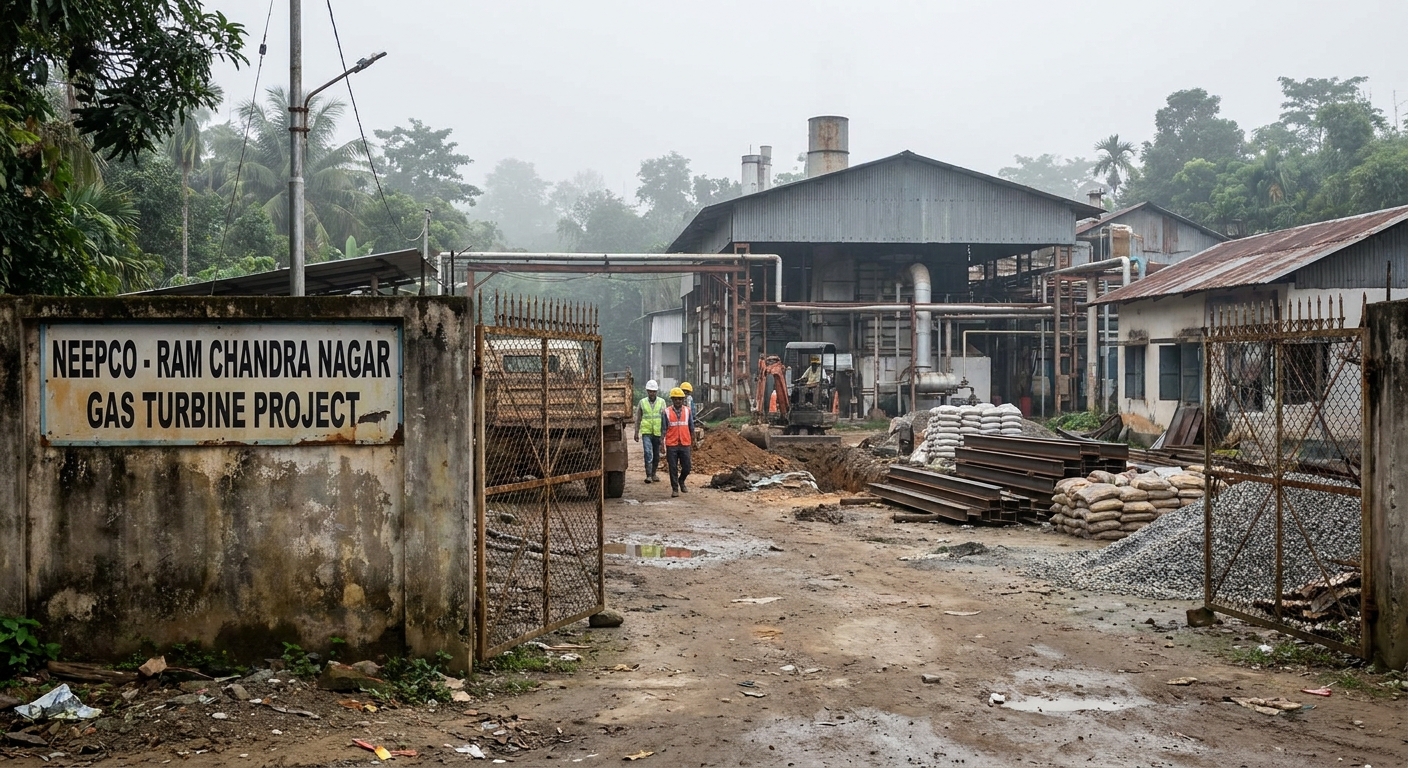
The Supreme Court's NEEPCO v Astra Construction ruling confirms a contractual interest bar can strip pre-reference interest from arbitral awards, turn
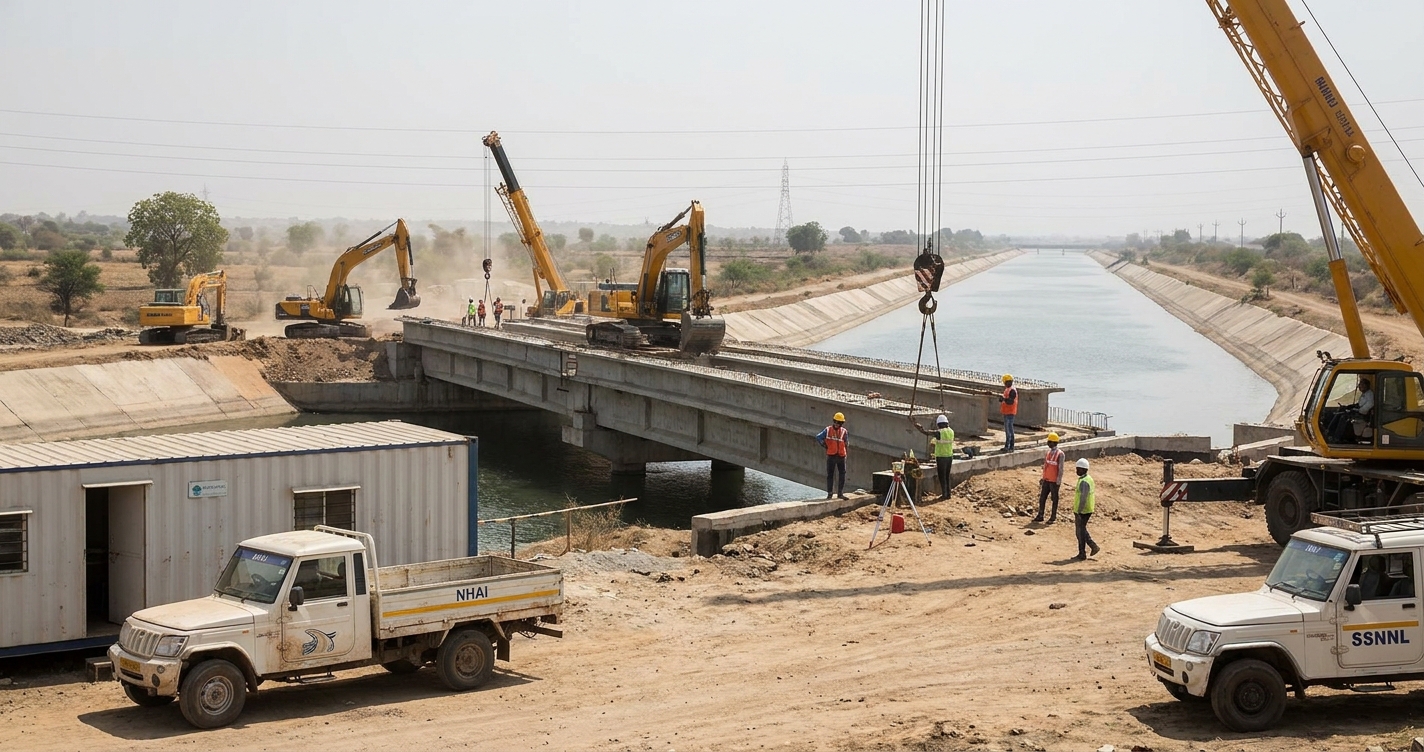
NHAI and Sardar Sarovar Narmada Nigam Limited have signed a time-bound framework for National Highway, canal and pipeline crossings in Gujarat, waivin
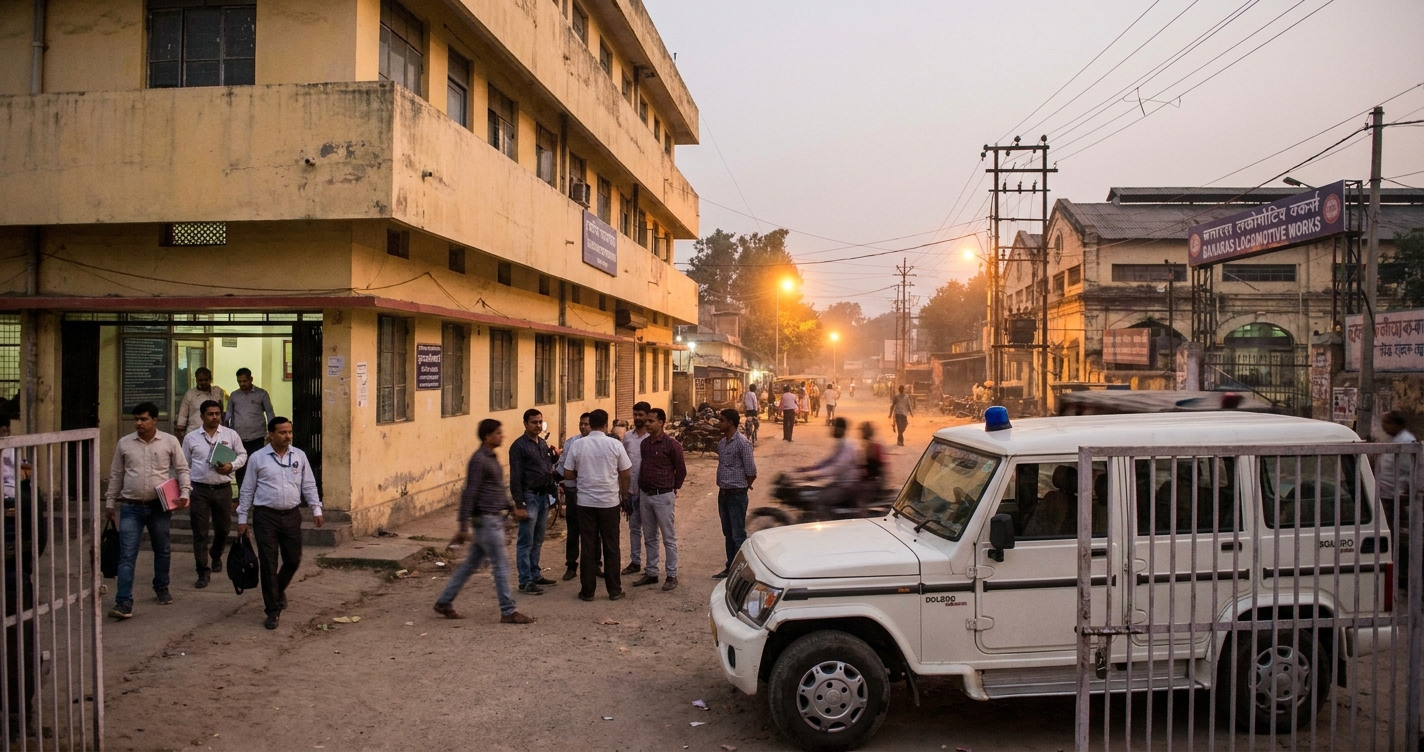
A four-day SIB operation near Banaras Locomotive Works has put ₹4.25 crore of GST evasion on record — and turned scrutiny on the composite civil-works


Powered by

© Tuskus 2025 - All Rights Reserved by Teamic Creative Lab Pvt. Ltd.
