IRB Infrastructure Developers has signed a share purchase agreement to shift Solapur Yedeshi Tollway and CG Tollway out of its GIC-backed private InvI


insghits
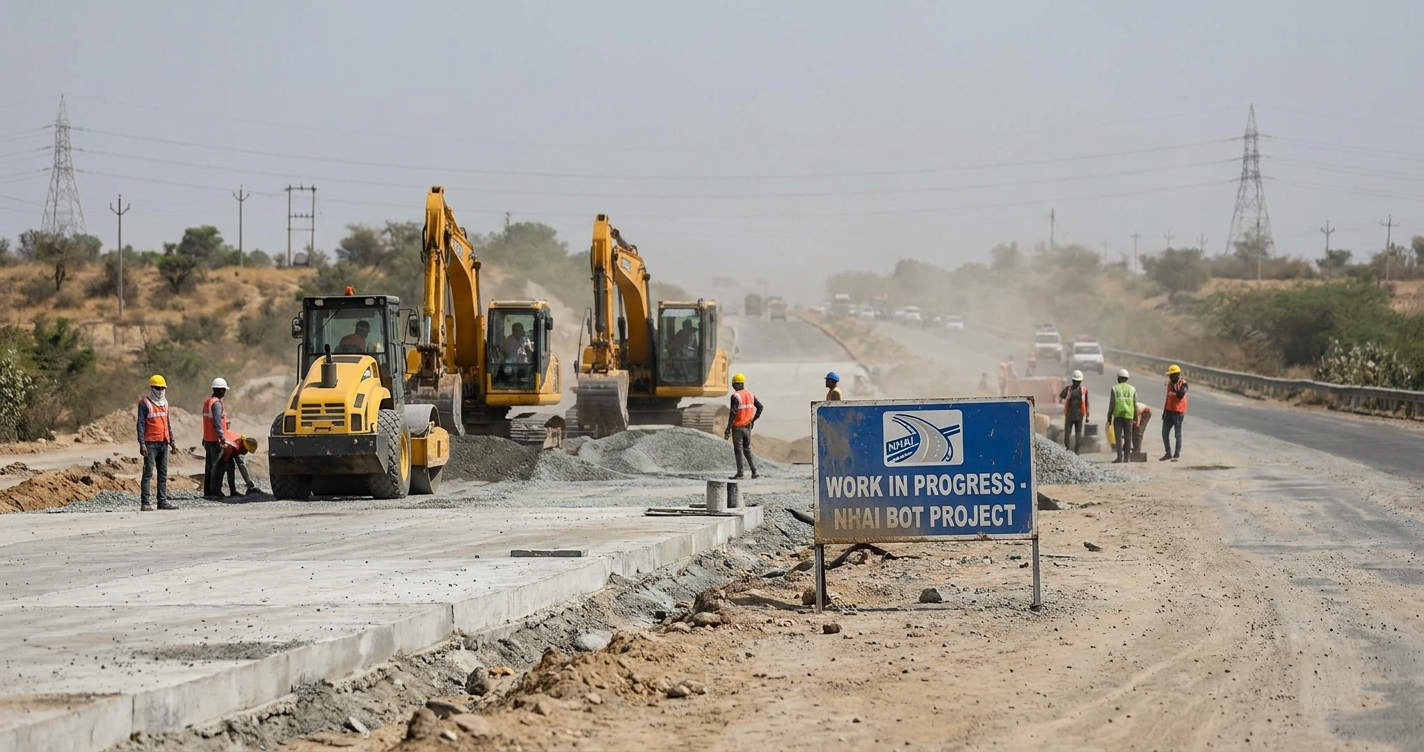
Thirty years after Rakesh Mohan’s 1996 India Infrastructure Report argued that private capital must rise from 5% to 44% of infrastructure investment, the National Highways Authority of India (NHAI) is rewriting the risk contract that made that leap possible.
The retrospectives are flattering:
- The Golden Quadrilateral
- Mundra as India’s first privately operated port
- DP World’s 1997 Nhava Sheva partnership
- The 2000 Model Concession Agreement
All trace back to liberalisation.
The live signal, however, sits at the end of that arc. Under Highways Minister Nitin Gadkari, the ministry has removed arbitration for build-operate-transfer projects above ₹10 crore, prompting contractors to threaten withdrawal.
That is deliberate risk-transfer from a government that spent years cleaning up the first PPP boom. Gadkari puts the banking-sector rescue above ₹3 trillion in non-performing assets — and now wants developers to carry demand, land and clearance risk again.
For listed contractors such as Dilip Buildcon and Ceigall India — whose promoters were quoted in the same narrative celebrating capital democratisation — the commercial arithmetic has changed.
Aggressive BOT bids collapsed under the Twin Balance Sheet problem after the global financial crisis, and greenfield private capital vanished. The recast MCA exercise launched after the pandemic is an attempt to revive BOT on terms that protect the state’s balance sheet first.
Capital, meanwhile, is migrating toward operational assets. DP World, Allcargo Group and foreign funds increasingly prefer stable, brownfield returns channelled through infrastructure investment trusts.
Ports show the pattern: India aims to move 85% of state-run port capacity to private operators by 2030, but that is asset monetisation, not greenfield risk-taking.
The delivery implication is structural. NHAI and the Ministry of Road Transport and Highways are unbundling construction risk from asset capital.
Contractors that priced BOT returns on the assumption of arbitration-backed claims must now reprice execution risk, working-capital cycles and dispute exposure. EPC and hybrid annuity models will look more like construction businesses, while InvITs absorb the patient capital.
Those who misread the shift will relive 2012.
Insights
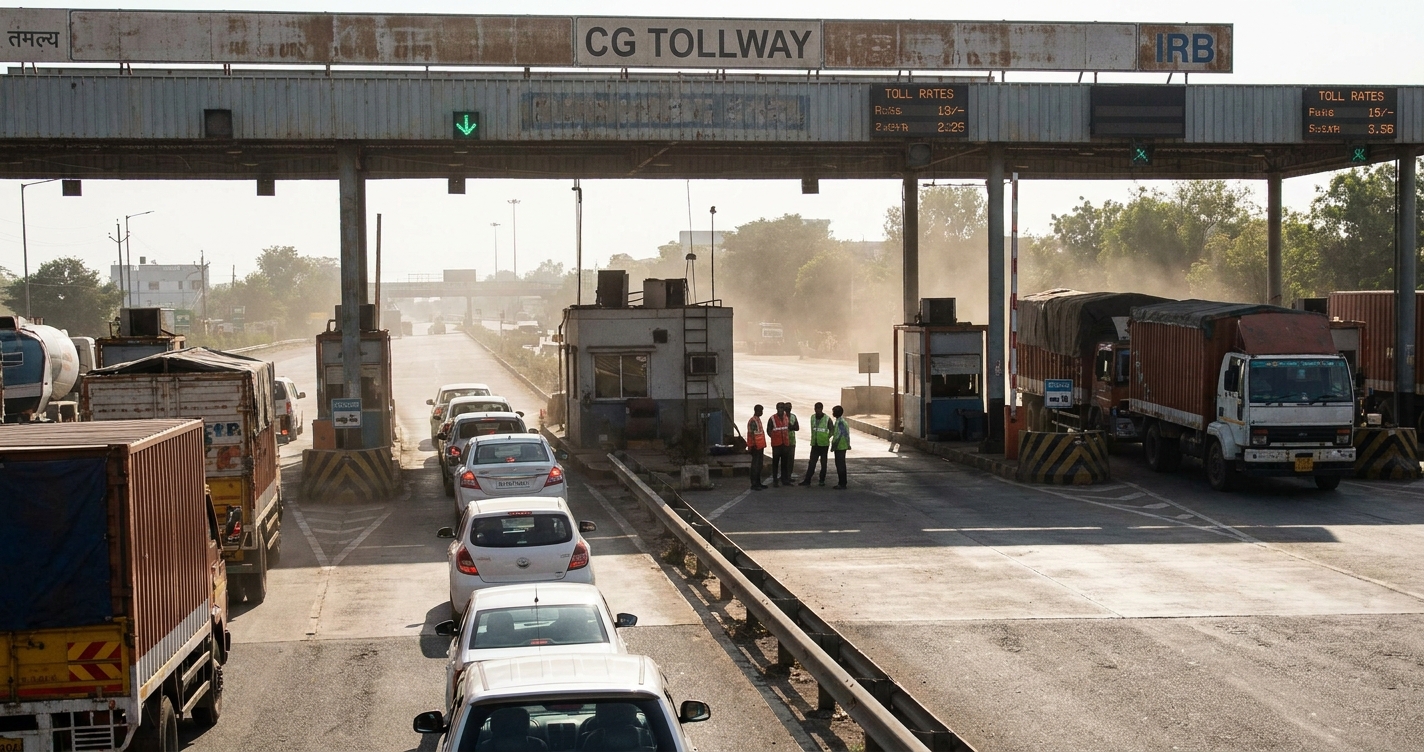
IRB Infrastructure Developers has signed a share purchase agreement to shift Solapur Yedeshi Tollway and CG Tollway out of its GIC-backed private InvI
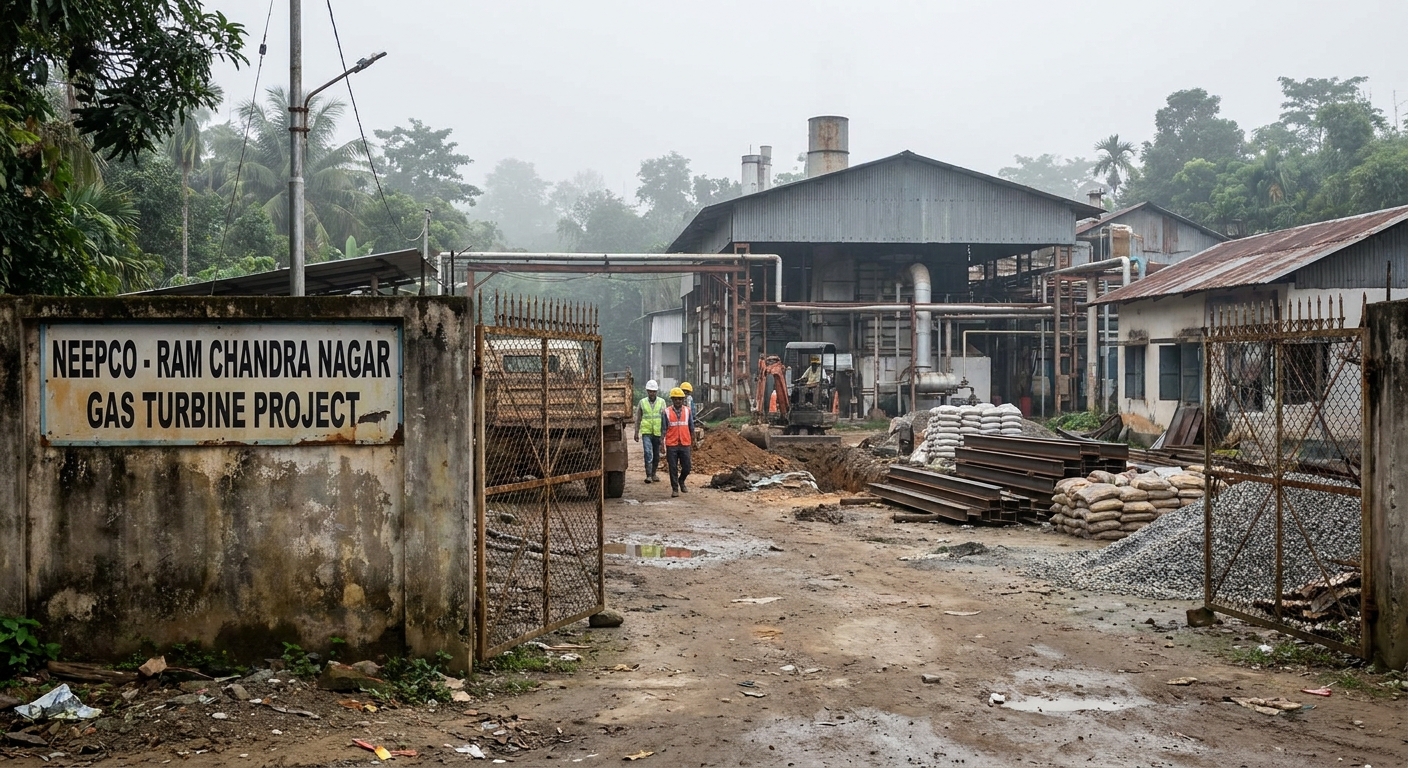
The Supreme Court's NEEPCO v Astra Construction ruling confirms a contractual interest bar can strip pre-reference interest from arbitral awards, turn
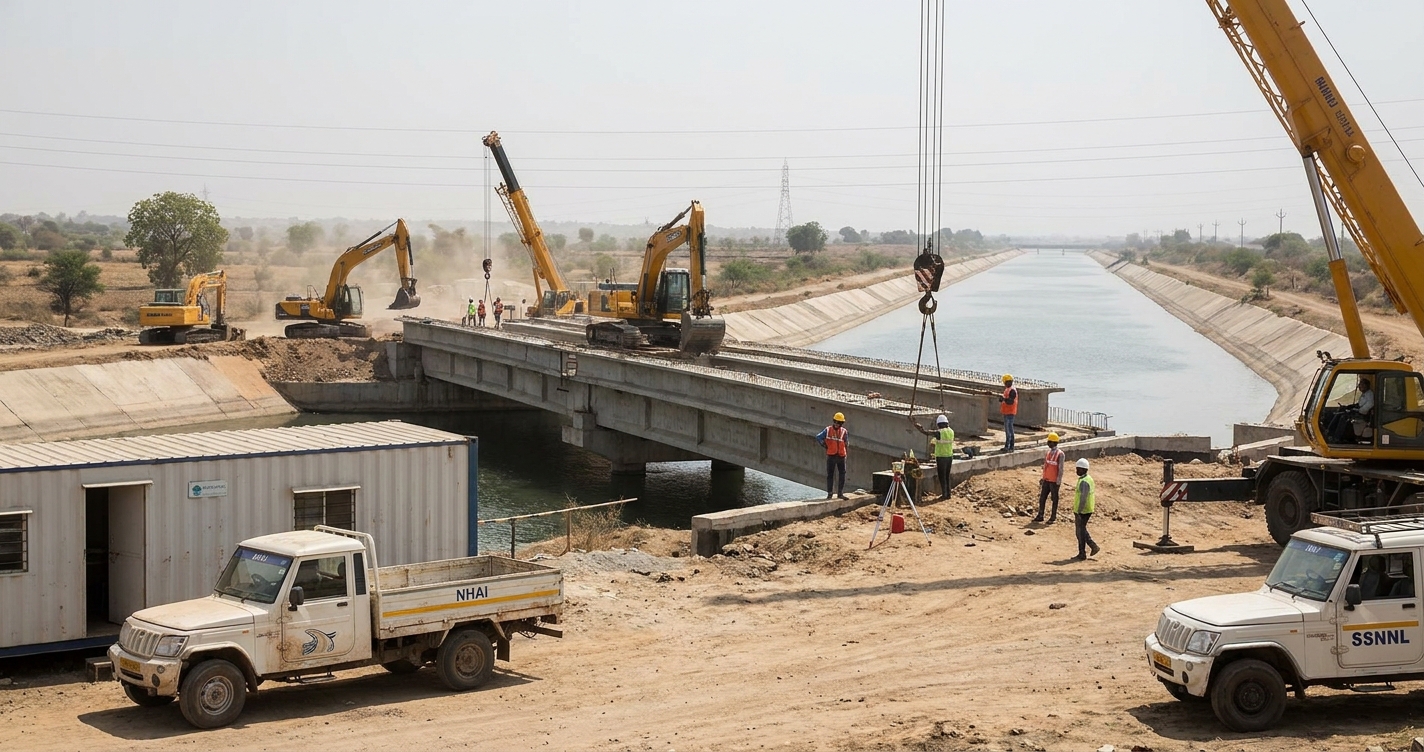
NHAI and Sardar Sarovar Narmada Nigam Limited have signed a time-bound framework for National Highway, canal and pipeline crossings in Gujarat, waivin


Powered by

© Tuskus 2025 - All Rights Reserved by Teamic Creative Lab Pvt. Ltd.
