IRB Infrastructure Developers has signed a share purchase agreement to shift Solapur Yedeshi Tollway and CG Tollway out of its GIC-backed private InvI


insghits
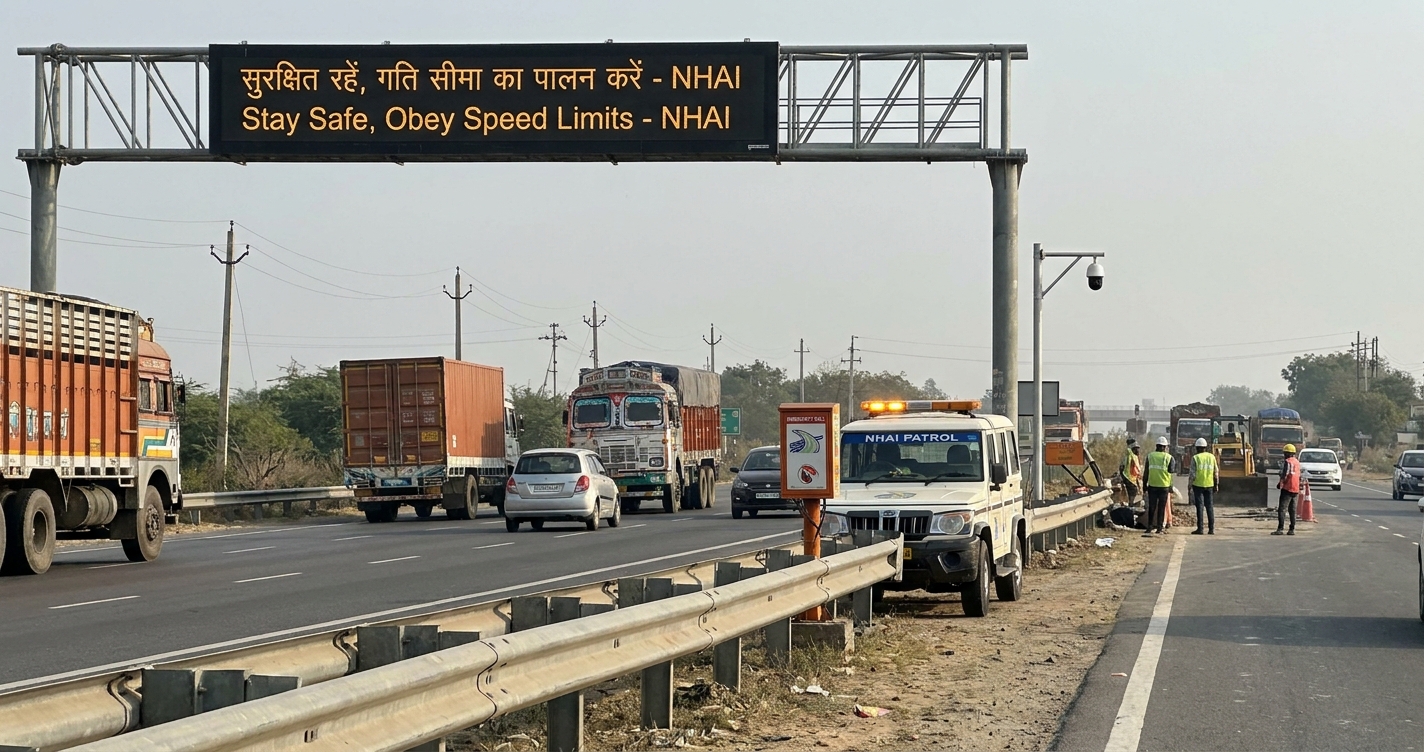
The National Highways Authority of India (NHAI) has indicated that road safety on National Highways is moving from corrective engineering to a governed, audited and contracted outcome.
In a joint review with the National Road Safety Board, NHAI tabled a six-part safe system framework spanning:
- Risk identification
- Highway engineering and operations
- Commercial vehicle safety
- Intelligent transport systems (ITS)
- Emergency response
- Digital monitoring and institutional accountability
The operational detail matters. NHAI's presentation did not stop at black spot rectification; it laid the groundwork for safety to be priced, monitored and enforced as a performance layer across the highway network.
For contractors, operators and technology vendors, the message is that safety compliance will increasingly sit inside contract terms rather than outside them.
Black spot management has historically been a retrofit line item. The safe system approach reframes it as a standing obligation: continuous risk identification, engineering intervention, operational discipline and post-incident response.
That creates recurring demand for road safety audits, crash barrier and signage packages, variable message systems, speed and incident detection, and emergency response coordination — categories that reward specialised suppliers over generalist civil contractors.
Existing highway operators — including TOT and HAM concessionaires and their O&M contractors — are the most exposed. If the framework is back-applied to live concessions, retrofitting safety standards becomes an unbudgeted compliance cost that pressures operating margins.
NHAI, as the dominant decision-maker and funder, will decide how much of that cost is absorbed through toll-linked obligations, milestone payments or fresh tenders.
The upside flows to ITS providers, digital monitoring and decision-support vendors, commercial vehicle telematics firms and emergency response service operators, who stand to capture a structural allocation shift as NHAI converts safety into a measurable, periodically reviewed programme.
The periodic review mechanism with the National Road Safety Board signals permanence, not a one-off consultation.
Road safety is being institutionalised as a governance KPI on National Highways — and governance KPIs eventually become procurement conditions.
The near-term execution question for the industry is whether NHAI funds this through dedicated safety packages or pushes compliance into existing concession and O&M agreements. That answer will determine margins, tender structures and which contractors win the next phase of highway work.
Insights
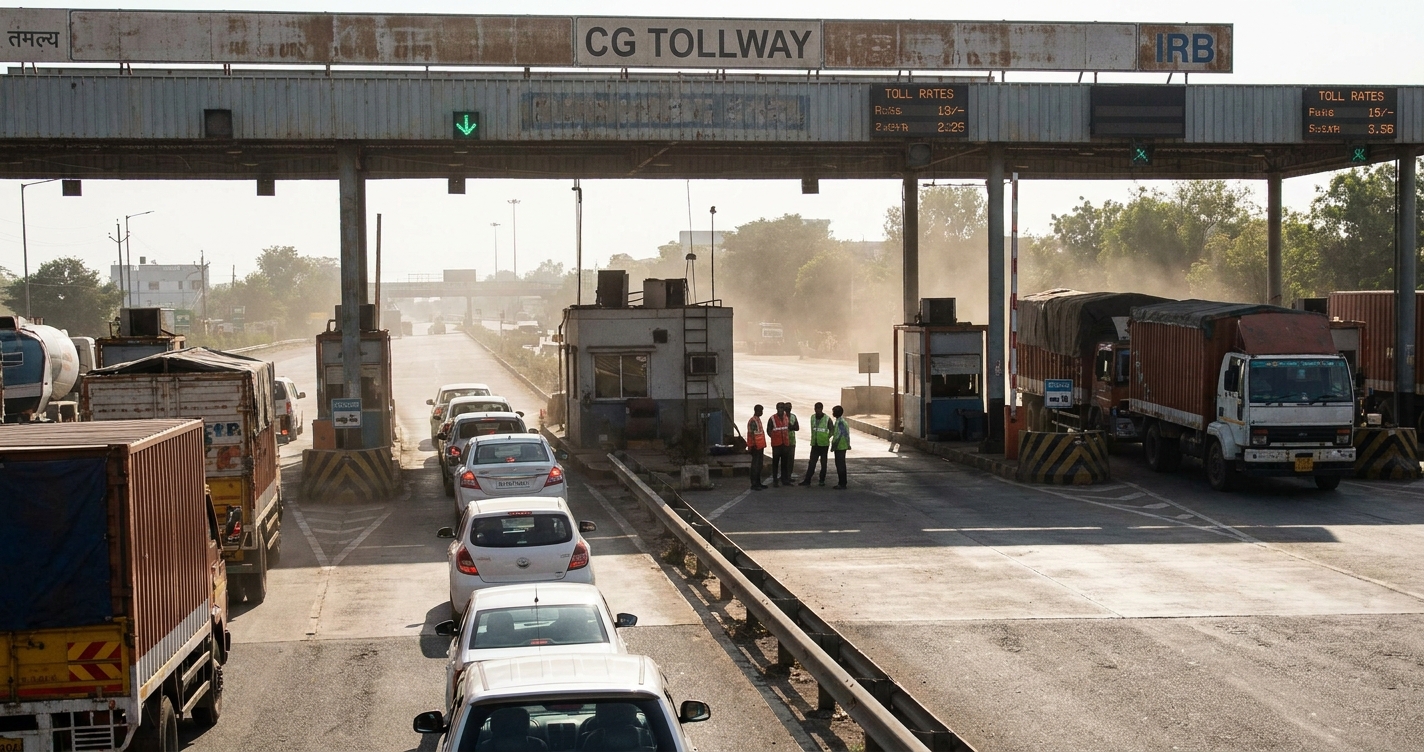
IRB Infrastructure Developers has signed a share purchase agreement to shift Solapur Yedeshi Tollway and CG Tollway out of its GIC-backed private InvI
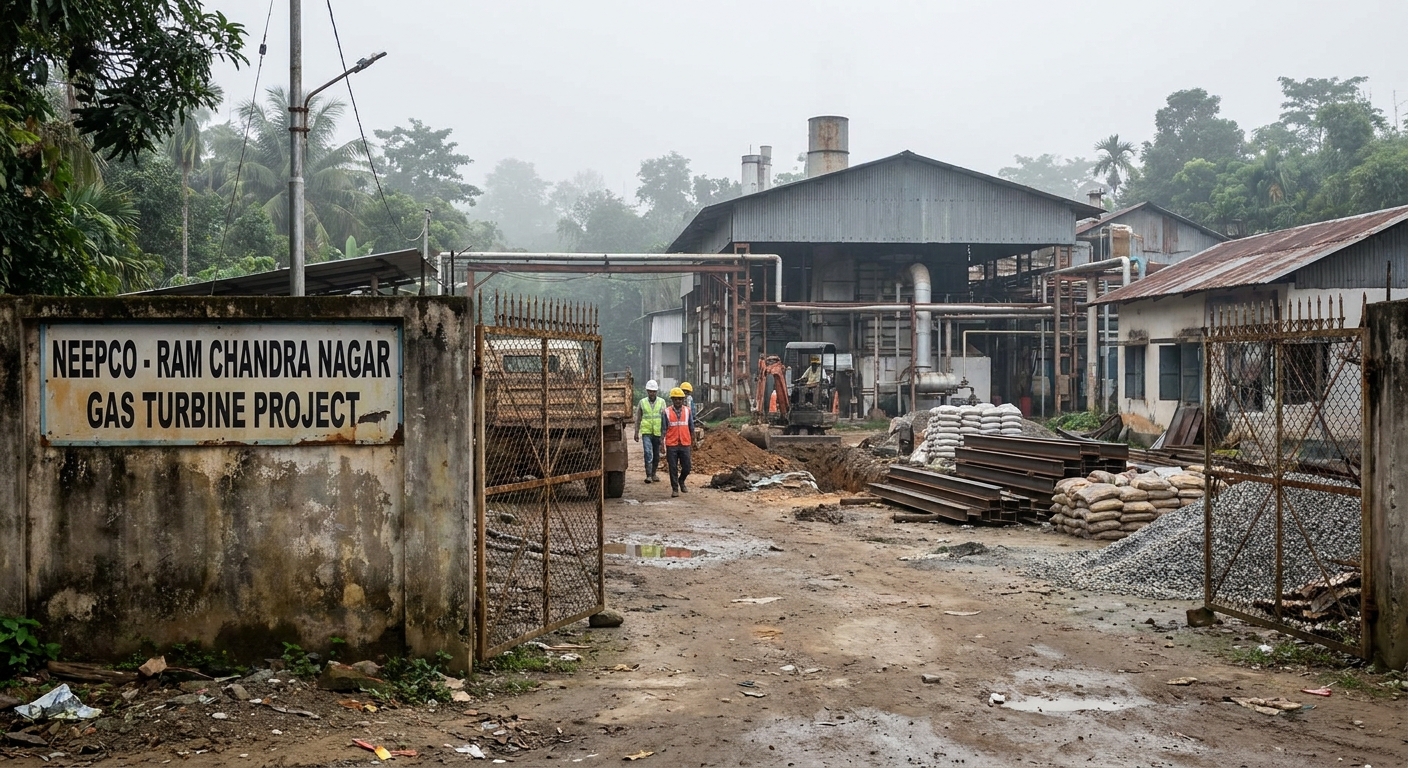
The Supreme Court's NEEPCO v Astra Construction ruling confirms a contractual interest bar can strip pre-reference interest from arbitral awards, turn
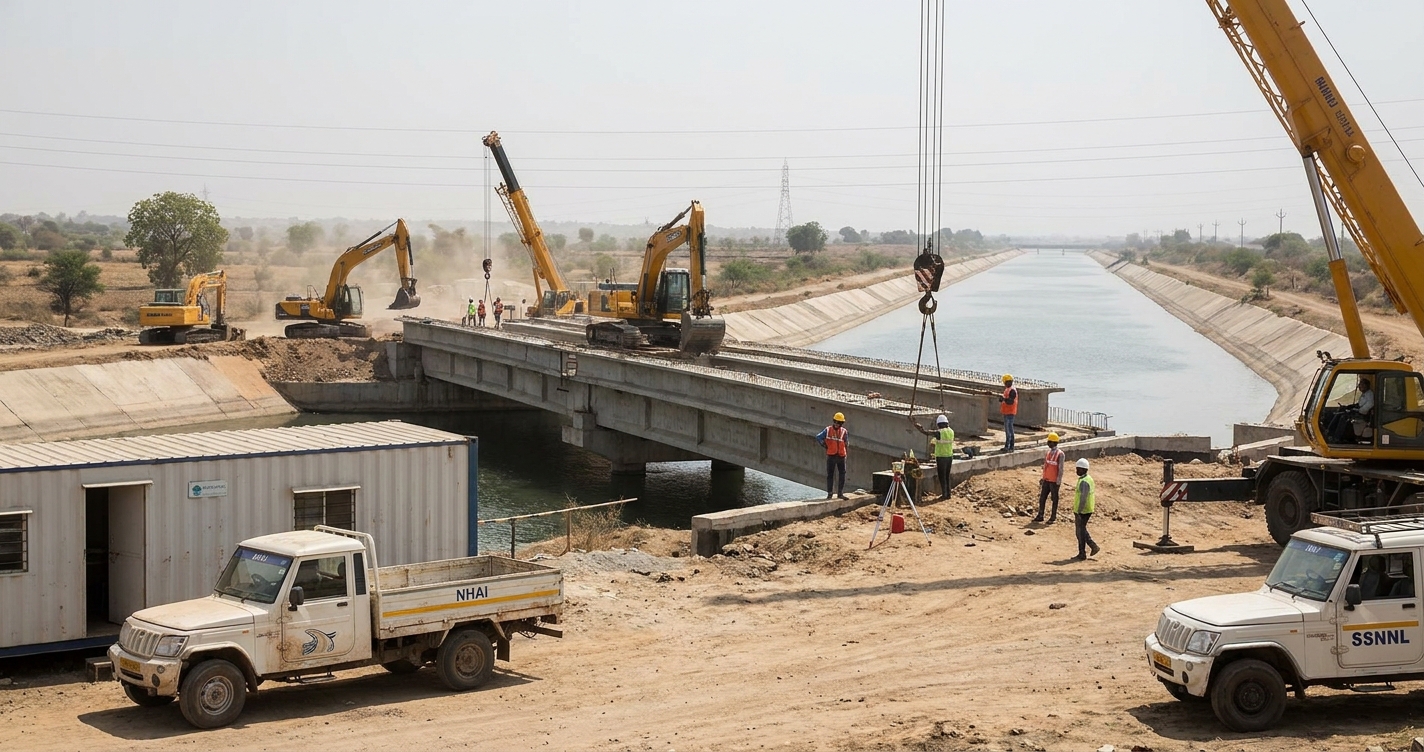
NHAI and Sardar Sarovar Narmada Nigam Limited have signed a time-bound framework for National Highway, canal and pipeline crossings in Gujarat, waivin


Powered by

© Tuskus 2025 - All Rights Reserved by Teamic Creative Lab Pvt. Ltd.
