Analysis of revenue impacts from the Indian Ports Act 2025.


insghits
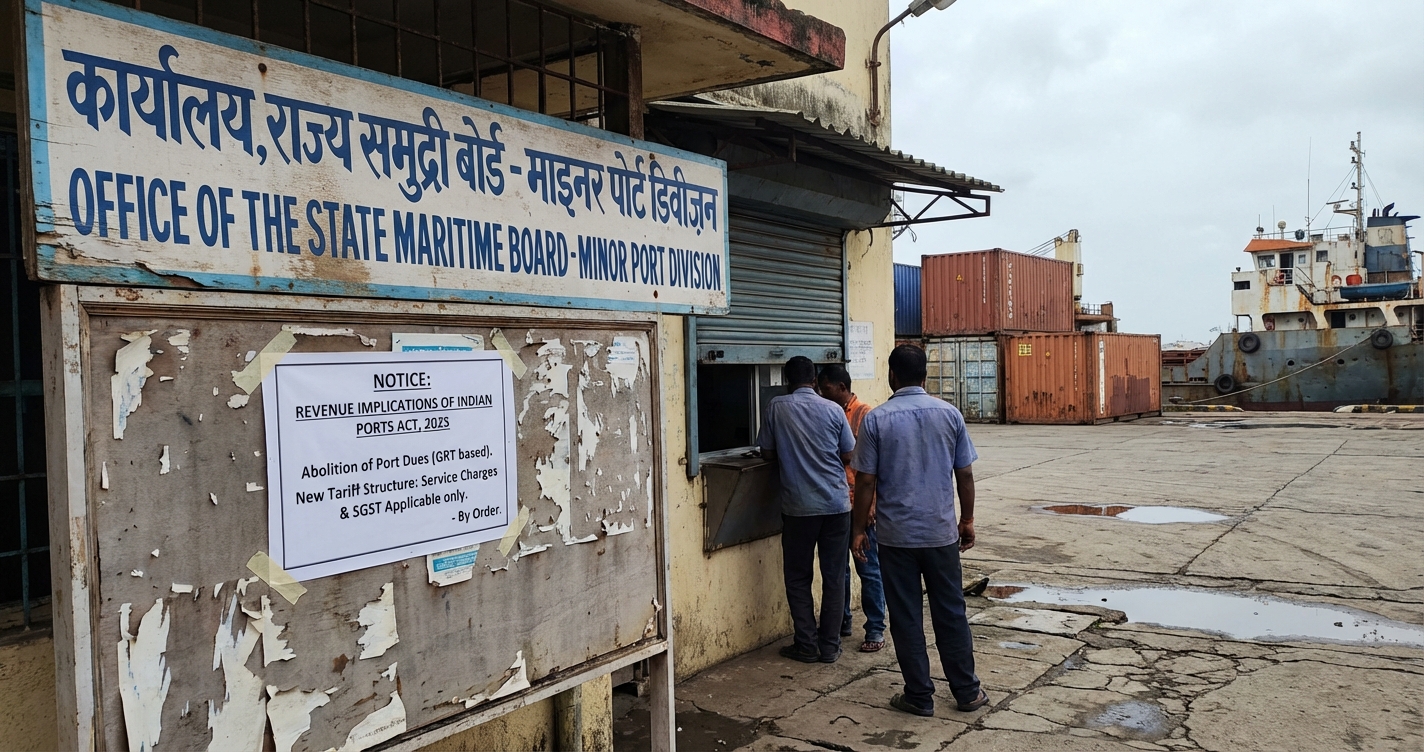
The recent passage of the Indian Ports Act, 2025 carries significant implications for the civil infrastructure landscape, especially for stakeholders involved in port operations and revenue management.
By omitting "port dues" from its scope, the new legislation disrupts established revenue streams for state governments. This change is particularly critical for non-major ports that depend heavily on these dues, which are traditionally calculated through Gross Registered Tonnage (GRT).
As a result, this shift is set to redefine financial forecasts and operational budgets across coastal states.
The 1908 Act established a clear framework, enabling states to collect revenue through statutory port dues. This framework provided:
In contrast, the new act replaces "port dues" with only "fees and other charges", which include:
This signals a profound alteration in port financing dynamics, as statutory revenues are sidelined.
With statutory revenues diminishing, the interface between state maritime boards and private entities faces increased risks due to reduced regulatory oversight.
The legislative shift puts greater pressure on state governments to adjust their financial strategies. States will now rely primarily on the State Goods and Services Tax (SGST) derived from other services offered at ports.
Key fiscal concerns include:
Significant attention is necessary regarding the planning and execution of Engineering, Procurement, and Construction (EPC) contracts, which may not have accounted for such fiscal limitations.
Stakeholders should prepare for:
The reduction in revenue avenues may lead states to intensify reliance on remaining regulatory channels, causing:
Vigilance is critical to prevent potential compromises in safety and quality during project execution.
This reshaping of port revenue frameworks necessitates careful stakeholder planning to navigate the evolving financial and operational landscape.
Insights

Analysis of revenue impacts from the Indian Ports Act 2025.
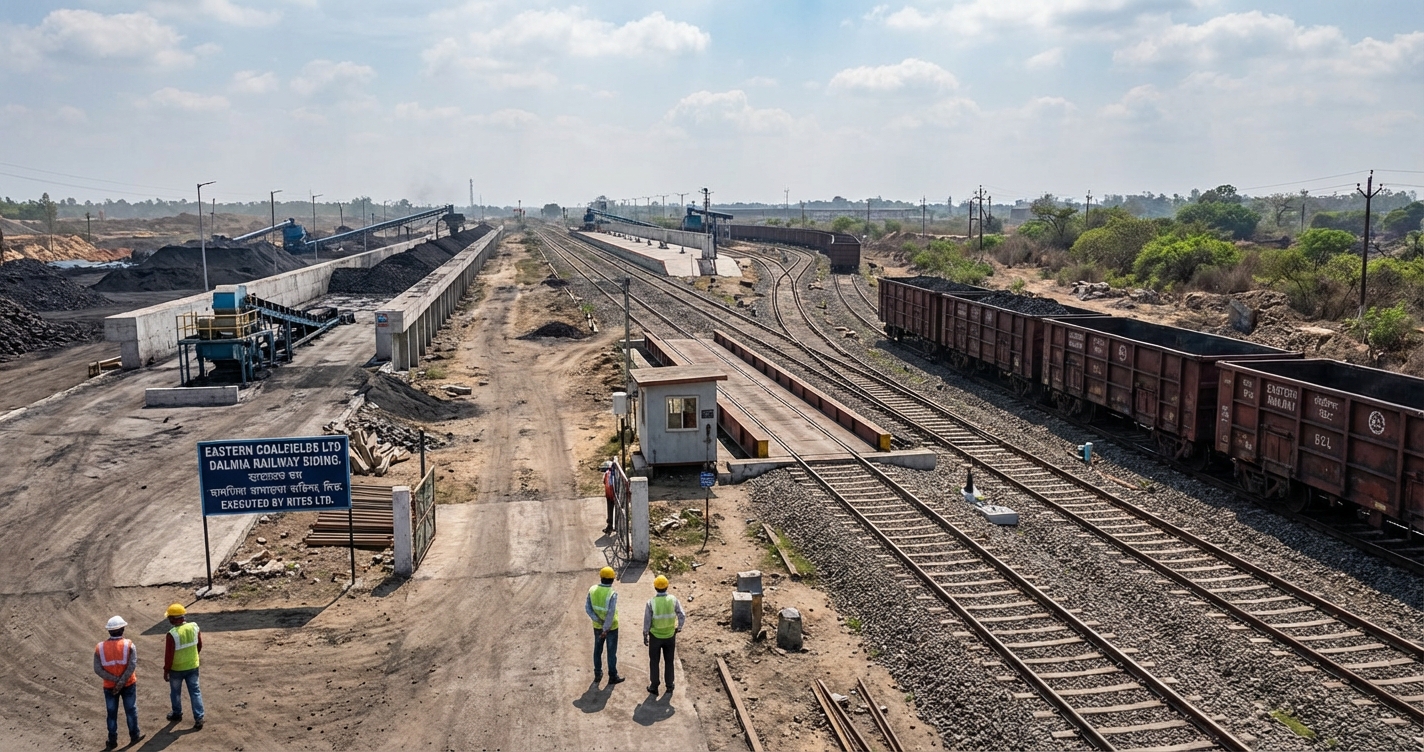
ECL's new railway siding enhances coal evacuation capabilities in West Bengal.

Analyzing the implications of proposed foot overbridges for infrastructure execution.


Powered by

© Tuskus 2025 - All Rights Reserved by Teamic Creative Lab Pvt. Ltd.
