RITES chairman Rahul Mithal discusses a ₹9,388 crore order book, a ₹10,000 crore target and export orders in Bangladesh and Mozambique.


insghits
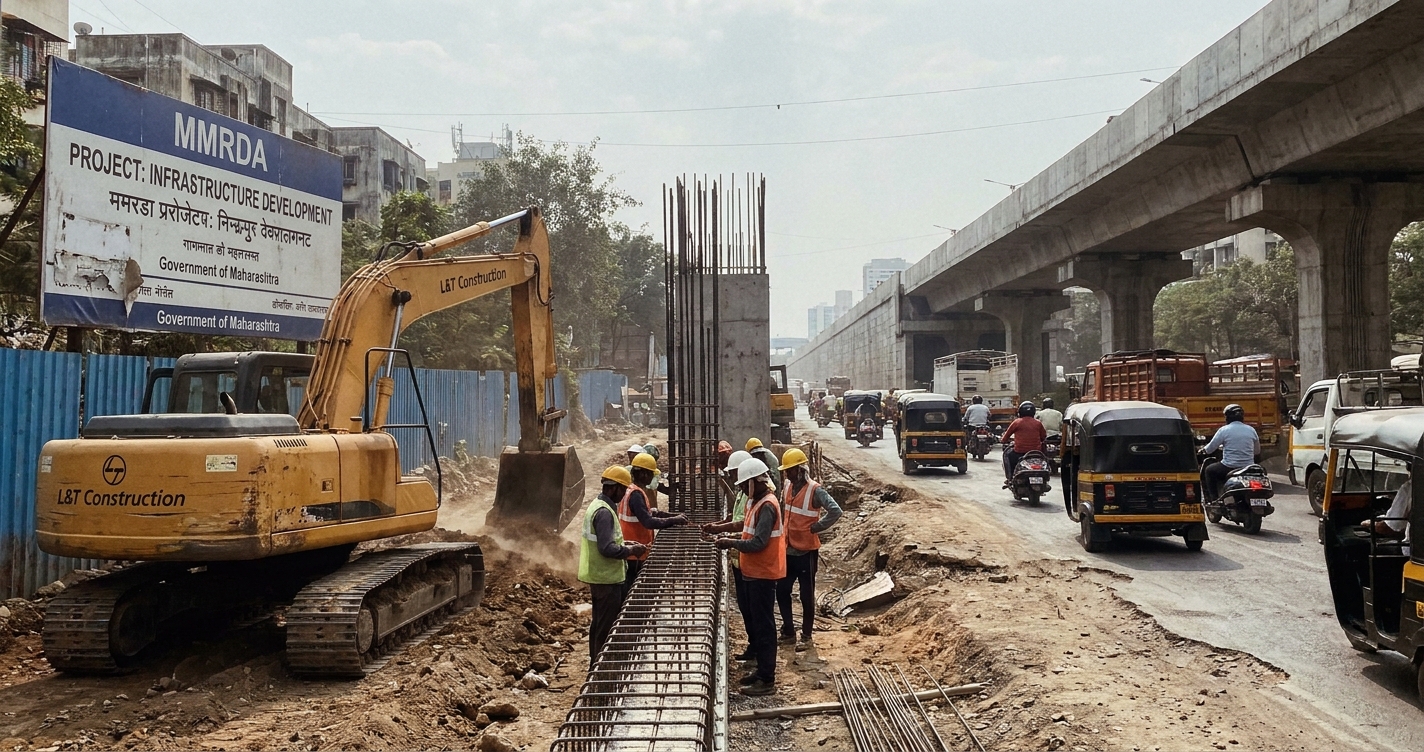
"Higher SASCI support gives states additional room to invest without drawing on their normal borrowing limits," Anuj Sethi, a senior director at Crisil Ratings, said on 6 November. The sentence does more work than the headline above it. States will spend about Rs 8.5 lakh crore of capital this fiscal, faster than last year's 8.6 per cent, and Crisil measures the result as 84 per cent of what they budgeted. That compares with 82 per cent last year and a five-year average of 85.
On those ratios, about Rs 1.6 lakh crore of the aggregate state capital budget goes unspent, again.
SASCI, or Special Assistance to States for Capital Investment, began in fiscal 2021 and lends for 50 years at no interest, outside the borrowing limits states normally work within. The allocation rose 33 per cent to Rs 2 lakh crore. A 50-year interest-free loan is capital spending a state does not have to defend at its own borrowing window. The sample is 18 states producing about 90 per cent of India's GSDP.
Crisil does not split the outlay between new assets and maintenance. Transport, roughly a quarter of the total, includes road maintenance and connectivity alongside new work, so the same Rs 8.5 lakh crore counts money that keeps an asset alive and money that adds one.
Capital outlay grew about 8.8 per cent on year in the first five months. SASCI disbursements reached roughly 25 per cent of the budgeted allocation by September 2026, largely through the untied component, with tied allocations released later in the year.
That leaves about Rs 1.5 lakh crore to move through treasury, tender, award, measurement and payment in five months. Untied money moves first because it needs no sanctioned project to attach to.
The sector mix concentrates the risk. Water supply, sanitation, housing and urban development are forecast to grow at a high double-digit rate. Transport, the largest segment, grows at a high single digit. Irrigation falls to low single digits on a high base and lower allocations by a few key states. Aggregate momentum therefore rests on city-level works — smaller tenders, more of them.
Crisil's list is short: timely fulfilment of SASCI-linked conditions, efficient release and utilisation of funds, and states willing to borrow as interest rates rise. Revenue receipts outpace revenue expenditure by about 75 basis points, which holds the absolute revenue deficit steady; a deficient monsoon or persistent inflation removes that margin.
The Centre has to release the tied SASCI allocations and clear the conditions attached to them. State finance departments have to borrow their matching share at rising rates and convert roughly Rs 1.5 lakh crore of a 50-year interest-free loan into billed, measured work by the end of March. Anuj Sethi's borrowers will not repay it. Their successors will.
Insights
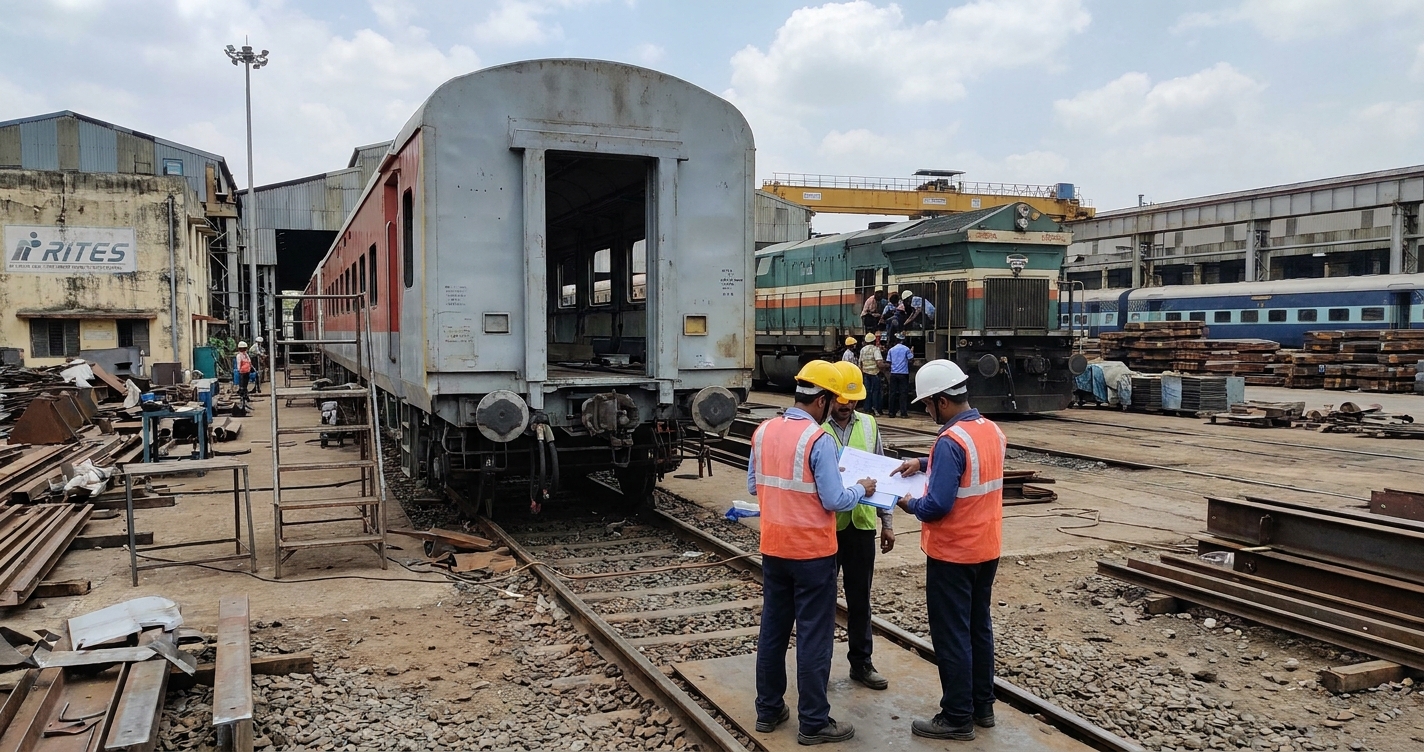
RITES chairman Rahul Mithal discusses a ₹9,388 crore order book, a ₹10,000 crore target and export orders in Bangladesh and Mozambique.
RITES chairman Rahul Mithal discusses a ₹9,388 crore order book, a ₹10,000 crore target and export orders in Bangladesh and Mozambique.
RITES chairman Rahul Mithal discusses a ₹9,388 crore order book, a ₹10,000 crore target and export orders in Bangladesh and Mozambique.


Powered by

© Tuskus 2025 - All Rights Reserved by Teamic Creative Lab Pvt. Ltd.
