IRB Infrastructure Developers has signed a share purchase agreement to shift Solapur Yedeshi Tollway and CG Tollway out of its GIC-backed private InvI


insghits
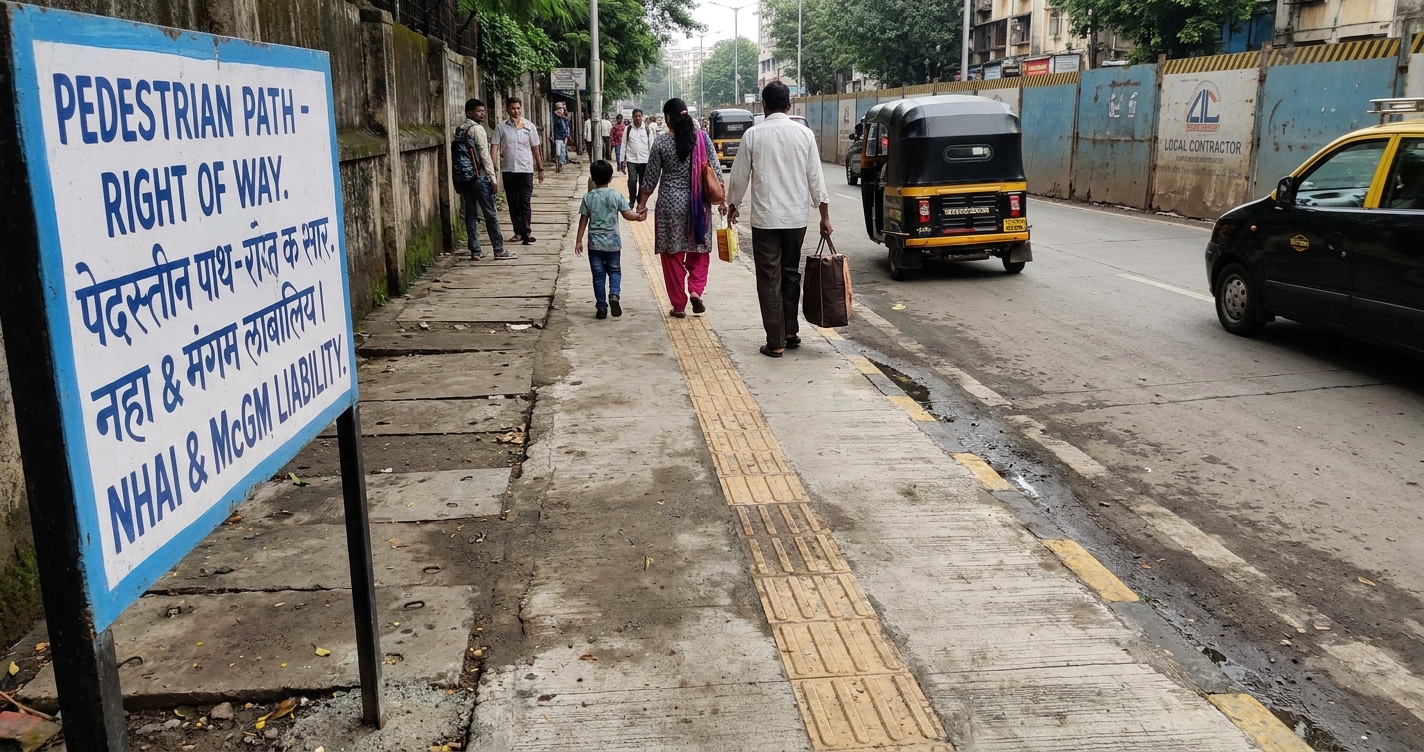
The Supreme Court has moved footpath demarcation from an urban-design afterthought into a justiciable, compensable infrastructure obligation.
On 24 August, a bench of Justices PS Narasimha and Alok Aradhe impleaded every state and Union Territory in a suo motu case and directed them to respond to advisories on encroachment-free pedestrian spaces.
Additional Solicitor General KM Nataraj told the court that roads remain a state subject and that the Ministry of Road Transport and Highways and the Ministry of Housing and Urban Affairs have issued advisories to states, UTs and the National Highways Authority of India.
The legal position is settled. In June, the court held that walking on a demarcated footpath is a fundamental right under Article 19(1)(d) and Article 21, with priority over motorised vehicles.
Violation entitles citizens to constitutional remedies, including restitution and compensation, independent of the Motor Vehicles Act, 1988.
The trigger was a motor accident compensation case in which a father lost his five-year-old son on the way to school.
For road-owning agencies and their delivery chains, this converts a weak design guideline into hard scope and liability.
State public works departments, municipal corporations and NHAI now carry the execution obligation. EPC contractors and concessionaires face latent DPR risk: any contract that omits demarcated pedestrian space can attract variation orders, retrofit instructions or writ petitions demanding compliance.
The exposure is uneven.
NHAI's greenfield and access-controlled corridors will need pedestrian crossings, underpasses and service-road walking zones, adding to budgets and shifting design assumptions.
Urban local bodies, often running thin capital budgets, inherit an unfunded mandate where encroachment removal is legally compelled but politically difficult.
Standards already exist under IRC:103-2012, but enforcement was inconsistent; the court has now attached remedies to that gap.
Because roads are constitutionally a state subject, the Centre can only advise. That fragmentation is the real signal: compliance will vary sharply by state and municipal capacity, creating a patchwork of retrofit demand rather than one uniform programme.
Near-term winners include:
- Design consultants revising DPRs
- Pedestrian infrastructure suppliers
- Kerb and tactile paving contractors
- Road safety auditors
Exposure sits with road owners facing expanded accident litigation and with contractors holding fixed-price scopes that under-specified walking infrastructure.
The ruling does not announce a single funded project. It creates a compliance-driven capital line and a new litigation channel that will reshape scope, cost and risk allocation across active and upcoming road contracts.
Insights
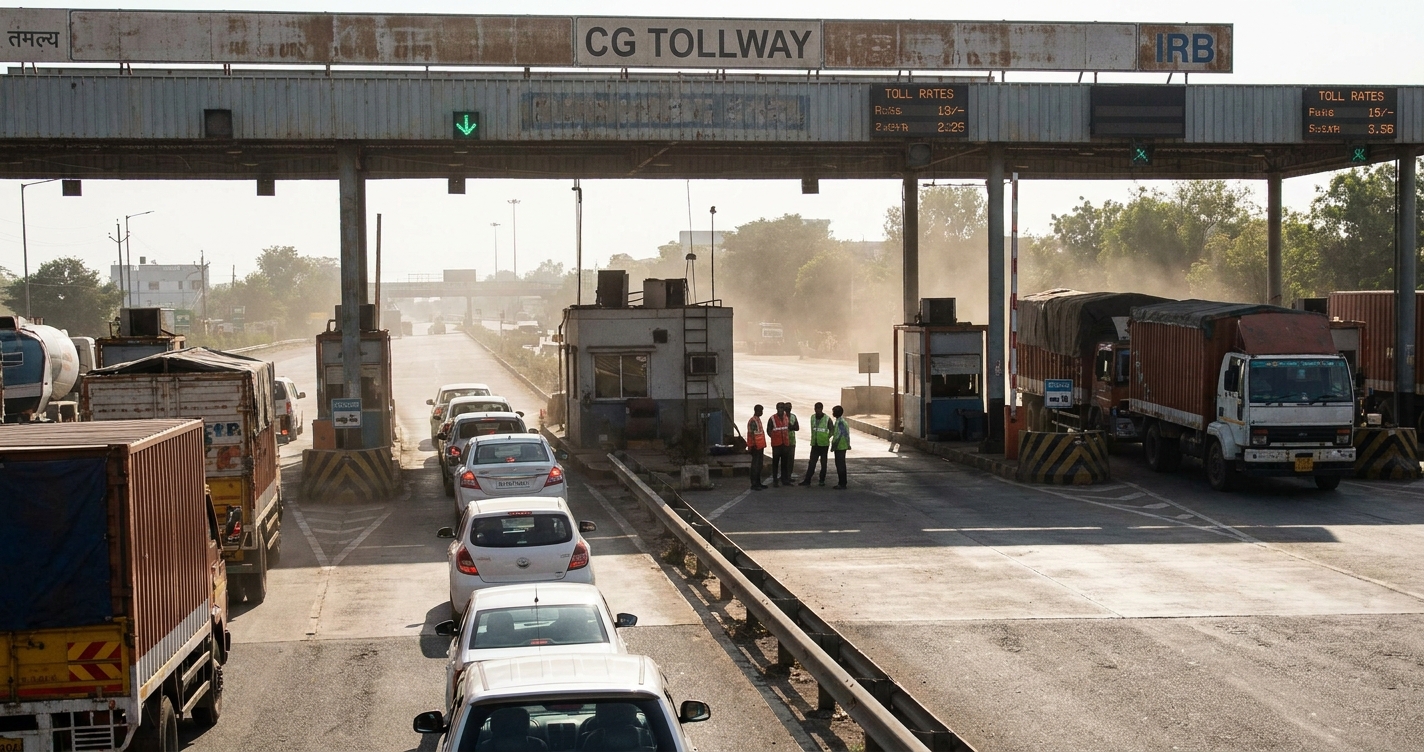
IRB Infrastructure Developers has signed a share purchase agreement to shift Solapur Yedeshi Tollway and CG Tollway out of its GIC-backed private InvI
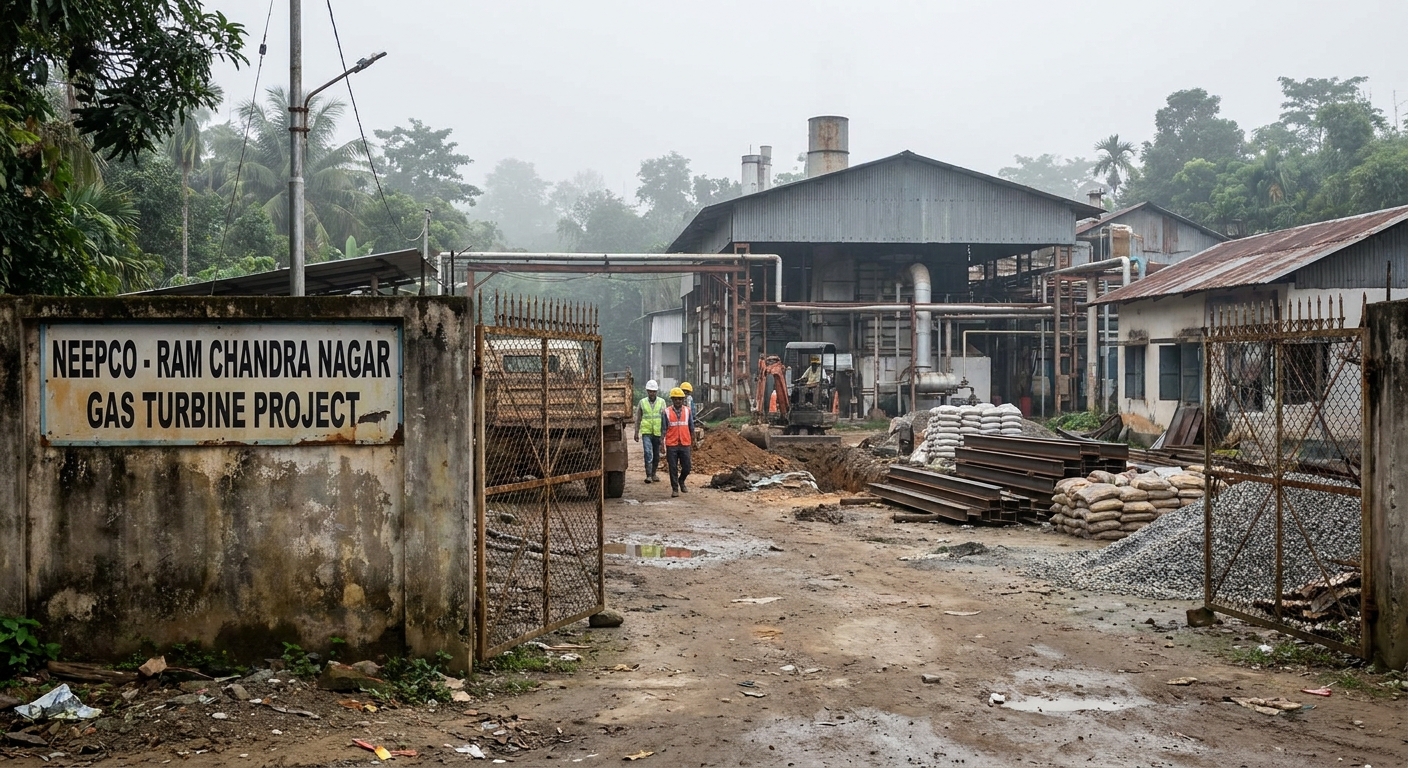
The Supreme Court's NEEPCO v Astra Construction ruling confirms a contractual interest bar can strip pre-reference interest from arbitral awards, turn
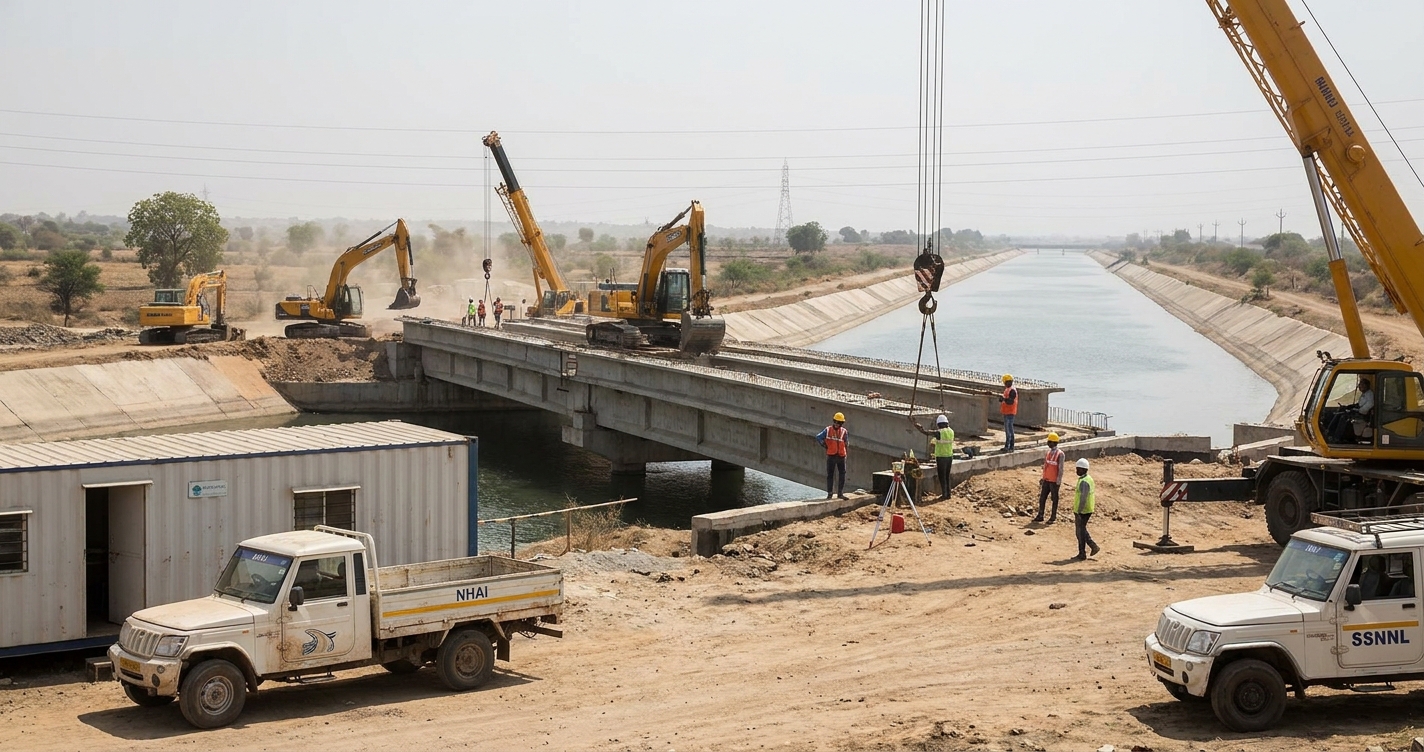
NHAI and Sardar Sarovar Narmada Nigam Limited have signed a time-bound framework for National Highway, canal and pipeline crossings in Gujarat, waivin


Powered by

© Tuskus 2025 - All Rights Reserved by Teamic Creative Lab Pvt. Ltd.
