The NH-244 approval transforms Jammu & Kashmir's connectivity paradigm by adding vital all-weather routes that promise economic and strategic benefits


insghits

Recent Supreme Court directives signal a transformative shift in highway safety management across India. Recognizing the disproportionate fatality rates on national highways, the court's intervention mandates the removal of unauthorized structures like dhabas and the implementation of structured parking and lay-bye facilities.
This initiative highlights the Supreme Court’s strategic push to eliminate infrastructural hazards that contribute to road fatalities. The mandate includes setting up emergency response mechanisms and truck lay-bye facilities at 75 km intervals along national highways.
The suo motu action followed grave incidents in Phalodi, Rajasthan, and Rangareddy, Telangana, resulting in 34 fatalities. These accidents underscored the pressing need for structured highway safety protocols.
Key stakeholders include:
The directive places joint responsibility on District Collectors and police heads for compliance.
The legal framing necessitates a strategic response from infrastructure developers and state authorities to adapt to the new safety regimen. Contractors and suppliers will need to align with new protocols, potentially increasing the scope for public-private partnerships in addressing the infrastructural gaps.
The transition requires significant inter-agency coordination and sustained funding to ensure compliance within the designated timelines. Key operational focal points include:
The Supreme Court’s directives are set to become a benchmark for safety standards, pushing for structured compliance and innovation in road safety management. The decision also opens avenues for tech-driven solutions in monitoring and managing highway networks.
This landmark judgment by the Supreme Court not only addresses immediate safety concerns but also lays the foundation for a systematic overhaul of highway management.
As the involved stakeholders mobilize to meet compliance, the emphasis on proactive policy execution will be critical in setting new industry standards. The move underscores a pivotal moment in aligning infrastructure safety with constitutional mandates.
Insights
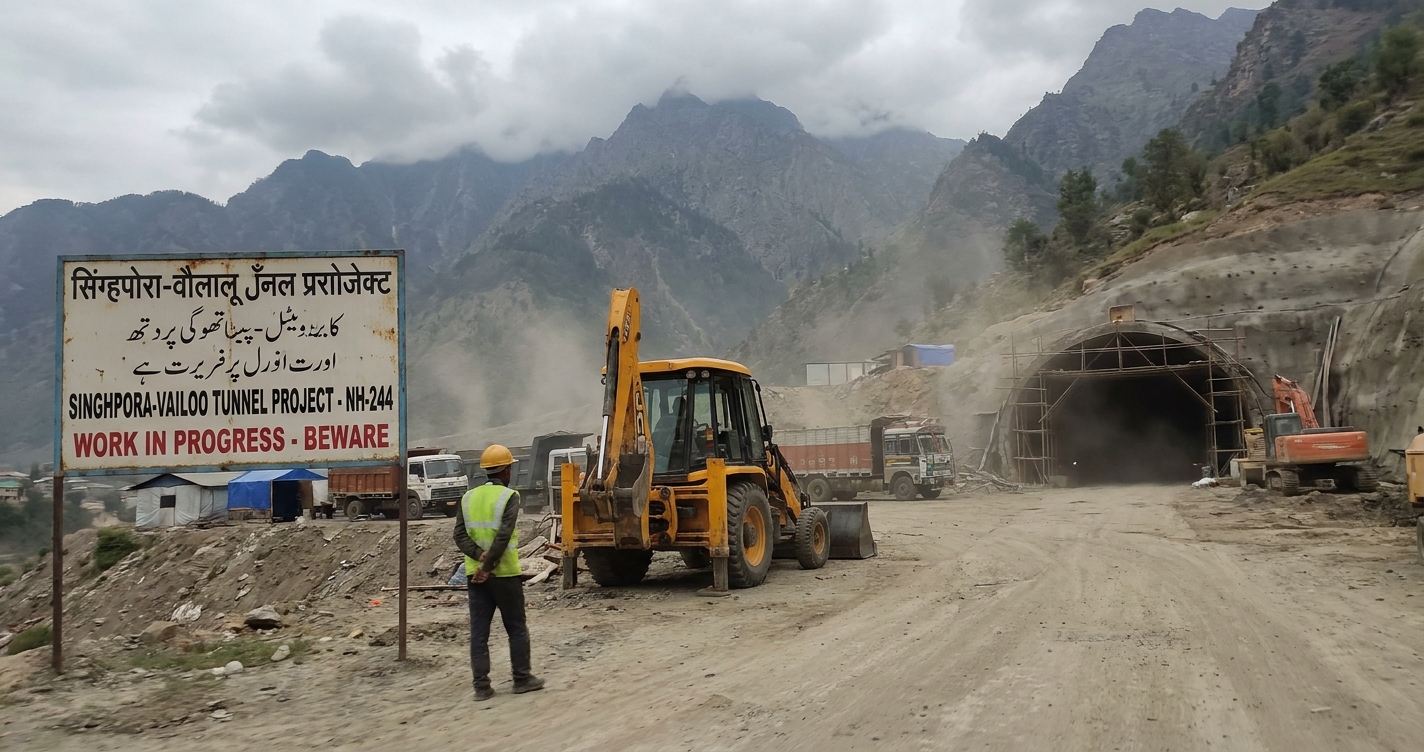
The NH-244 approval transforms Jammu & Kashmir's connectivity paradigm by adding vital all-weather routes that promise economic and strategic benefits
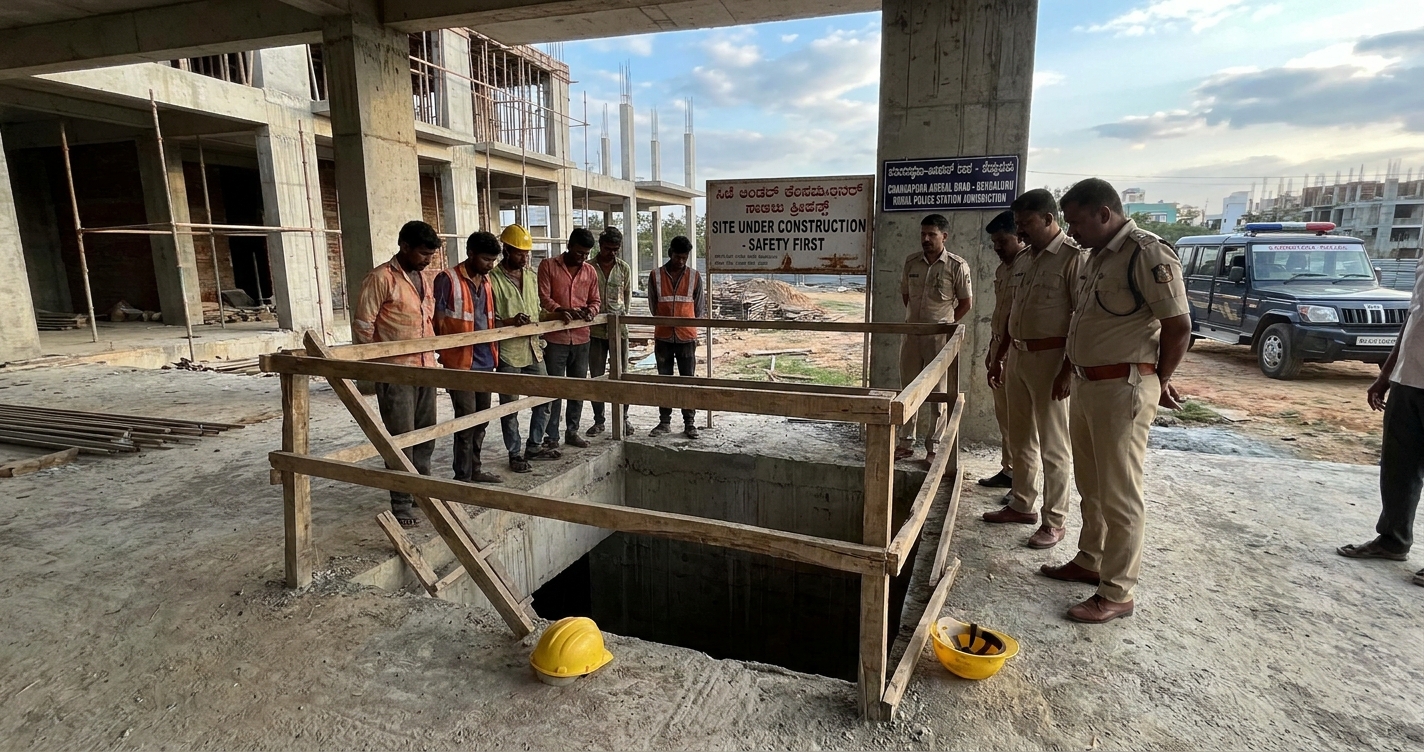
A Bengaluru construction site witnessed a tragic incident where an electrician fell 35 feet into a lift shaft. This case raises critical questions abo

On April 16, 2026, Biju Patnaik International Airport in Bhubaneswar, Odisha, took a significant stride forward with the operationalisation of a paral


Powered by

© Tuskus 2025 - All Rights Reserved by Teamic Creative Lab Pvt. Ltd.
