IRB Infrastructure Developers has signed a share purchase agreement to shift Solapur Yedeshi Tollway and CG Tollway out of its GIC-backed private InvI


insghits
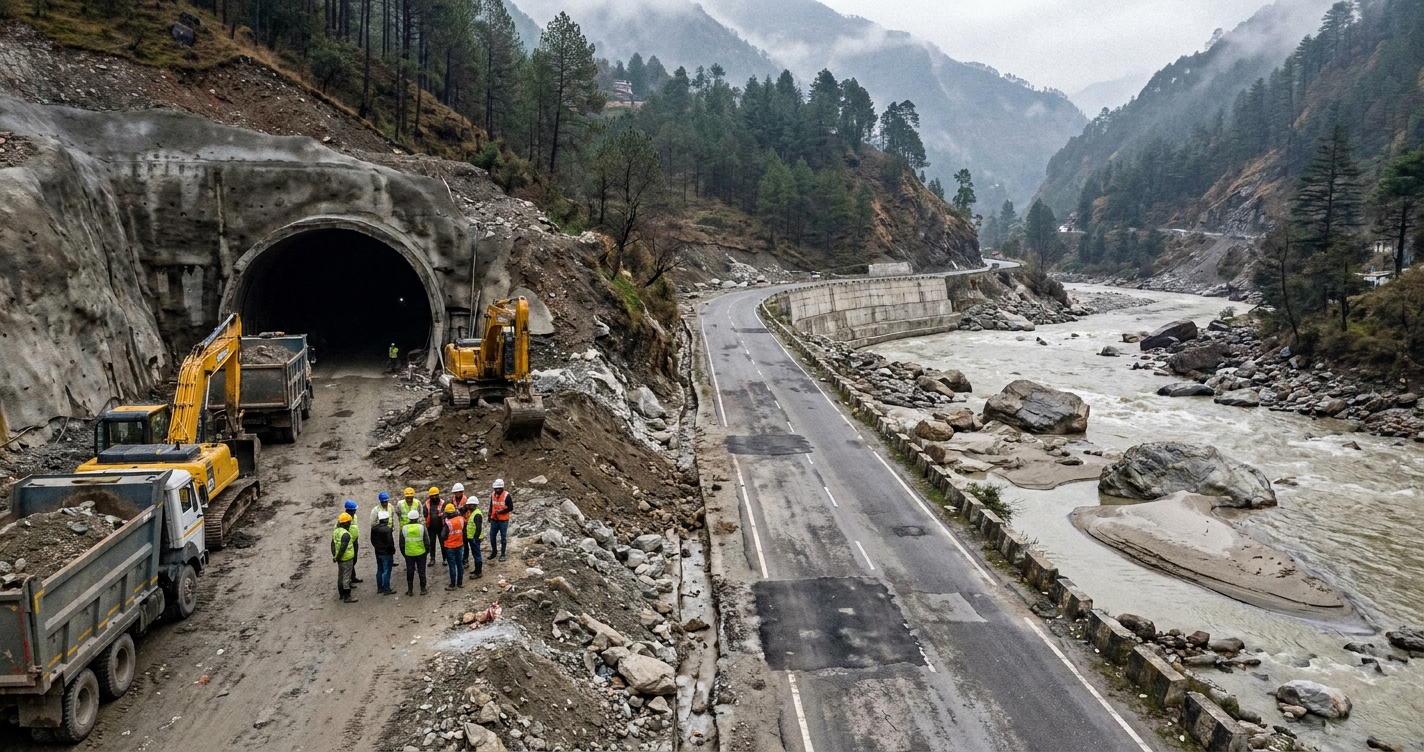
Satpal Maharaj, Uttarakhand's Cabinet Minister for Irrigation, Public Works, Rural Works and Tourism, has put a dual-use infrastructure proposition before Union Minister Nitin Gadkari that could redefine how Himalayan railway safety assets are engineered and how road corridors are scoped.
The trigger was a New Delhi meeting convened by the Ministry of Road Transport and Highways (MoRTH), the Ministry of Environment, Forest and Climate Change and the Ministry of Jal Shakti to build a joint dredging and flood-protection action plan for the Beas, Ravi, Bhagirathi, Alaknanda and Teesta rivers.
Maharaj used that flood-management agenda to table three corridor-specific asks.
- First, he proposed that escape tunnels on the Tanakpur–Bageshwar, Bageshwar–Karnaprayag and Rishikesh–Uttarkashi rail projects be designed jointly by Indian Railways and MoRTH to carry at least two-lane motor-vehicle traffic.
- Second, he flagged that a 200-metre embankment at Harsil protects NH 34 from an artificial lake and that roughly 600 metres of the highway should be raised by 1.0–1.5 metres.
- Third, he pressed for the Tilwara–Mayali–Guptkashi Motor Road to be developed as a two-lane super highway.
The first proposal is not a routine safety add-on. It converts single-purpose evacuation infrastructure into multi-modal road connectivity — widening design scope, clearance requirements, ventilation logic and cost-sharing obligations for future EPC packages.
The execution signal sits in the convergence of river morphology and road geometry. The near-100 km stretch between Uttarkashi and Gangotri lies in an environmentally sensitive zone where boulder-and-sand accumulation raises riverbeds and creates ponding — a direct threat to formation levels.
Maharaj's elevation proposals treat dredging science as a design input, not an environmental afterthought.
For contractors and design consultants, the implications are material. Dual-use tunnel specifications change clearances, pavement systems, evacuation design and the approval interface between Indian Railways and MoRTH — coordination that has historically delayed Himalayan corridors.
Bidders assuming conventional rail-tunnel scope will misprice the interface risk.
The beneficiaries are hill-road EPC players, tunnel-lining and precast suppliers positioned for Uttarakhand's corridor pipeline. The exposure falls on agencies that price single-purpose tunnels and on owners managing split authority between two ministries.
Flood-protection policy is becoming a procurement driver for highway elevation and realignment, while railway safety assets are being reimagined as shared road infrastructure.
That is a structural shift in how fragile-terrain corridors will be scoped, funded and delivered.
Insights
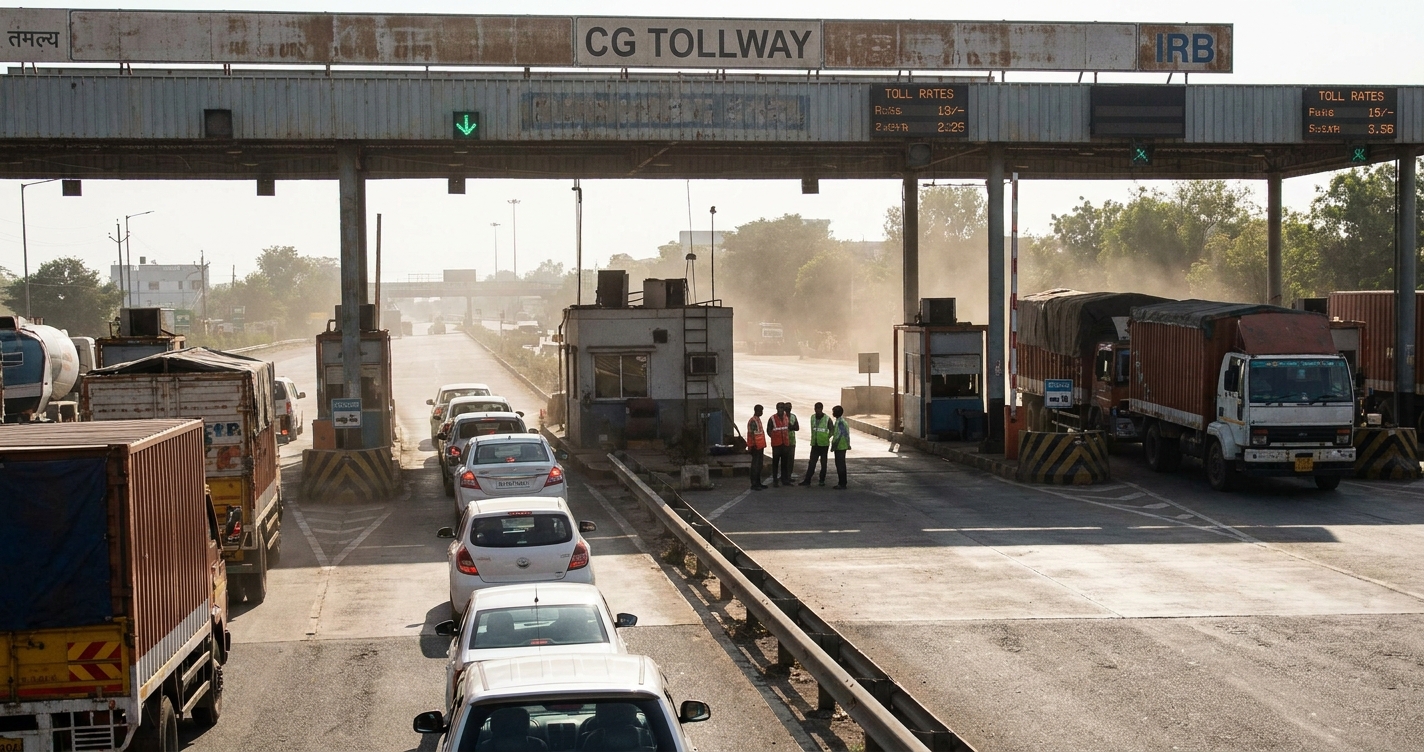
IRB Infrastructure Developers has signed a share purchase agreement to shift Solapur Yedeshi Tollway and CG Tollway out of its GIC-backed private InvI
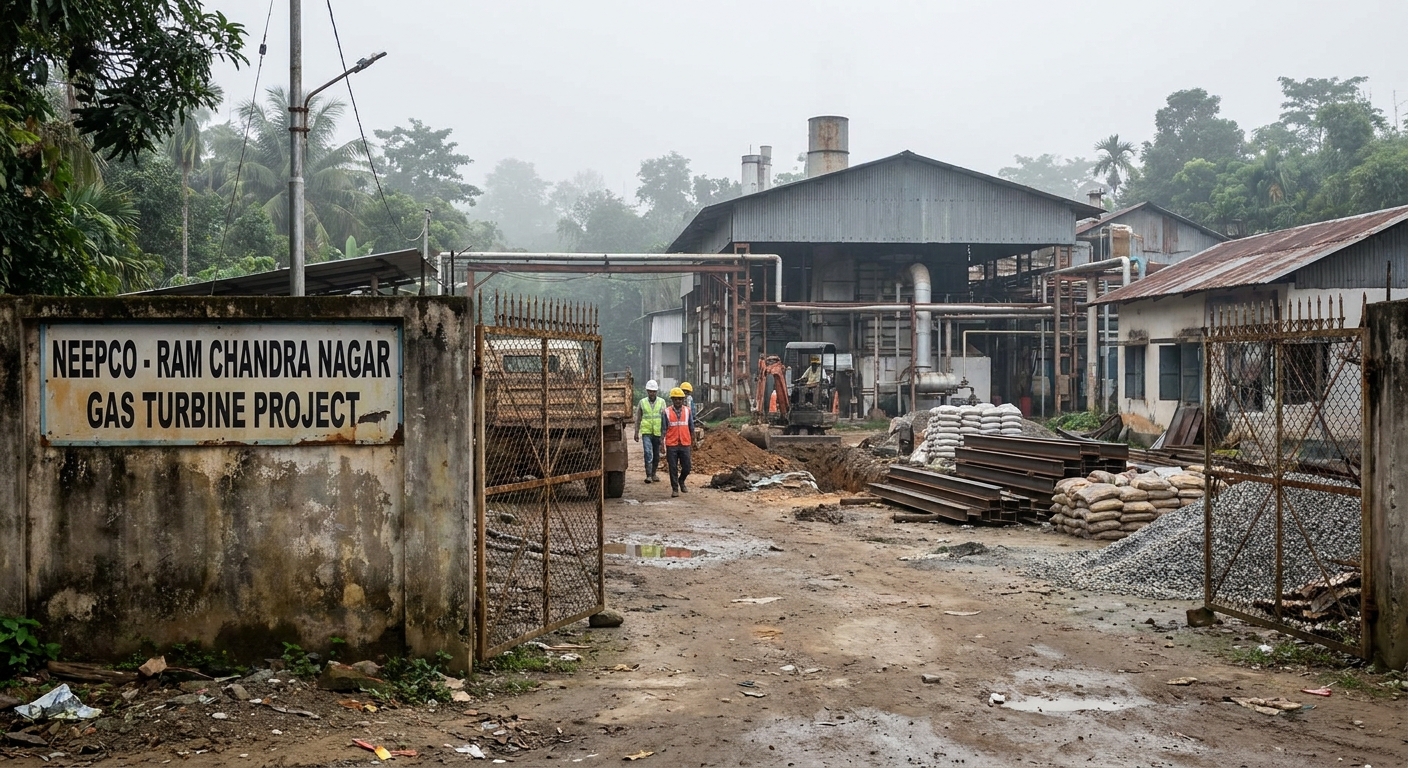
The Supreme Court's NEEPCO v Astra Construction ruling confirms a contractual interest bar can strip pre-reference interest from arbitral awards, turn
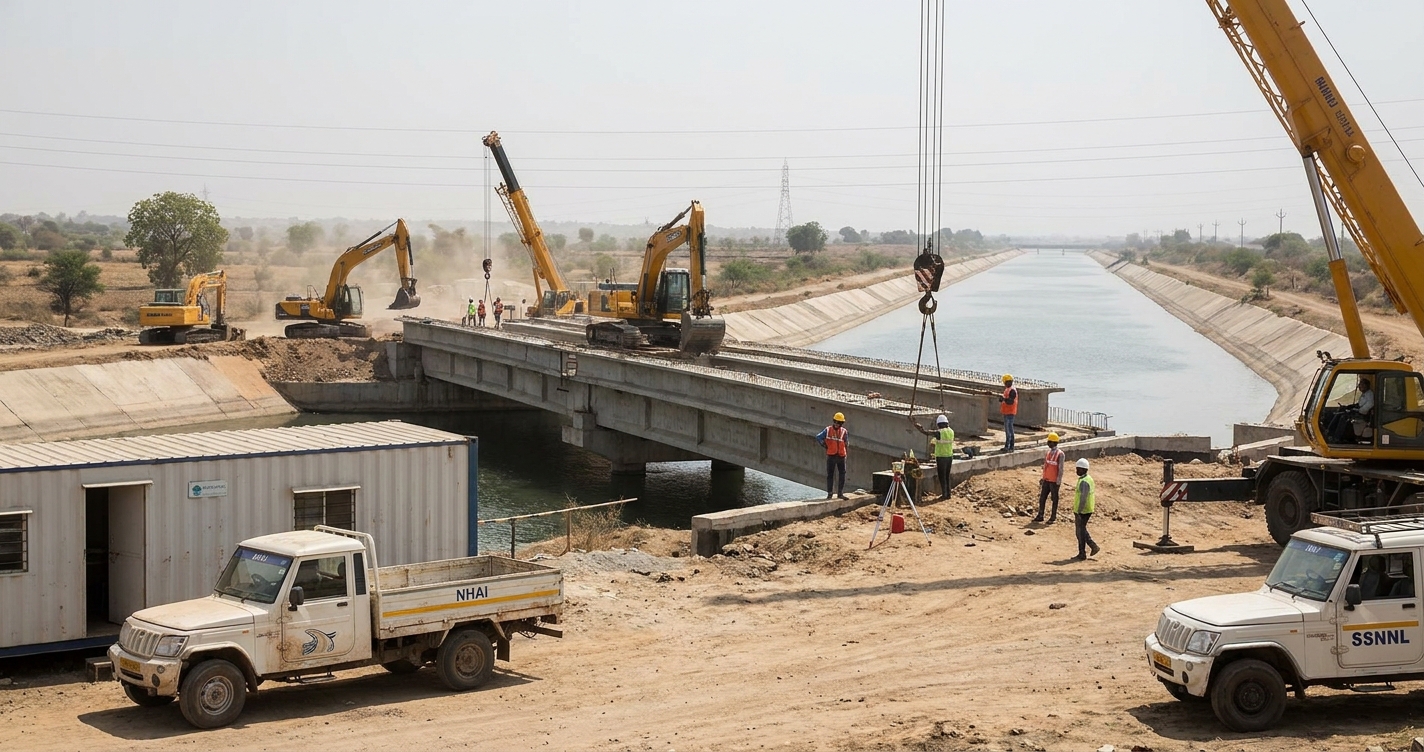
NHAI and Sardar Sarovar Narmada Nigam Limited have signed a time-bound framework for National Highway, canal and pipeline crossings in Gujarat, waivin


Powered by

© Tuskus 2025 - All Rights Reserved by Teamic Creative Lab Pvt. Ltd.
