BMRCL will float fresh Phase 3 civil tenders within 45 days after Karnataka approved trimming double-decker structures to about 11 km of the 44.65-km


insghits
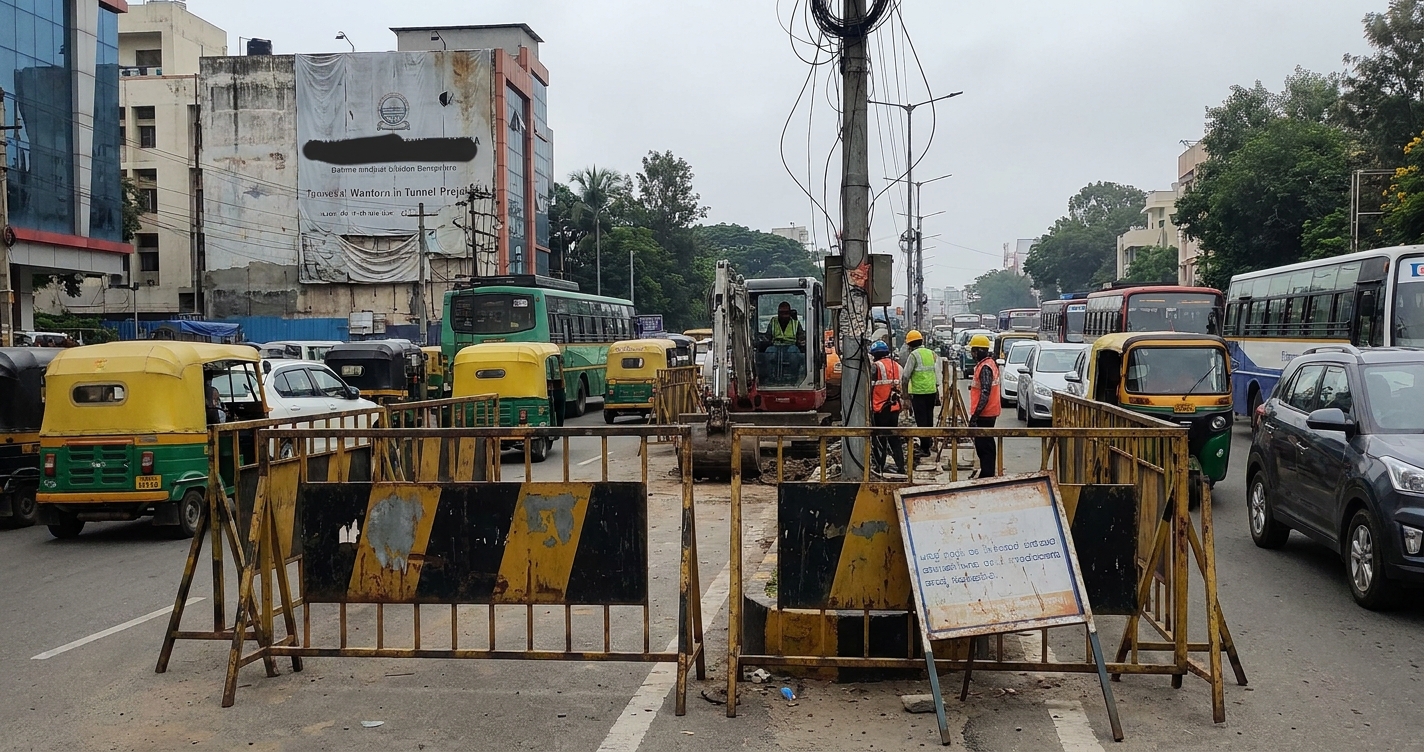
Adani Enterprises has emerged as the lowest bidder for both packages of Bengaluru's 16.75-kilometre tunnel road project, carrying a combined bid of Rs 22,267 crore.
The number is material, but the distance between it and the Karnataka government's initial estimate is the real commercial event.
By the time Gautam Adani met Chief Minister DK Shivakumar at his Sadashivanagar residence in Bengaluru on 23 August, the procurement question had already shifted: does the state accept a price far above its own cost benchmark, or reopen the award logic?
The meeting fuses politics and procurement.
For a project already under scrutiny, direct engagement between the bidder and the chief minister at award stage reinforces the line Rahul Gandhi has pressed on corporate conglomerate access to state governments.
It also makes cost justification harder for the Karnataka administration to defend on technical grounds alone.
The deeper issue is bid-engineering.
When the lowest bid lands substantially above the owner's estimate, either the estimate never reflected urban tunnel costs, or the competitive field was too thin to force price discovery.
Bengaluru's twin-tube tunnel demands:
- Tunnel boring machines
- Ventilation shafts
- Cross-passages
- Dense utility relocation
It does not price like an at-grade road.
If Adani Enterprises cleared both packages as the only credible bidder, the state has effectively ceded pricing power.
For Adani Enterprises, the strategic signal is diversification.
The group's infrastructure book is concentrated in airports, ports and energy.
A 16.75-kilometre urban road tunnel moves it into metropolitan civil EPC at a scale that tests execution bandwidth, not intent.
Tunnelling under Bengaluru's soil profile and utility density is a delivery risk as much as a commercial one.
Karnataka's fiscal exposure depends on the funding model.
Under EPC, the elevated bid lands directly on state capital outlay.
Under hybrid annuity or PPP, the state still carries annuity or availability payments tied to a cost base it did not independently validate.
Urban mega-projects are now priced by private bidder capacity rather than owner estimates.
The signal for the sector is structural.
When a single conglomerate clears both packages at a premium, cost benchmarks lose their disciplinary function.
The decisive negotiation moves from the bid document to the corridor between the bidder and the chief minister.
Insights
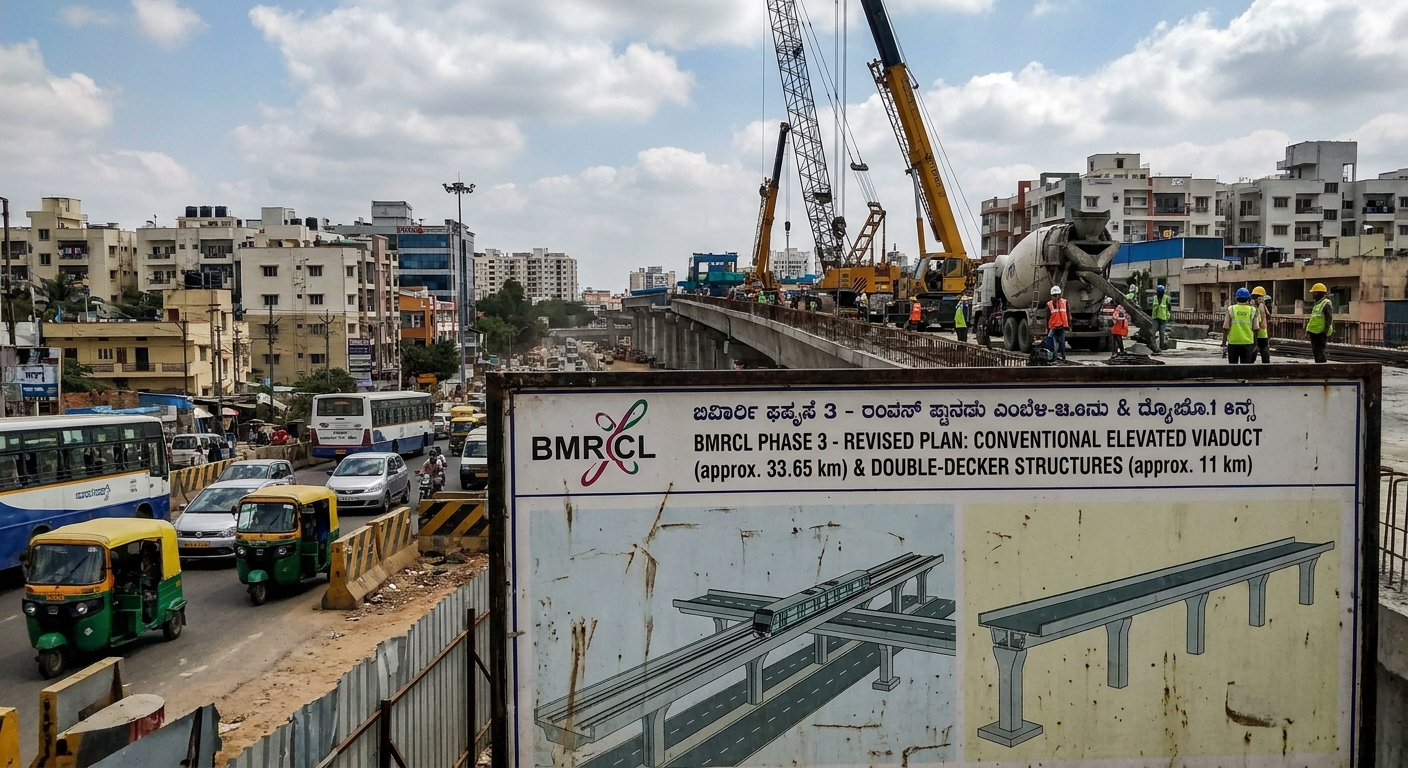
BMRCL will float fresh Phase 3 civil tenders within 45 days after Karnataka approved trimming double-decker structures to about 11 km of the 44.65-km
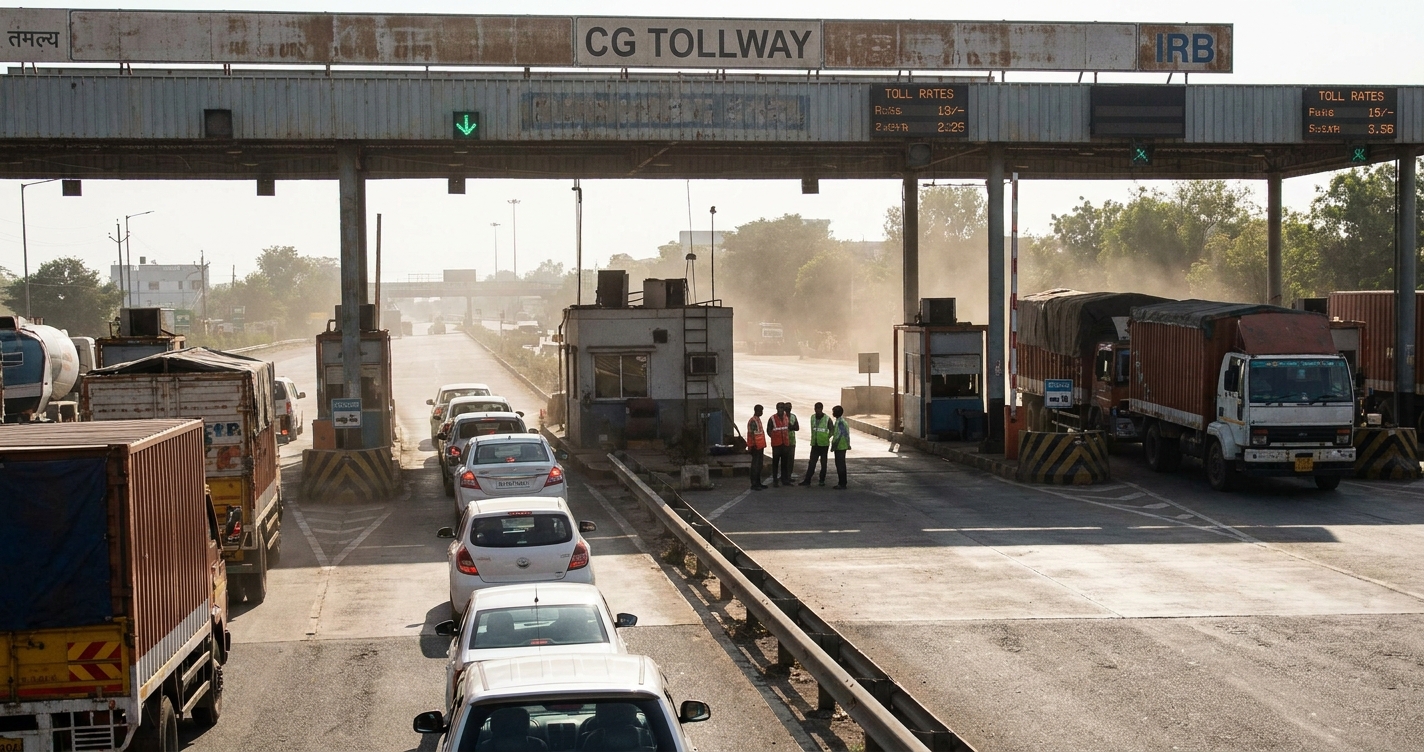
IRB Infrastructure Developers has signed a share purchase agreement to shift Solapur Yedeshi Tollway and CG Tollway out of its GIC-backed private InvI
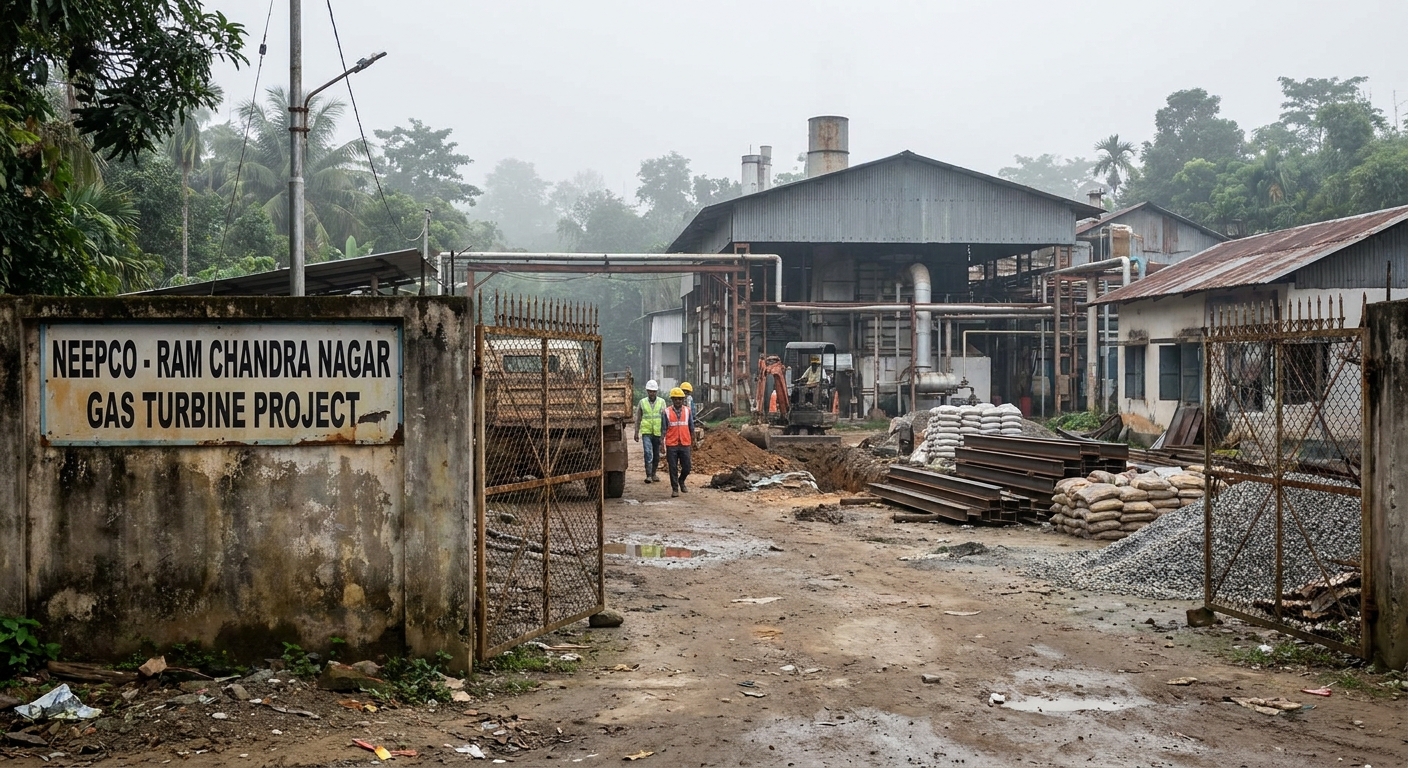
The Supreme Court's NEEPCO v Astra Construction ruling confirms a contractual interest bar can strip pre-reference interest from arbitral awards, turn


Powered by

© Tuskus 2025 - All Rights Reserved by Teamic Creative Lab Pvt. Ltd.
