RITES' 58% repricing of the Bidar–Kalaburagi electrification mandate shows how cost-plus turnkey contracting shifts escalation risk from consultant to


insghits
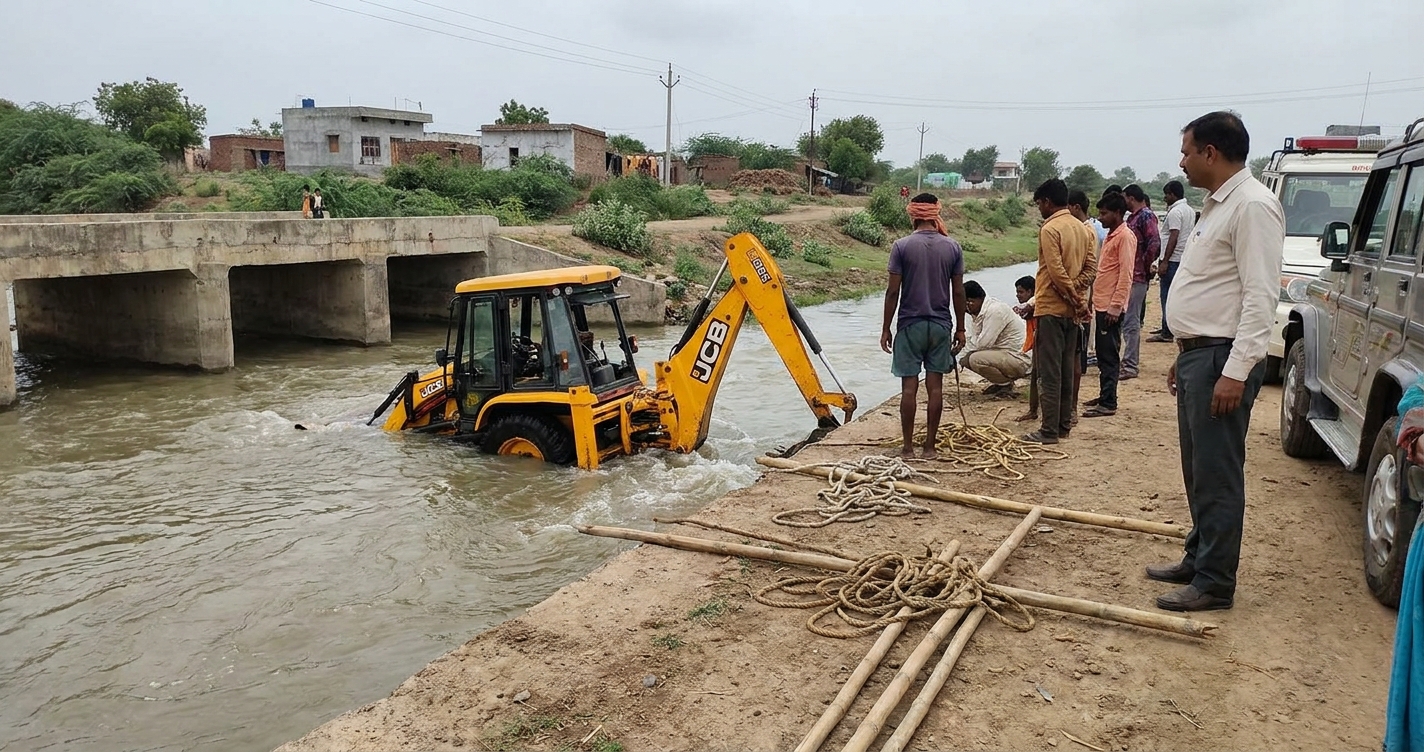
The death of 28-year-old labourer Biram Mogiya beneath a small bridge over the Gadganga River in Khilchipur, Rajgarh, is being logged as a local accident.
For anyone who runs contracts, it is a case study in what happens when safety governance vanishes at the base of the municipal works pyramid.
The Khilchipur Municipal Council had awarded Balaji Construction the task of installing planks to block water flowing through the bridge channels ahead of Jaljhulani Gyaras. The work order was issued only days earlier.
Mogiya entered about 15 feet of fast-flowing water without a life jacket or safety kit and became trapped between two planks for nearly two hours.
Residents say neither the council's team nor the contractor was on site.
Accountability now splits three ways:
- The family, led by brother Laxminarayan Mogiya, refused the body and demanded ₹1 crore compensation, insisting the contractor answer for worker safety.
- Chief Municipal Officer Dev Narayan Dangi, who oversees both the Khilchipur and Jirapur councils, reached the river roughly an hour after the accident.
- District administration and SDRF teams recovered the body using a JCB after rope-and-bamboo attempts failed in the current.
India's urban local bodies issue thousands of low-value, short-cycle works orders every year, and safety architecture almost never travels with them.
A mega-project carries an EHS officer; a plank-installation order carries a verbal instruction and no supervision.
Principal-employer liability under the BOCW framework sits with the council, contractual execution sits with Balaji Construction, and physical risk sits with workers who hold neither.
For contractors, the exposure is commercial, not just moral. One fatality on an unmeasured, unsupervised task can trigger compensation claims, criminal liability and blacklisting that dwarf the contract value.
For councils scaling festive and monsoon works, the gap is structural: procurement rewards speed and lowest cost while safety enforcement is absent.
The most dangerous construction work in India is not the mega-project — it is the micro-contract.
Until municipal principal employers embed method statements, PPE mandates and site supervision into every work order, Balaji Construction-type failures will repeat.
Insights
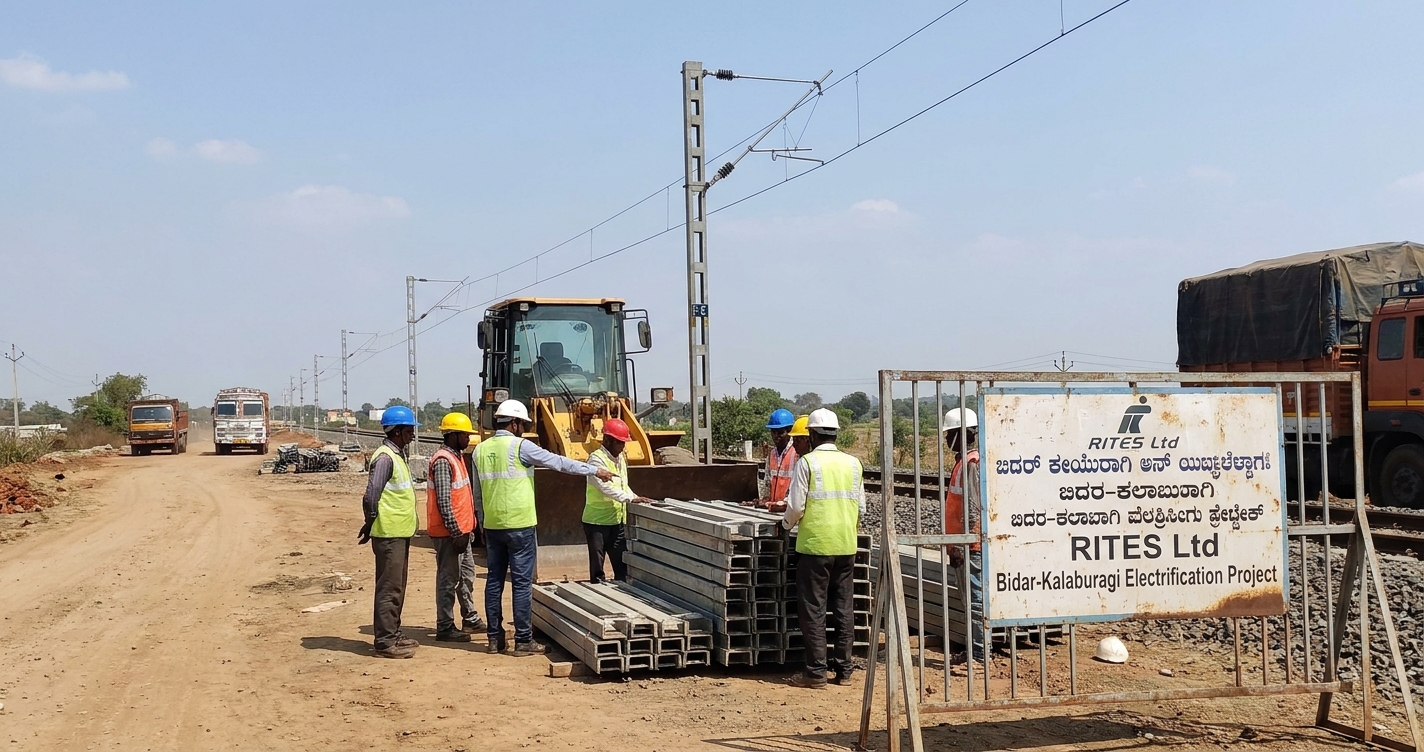
RITES' 58% repricing of the Bidar–Kalaburagi electrification mandate shows how cost-plus turnkey contracting shifts escalation risk from consultant to
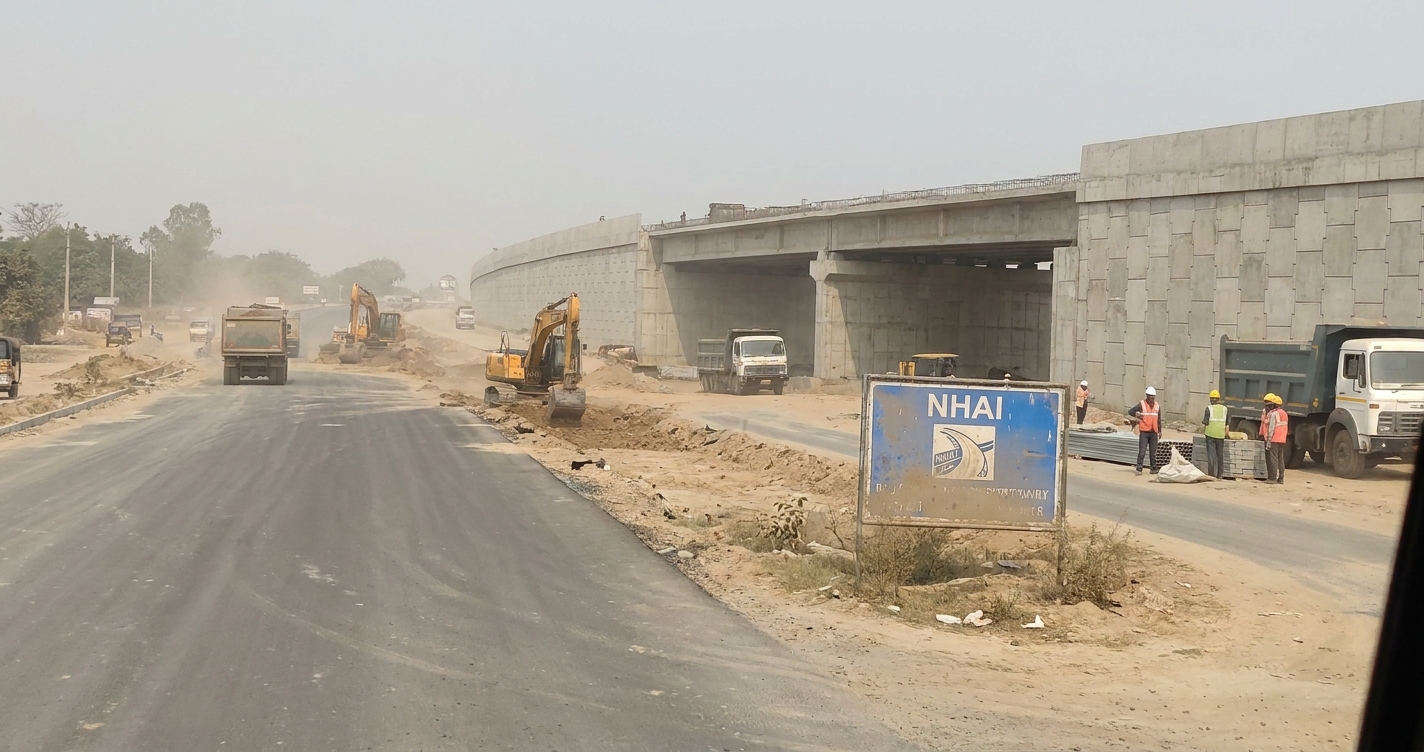
NHAI's 21 September 2026 design guidelines lock uniform 60-70m right-of-way and structure standards for 4-lane and 6-lane high-speed corridors, reshap
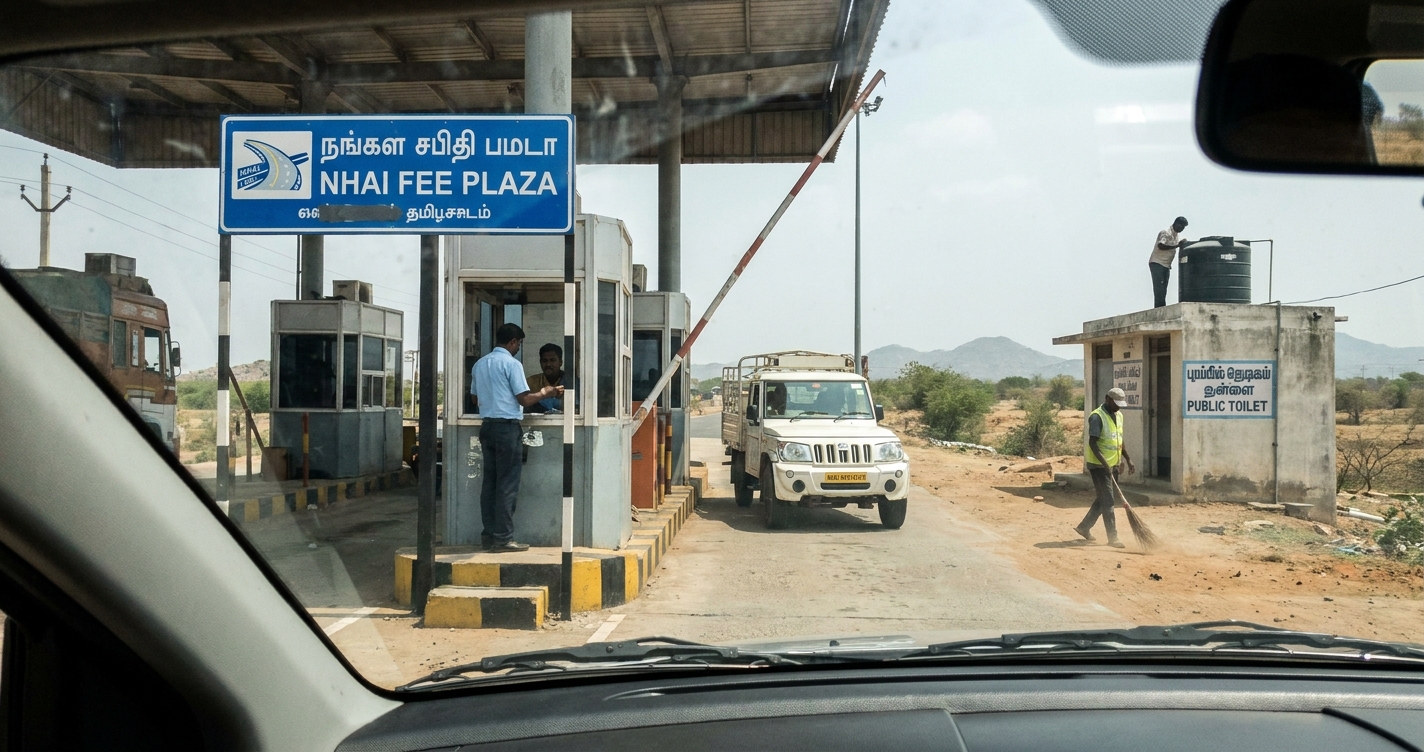
Hazoor Multi Projects' Rs 200-crore NHAI award in Tamil Nadu is a user fee collection and maintenance mandate, not a construction order — and that dis


Powered by

© Tuskus 2025 - All Rights Reserved by Teamic Creative Lab Pvt. Ltd.
