Hazoor Multi Projects' Rs 200-crore NHAI award in Tamil Nadu is a user fee collection and maintenance mandate, not a construction order — and that dis


insghits
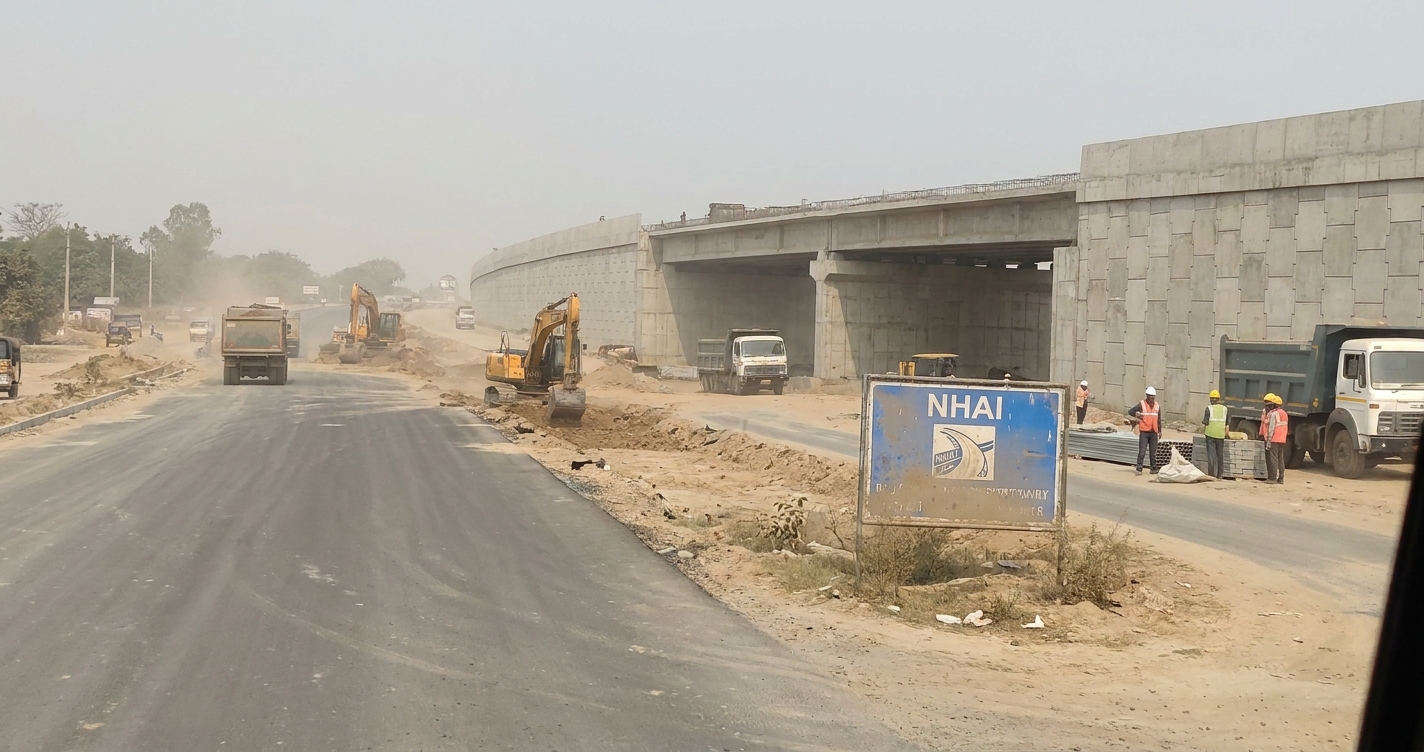
The National Highways Authority of India (NHAI) has moved to end a structural gap that has quietly inflated Detailed Project Report (DPR) variability across the national highway programme.
On 21 September 2026, NHAI issued design and planning guidelines for access-controlled high-speed National Highways — covering upcoming 4-lane and 6-lane Greenfield and Brownfield corridors, but excluding expressways.
Until now, no dedicated standards existed for access-controlled high-speed NHs other than expressways, leaving DPRs inconsistent project to project.
The operative detail is the width matrix, which ties corridor volume directly to carriageway and structure specifications:
- Corridors up to 15,000 vehicles — a 4-lane highway on 4-lane structures within 60 metres.
- Corridors of 15,000–25,000 vehicles — a 4-lane highway built on 6-lane structures within 70 metres.
- Corridors of 25,000–40,000 vehicles — 6-lane carriageways on 6-lane structures within 70 metres.
The middle tier is the signal.
NHAI is buying future widening capacity at today's land prices, forcing over-provisioned structures into current project scope.
Commercial consequences land on EPC and HAM contractors.
Over-built structures front-load cost and concrete and steel volumes into today's bid, while 70m right-of-way escalation increases land acquisition and utility shifting exposure — the two most common causes of NHAI schedule slippage.
Bidders must now price a wider land corridor and heavier structures against a more standardised, hence more comparable, DPR.
Safety provisions are equally commercial, and now include:
- A 1-metre boundary wall along the outer edge.
- Mandatory interchanges with ramps where corridors meet expressways, national highways, state highways and major arterials.
- Advance exit-entry notification.
Together, these shift NHAI toward asset-management discipline — reducing unauthorised entry and stray-cattle liability that has driven fatal crash and claim risk.
Strategically, the framework is welded to Viksit Bharat 2047's 50,000 km access-controlled corridor target and extends links to ports, airports and industrial zones.
For the supply chain — cement, steel, bitumen, and tolling and ITS vendors — standardisation compresses design cycles, shortens pre-award timelines and makes corridor demand forecastable.
The real signal: NHAI is converting design discretion into procurement predictability to accelerate capital deployment, at the cost of higher upfront structural capex carried by contractors and the exchequer.
Insights
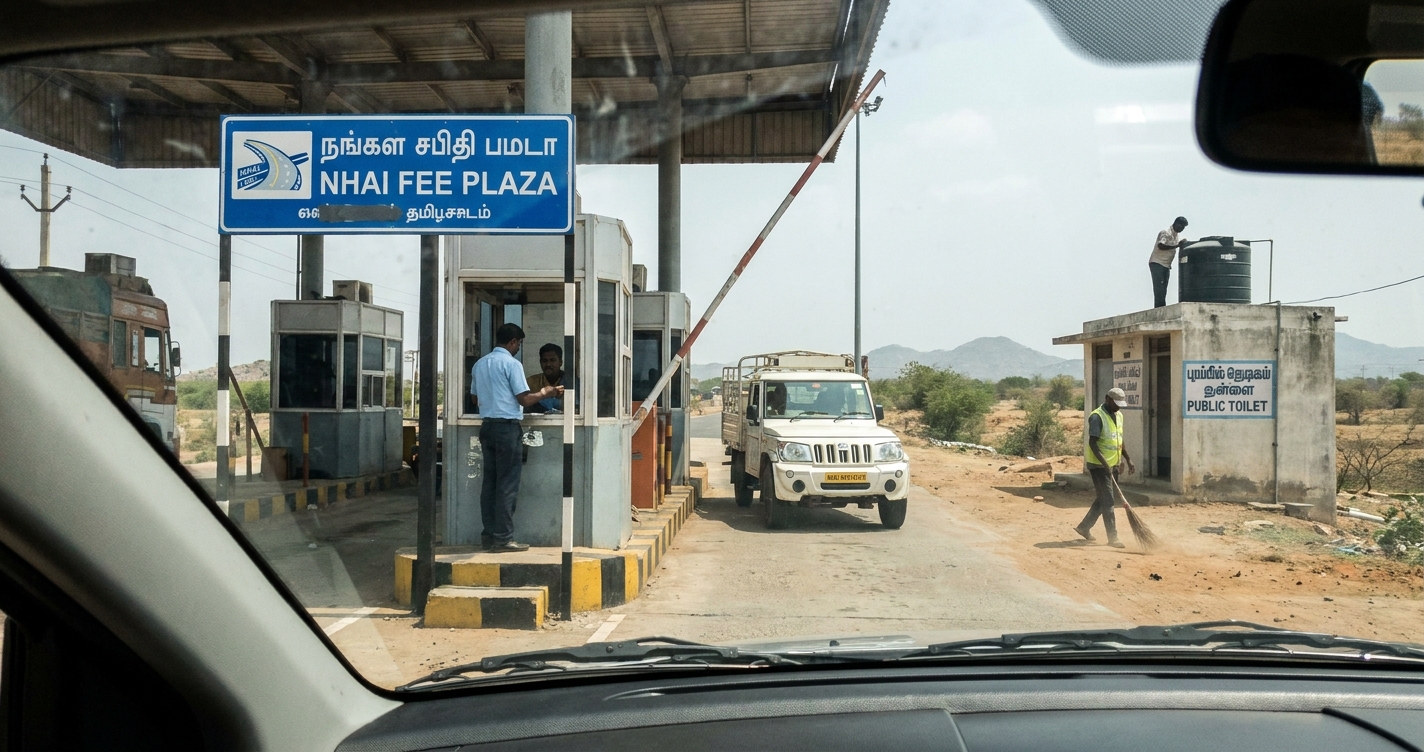
Hazoor Multi Projects' Rs 200-crore NHAI award in Tamil Nadu is a user fee collection and maintenance mandate, not a construction order — and that dis
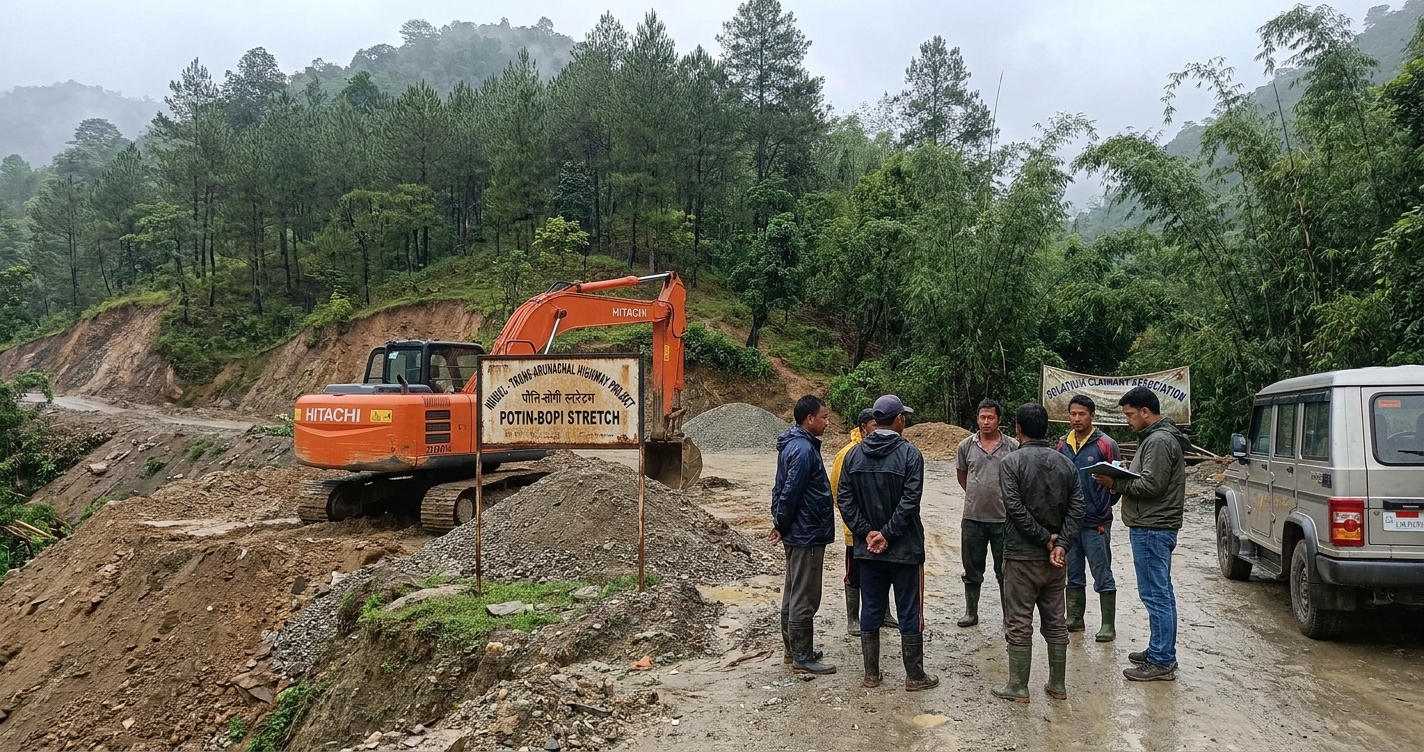
A March 2022 Gauhati High Court order to pay solatium on the Trans-Arunachal Highway remains unpaid, exposing NHIDCL's execution schedule to compensat
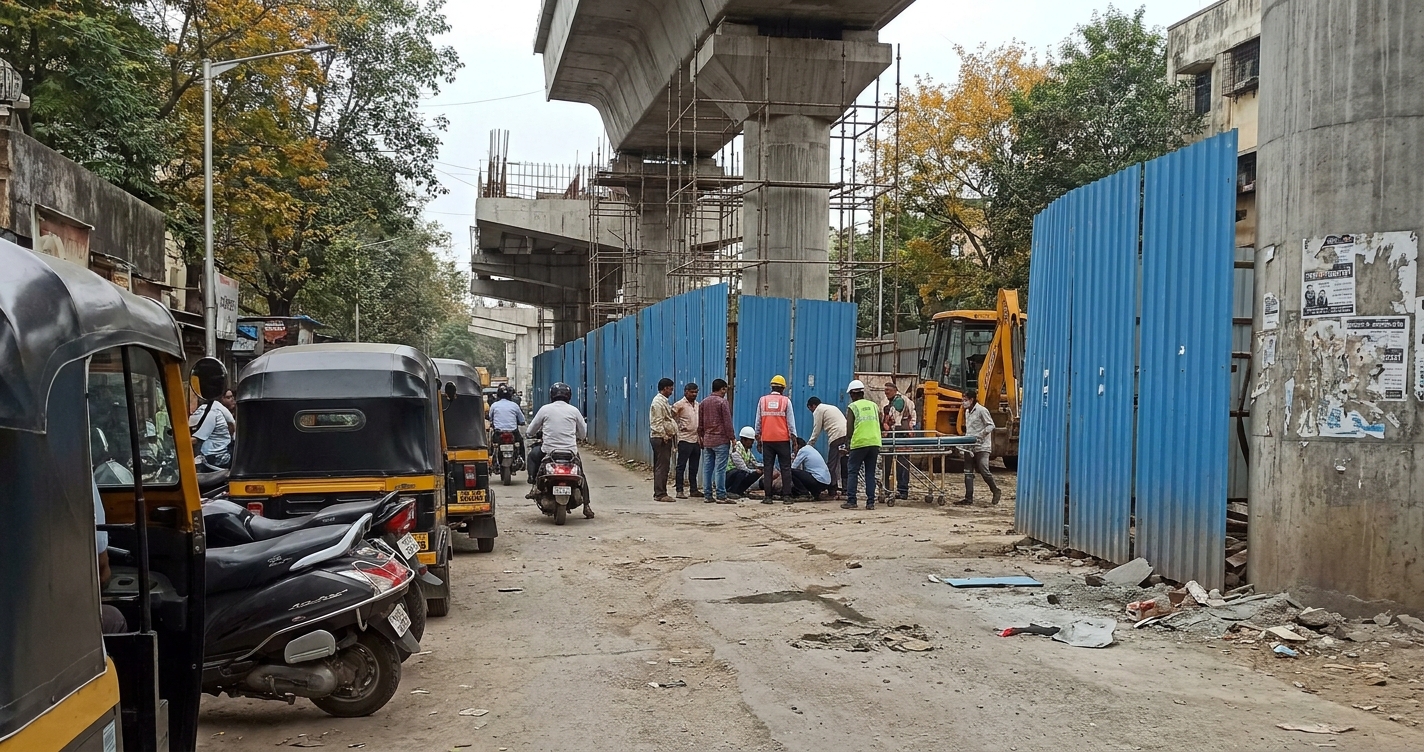
A third metro construction accident in a week has put the Mumbai Metropolitan Region Development Authority under renewed scrutiny, as a young man was


Powered by

© Tuskus 2025 - All Rights Reserved by Teamic Creative Lab Pvt. Ltd.
