NHAI's 21 September 2026 design guidelines lock uniform 60-70m right-of-way and structure standards for 4-lane and 6-lane high-speed corridors, reshap


insghits
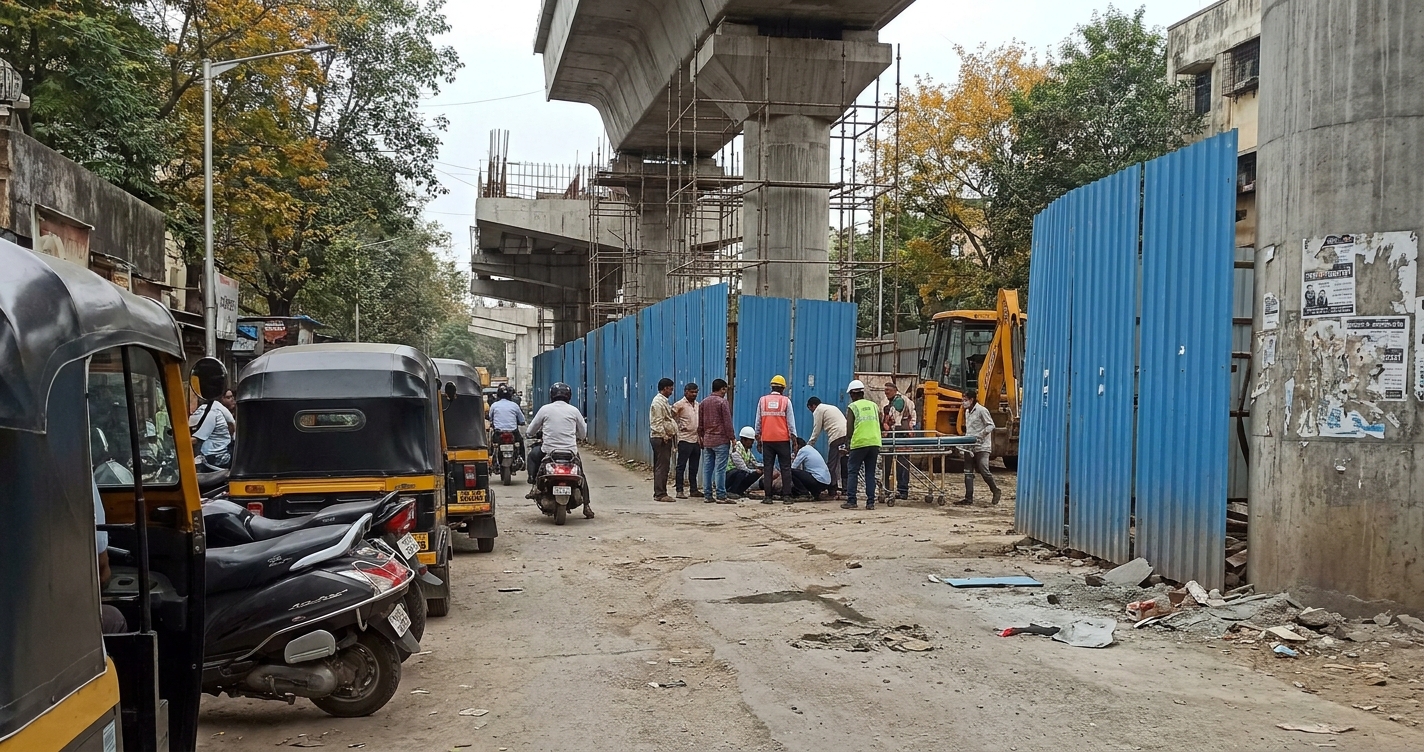
A young man seriously injured by falling cement at the Kashimira worksite on September 20 has moved the Mumbai Metropolitan Region Development Authority (MMRDA) from routine oversight into a liability and enforcement position on the Metro 9 corridor.
The victim, identified as Shadab, was taken to Wockhardt Hospital. The incident is the third reported metro construction accident within a week, according to Loksatta–Mumbai, and it is no longer an isolated site failure.
Metro 9 runs from Dahisar to Mira-Bhayandar, with phase-two execution between Kashigaon and Mira-Bhayandar currently under way.
The corridor has now recorded more than 14 accidents and roughly seven citizen fatalities since work began.
That frequency converts a safety concern into a contract-enforcement problem: every repeat incident raises the probability of contractor penalties, suspension orders, and re-priced risk in future MMRDA tenders.
The pattern is widening beyond a single corridor.
- September 12 — Two workers died when metal scaffolding collapsed at a Metro 4 site in Wadala.
- September 18 — A motorcyclist was killed in Vikhroli after a road barricade fell during work on the same corridor.
- September 20 — The Kashimira incident involved a member of the public left exposed for about an hour because parked vehicles blocked sightlines.
That last failure was a direct breakdown in worksite traffic management and pedestrian segregation.
The immediate commercial exposure sits with the unnamed contractor, which local residents confronted after the incident.
MMRDA had not issued a response at the time of publication, and sources indicated action could be taken against the contractor. That points to inquiry-driven enforcement:
- Show-cause notices
- Corridor-wide safety audits
- Potentially performance-linked consequences under the EPC contract
For contractors working across MMRDA's network, the real signal is that safety compliance is shifting from a technical checkbox to a commercial variable.
Insurers will re-examine third-party liability and worker compensation exposure. Joint ventures with weak site supervision records may face heavier bid-risk weighting.
MMRDA itself carries reputational and administrative exposure if oversight failures prove systemic rather than isolated.
The next few weeks will be decisive. If MMRDA formalises contractor action and mandates corridor-wide safety enforcement, it signals a structural shift toward stricter delivery accountability.
A reactive response, by contrast, will allow liability to keep compounding across Metro 4 and Metro 9.
Insights
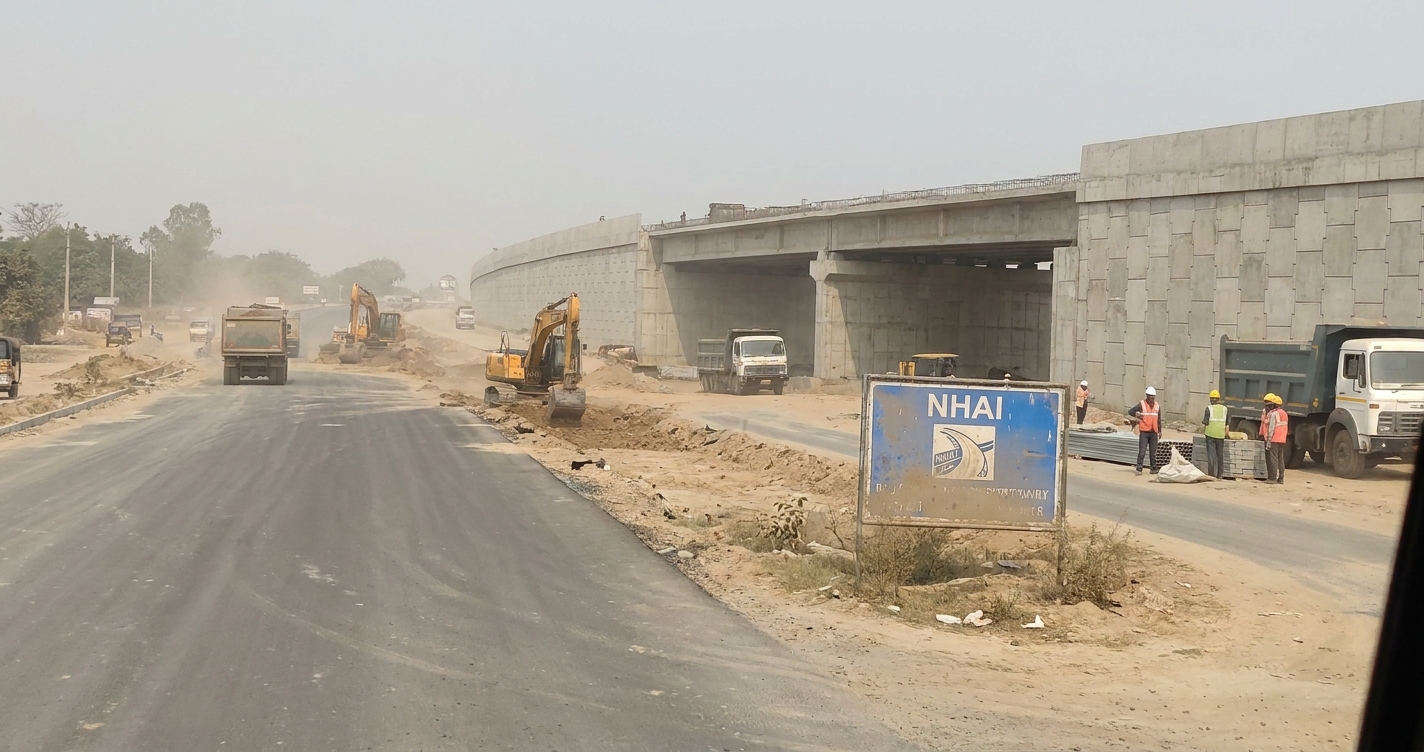
NHAI's 21 September 2026 design guidelines lock uniform 60-70m right-of-way and structure standards for 4-lane and 6-lane high-speed corridors, reshap
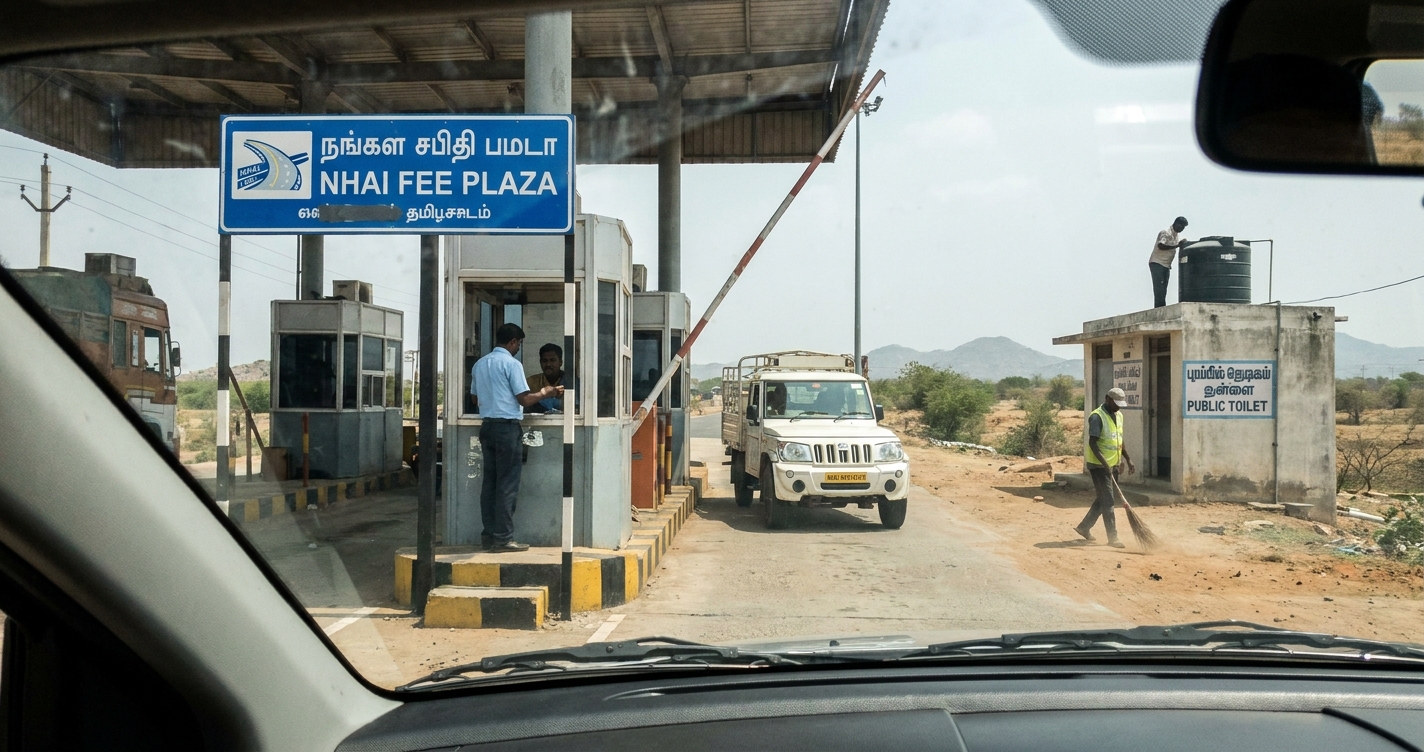
Hazoor Multi Projects' Rs 200-crore NHAI award in Tamil Nadu is a user fee collection and maintenance mandate, not a construction order — and that dis
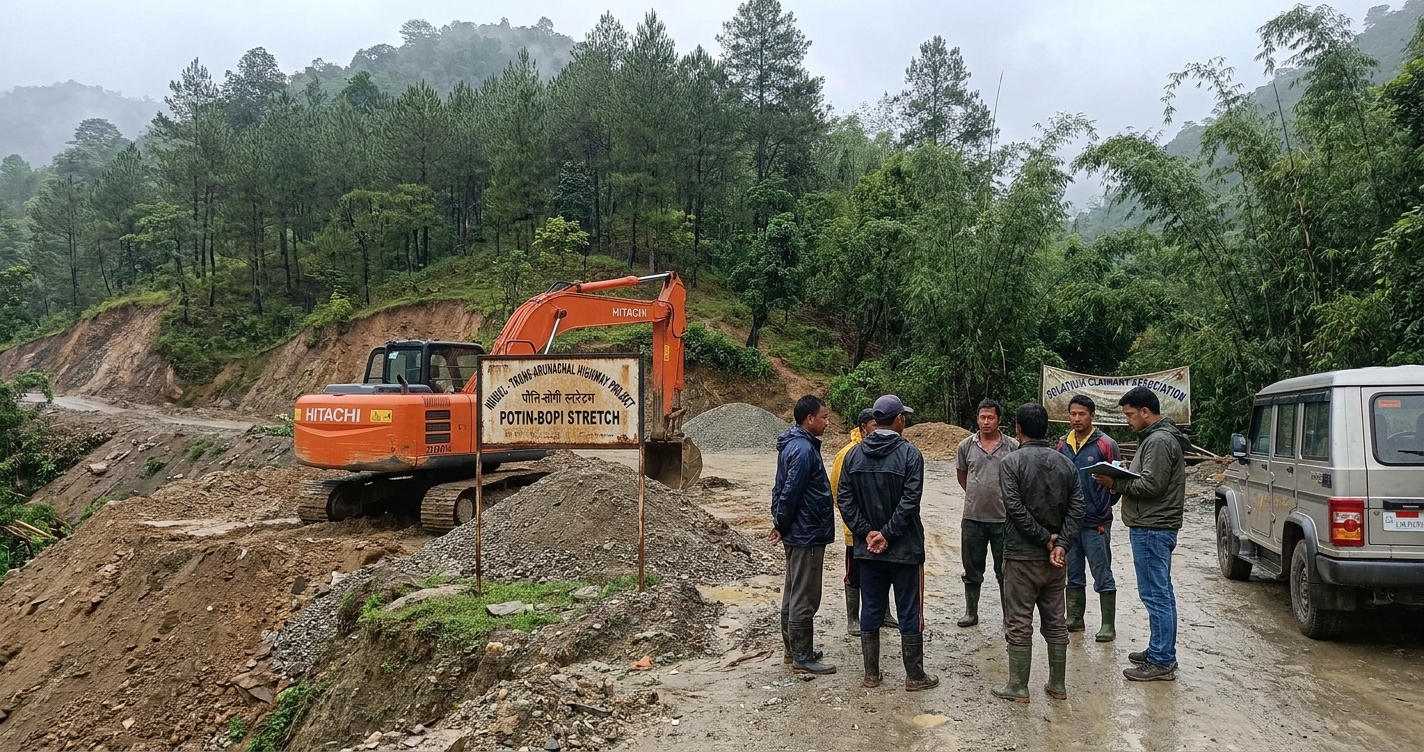
A March 2022 Gauhati High Court order to pay solatium on the Trans-Arunachal Highway remains unpaid, exposing NHIDCL's execution schedule to compensat


Powered by

© Tuskus 2025 - All Rights Reserved by Teamic Creative Lab Pvt. Ltd.
