RITES' 58% repricing of the Bidar–Kalaburagi electrification mandate shows how cost-plus turnkey contracting shifts escalation risk from consultant to


insghits
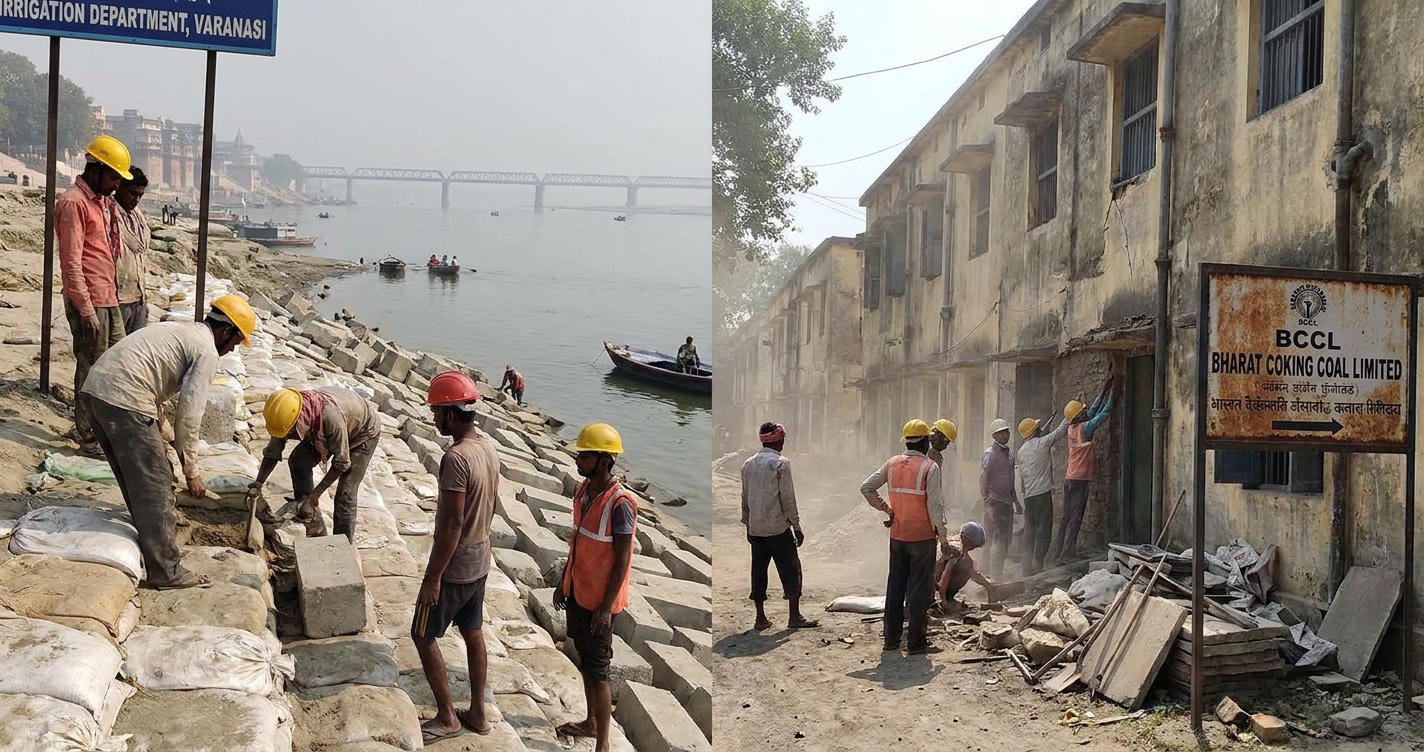
Bharat Coking Coal Limited (BCCL) is a subsidiary of Coal India Limited, but that did not make it a "government authority" for service tax exemption. That is the commercially decisive line drawn by the Customs, Excise and Service Tax Appellate Tribunal (CESTAT), Allahabad Bench, in a ruling every contractor pricing works contracts for public-sector clients should read.
The case involved an unnamed contractor who had undertaken road, riverbank protection and repair works for a diversified client mix:
- Irrigation Department
- Varanasi Development Authority
- Uttar Pradesh Jal Nigam
- municipal bodies
- Bharat Coking Coal Limited (BCCL)
- Siddheevinayak Infravillage Private Limited
The department confirmed a service tax demand of ₹12,80,170 across three show cause notices, citing failure to register, file ST-3 returns and pay tax.
The bench of P.A. Augustian and Sanjiv Srivastava split the demand by contract.
Road construction at Dildarnagar and protection work at Narva Ghat on the River Ganga, both for the Executive Engineer, Irrigation Department, Varanasi, were held exempt under Serial No. 12(a) of Notification No. 25/2012-ST. The ₹5,69,945 demand was set aside.
The BCCL outcome differed. The contractor argued BCCL's public-sector character made repair work on residential quarters exempt.
CESTAT rejected this after examining BCCL's Form MGT-7 against the statutory definition of "government authority."
A subsidiary link to Coal India Limited, the bench held, does not satisfy the constitution or shareholding conditions the notification requires.
Reverse-charge mechanics compounded the exposure. Under Notification No. 30/2012-ST, works contract liability is split 50:50 between provider and recipient.
BCCL's payment of its half did not extinguish the contractor's remaining 50%, so the ₹6,87,725 demand stood.
Another ₹22,500 was confirmed on ₹1.50 lakh from Siddheevinayak Infravillage Private Limited, where the contractor held no agreement, work order or invoice.
For contractors, the lesson is structural. Government departments and constituted government authorities remain exempt for qualifying road and riverbank protection works.
Public-sector undertakings, however government-owned, do not automatically qualify. The test is constitutional form and shareholding thresholds, not ownership sentiment.
Contractors bidding for PSU repair and works contracts should:
- Price service tax into tenders
- Maintain documentation
- Treat reverse-charge as a live 50% liability even when the client pays first
The ruling also signals how pre-GST disputes are closing: tribunals now apply the same definitional discipline governing GST exemptions.
As legacy service tax matters resolve, the boundary between "government" and "government-owned company" is becoming a pricing and documentation issue, not a litigation footnote.
Insights
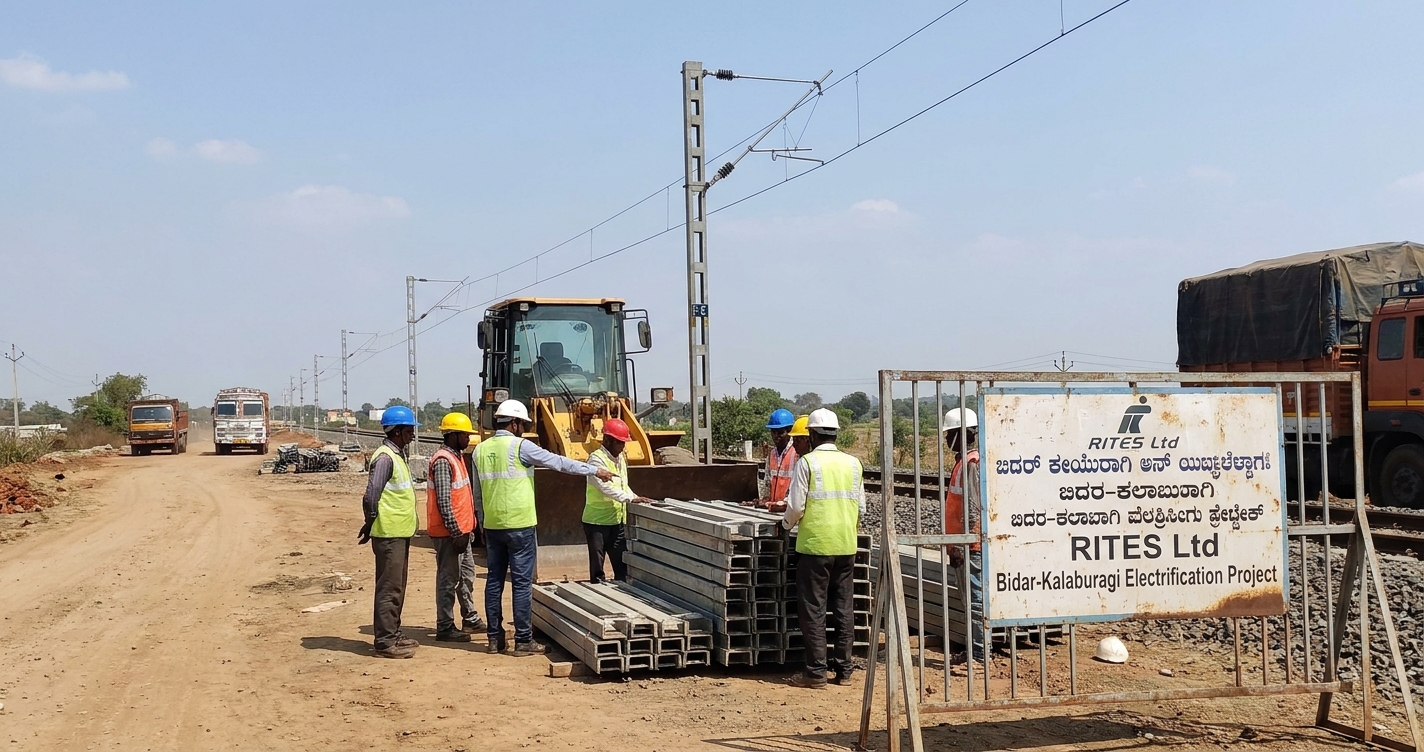
RITES' 58% repricing of the Bidar–Kalaburagi electrification mandate shows how cost-plus turnkey contracting shifts escalation risk from consultant to
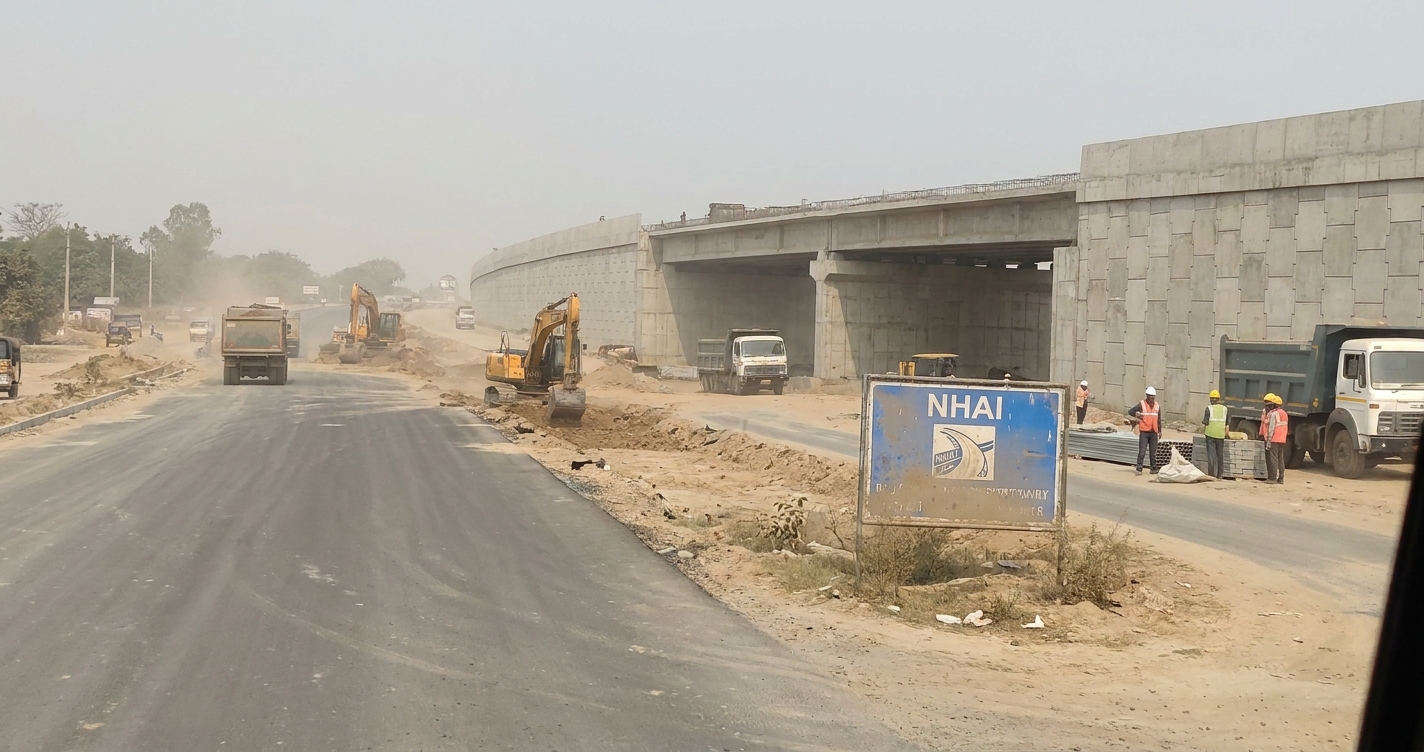
NHAI's 21 September 2026 design guidelines lock uniform 60-70m right-of-way and structure standards for 4-lane and 6-lane high-speed corridors, reshap
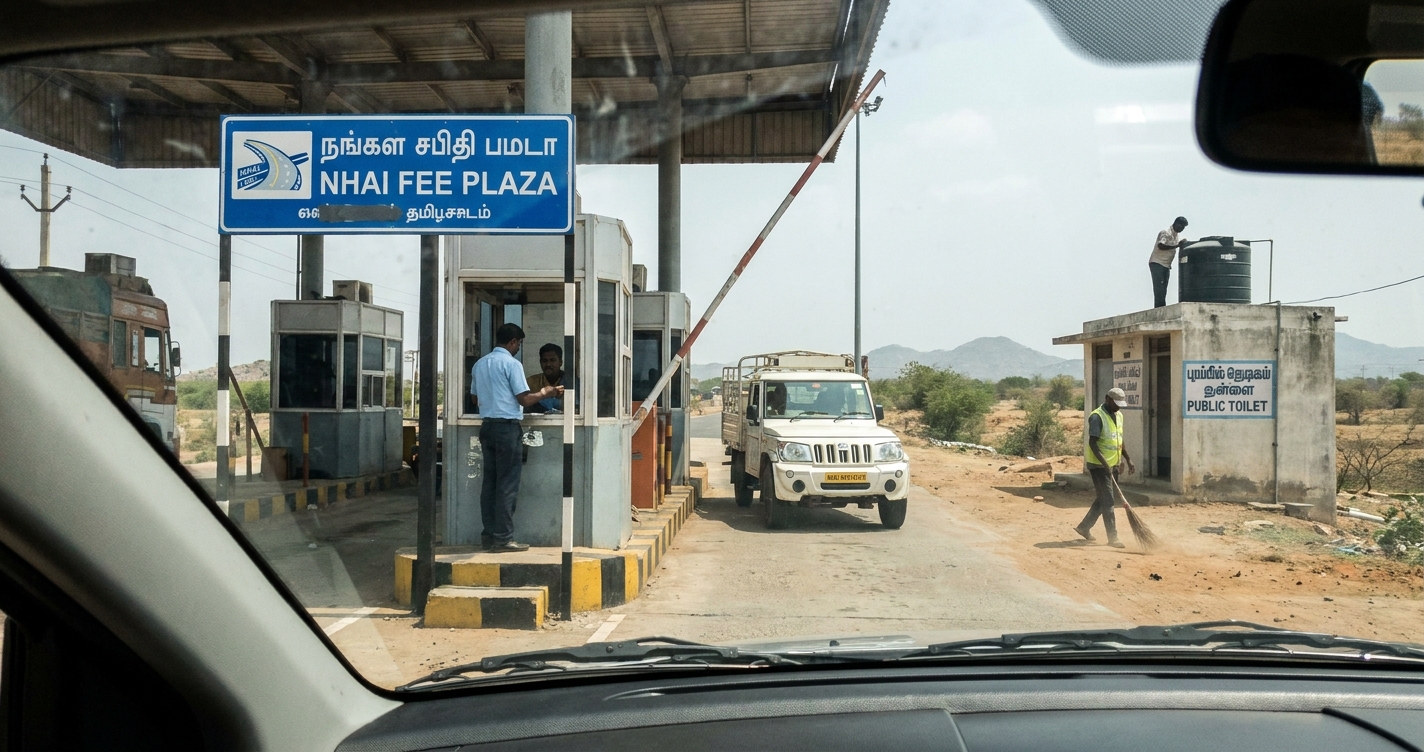
Hazoor Multi Projects' Rs 200-crore NHAI award in Tamil Nadu is a user fee collection and maintenance mandate, not a construction order — and that dis


Powered by

© Tuskus 2025 - All Rights Reserved by Teamic Creative Lab Pvt. Ltd.
