The installation of pumping machinery marks a pivotal shift for J&K's irrigation.


insghits
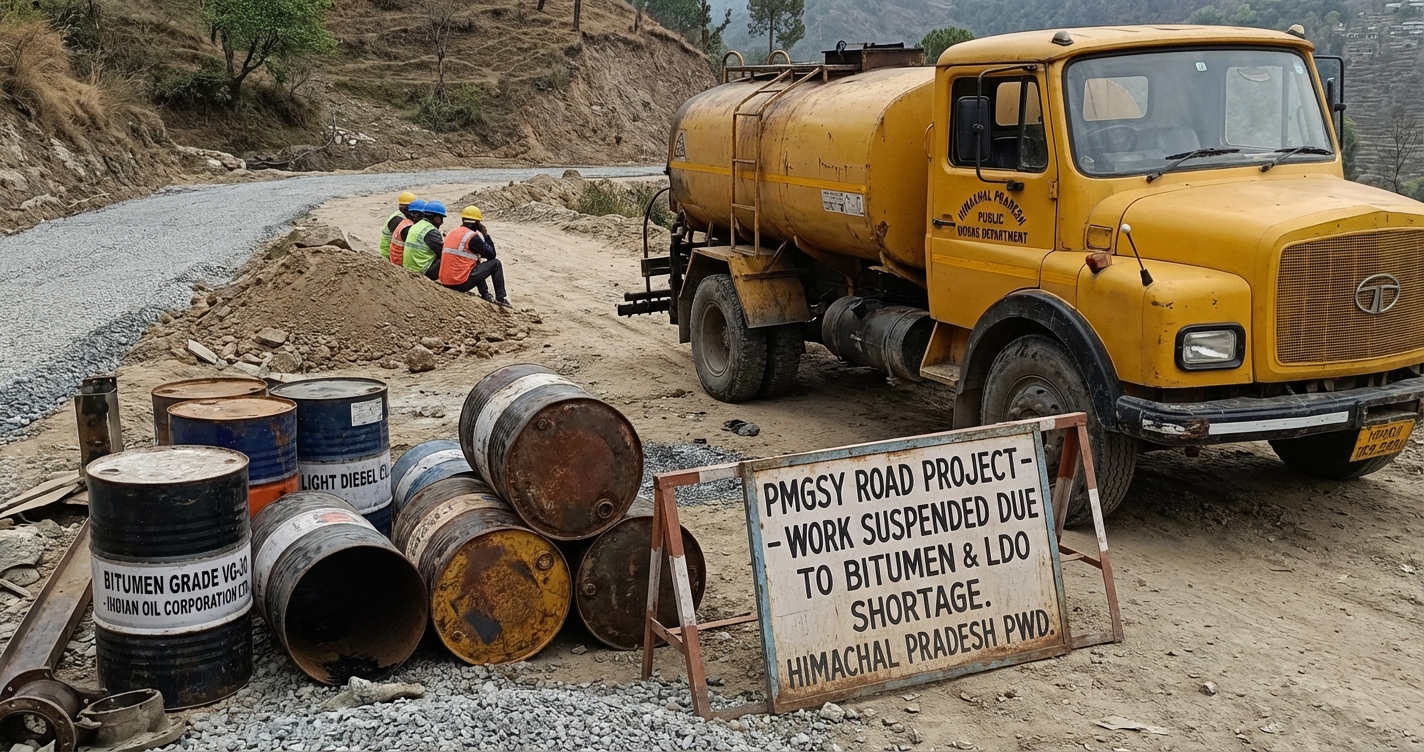
The recent announcement by Himachal Pradesh's Public Works Department Minister regarding surging bitumen prices and shortages of light diesel oil serves as a critical indicator of ongoing challenges within the infrastructure sector.
With a significant projected increase in road construction costs, the implications of these supply chain issues extend far beyond price adjustments and into the realm of project viability and execution capacity.
As detailed, the increase in the costs associated with the Pradhan Mantri Gram Sadak Yojana (PMGSY) projects—rising from ₹13.75 lakh to ₹17.75 lakh per kilometer for 3-meter roads—highlights an unsettling trend: escalating input costs are threatening project funding and cash flows.
This rise, mirrored across various road width categories, indicates that projects may enter a phase of budgeting crises, forcing stakeholders to reassess viability and funding allocations.
From a contractor's perspective, the shortage translates into heightened risk exposure, necessitating more robust contract management and pricing strategies.
The escalation in input prices may compel contractors to revise their bids, leading to potential delays in project timelines. Projects that demand immediate execution might face additional scrutiny and stress.
Cost overruns could trigger disputes and claims, complicating contractor-client relationships.
Furthermore, the state's appeal for federal assistance under centrally sponsored schemes signals a possible shift in government budgeting priorities.
Should the Centre allocate additional funds, this could empower states to maintain project scopes and quality standards. However, this relies heavily on bureaucratic workflows that can extend timelines and complicate execution sequences.
State officials’ readiness to explore alternatives—whether revising project scopes or delaying timelines—indicates a pragmatic response but highlights extensive contract management implications.
Professionals within the industry must prepare for a landscape where adaptability becomes paramount.
The volatility in pricing necessitates:
Ultimately, the compounded effect of rising bitumen costs and light diesel oil shortages poses a systemic challenge.
Companies must brace for potential strain on delivery capabilities, cash flow management, and overall project completion strategies.
As the situation evolves, continuous dialogue between government agencies and industry stakeholders will be essential for navigating these turbulent waters while striving to uphold quality standards in infrastructure development.
Insights
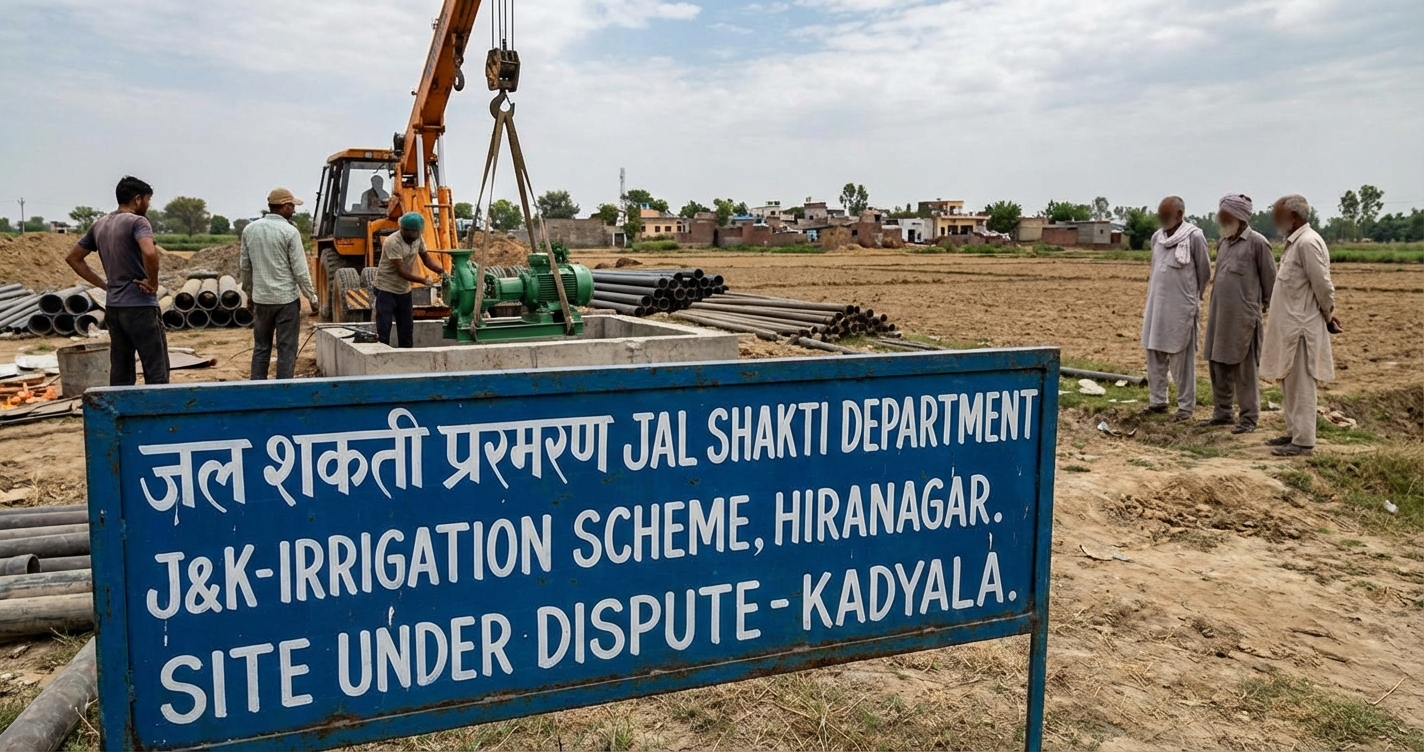
The installation of pumping machinery marks a pivotal shift for J&K's irrigation.

The INR 438 crore upgrade signals enhanced logistics capability.

IRB's new tolling operation on NH-16 boosts revenue forecasts.


Powered by

© Tuskus 2025 - All Rights Reserved by Teamic Creative Lab Pvt. Ltd.
