The INR 438 crore upgrade signals enhanced logistics capability.


insghits
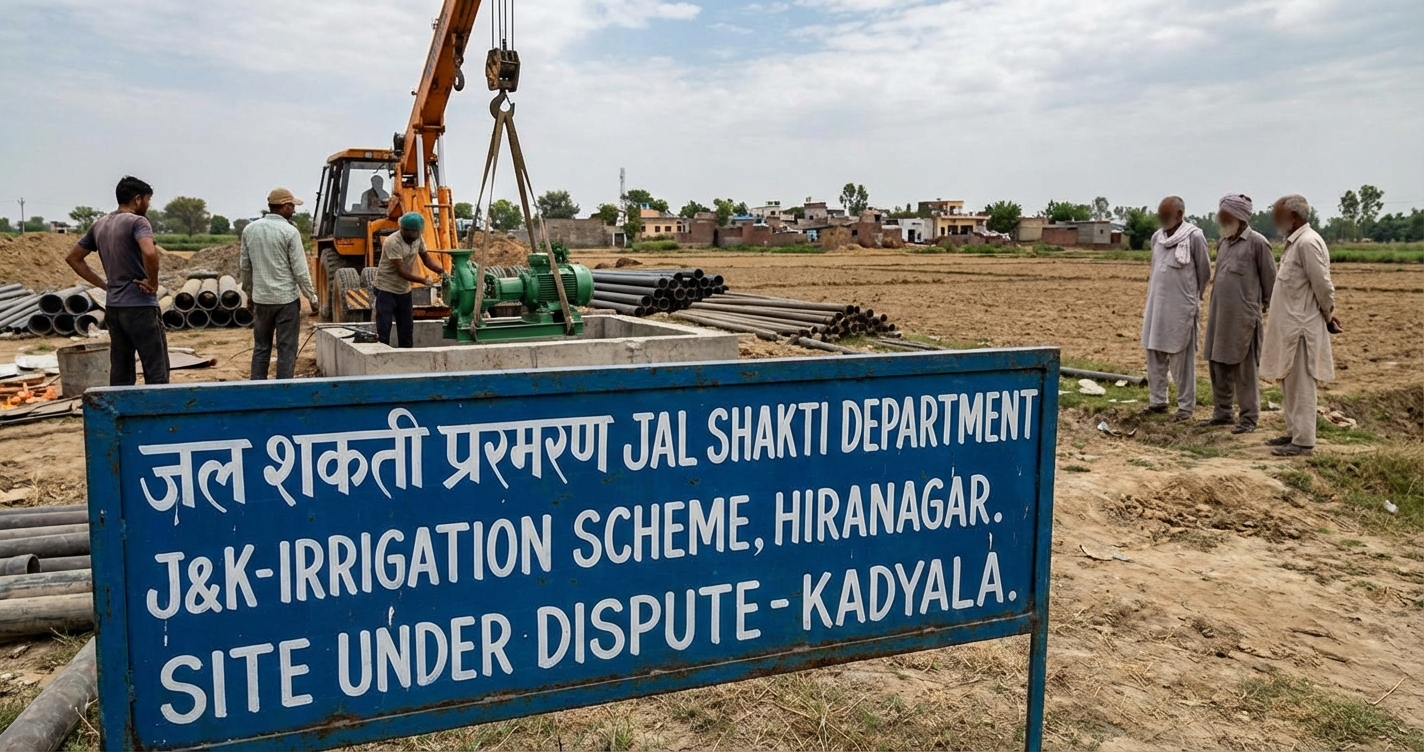
The recent announcement regarding the installation of pumping machinery at six tube-well locations in Hiranagar signals a critical improvement in irrigation infrastructure for Jammu and Kashmir.
This move, while laudable, inherently exposes the risks tied to unresolved land disputes in regions like Kadyala and Chak Changa.
The core implication for contractors involved in these civil works is multifaceted. Primarily, the successful rollout of the irrigation scheme hinges not just on technical execution but significantly on resolving the land entitlement and distribution network issues.
Delays or complications in these areas could lead to increased costs, disrupted cash flows, and possibly trigger claims from contractors who are already under pressure from financing and resource allocation constraints.
From a commercial intelligence viewpoint, this initiative will likely attract increased competition among contractors eager to capitalize on government contracts related to water management and irrigation facilities.
Companies must evaluate their capacity to navigate local land disputes efficiently and develop strategic partnerships with local stakeholders to mitigate risks.
A failure to engage proactively with local communities could lead to reputational damage and impede project timelines.
The involvement of the Jal Shakti department underlines a commitment to enhancing agricultural output; however, the projected benefits must be tempered with an understanding of ground realities.
As irrigation infrastructure upgrades are often complicated due to political and environmental factors, companies must be prepared for adaptive management strategies throughout project lifecycles.
Moreover, the sector's competitive landscape may evolve as companies adapt their capabilities to respond not just to immediate contracting needs but also to the long-term implications of infrastructure enhancement in a politically sensitive area like J&K.
This shift could define potential pathways for public-private partnerships, especially as the government gears up to meet agricultural demands amid climatic challenges.
While the installation of pumping machinery is a step forward, the strategic implications for infrastructure development must not be understated.
Project stakeholders will need to closely monitor execution sequences and potential disputes, ensuring that the intended benefits reach local farmers without delay.
Insights

The INR 438 crore upgrade signals enhanced logistics capability.
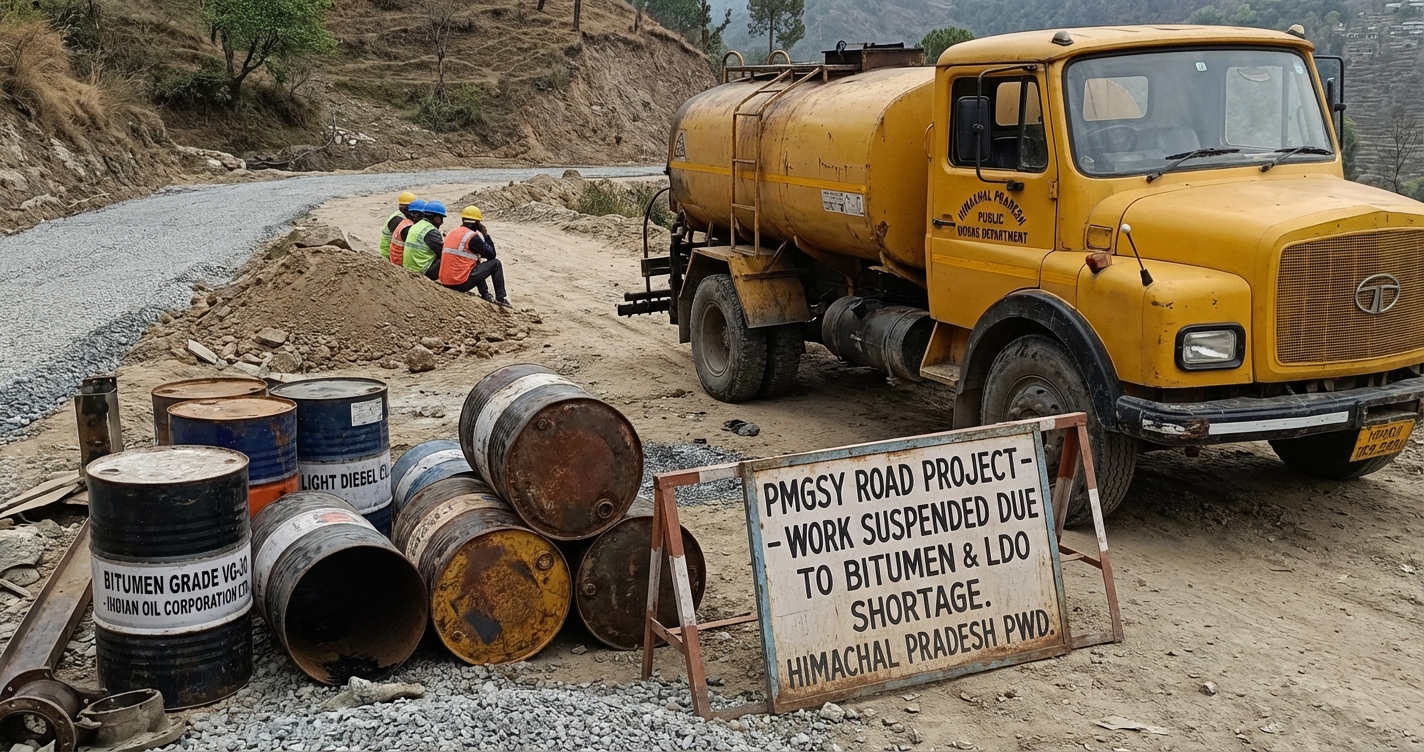
Price hikes due to shortages in bitumen and diesel threaten project viability.

IRB's new tolling operation on NH-16 boosts revenue forecasts.


Powered by

© Tuskus 2025 - All Rights Reserved by Teamic Creative Lab Pvt. Ltd.
