IRB Infrastructure Developers' Q2FY27 net profit rose 84.85% to ₹260.15 crore on 15% toll revenue growth and higher InvIT distributions.


insghits
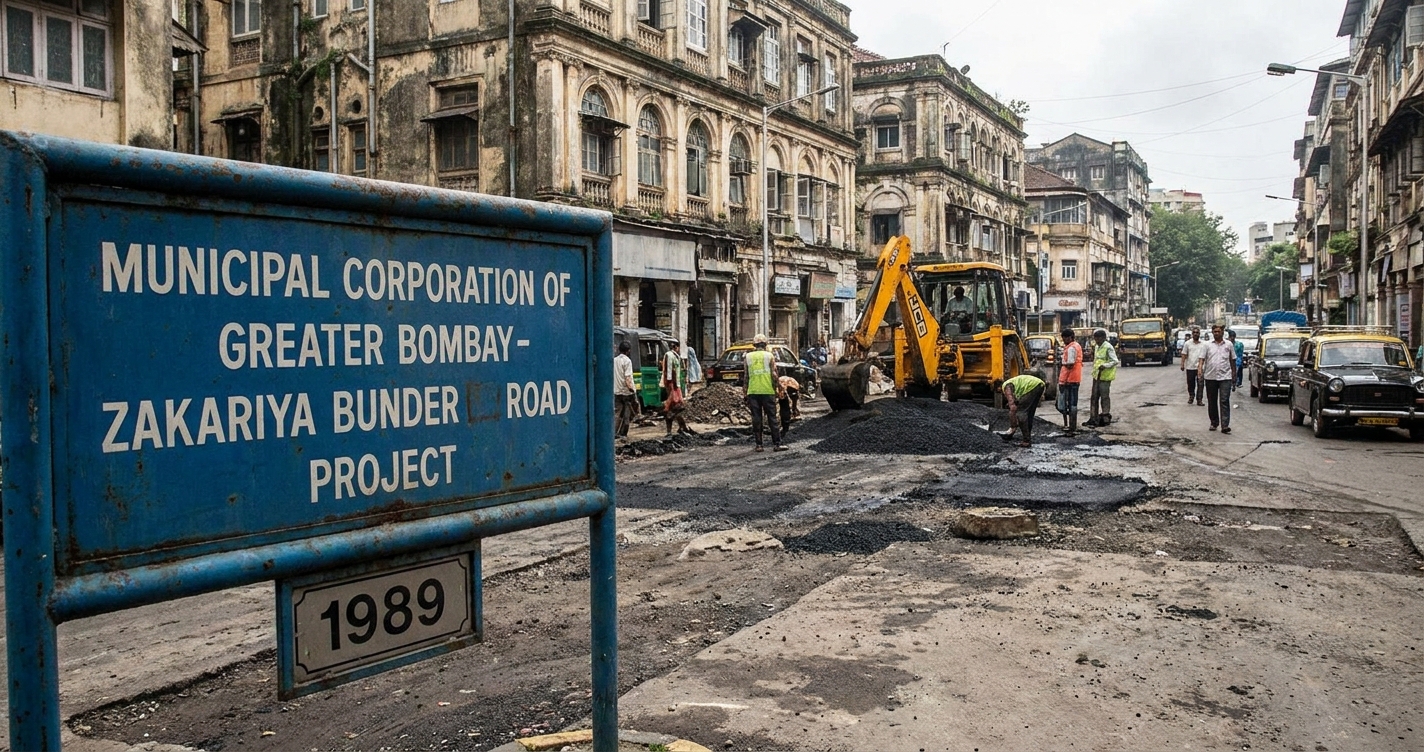
The Municipal Corporation of Greater Bombay lost Appeal No. 804 of 1999 on 5 May 2017, nearly 28 years after it awarded a percentage-rate contract to reconstruct Zakariya Bunder road.
Justices Anoop V. Mohta and P.R. Bora dismissed the Corporation's challenge to an award dated 22 June 1993.
The underlying dispute was small in scale: an eight-month contract period from 11 October 1989, delay in commencement, compensation claims. What matters is the duration, and who funded it.
Bharat Infrastructure & Engineering Pvt. Ltd. and Bharat Construction, the respondents, carried their award through a Single Judge and then a Division Bench.
Their counsel, M.M. Vashi instructed by M.P. Vashi & Associates, defended the arbitrator's findings on delay and contract interpretation. The Corporation's senior counsel Kevic Setalwad argued perversity and misconduct.
The bench held the arbitrator's reading was a possible view, therefore final under Section 30 of the Arbitration Act, 1940.
MCGB's legal team understood the standard. The appeal bought time, not outcome.
That standard was settled long before this appeal was filed. It is stricter still under Section 34 of the 1996 Act.
Run the file as the Corporation's law officer would have in 1994. The options ran the length of the ladder:
- Accept the 1993 award
- Challenge it under Section 30
- Appeal to a Division Bench
Payment deferral was the benefit. Senior counsel, a brief and two court tiers were the cost.
The cost not entered in the ledger: the award sum accrues interest while the file moves, and every bidder on the next MCGB road tender learns to load authority litigiousness into the rate above the schedule.
Zakariya Bunder was a routine municipal reconstruction job. The litigation around it is the template.
Public authorities with volume arbitration exposure — municipal corporations, state road agencies, water boards — are the ones carrying this pattern. Their contract conditions on site handover and delay are drafted to shift risk onto the contractor, and then read against the authority at arbitration.
Indian contractors price that asymmetry annually. It appears as a percentage above the estimate, as a contingency, as an unwillingness to bid the difficult ward.
Nobody itemises it, and it is real.
An award against a municipal corporation is a receivable with an uncertain maturity date. Finance it accordingly, or decline the tender.
Section 30 and Section 34 do not create optionality on delay.
They create a financing cost that reappears on the next tender, through a higher percentage rate and a thinner bidder list.
Insights
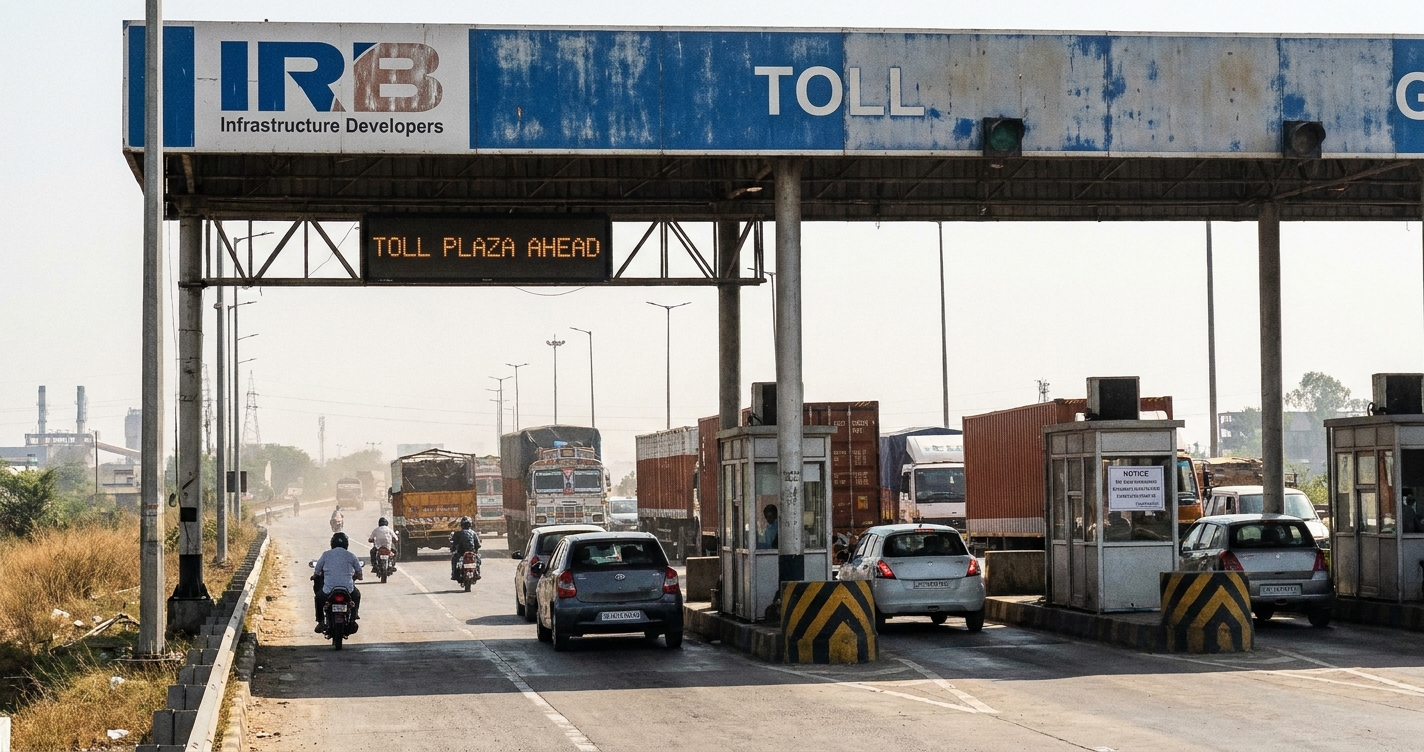
IRB Infrastructure Developers' Q2FY27 net profit rose 84.85% to ₹260.15 crore on 15% toll revenue growth and higher InvIT distributions.
IRB Infrastructure Developers' Q2FY27 net profit rose 84.85% to ₹260.15 crore on 15% toll revenue growth and higher InvIT distributions.
IRB Infrastructure Developers' Q2FY27 net profit rose 84.85% to ₹260.15 crore on 15% toll revenue growth and higher InvIT distributions.


Powered by

© Tuskus 2025 - All Rights Reserved by Teamic Creative Lab Pvt. Ltd.
