RITES' 58% repricing of the Bidar–Kalaburagi electrification mandate shows how cost-plus turnkey contracting shifts escalation risk from consultant to


insghits
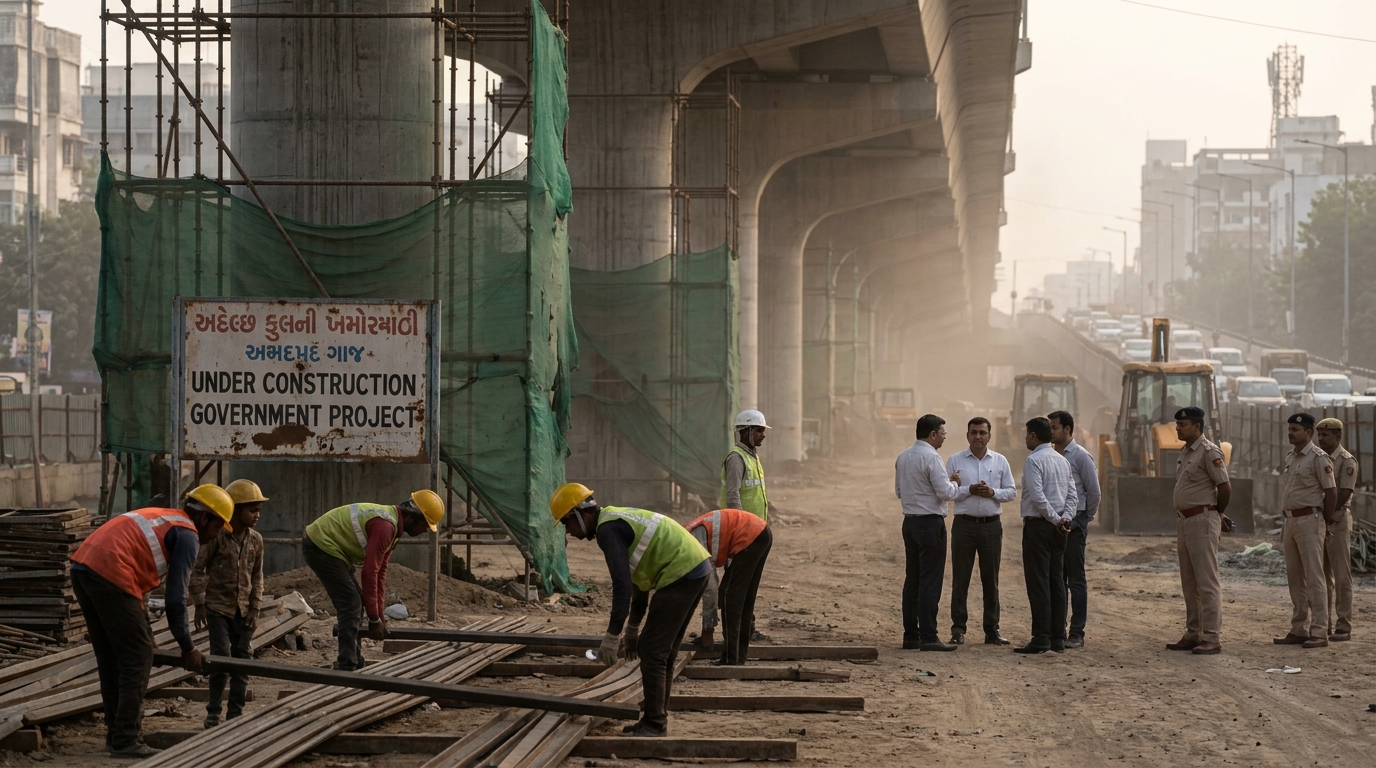
The Ahmedabad Crime Branch's Anti-Human Trafficking Unit has dismantled a bonded labour network that placed minors in hazardous work across at least eight multi-crore public infrastructure projects in Ahmedabad, Anand and Vadodara districts.
The arrests of labour contractor Dinesh Kabildar, 47, and cattle herder Bharat Bharwad, 35, expose a structural weakness rarely discussed at pre-bid or progress-review tables: the sub-tier labour supply chain feeding state-funded flyover and railway packages is not being verified at site level.
Police say Kabildar abducted a 14-year-old boy near Ahmedabad's Sola flyover in 2022 and allegedly sold him to Bharwad for Rs 10,000, after which the boy was forced into bonded labour alongside two other minors.
Parents of the children reportedly received only Rs 500 to Rs 1,000 a year.
The rescued minors were deployed across multiple public works sites:
- At least one rescued boy worked on the Sola flyover and two other Ahmedabad flyover sites.
- Two others were deployed across four flyover sites in Ahmedabad and Vadodara, plus a road package executed by Kabildar.
- Further minors were pushed into railway work between Anand and Vadodara.
For principal contractors and the public agencies supervising these packages, the commercial exposure is direct. Bonded labour at a worksite is not a peripheral HR issue.
It is a contract-compliance failure, a breach of the Child and Adolescent Labour (Prohibition and Regulation) Act, a potential debarment trigger, and a reputational liability that can stall payments, delay handover and invite forensic scrutiny of labour registers, sub-contractor appointments and muster rolls.
Police are now examining how children were deployed without the required checks. This points to the exact control gap: principal contractors typically rely on labour subcontractors to supply, verify and manage site manpower, yet the verification burden is frequently not contractually enforced or digitally tracked.
The signal is that Gujarat's high-volume urban mobility and railway pipeline has outgrown its labour-governance layer. When a single labour contractor can move minors across eight public projects undetected, the gatekeeping function sits with unverified sub-tier intermediaries rather than the entity holding the EPC or item-rate contract.
Principal contractors and state agencies should expect intensified mapping of subcontracting chains, stricter age and identity verification at gate entry, and renewed scrutiny of the payment flows that make Rs 500-a-year bonded arrangements possible.
The commercial lesson is blunt: sub-tier labour compliance is no longer a back-office formality. It is becoming a delivery risk, a payment risk and a pre-qualification risk in Gujarat's public works market.
Insights
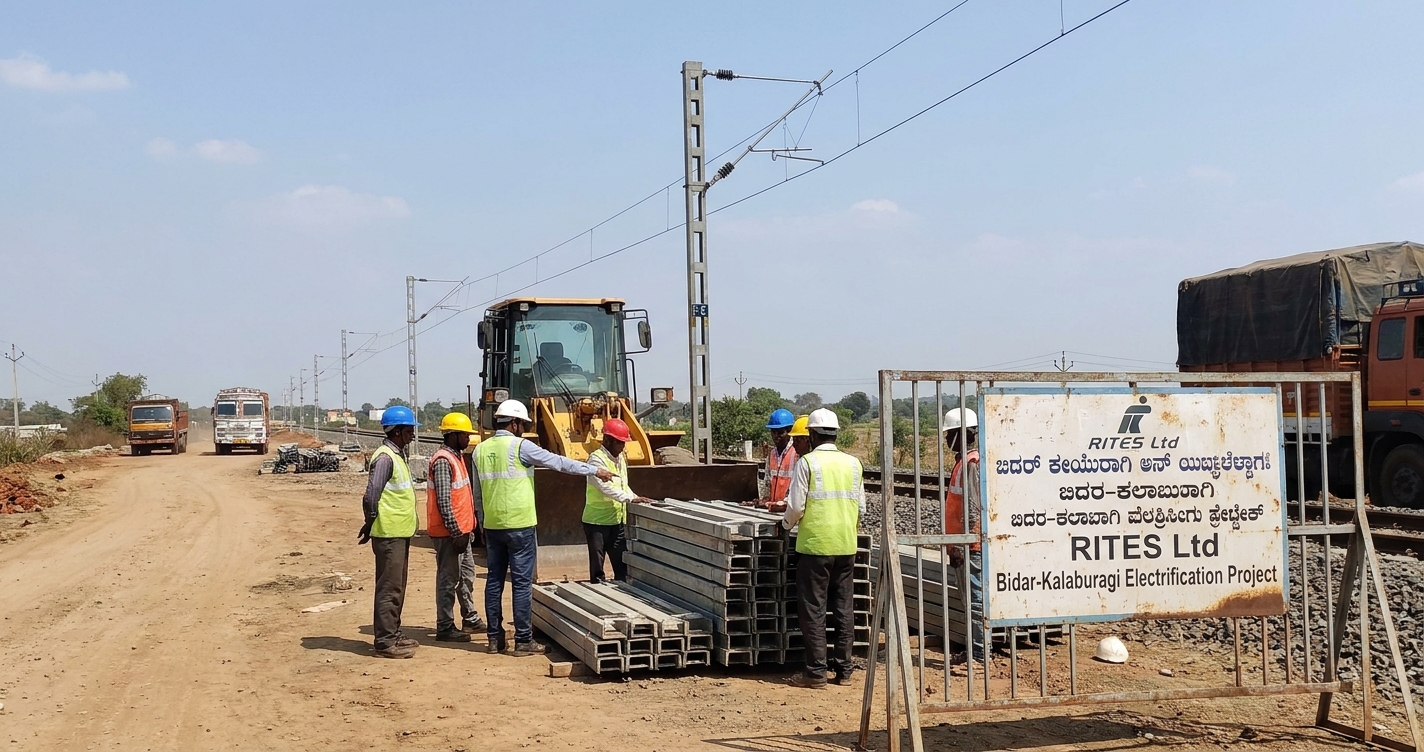
RITES' 58% repricing of the Bidar–Kalaburagi electrification mandate shows how cost-plus turnkey contracting shifts escalation risk from consultant to
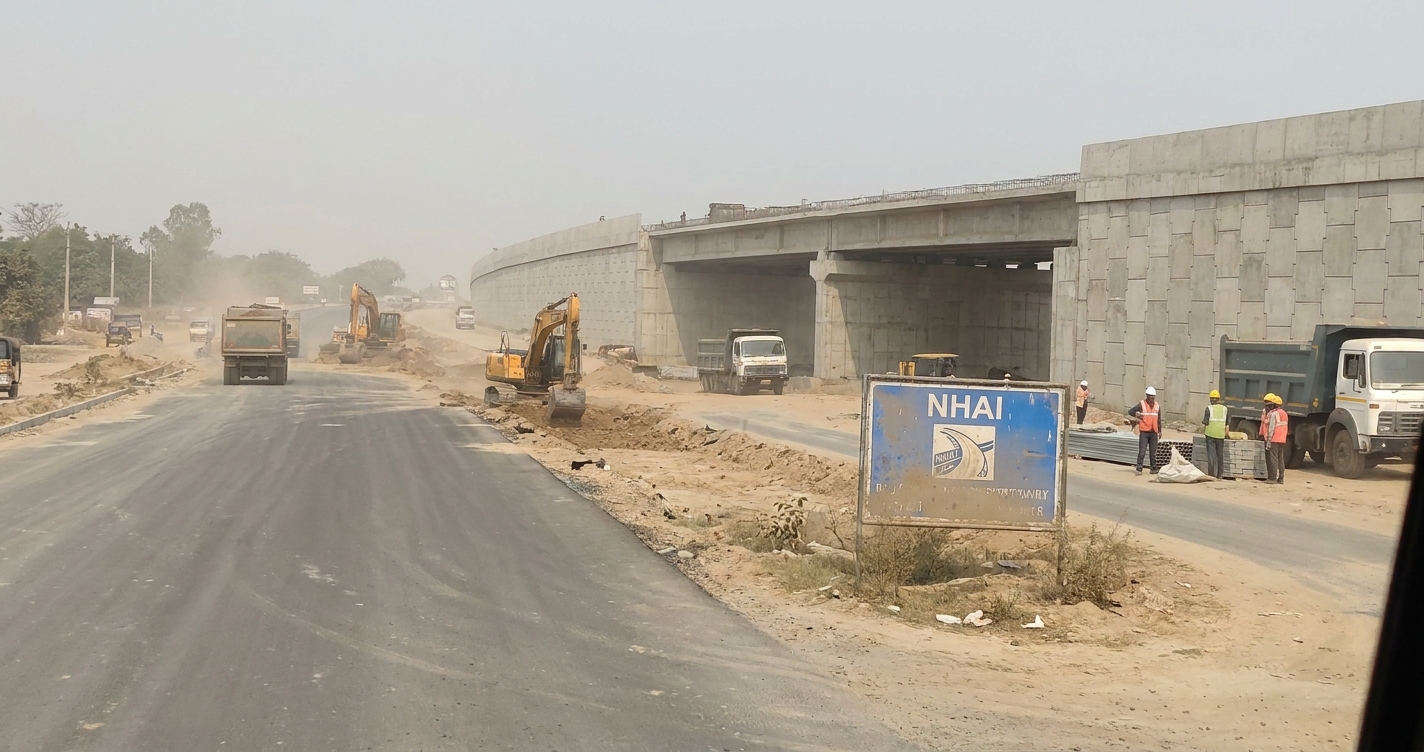
NHAI's 21 September 2026 design guidelines lock uniform 60-70m right-of-way and structure standards for 4-lane and 6-lane high-speed corridors, reshap
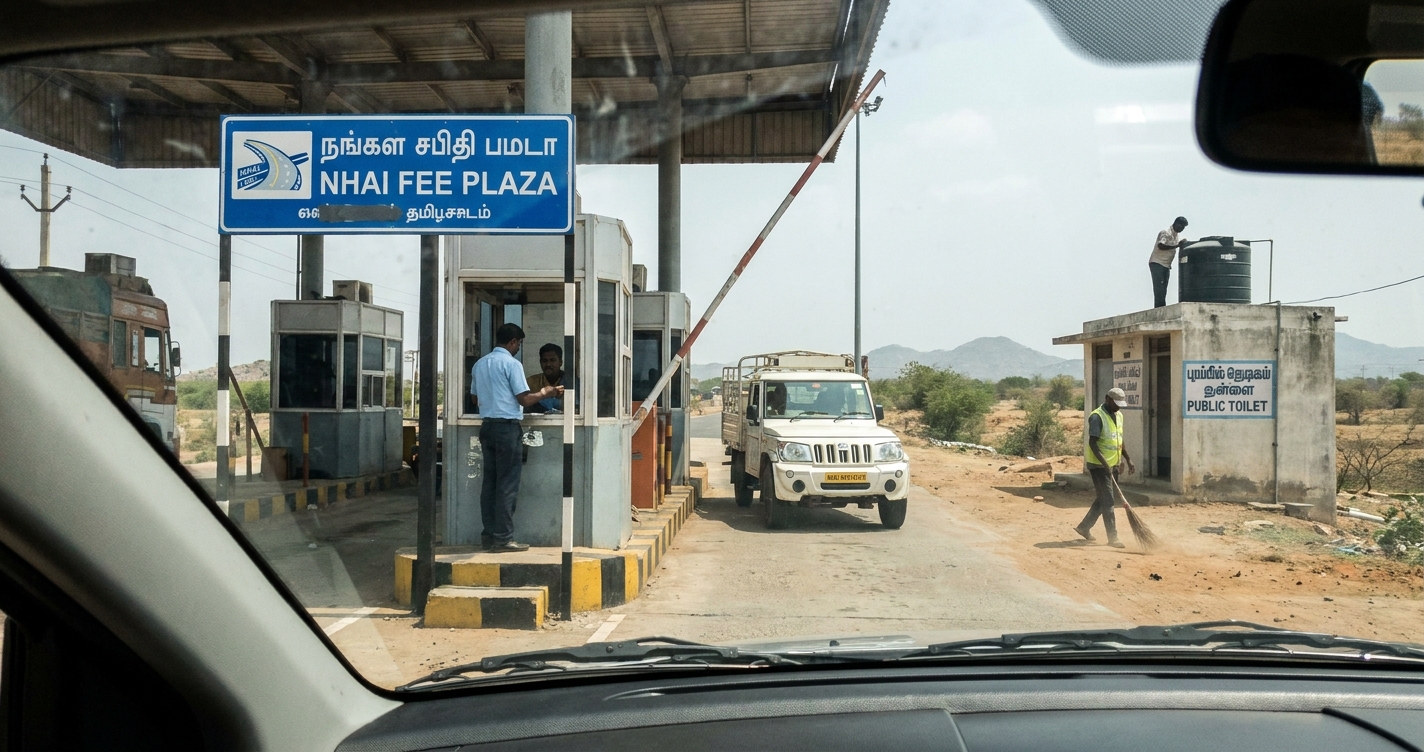
Hazoor Multi Projects' Rs 200-crore NHAI award in Tamil Nadu is a user fee collection and maintenance mandate, not a construction order — and that dis


Powered by

© Tuskus 2025 - All Rights Reserved by Teamic Creative Lab Pvt. Ltd.
