Four bidders, including Adani Ports and DP World, have entered the Rs 22,323-crore offshore package for Vadhvan Port - dredging and 1,207 hectares of


insghits
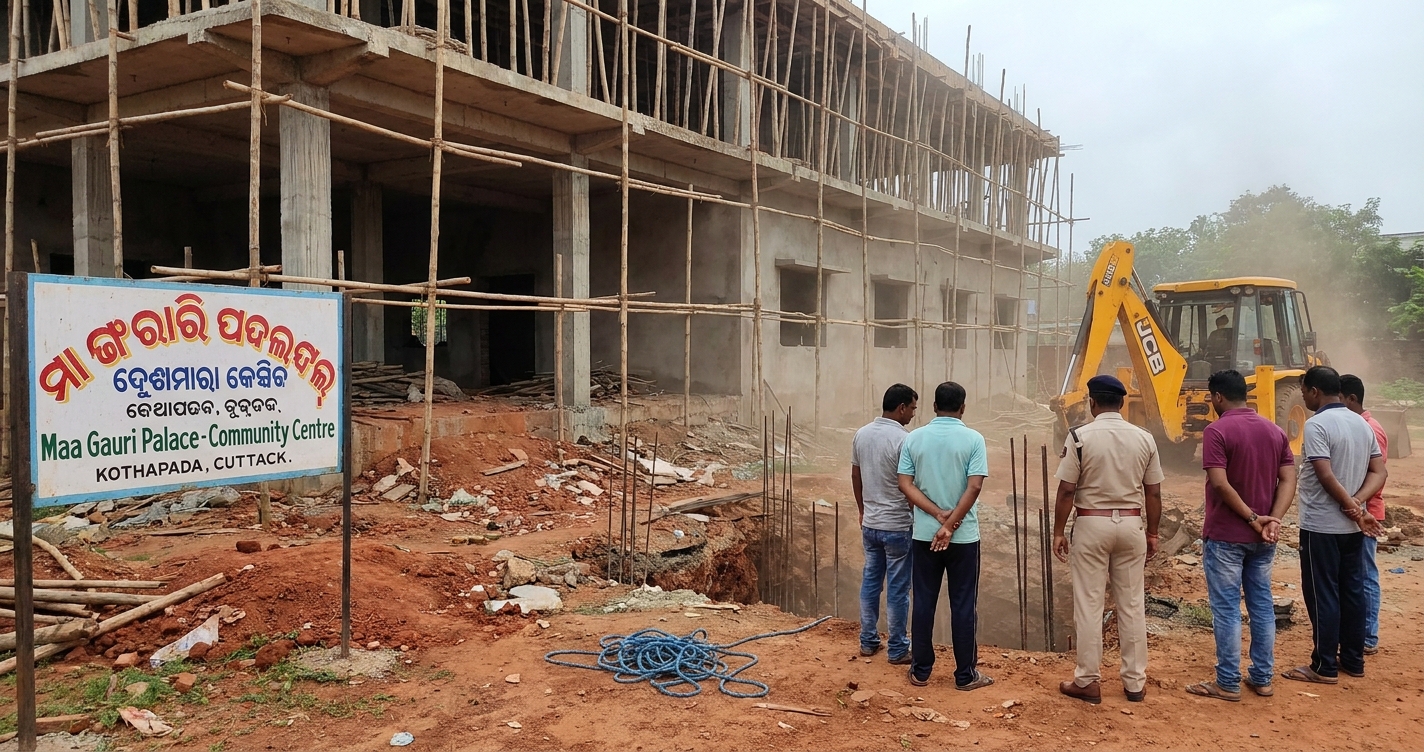
A 33-year-old labourer died of suspected asphyxiation while removing centering materials from an under-construction sewage tank at Maa Gauri Palace, a community centre in Kothapada, Cuttack, on 6 August 2026.
His co-worker, Ghanashyam Sahu (22), remains in critical condition at SCB Medical College and Hospital.
The deceased, Pramod Jena, entered the tank after Sahu cried for help from inside the narrow opening. Both became trapped.
Locals eventually pulled them out, but Jena was declared dead at Mahanga Community Health Centre.
Police have registered an unnatural death case. The project owner, identified as one Ranjan Balabantray, has not been named in any safety violation proceedings as of reporting.
The incident mirrors a near-identical fatality reported barely ten days earlier — on 26 July, a security guard and a worker died of asphyxiation inside a septic tank in Noida, Uttar Pradesh. The recurrence within the same fortnight points to a structural failure, not isolated negligence.
India’s Building and Other Construction Workers Act (BOCW Act, 1996) and the related Central Rules mandate specific safety protocols for confined space entry:
- Atmospheric testing before entry
- Forced ventilation
- Harnesses with lifelines
- Standby personnel
- Emergency retrieval plans
On paper, none of this was present at the Kothapada site.
The enforcement vacuum is most acute for private, small-scale projects — community halls, residential buildings, and small commercial establishments — where project owners rarely register under the BOCW Act, contractors remain informal, and labourers operate without safety training or personal protective equipment.
Unlike publicly funded infrastructure projects, where contract conditions increasingly mandate safety compliance and contractor pre‑qualification filters out the worst offenders, the unregulated small-project segment has no such gatekeeping mechanism.
For infrastructure contractors and developers operating in Odisha, the Cuttack fatality carries indirect exposure. Every confined‑space death in the state tightens the scrutiny environment.
The Odisha Factories and Boilers Organisation and the Directorate of Factories and Boilers have, in recent years, stepped up inspections on industrial and infrastructure sites following fatal incidents. A spillover effect onto medium and large construction sites — even those with compliance systems in place — is inevitable when public and judicial attention sharpens.
Commercially, the pattern raises the cost of non‑compliance. When courts and state human rights commissions take cognisance of recurring worker deaths, compensation liabilities escalate, insurance premiums harden, and project owners face retroactive penal action.
For the unnamed contractor at the Kothapada site — and for Ranjan Balabantray as the project owner — the legal exposure extends beyond the police investigation to potential claims under the BOCW Act and workmen’s compensation laws.
The real industry signal is not about one fatality in Cuttack. It is about a two‑tier safety regime in Indian construction: one for audited, contract‑governed infrastructure projects, and another — entirely unregulated — for the thousands of small private sites where the majority of India’s construction workforce actually operates.
The gap is not regulatory. It is enforcement capacity.
Until state labour departments and municipal bodies build the muscle to inspect small‑project sites — or until project owners and informal contractors are held personally and criminally liable for confined‑space deaths — the fortnightly fatality count will not drop.
The real industry signal is not about one fatality in Cuttack. It is about a two‑tier safety regime in Indian construction: one for audited, contract‑governed infrastructure projects, and another — entirely unregulated — for the thousands of small private sites where the majority of India’s construction workforce actually operates. The gap is not regulatory. It is enforcement capacity.
Insights
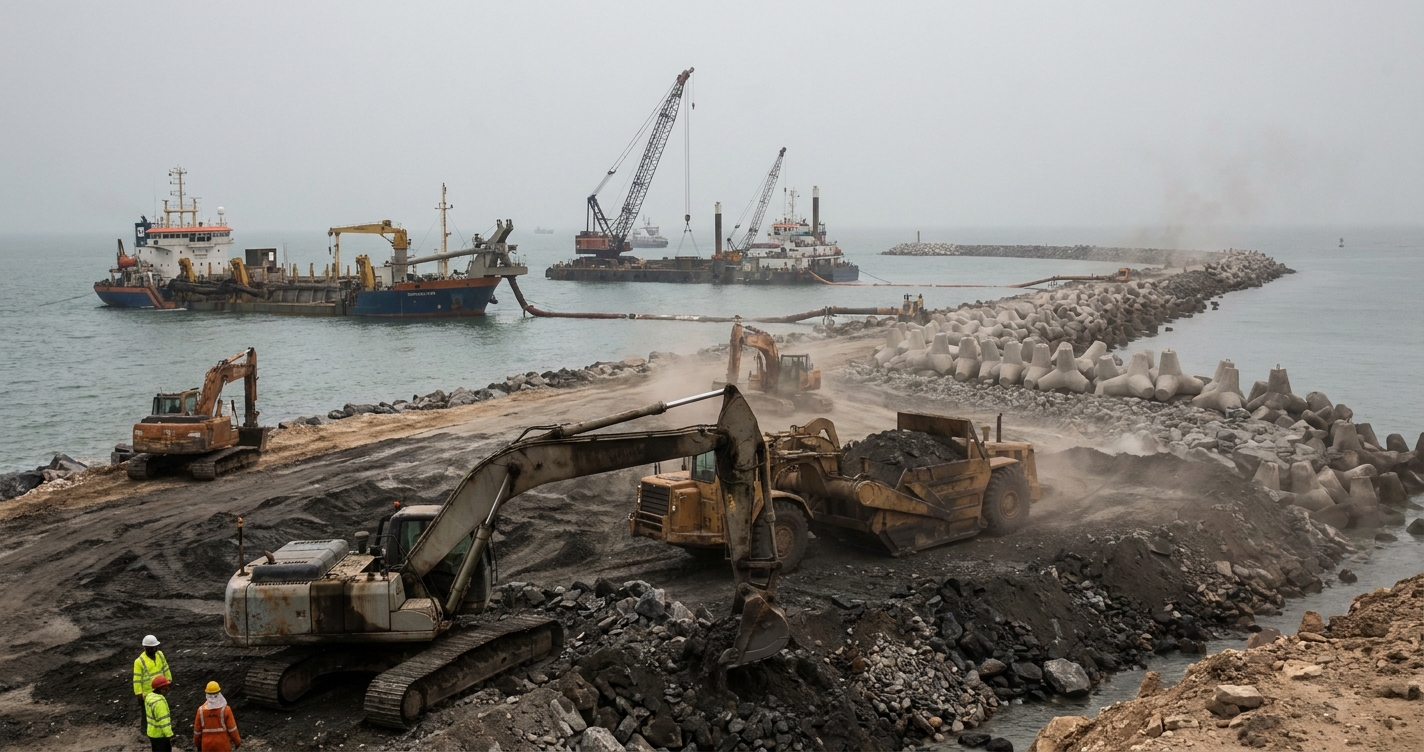
Four bidders, including Adani Ports and DP World, have entered the Rs 22,323-crore offshore package for Vadhvan Port - dredging and 1,207 hectares of
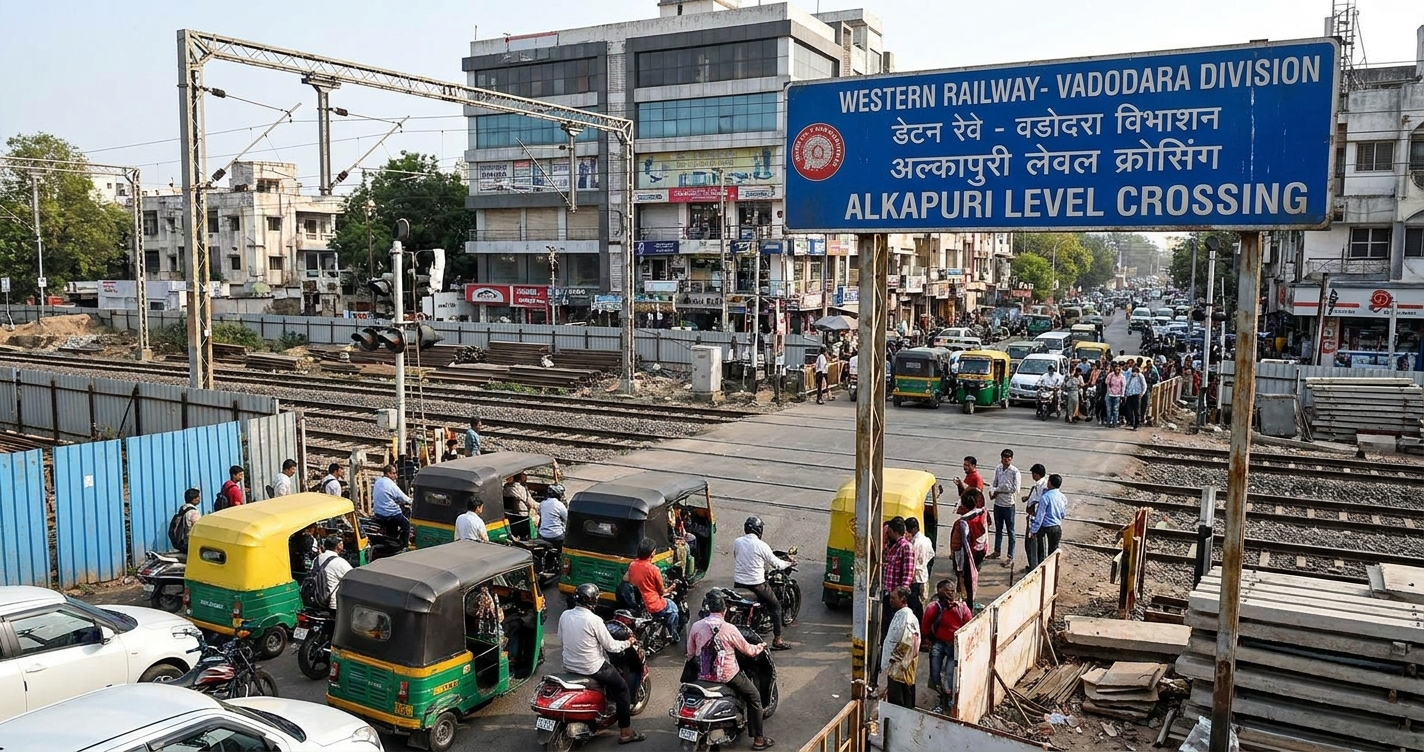
Indian Railways has approved a four-lane Road Over Bridge at Alkapuri in Western Railway's Vadodara division, with the Ministry of Railways and the Gu
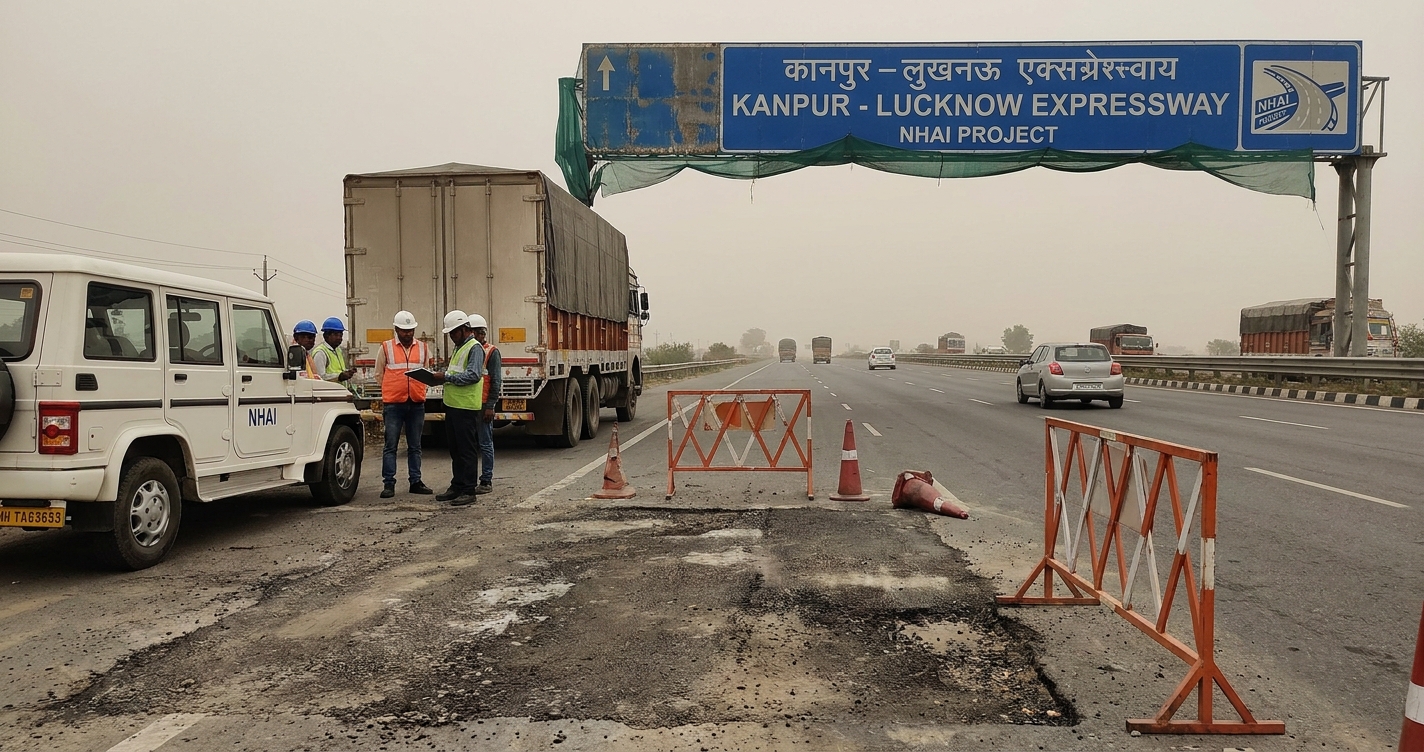
NHAI's two-year debarment of Theme Engineering Services over the Kanpur-Lucknow Expressway moves accountability from contractors to independent engine


Powered by

© Tuskus 2025 - All Rights Reserved by Teamic Creative Lab Pvt. Ltd.
