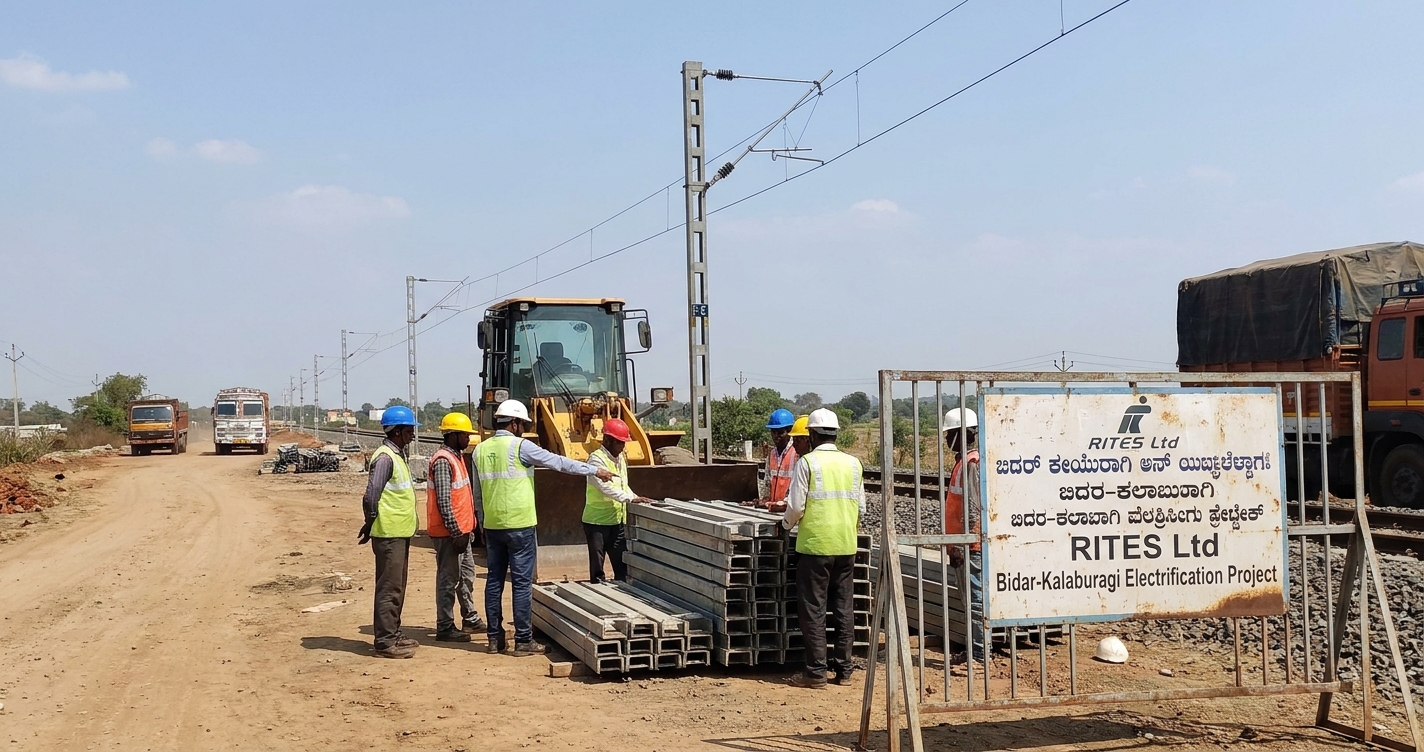
RITES' 58% repricing of the Bidar–Kalaburagi electrification mandate shows how cost-plus turnkey contracting shifts escalation risk from consultant to


insghits
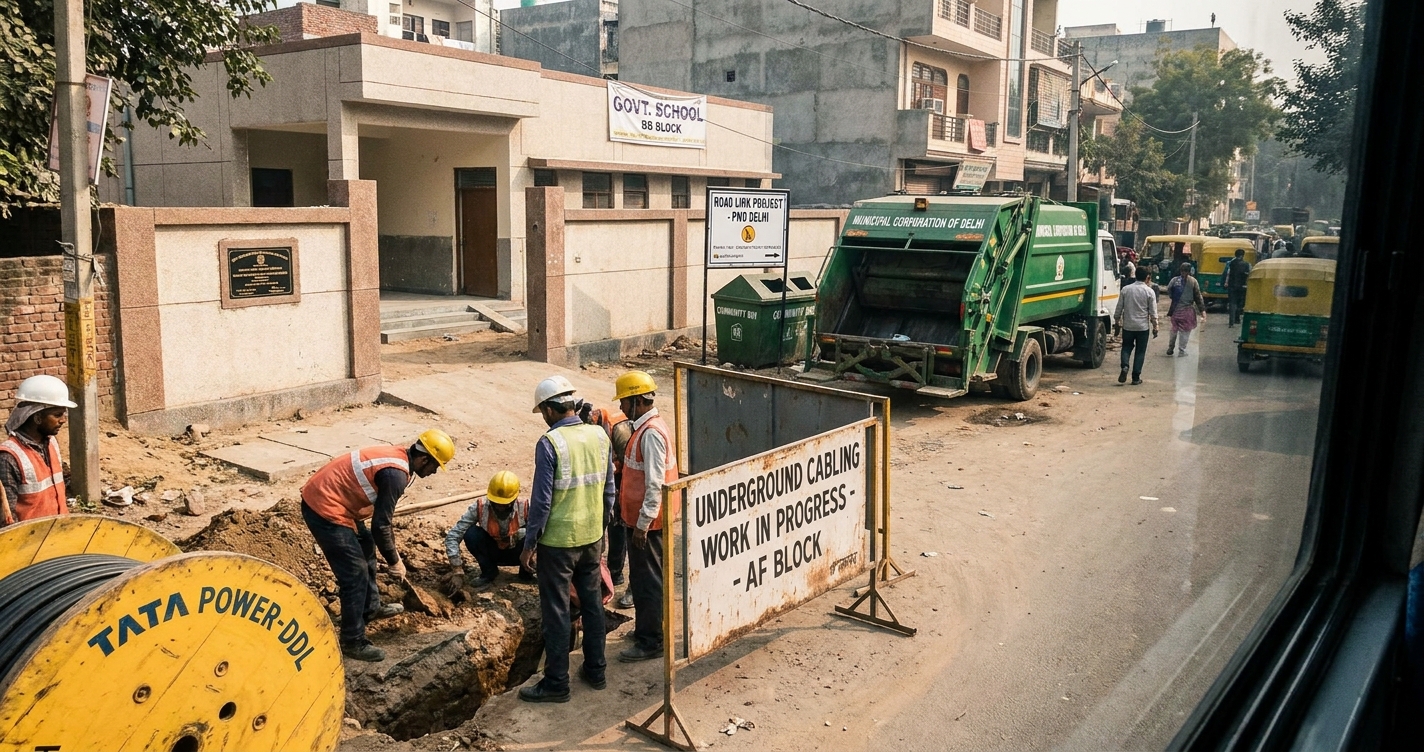
The Delhi government, led by Chief Minister Rekha Gupta, inaugurated a dispersed bundle of neighbourhood works across Shalimar Bagh and Pitampura on Sunday.
The works included:
- A school building in BB Block
- Underground power cabling in AF Block and along the C&D Block main road
- A road link from Shri Guru Gobind Singh College to Ring Road
- A toilet block at Nehru Camp in Haiderpur
- A waste compactor at SP-TP Block
- Park upgrades across 13 sites in YP and WP Blocks
For contractors, the commercial signal is not the works themselves but the structure.
The highest-ticket item cited is a Rs 2.84 crore road connector — sub-scale for any Tier-1 EPC balance sheet and likely below the bidding threshold that large players actively pursue.
What Delhi is demonstrating is a disaggregated capital deployment model: dozens of small, individually inaugurated works routed through line departments — Public Works Department for roads, the Municipal Corporation of Delhi for sanitation and parks, the education department for the school, and the local discom for cabling.
The underground cabling component is the most commercially relevant stream.
Shalimar Bagh falls within Tata Power Delhi Distribution Limited's licence area. Converting overhead conductors to underground cable is regulator-approved network capex that recurs across distribution territories.
Unlike the one-off road link, undergrounding generates a repeatable supply-and-installation pipeline for cable, trenching and jointing contractors — though the discom, not the state, typically runs that procurement.
Development should not be limited to large projects but reach every street, every colony and every citizen.
Rekha Gupta's framing is effectively a procurement directive.
It points toward higher-frequency, lower-value tenders, fragmented award flow and local execution.
That favours small and mid-sized Delhi contractors with municipal registration and penalises national players whose cost structures require aggregated packages.
The risk sits in coordination. Multiple executing agencies, no named lead contractor, and individual inauguration events suggest delivery will be managed department-by-department rather than through an integrated program office.
That raises interface risk on the road-cabling overlap and makes cost and schedule performance harder to benchmark.
Delhi's early capital push under Rekha Gupta is testing whether a high-frequency micro-project pipeline can deliver visible urban improvement faster than lumpy flagship projects.
If the model sticks, infrastructure spend in the capital becomes a volume game — many small awards, thin margins, fast churn — rather than a large-EPC opportunity.
Insights
RITES' 58% repricing of the Bidar–Kalaburagi electrification mandate shows how cost-plus turnkey contracting shifts escalation risk from consultant to
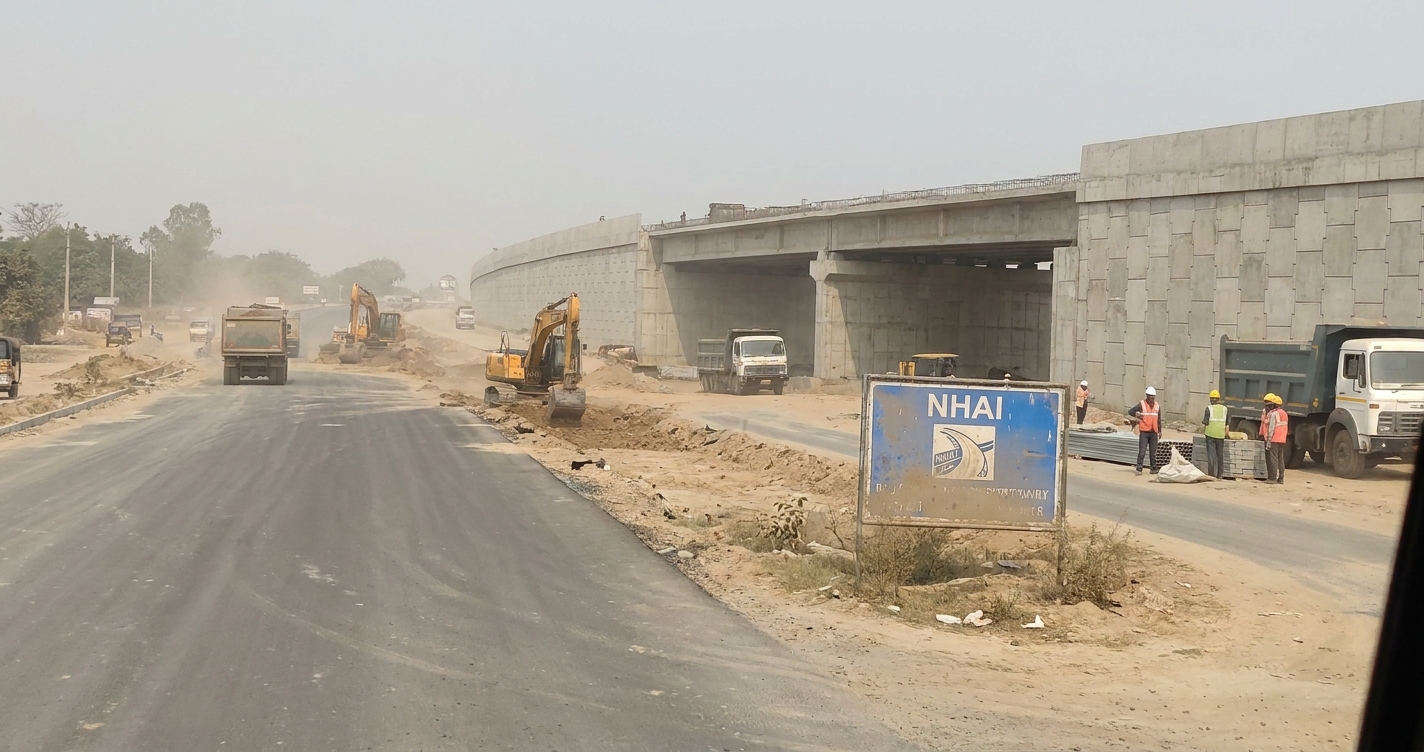
NHAI's 21 September 2026 design guidelines lock uniform 60-70m right-of-way and structure standards for 4-lane and 6-lane high-speed corridors, reshap

Hazoor Multi Projects' Rs 200-crore NHAI award in Tamil Nadu is a user fee collection and maintenance mandate, not a construction order — and that dis


Powered by

© Tuskus 2025 - All Rights Reserved by Teamic Creative Lab Pvt. Ltd.
