RITES' 58% repricing of the Bidar–Kalaburagi electrification mandate shows how cost-plus turnkey contracting shifts escalation risk from consultant to


insghits
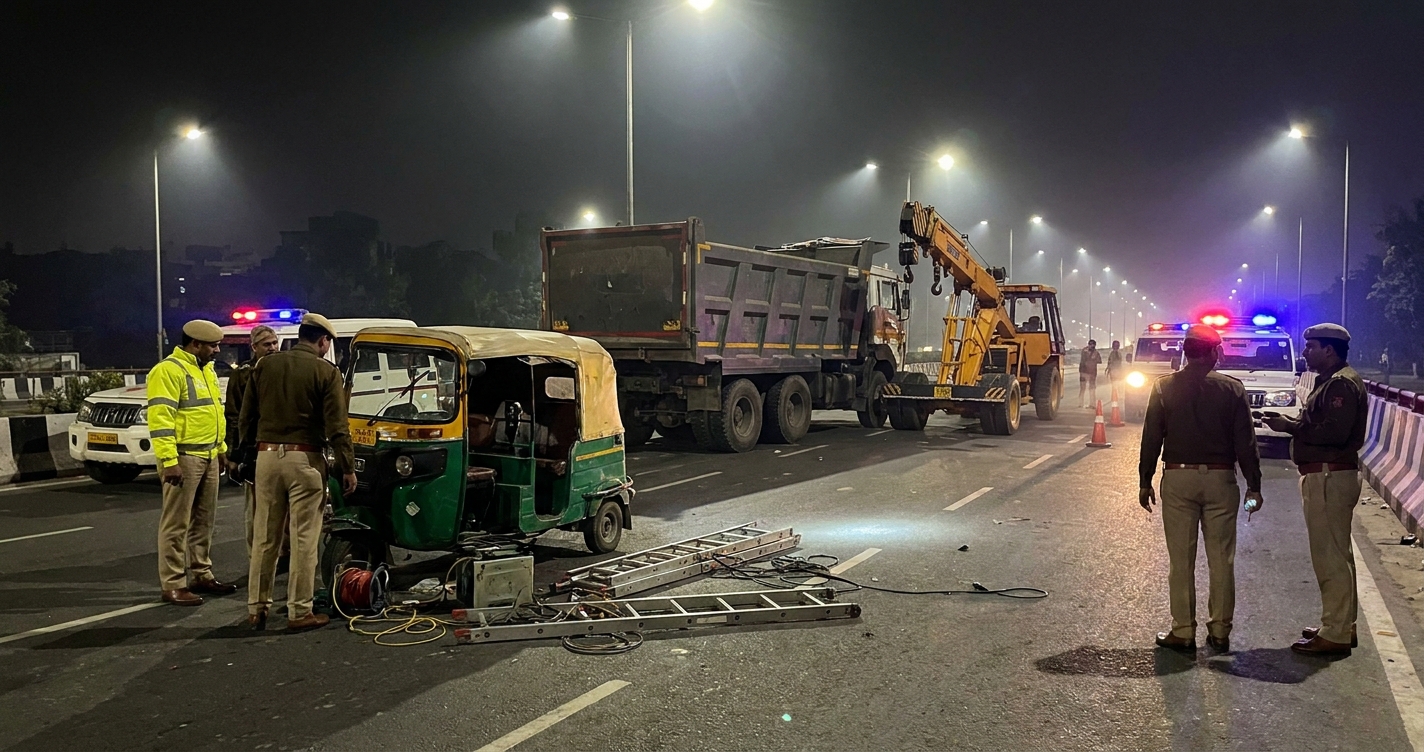
Four workers installing CCTV cameras for Delhi Traffic Police were killed at 3.20 am in Sarita Vihar when a dumper struck a stationary crane and then the auto-rickshaw carrying the crew.
Umesh, Praveen, Anoop and Suraj died; Akash alias Tushar remains hospitalised. Delhi Police has seized the dumper and apprehended the driver after he fled.
Investigators are now reconstructing the site—crane positioning, the Noida approach route, vehicle speed, and whether any traffic management plan was actually deployed.
The delivery chain behind the site is the sharper story for infrastructure operators.
Delhi Traffic Police holds the night-work permission of 10 pm to 5 am, but the crew was engaged by an unnamed CCTV contractor on informal terms: Rs 350 per night per worker, plus Rs 500 for auto-rickshaw rental and CNG.
Those numbers point to a thin-margin, subcontracted installation model in which roadside traffic enforcement assets are delivered through informal night labour rather than a supervised crew.
An auto-rickshaw doubled as the worksite vehicle, and relatives allege barricades, blinkers and warning signs were not visible.
The compliance gap is structural, not incidental.
Night work on a live corridor demands a traffic management plan—advance warning, delineation, positive protection and worker visibility—as a contractual and statutory obligation, not a discretionary add-on.
When the client holds the permission and the contractor holds the labour, accountability for the road safety zone fragments.
The investigation will test whether the unnamed contractor carried site-safety liability and whether Delhi Traffic Police verified the traffic management plan before the shift began.
Work-zone safety is moving from a compliance footnote to a contract-risk item.
For contractors and system integrators bidding urban traffic infrastructure packages, the signal is unambiguous. Expect authorities to tighten requirements in several areas:
- Delhi Police and municipal road authorities tightening night-work clauses
- Documented traffic management plans made mandatory
- Named safety supervisors required on site
- Liability pushed down to the executing contractor
The margin pressure at the bottom of this delivery chain—where a worker is priced at Rs 350 a night—is precisely where the risk accumulates.
Four families now bear the human cost of that unmanaged gap.
Insights
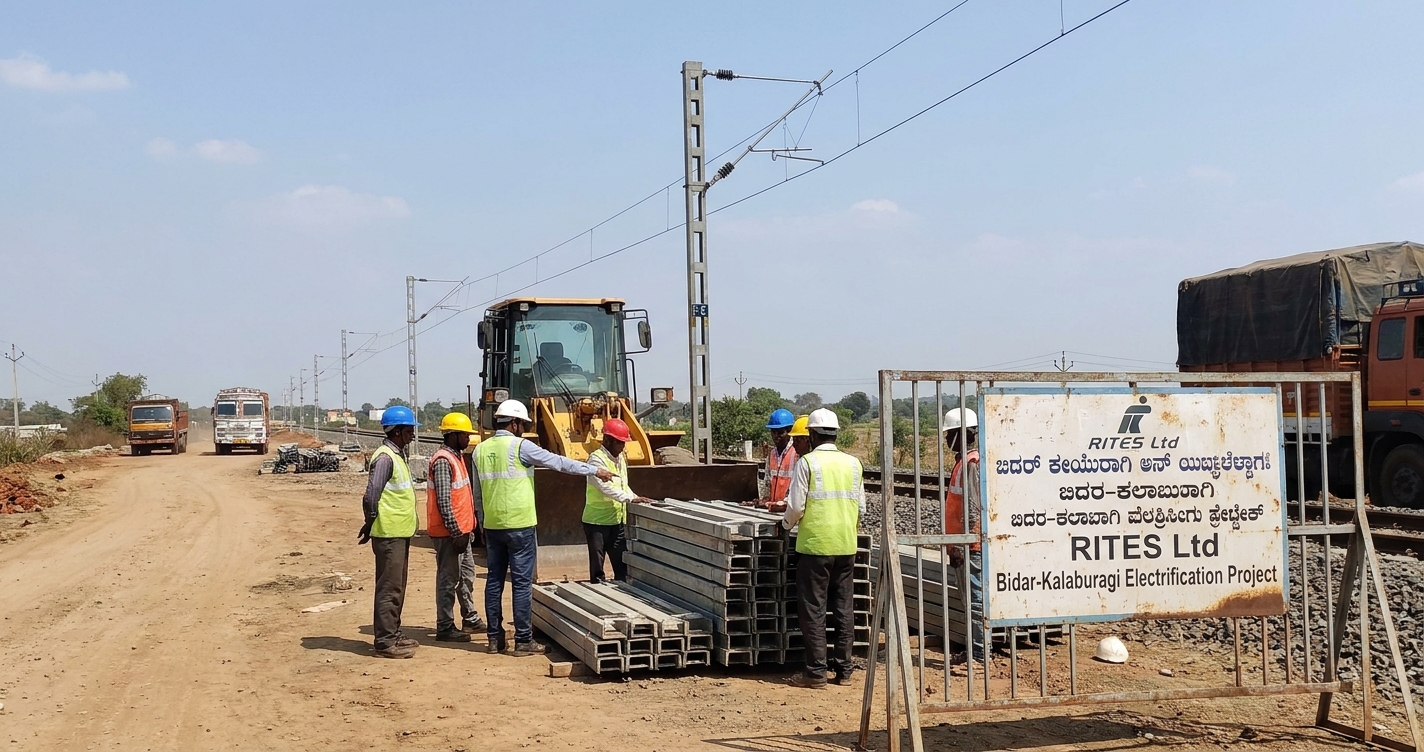
RITES' 58% repricing of the Bidar–Kalaburagi electrification mandate shows how cost-plus turnkey contracting shifts escalation risk from consultant to
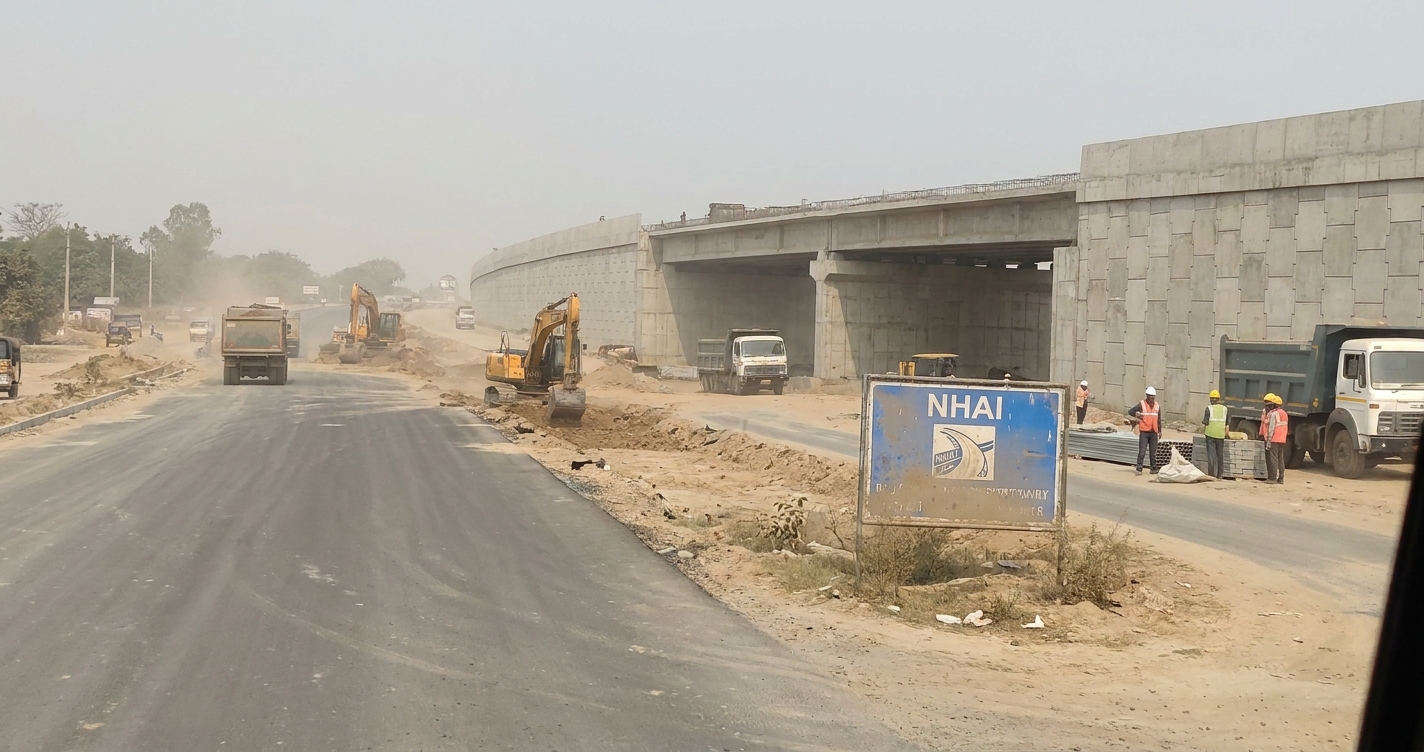
NHAI's 21 September 2026 design guidelines lock uniform 60-70m right-of-way and structure standards for 4-lane and 6-lane high-speed corridors, reshap
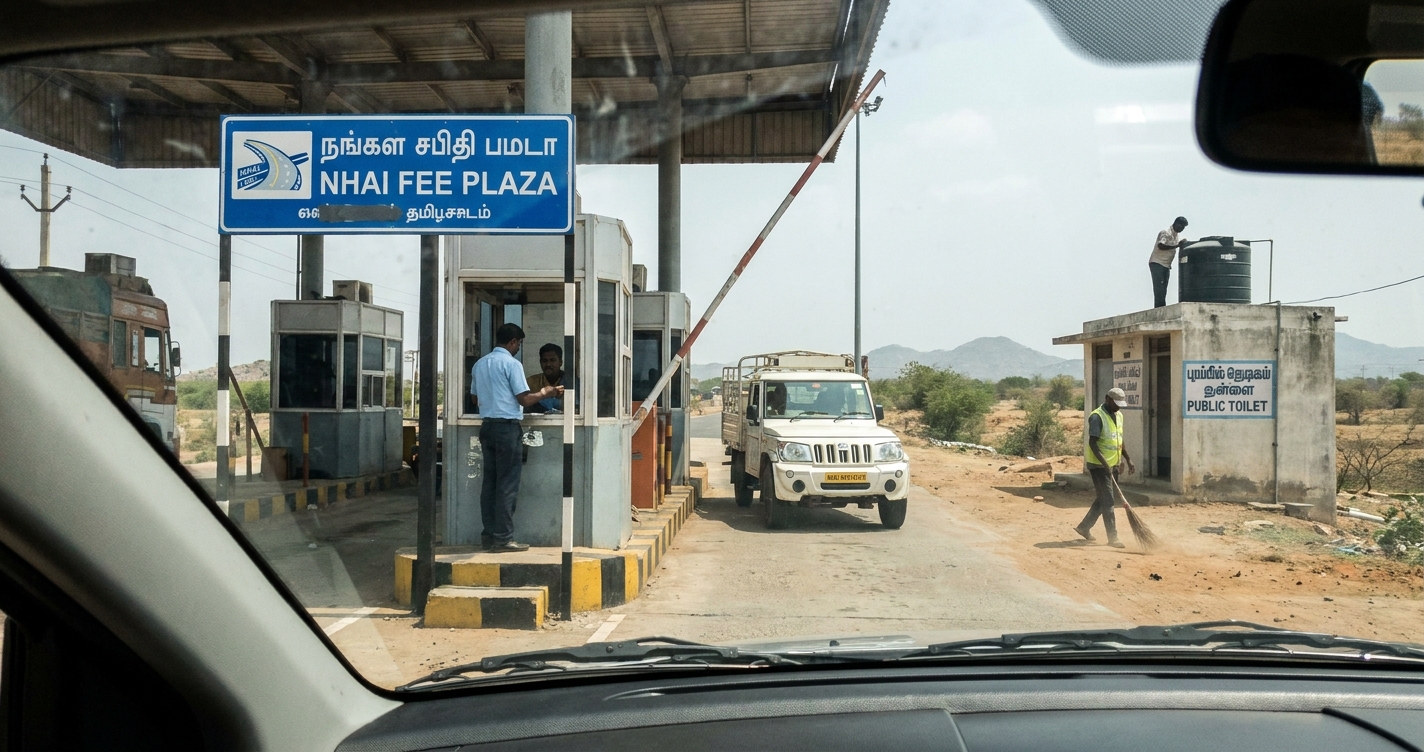
Hazoor Multi Projects' Rs 200-crore NHAI award in Tamil Nadu is a user fee collection and maintenance mandate, not a construction order — and that dis


Powered by

© Tuskus 2025 - All Rights Reserved by Teamic Creative Lab Pvt. Ltd.
