RITES' 58% repricing of the Bidar–Kalaburagi electrification mandate shows how cost-plus turnkey contracting shifts escalation risk from consultant to


insghits
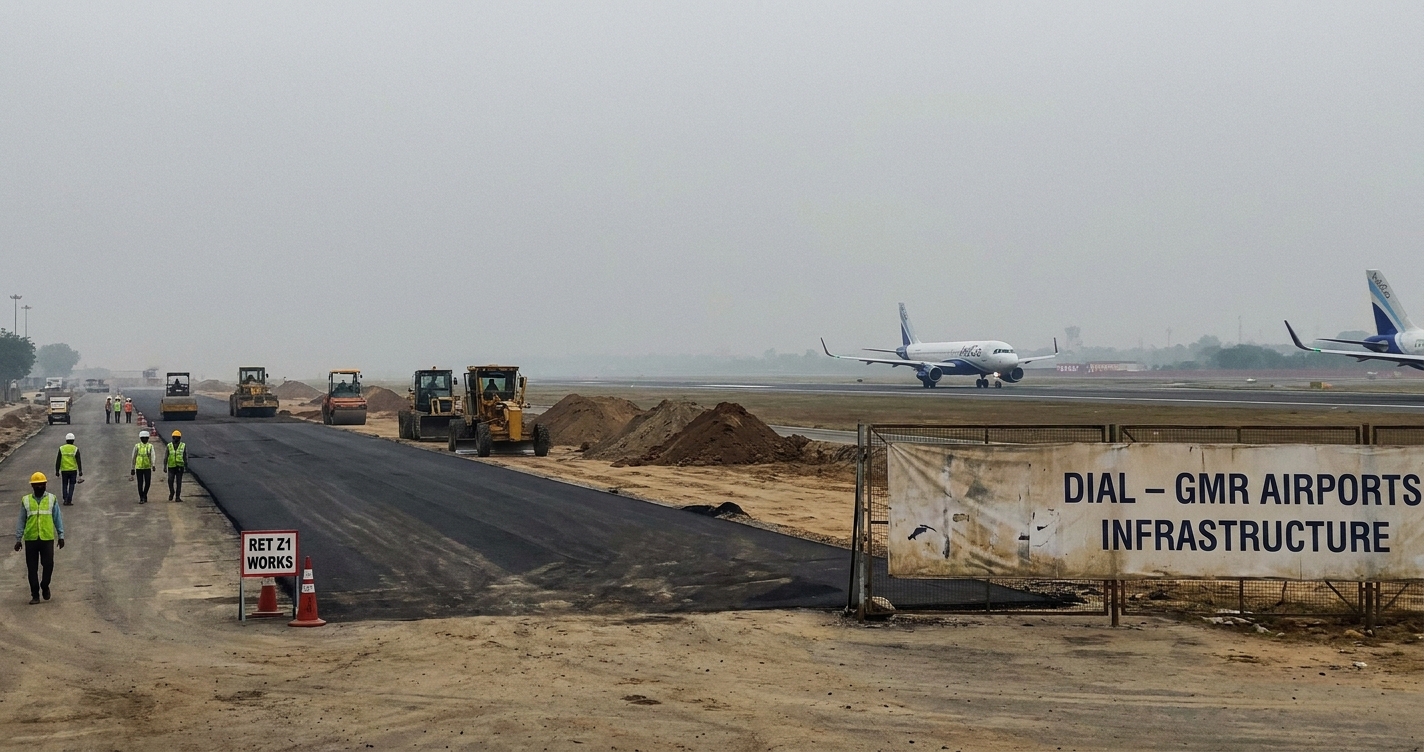
Delhi International Airport Limited (DIAL) recommissioned Runway 11R/29L on 20 September after a rehabilitation programme that began in February 2026.
For GMR Airports Infrastructure-controlled DIAL, this is less a ribbon-cutting than a test of brownfield airside delivery.
Resurfacing, pavement strengthening, a permanent threshold displacement on Runway 29L, a new Rapid Exit Taxiway (RET Z1) and airfield ground lighting upgrades were executed while India's busiest airport stayed commercially intact.
The quiet enabler is Runway 11L/29R, Delhi's fourth runway, commissioned in July 2023.
Its arrival gave DIAL the redundant capacity to take the third runway offline for roughly seven months without triggering the slot losses and winter-schedule disruption that would have made this programme commercially unviable.
That sequencing is the real story: rehabilitation capital only works when an operator already owns spare runway geometry.
Operationally, the scope is capacity engineering rather than mere repair. Three interventions carry the operational weight:
- The RET Z1 shortens runway occupancy time, lifting throughput per movement
- The permanent threshold displacement reconfigures usable length
- Upgraded airfield ground lighting strengthens low-visibility operations—material for Delhi's winter fog window
CEO-DIAL Pradeep Panicker framed it as future-ready infrastructure, but the sharper signal is lifecycle discipline: Runway 11R/29L had run for 17 years since 2008, with only minor rehabilitation in 2017.
Regulatory orchestration involved the Directorate General of Civil Aviation, Airports Authority of India, Air Traffic Control and airlines—an approval and coordination stack that determines how quickly airside assets return to service.
DIAL carries the capital expenditure and execution risk under its concession, with recovery ultimately routed through tariff and non-aero revenue.
The contractor was not disclosed, a reminder that specialist airside works remain concentrated in a narrow set of firms with proven pavement, electrical and airfield systems capability.
For infrastructure professionals, the signal is structural:
Runway redundancy is becoming a precondition for asset renewal, and private airport operators are converting it into a repeatable rehabilitation vertical—capacity preserved, revenue protected and runway life extended.
Insights
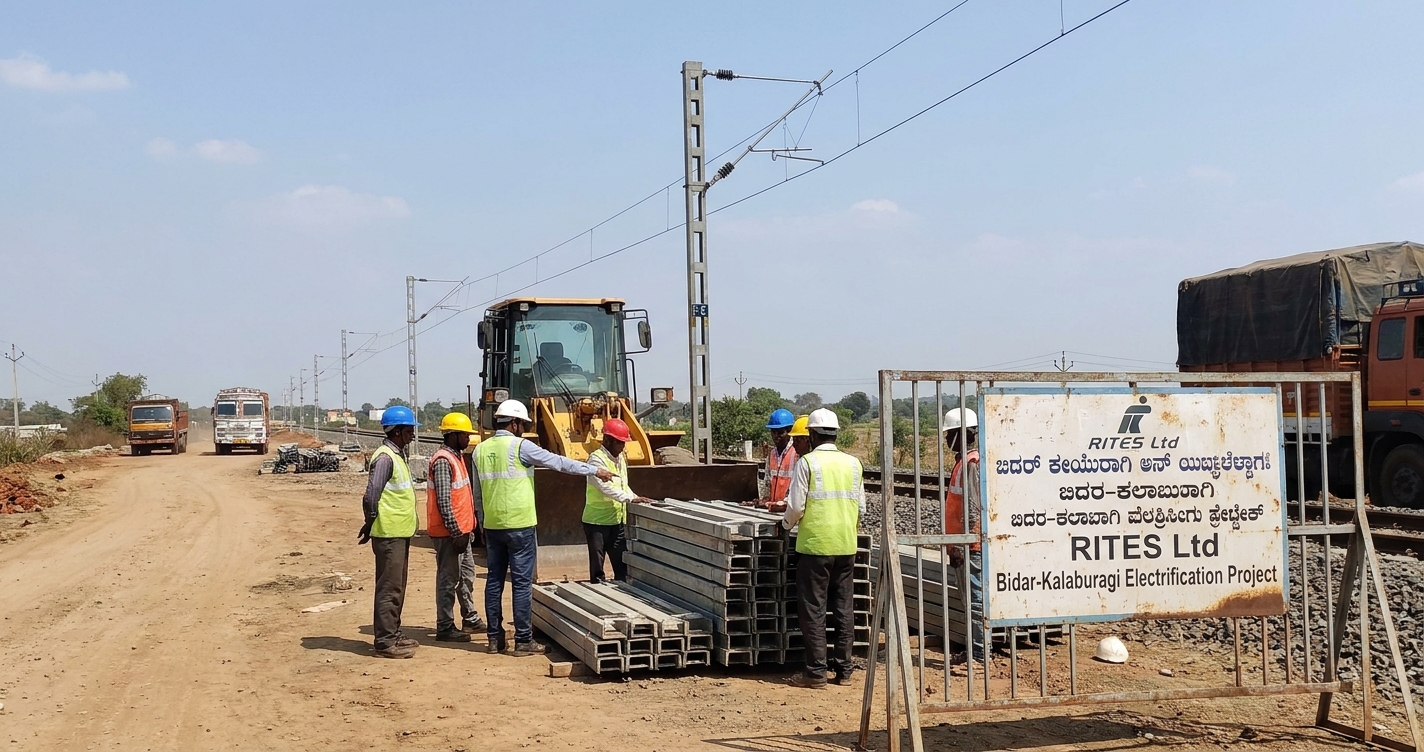
RITES' 58% repricing of the Bidar–Kalaburagi electrification mandate shows how cost-plus turnkey contracting shifts escalation risk from consultant to
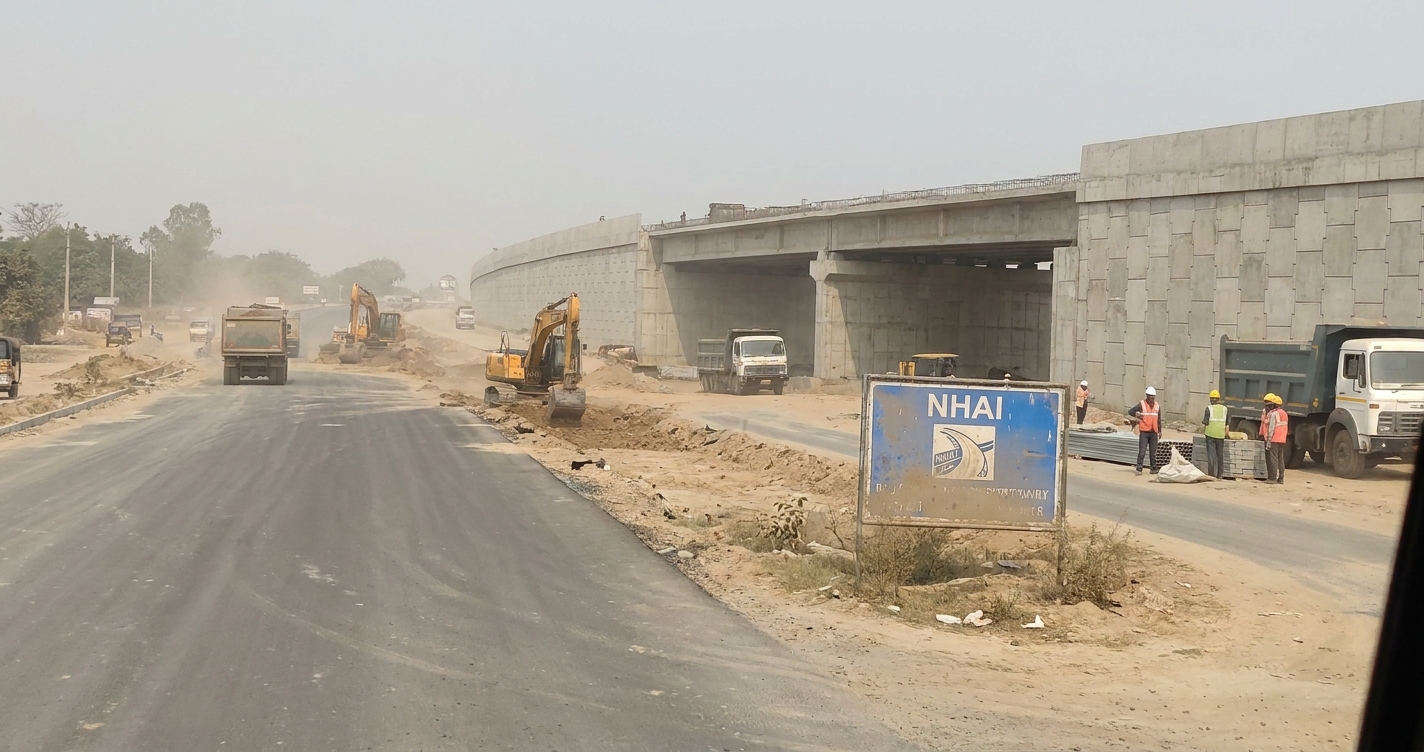
NHAI's 21 September 2026 design guidelines lock uniform 60-70m right-of-way and structure standards for 4-lane and 6-lane high-speed corridors, reshap
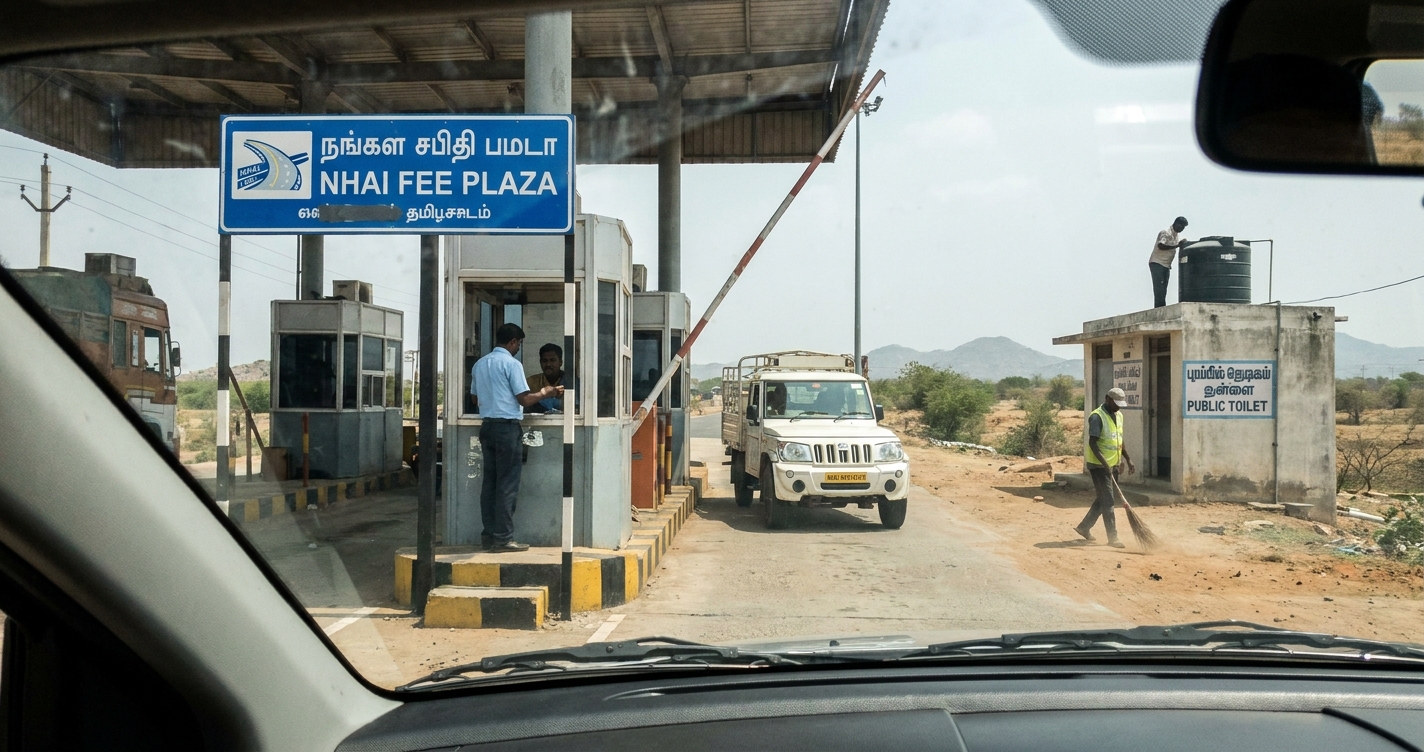
Hazoor Multi Projects' Rs 200-crore NHAI award in Tamil Nadu is a user fee collection and maintenance mandate, not a construction order — and that dis


Powered by

© Tuskus 2025 - All Rights Reserved by Teamic Creative Lab Pvt. Ltd.
