RITES' 58% repricing of the Bidar–Kalaburagi electrification mandate shows how cost-plus turnkey contracting shifts escalation risk from consultant to


insghits
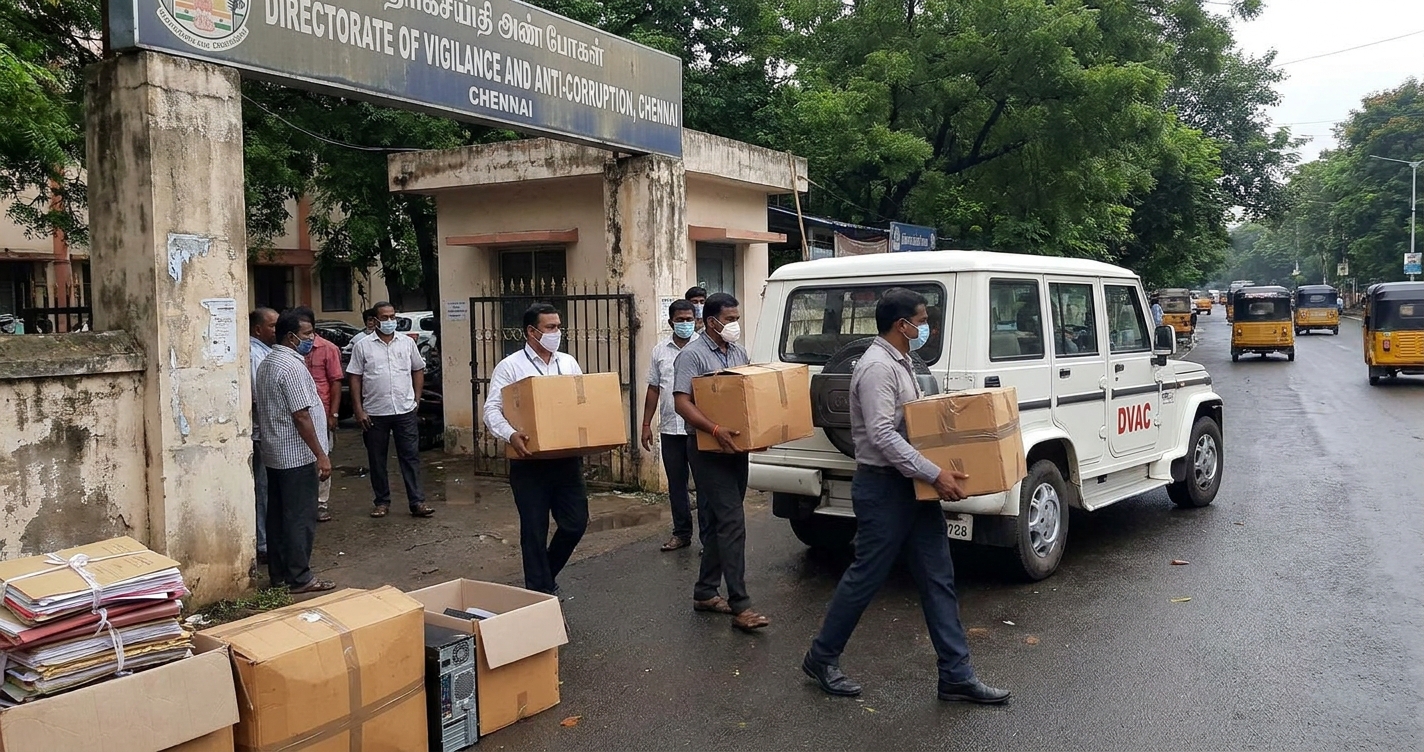
The Directorate of Vigilance and Anti-Corruption (DVAC) has moved decisively against procurement conduct in Tamil Nadu's water infrastructure segment, registering a First Information Report under the Prevention of Corruption Act over alleged tender irregularities inside the Municipal Administration and Water Supply Department.
The complaint targets activity during the previous administration, shifting enforcement attention onto how urban water supply contracts were structured, evaluated and awarded.
Searches across thirty locations in Chennai, Coimbatore, Trichy, Erode and Tiruppur, including premises linked to relatives and associates, yielded 241 incriminating documents and electronic evidence.
That breadth matters. It signals investigators tracing decision chains beyond the department itself and into the private parties that may have benefited from skewed tender conditions.
For contractors and EPC players active in Tamil Nadu's urban water supply pipeline, the probe carries three immediate implications.
- Retrospective scrutiny now sits alongside forward-looking bid compliance. Awards cleared under earlier procurement regimes can resurface as investigation material, creating legal and balance-sheet exposure even after financial closure.
- Tender-condition integrity — covering eligibility tailoring, technical qualification thresholds and price-bid structuring — is now a defined enforcement target rather than a theoretical risk.
- Documentation and electronic records are proving decisive: the seizure count suggests audit trails, communications and bid files will drive culpability determinations.
The Municipal Administration and Water Supply Department sits at the centre of Tamil Nadu's drinking water and sewerage delivery apparatus.
Its tendering volume spans urban local bodies, dedicated water supply schemes and distribution-network works — exactly the kind of fragmented, high-frequency procurement where irregularities can hide across multiple award cycles.
The DVAC action effectively places that entire award history under a compliance cloud.
The commercial signal is structural rather than isolated. Anti-corruption enforcement is becoming a procurement-cost variable.
Contractors that treated tender manipulation as an environmental risk must now treat integrity controls, bid documentation discipline and counterparty due diligence as execution-critical capabilities.
The firms that survive this shift will be those whose bid files withstand forensic review, not those with the sharpest relationship networks.
Insights
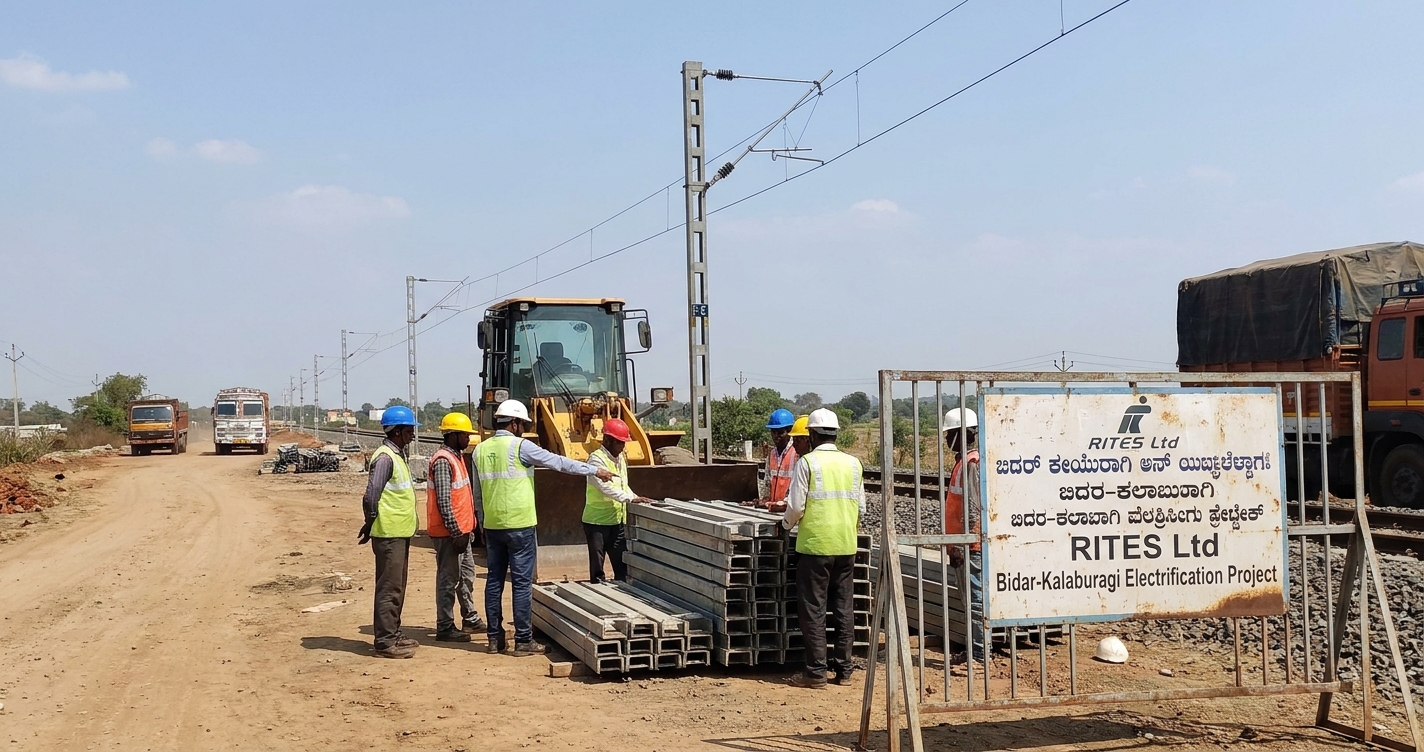
RITES' 58% repricing of the Bidar–Kalaburagi electrification mandate shows how cost-plus turnkey contracting shifts escalation risk from consultant to
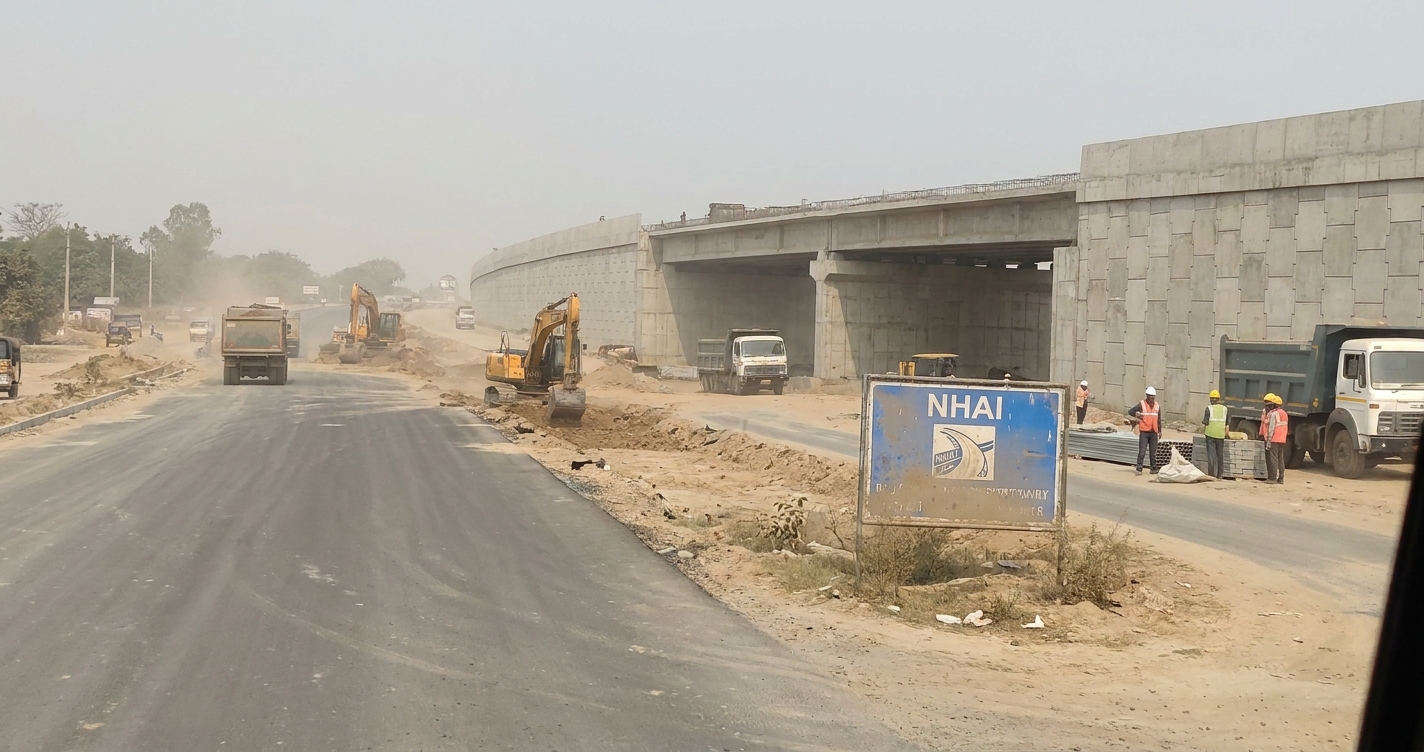
NHAI's 21 September 2026 design guidelines lock uniform 60-70m right-of-way and structure standards for 4-lane and 6-lane high-speed corridors, reshap
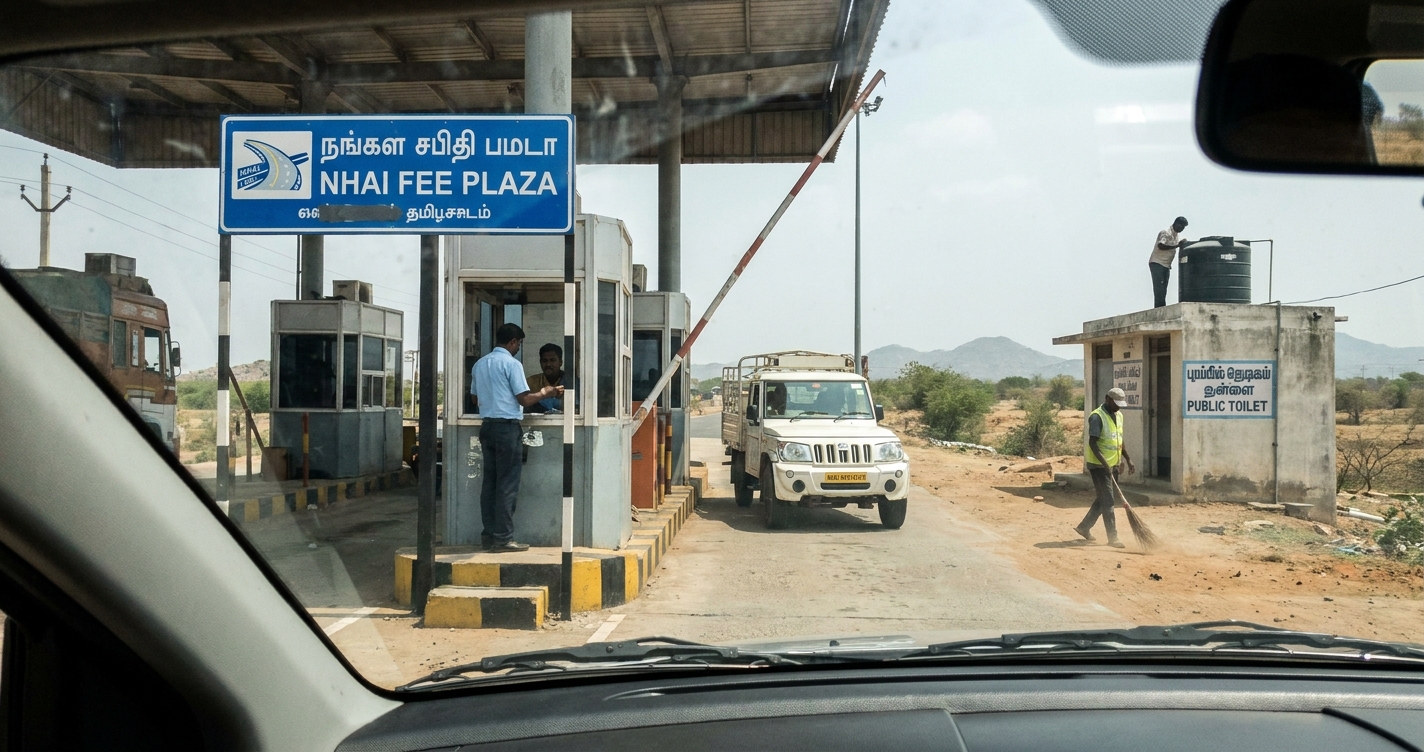
Hazoor Multi Projects' Rs 200-crore NHAI award in Tamil Nadu is a user fee collection and maintenance mandate, not a construction order — and that dis


Powered by

© Tuskus 2025 - All Rights Reserved by Teamic Creative Lab Pvt. Ltd.
