IRB Infrastructure Developers' Q2FY27 net profit rose 84.85% to ₹260.15 crore on 15% toll revenue growth and higher InvIT distributions.


insghits
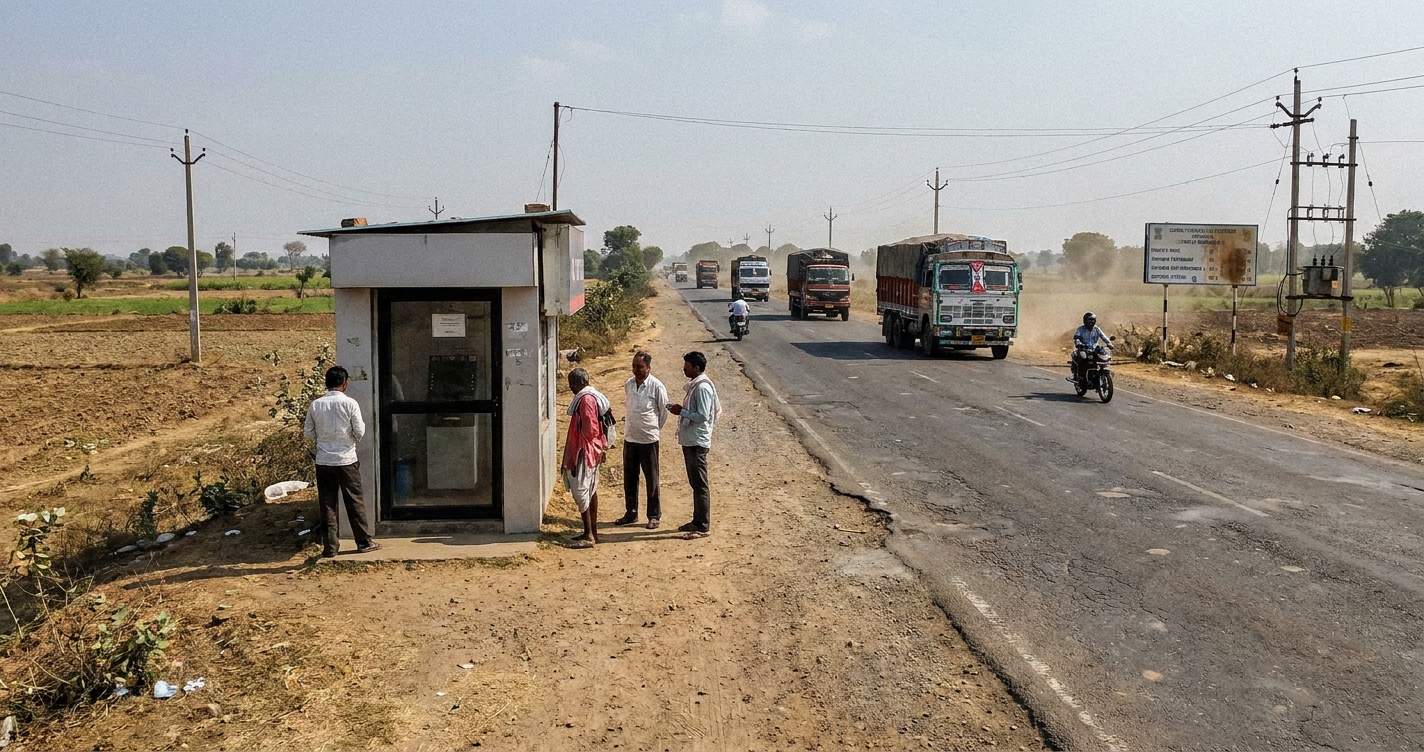
Two numbers inside the MoRTH notification carry more weight than the rating itself. Twenty kilometres. And ten.
An ATM every 20 km. Across roughly 1.46 lakh km of national highway that clause implies about 7,300 cash machines, on corridors where a cash machine is not commercially viable.
It is a leftover of the 2016 wayside amenities scheme, written now into a national scoring grid. Rural stretches will lose highway efficiency points for reasons unrelated to how the road performs.
The second number is the lever. Safety gets scored on fatalities and accident severity per 10 km per annum, plus one clause no concessionaire has priced: failure in project leading to road closures and diversion.
A slope failure in Himachal Pradesh, or a four-laning running three years late in Jharkhand, becomes a permanent entry against that corridor.
Nitin Gadkari's ministry split the criteria deliberately:
- Access-controlled expressways and designated high-speed corridors get one grid.
- Ordinary national highways get another.
That split is a valuation statement.
NHAI now ends up holding corridor-level performance data reaching the same asset class its monetisation programme depends on. The vehicles are:
- NHAI InvIT
- IRB Infrastructure's IRB InvIT
- Oriental InfraTrust, backed by GIC and Ontario Teachers'
All trade on traffic and residual concession life.
Toll-operate-transfer bidders have priced those bundles off their own pavement and congestion surveys. Publishing toll plaza rating and pavement condition index drags that private work into the open, where a reserve price can reference it.
The ministry owns the metric. NHAI owns the evidence. Commercial exposure lands on the concessionaire first, and on the InvIT unitholder second.
One detail decides whether any of this holds. The notification does not say who assesses.
- Self-assessment by NHAI would be discarded by lenders.
- Third-party assessment invites challenge, because pavement condition index requires continuous network survey and Road Asset Management System coverage across the NHAI network is still uneven.
A weak first-cycle score on a corridor already queued for monetisation invites renegotiation pressure, the outcome MoRTH has spent a decade avoiding.
Watch the first cycle. Once scores feed O&M deductions and TOT reserve prices, contractors will carry rating risk in bids beside earthwork and financing cost.
The firms that win will hold condition data of their own, not the lowest quote.
Insights
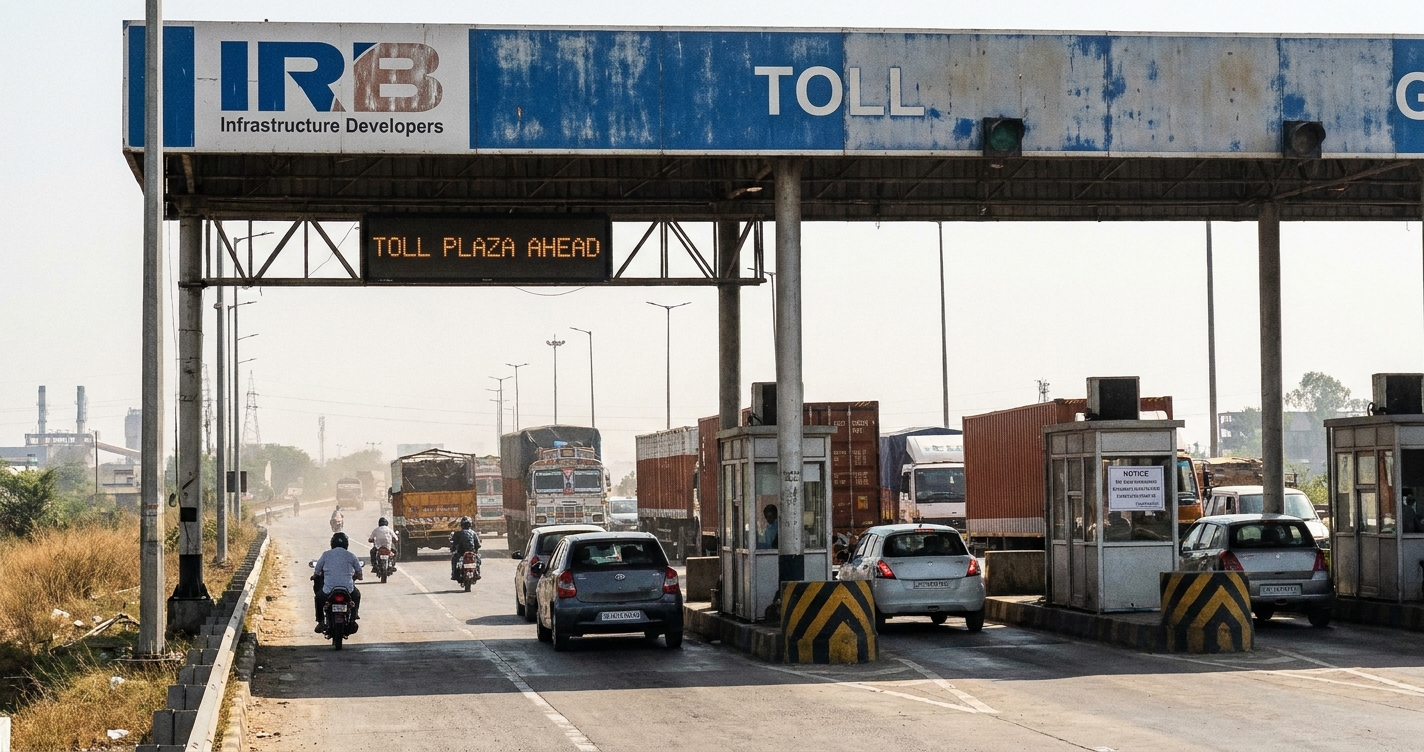
IRB Infrastructure Developers' Q2FY27 net profit rose 84.85% to ₹260.15 crore on 15% toll revenue growth and higher InvIT distributions.
IRB Infrastructure Developers' Q2FY27 net profit rose 84.85% to ₹260.15 crore on 15% toll revenue growth and higher InvIT distributions.
IRB Infrastructure Developers' Q2FY27 net profit rose 84.85% to ₹260.15 crore on 15% toll revenue growth and higher InvIT distributions.


Powered by

© Tuskus 2025 - All Rights Reserved by Teamic Creative Lab Pvt. Ltd.
