The Ministry of Railways will fully fund a ₹108 crore, 668-metre four-lane Road Over Bridge between Guntur and Nambur, replacing Level Crossing Gate N


insghits
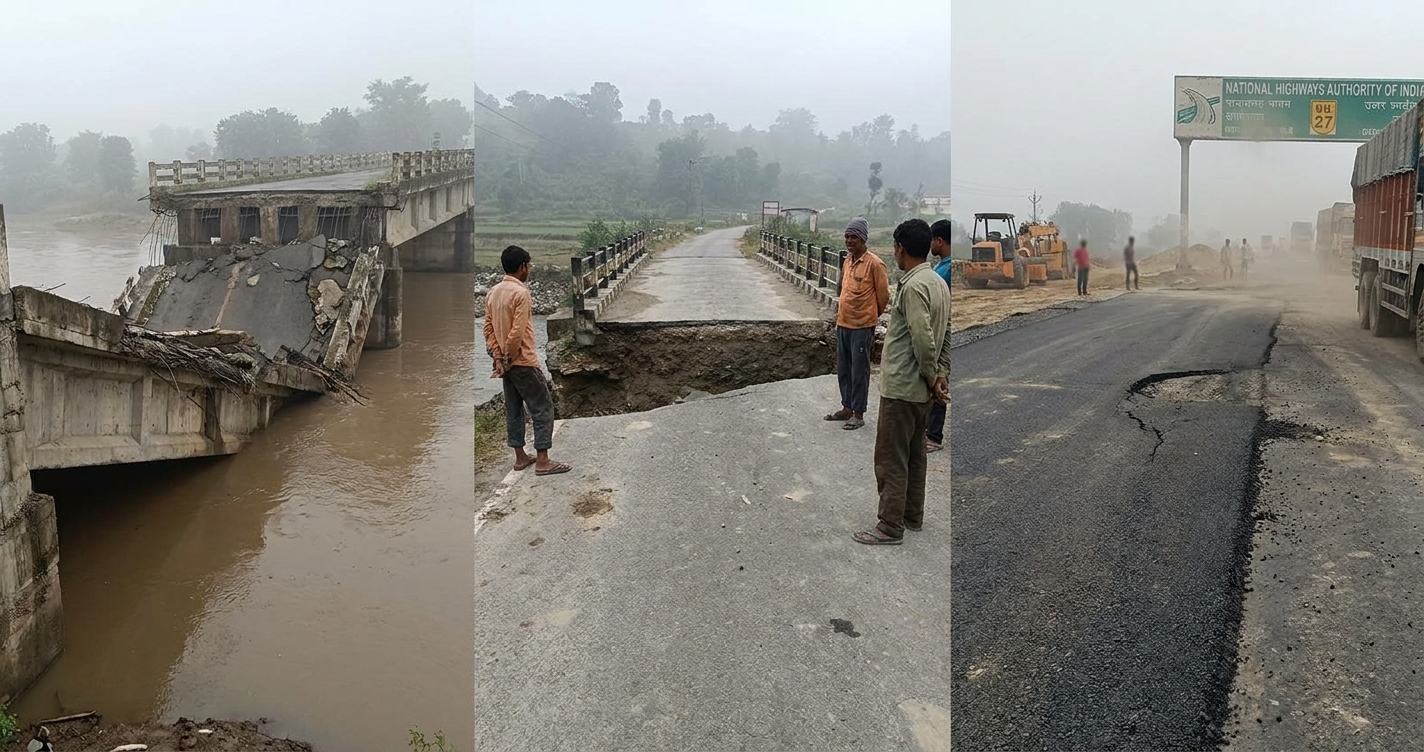
In Maharashtra's Gadchiroli district, the middle section of a three-year-old bridge gave way, severing connectivity for multiple villages.
In Uttarakhand, the approach road to a bridge over the Tons river collapsed just 17 days after its formal inauguration.
On the Lucknow-Kanpur highway in Uttar Pradesh, a newly built corridor saw toll collection suspended within 13 days of commencement after a section of the carriageway subsided.
These are not isolated incidents. They are symptoms of a structural accountability deficit that runs through India's highway and bridge construction ecosystem — from the Ministry of Road Transport and Highways (MoRTH) and the National Highways Authority of India (NHAI) down to state public works departments and their contractor networks.
Projects accounting for thousands of crores in public funds fail, and yet no senior government official faces consequences.
The editorial position taken by The New Indian Express frames the core issue bluntly. The Morbi bridge collapse of 2022 — which killed over 130 people in Gujarat — remains the reference point for how catastrophic the consequences can be when accountability systems fail entirely.
For contractors, consultants, and project developers operating in India's infrastructure sector, the commercial signal is uncomfortable. When assets fail within days of handover, the liability chain — design consultant, independent engineer, EPC contractor, concessionaire, and ultimately the procuring authority — has demonstrably broken at every link.
The speed of failure is what should concern the industry most.
- A bridge that collapses after three years indicates material or design deficiencies that should have been caught during construction.
- An approach road that caves in 17 days after inauguration suggests the quality assurance process was either absent or bypassed.
- A highway section that subsides before toll operations even stabilise points to geotechnical shortcuts that no supervision consultant should have signed off on.
For NHAI, which manages India's national highway programme and oversees an annual capital outlay exceeding ₹2.5 lakh crore, the clustering of failures raises difficult questions about its project monitoring and contract enforcement mechanisms. The Authority's model of delegating supervision to independent engineers and authority engineers — while retaining final acceptance authority — appears increasingly fragile when tested against on-ground construction realities.
Contractors working on EPC and HAM (Hybrid Annuity Model) projects face a dual risk: first, the immediate commercial exposure from defect liability claims, blacklisting threats, and potential debarment; second, the longer-term risk that sustained public pressure will force procurement reforms that shift risk allocation further toward the contractor — compressing margins that are already under pressure from input cost volatility.
The real industry signal is not that infrastructure fails. It is that India's quality assurance architecture — the multi-layered system of design checks, material testing, stage inspections, and independent supervision that is supposed to catch failures before they happen — is not functioning at scale. When three projects across three states fail in quick succession, the common denominator is not a single contractor or a single official. It is a system that has normalised passing substandard work because accountability never reaches the individuals who approve it.
Until that changes, road and bridge failures will remain a persistent drain on public resources, and a structural risk embedded in India's infrastructure story.
Insights
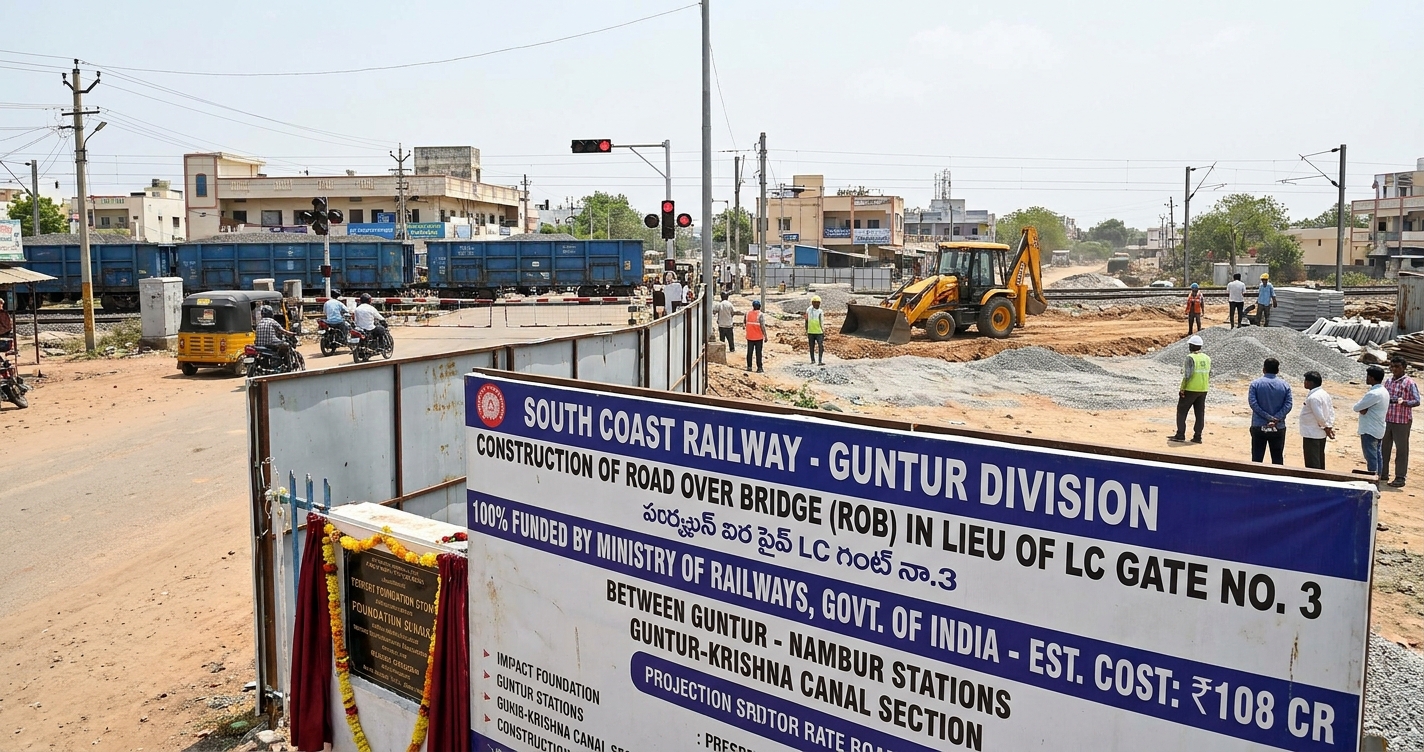
The Ministry of Railways will fully fund a ₹108 crore, 668-metre four-lane Road Over Bridge between Guntur and Nambur, replacing Level Crossing Gate N
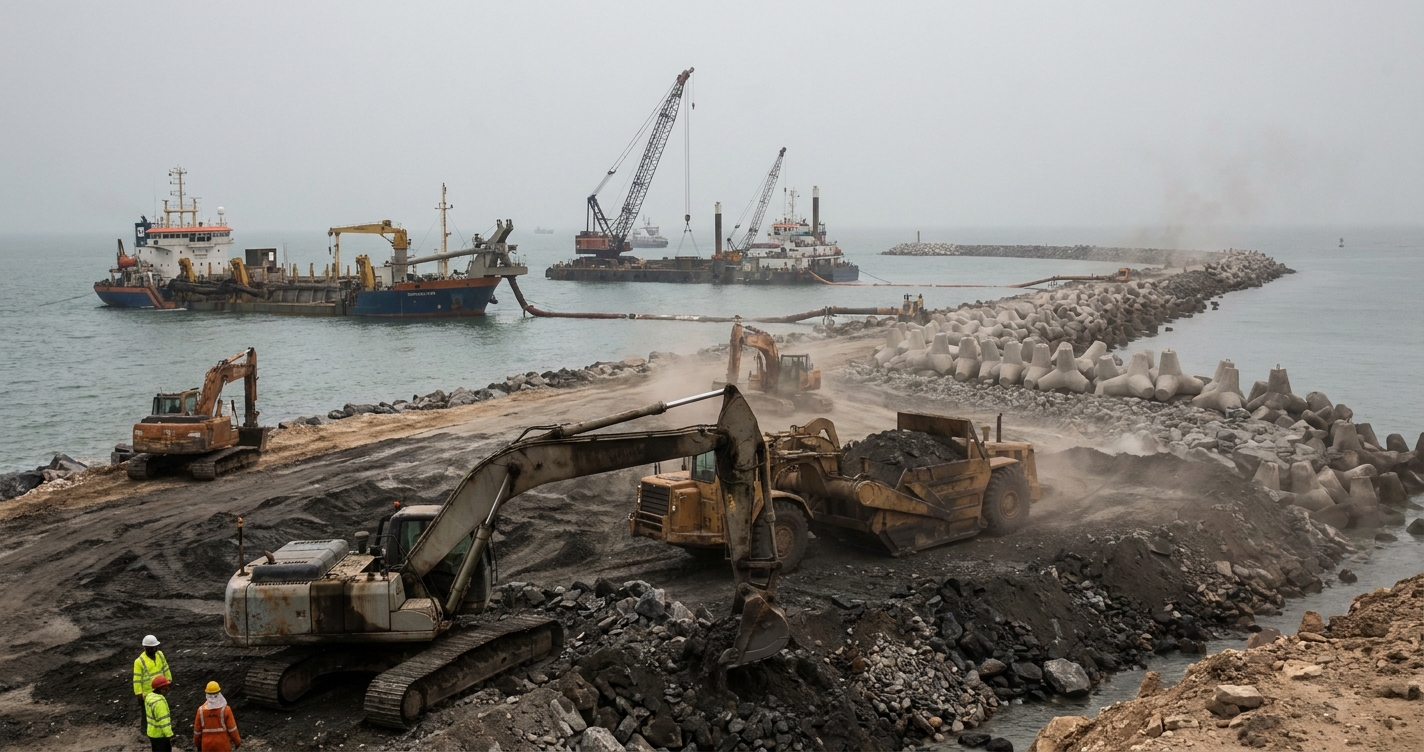
Four bidders, including Adani Ports and DP World, have entered the Rs 22,323-crore offshore package for Vadhvan Port - dredging and 1,207 hectares of
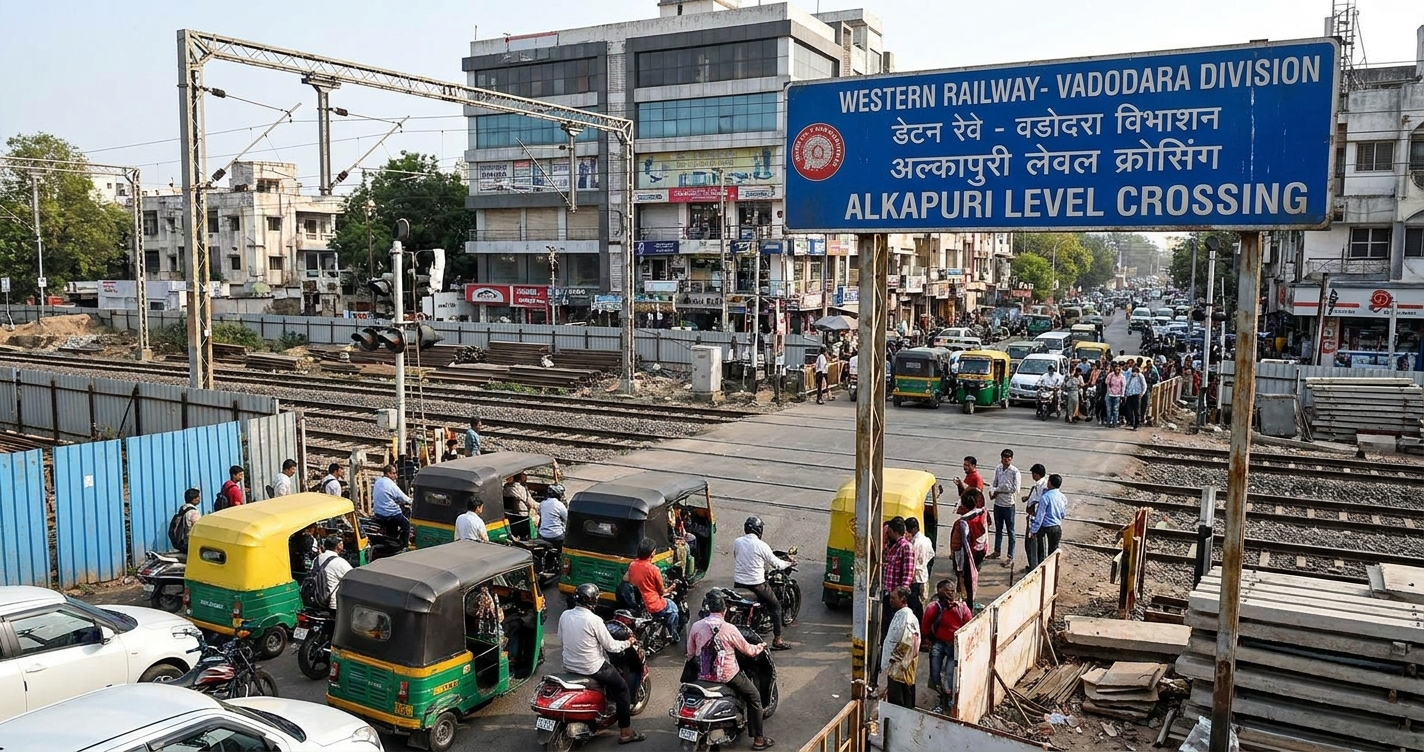
Indian Railways has approved a four-lane Road Over Bridge at Alkapuri in Western Railway's Vadodara division, with the Ministry of Railways and the Gu


Powered by

© Tuskus 2025 - All Rights Reserved by Teamic Creative Lab Pvt. Ltd.
