The Supreme Court's proactive measures aim to enhance highway safety by prohibiting unauthorized dhabas and ensuring periodic truck lay-byes. This dec


insghits
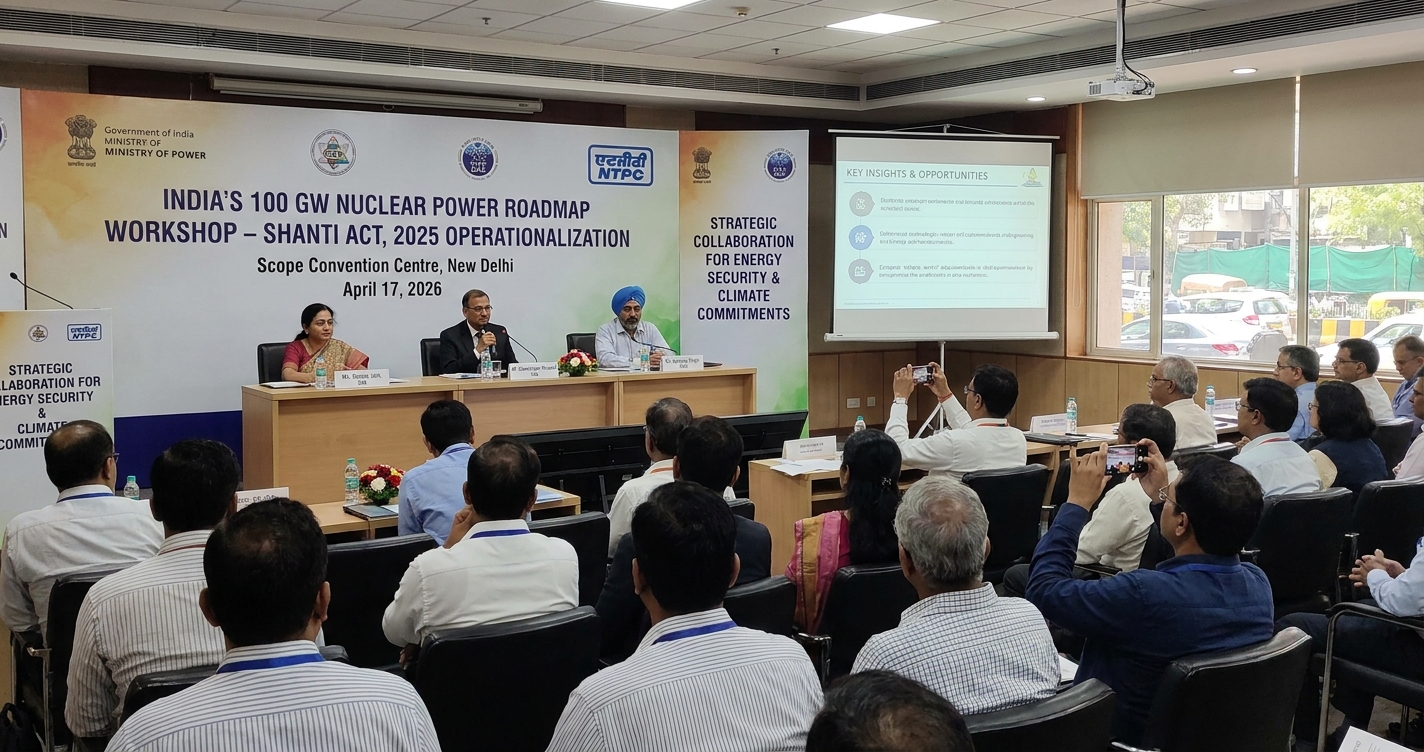
India is on a decisive path to scaling its nuclear power capacity to 100 GW, a move seen as pivotal for meeting long-term energy security needs and international climate commitments. The strategic collaboration among the Central Electricity Authority (CEA), Ministry of Power, Department of Atomic Energy (DAE), and NTPC Limited has resulted in the operationalization of the SHANTI Act, 2025, which is cornerstone legislation for this initiative.
A high-level workshop at the Scope Convention Centre on April 17, 2026, set the stage for outlining India's nuclear ambitions. Key figures included Ms. Seema Jain from DAE, Mr. Ghanshyam Prasad from CEA, and Mr. Gurdeep Singh from NTPC, each emphasizing finance, technology partnerships, and site readiness.
The SHANTI Act facilitates private sector participation and harmonizes with the Electricity Act, 2003, signaling a structural shift. It allows for potential investments in nuclear energy by addressing liability concerns and setting a framework for project risk management.
Key strategic issues encompass:
The emphasis on SMRs and MMRs as future deployment models highlights the evolving technology landscape. Additionally, localization and the development of skilled labor underscore the initiative's execution demands.
This initiative is poised to offer unprecedented opportunities for EPC contractors and material suppliers while posing challenges regarding technological adaptation and financing structures. Proper management of these aspects is crucial to the roadmap's success.
The execution window demands careful alignment of policy intent with market capacity.
Critical elements include:
These factors are essential to achieving envisioned targets.
Realizing the 100 GW target is not just an engineering challenge but a multidimensional commercial endeavor requiring acute strategic planning, robust regulatory frameworks, and effective stakeholder collaboration.
Insights

The Supreme Court's proactive measures aim to enhance highway safety by prohibiting unauthorized dhabas and ensuring periodic truck lay-byes. This dec

Monarch Surveyors and Engineering Consultants have secured a substantial Rs 130 crore contract from Northern Railways, aiming to enhance railway infra
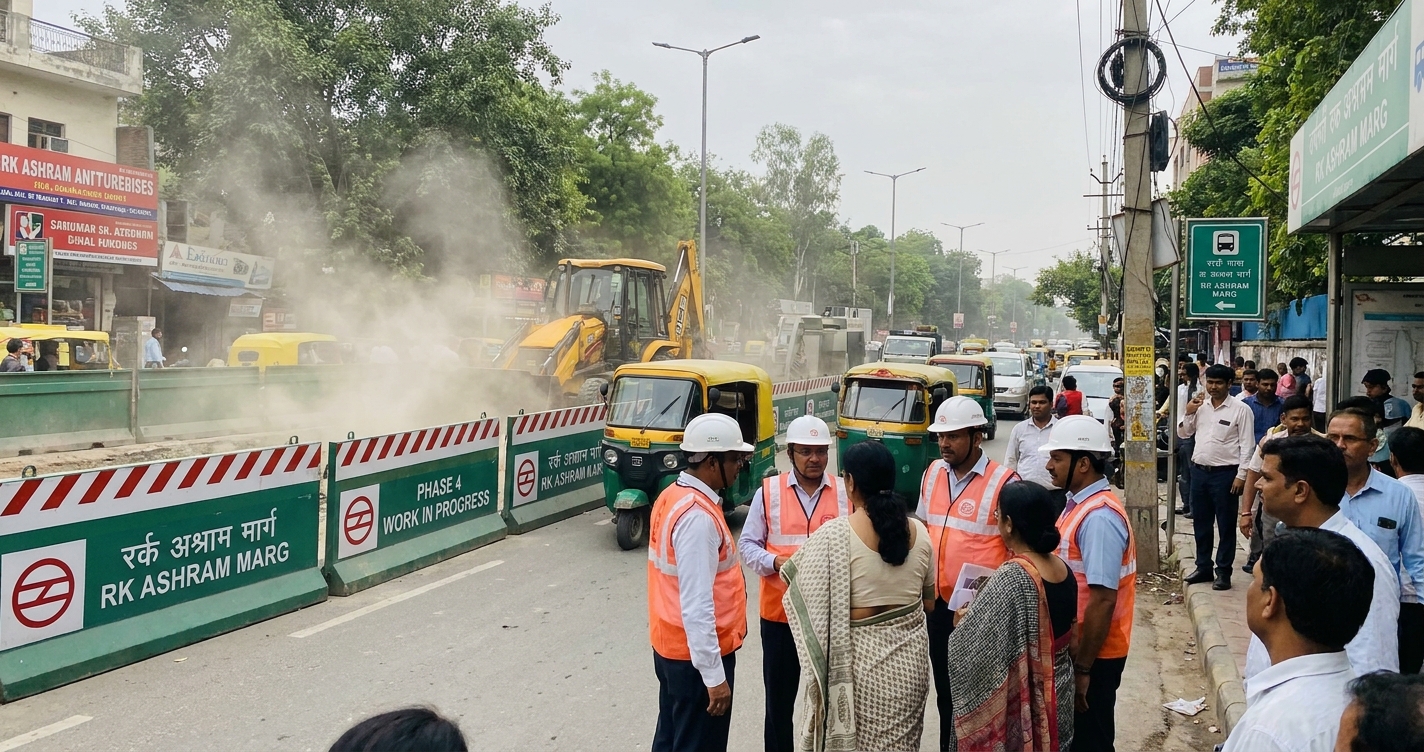
Delhi CM Rekha Gupta's review of Phase 4 at RK Ashram Marg highlights significant upgrades aimed at reducing congestion and improving connectivity. Th


Powered by

© Tuskus 2025 - All Rights Reserved by Teamic Creative Lab Pvt. Ltd.
