Odisha's ambitious infrastructure plan signals new growth avenues.


insghits
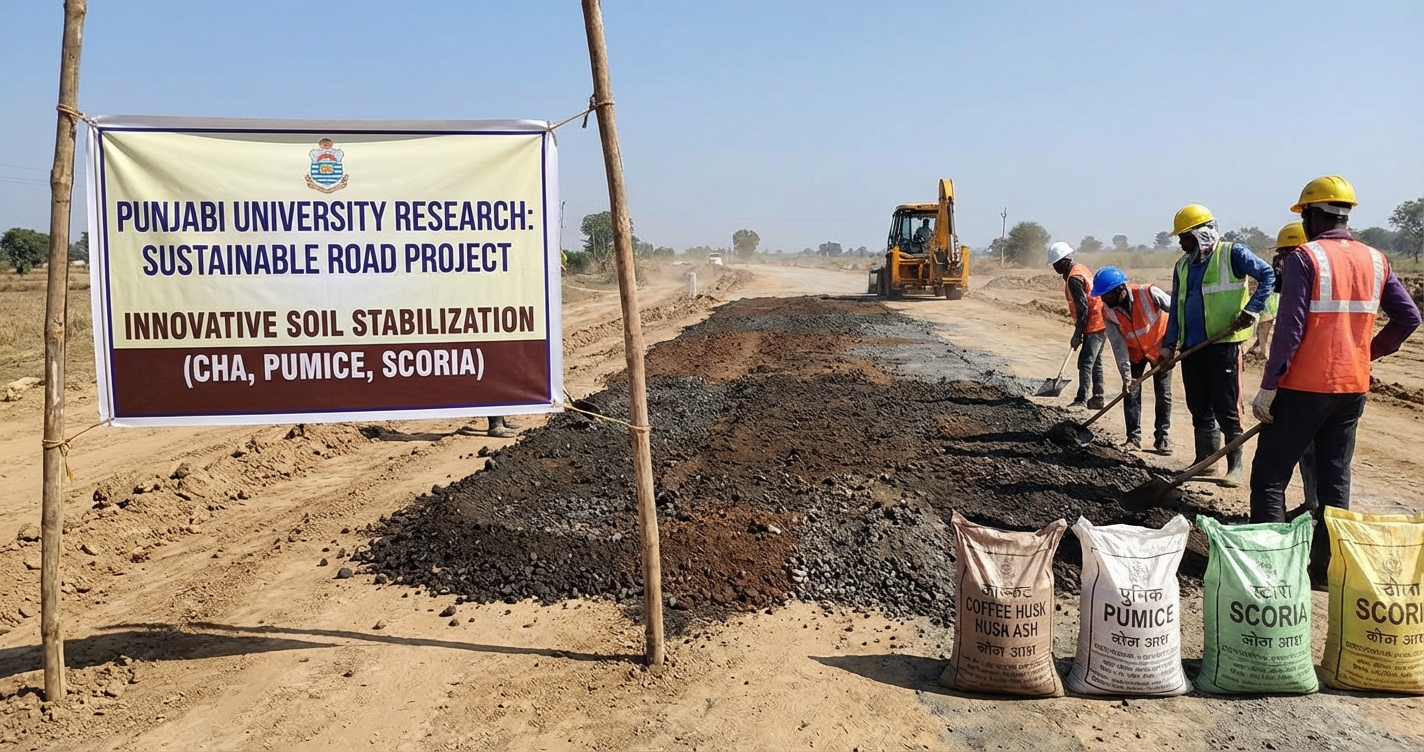
Recent research from Punjabi University has revealed significant advancements in the field of road construction, specifically in stabilizing clay soils. Clay soils are known for their compressibility and susceptibility to erosion, posing challenges for infrastructure durability.
The study, led by Addisu Ayele Jebo under the supervision of Kunal Jain, demonstrates that integrating waste materials such as coffee husk ash (CHA), pumice, and scoria can considerably enhance the load-bearing capacity and durability of clay soils.
This research proposes an innovative method that aligns with contemporary sustainability goals. Utilizing waste products not only addresses environmental concerns but also offers a cost-effective alternative to traditional materials.
The significance of this study is multifaceted:
Technical Advancements: Findings validated through Unconfined Compressive Strength (UCS) and California Bearing Ratio (CBR) testing show marked improvements in soil behavior. These enhancements can contribute to longer-lasting roadways, reducing the frequency and cost of repairs.
Commercial Viability: Implementing these findings could enable contractors to lower material costs while improving project timelines. Reduced demand for traditional materials can alleviate supply competition, especially in saturated markets, thereby enhancing profit margins.
Regulatory Alignment: The models crafted using IITPAVE software, in accordance with Indian Road Congress (IRC 2018) standards, create a pathway for broader acceptance and integration within regulatory frameworks. This underscores the importance of staying compliant while innovating construction practices.
Sustainable Development Goals: By advocating for the use of waste materials, the study promotes a circular economy paradigm. This approach can attract further investment and participation from governments and private entities focused on infrastructure development.
Overall, the study’s implications go beyond immediate technical benefits. They suggest a strategic shift toward a more sustainable, economically favorable, and resilient framework for infrastructure development.
Companies that quickly adapt to these innovative practices may gain a competitive edge, positioning themselves as leaders in efficiency and sustainability within the construction sector.
This research signifies a pivotal step in marrying environmental responsibility with engineering excellence, offering scalable solutions for robust infrastructure development.
Insights

Odisha's ambitious infrastructure plan signals new growth avenues.

The new Telangana High Court complex signals vital changes in judicial infrastructure in India.
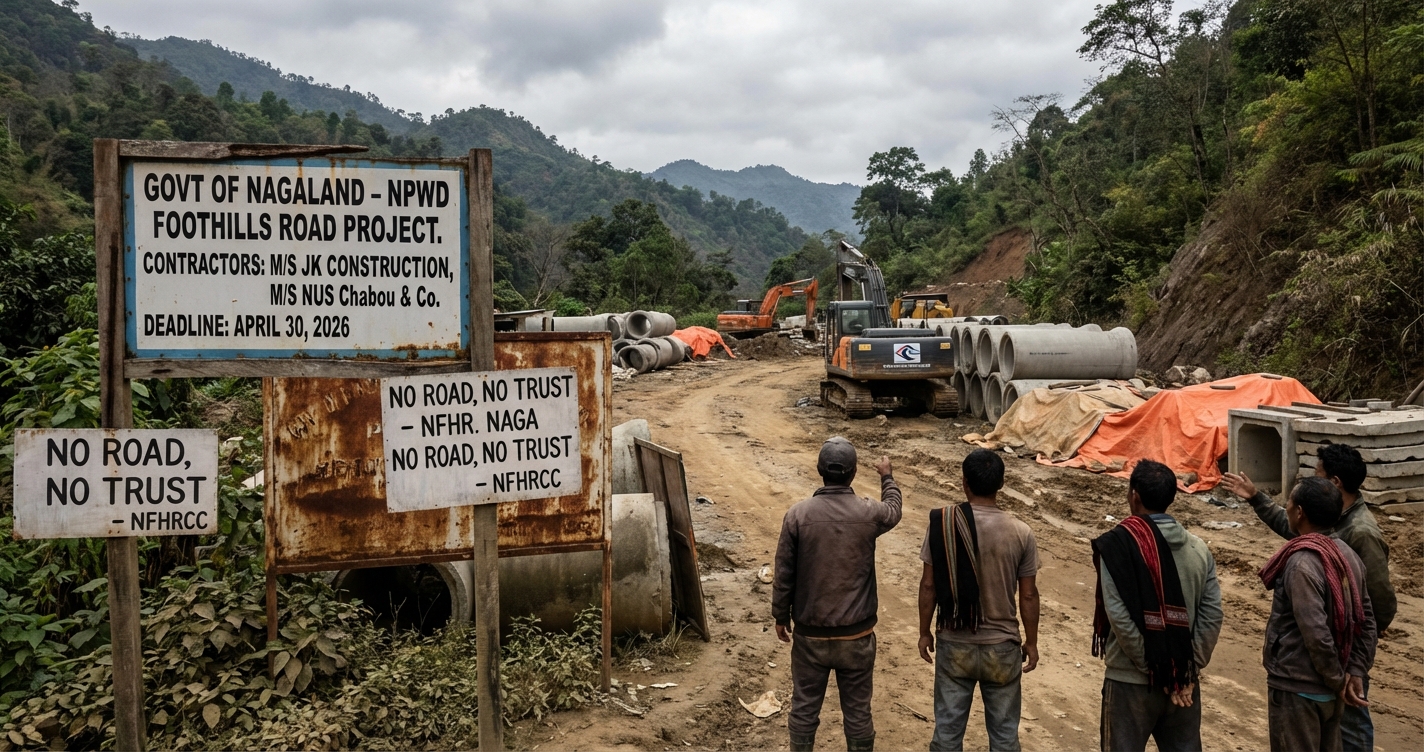
The NFHRCC's stance signals critical hurdles for the Foothills Road project.


Powered by

© Tuskus 2025 - All Rights Reserved by Teamic Creative Lab Pvt. Ltd.
