BMRCL will float fresh Phase 3 civil tenders within 45 days after Karnataka approved trimming double-decker structures to about 11 km of the 44.65-km


insghits
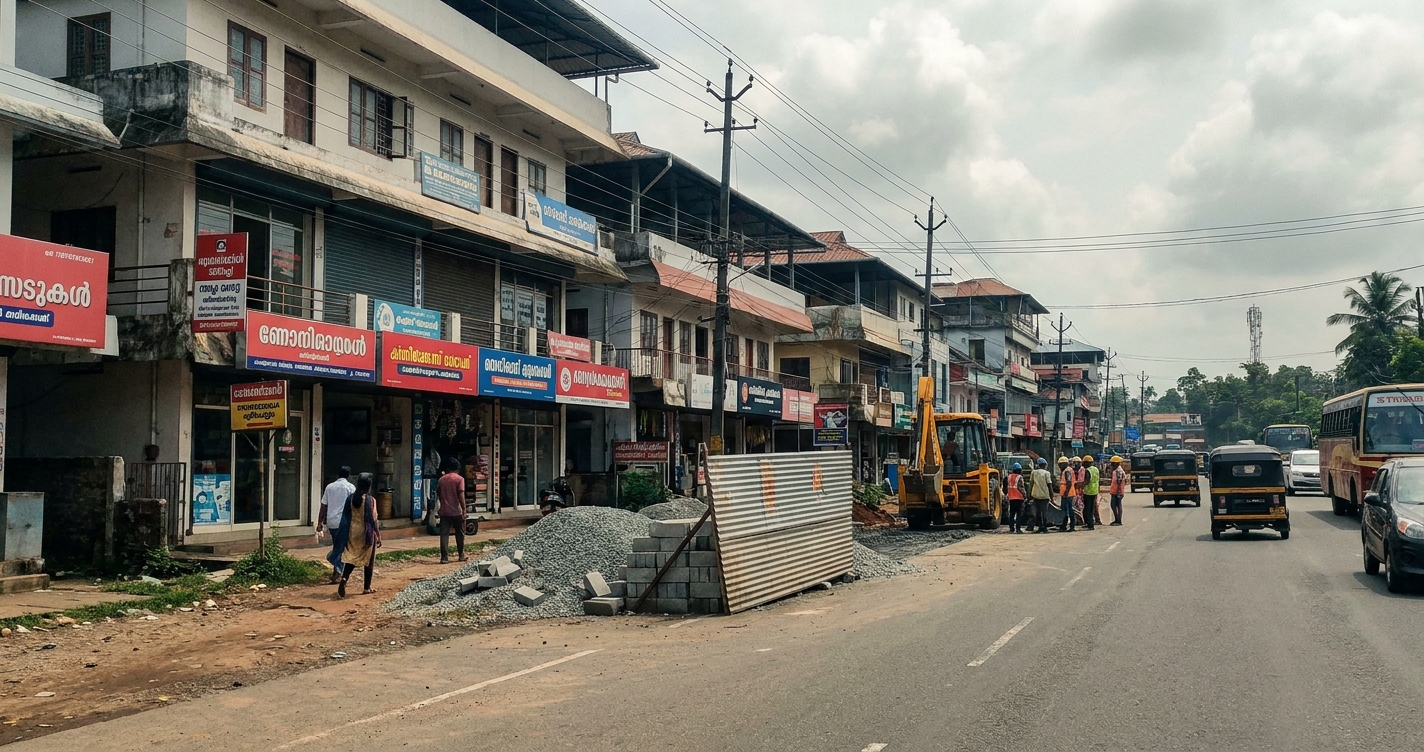
The Government of Kerala is preparing to move the Supreme Court of India to modify national highway construction and land-use restrictions.
The state argues that uniform safety rules are commercially and physically unworkable in a state where settlements run continuously along highway corridors.
The objection is morphological, not legal. Large sections of Kerala developed as ribbon settlements — residential, commercial and mixed-use structures aligned directly with national highways.
A blanket restriction therefore converts a road-safety instrument into a de facto development freeze over a substantial land bank in urban and semi-urban Kerala.
The state's argument also leans on its access-control model, where highway access is channelled through designated points rather than frequent direct entry-exit.
Kerala contends this already delivers the safety outcome the National Highways Authority of India (NHAI) and the Ministry of Road Transport and Highways (MoRTH) are enforcing, making a uniform ban disproportionate.
For developers and landowners, the stakes are capital value and approval risk. Highway-adjacent parcels in Kerala have historically traded on access and visibility premium.
If the restrictions stand unchanged, several pressures emerge:
- Permissible development intensity falls
- Project feasibilities shift
- Ongoing or proposed schemes near corridors face re-rating or stalled clearances through the Kerala Public Works Department and local bodies
The commercial read is a regulatory-pricing event, not a procedural headline. What is being tested is whether national highway access-control norms will be applied uniformly or calibrated to state settlement patterns.
A favourable Kerala order would not be a narrow exemption; it would create precedent for densely settled states — Maharashtra, Tamil Nadu and Gujarat among them — to negotiate corridor-specific rules.
For execution and procurement teams, the near-term signal is uncertainty. Any project with a national highway frontage in Kerala should now carry contingency for land-use and access litigation.
By escalating rather than absorbing the restriction, the Government of Kerala is signalling that highway-frontage land use is a state-level commercial asset it will not concede without relief.
Insights
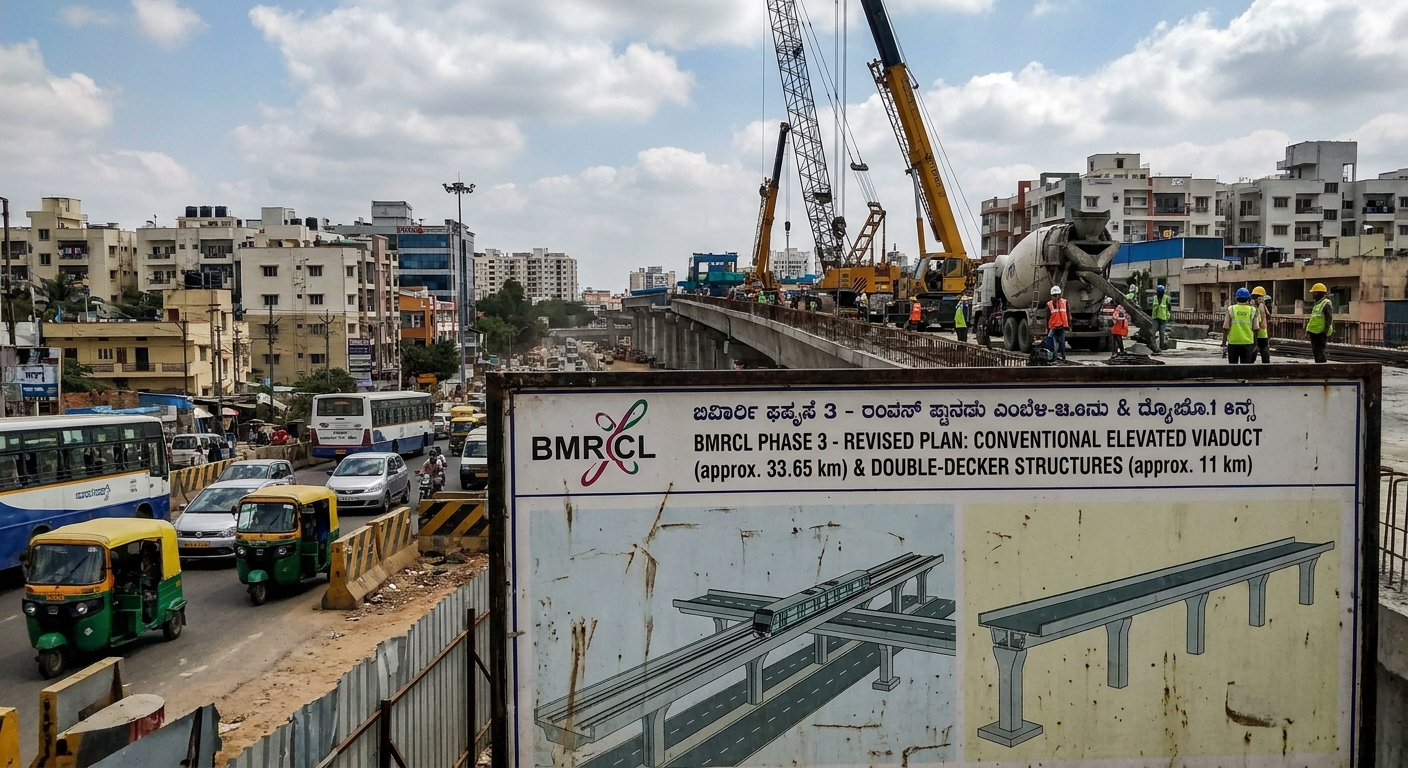
BMRCL will float fresh Phase 3 civil tenders within 45 days after Karnataka approved trimming double-decker structures to about 11 km of the 44.65-km
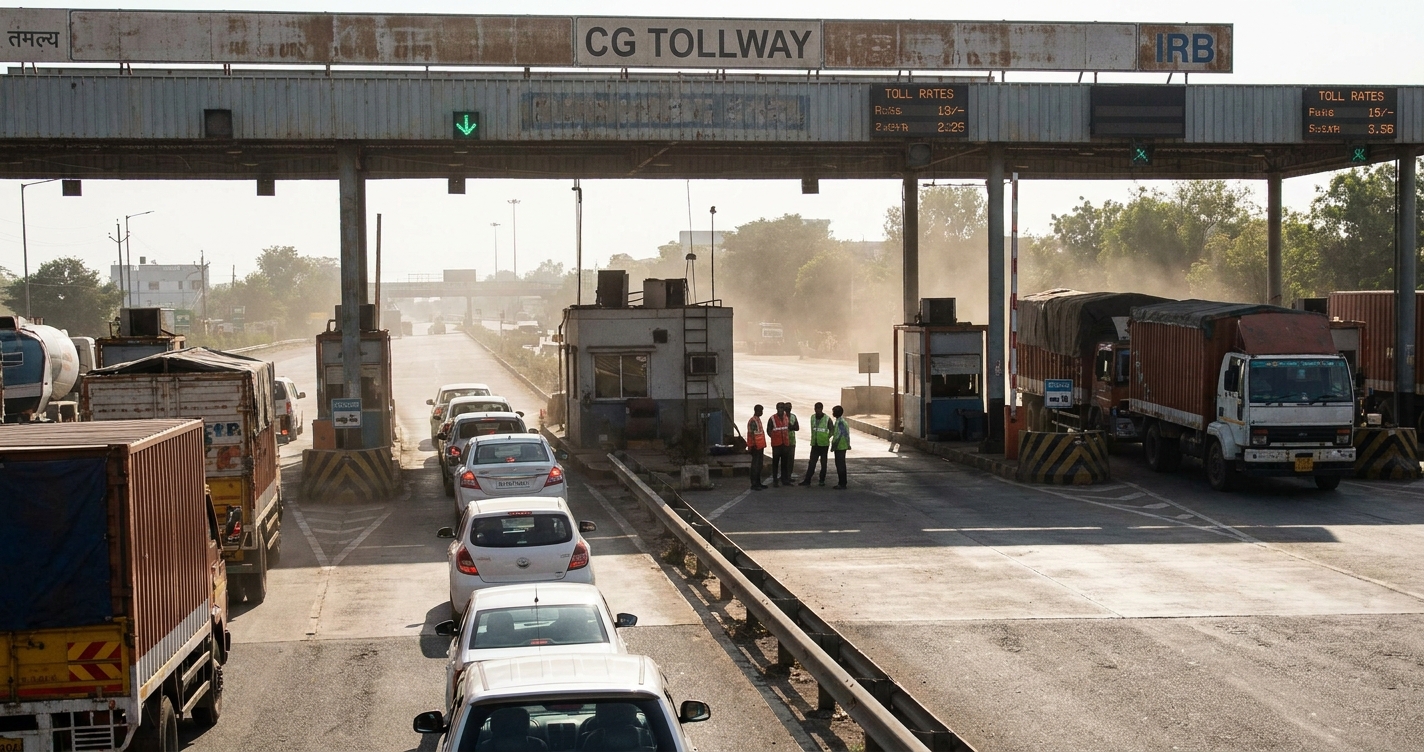
IRB Infrastructure Developers has signed a share purchase agreement to shift Solapur Yedeshi Tollway and CG Tollway out of its GIC-backed private InvI
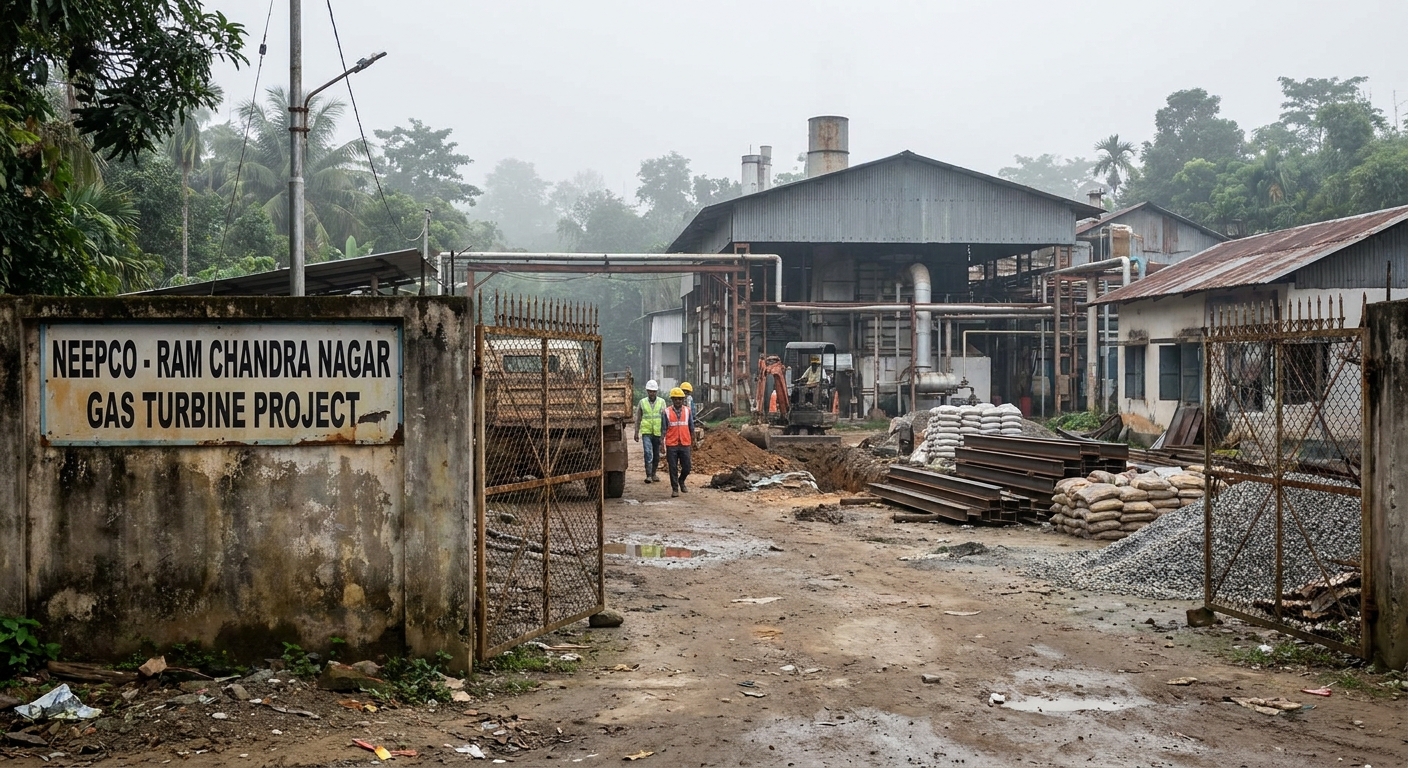
The Supreme Court's NEEPCO v Astra Construction ruling confirms a contractual interest bar can strip pre-reference interest from arbitral awards, turn


Powered by

© Tuskus 2025 - All Rights Reserved by Teamic Creative Lab Pvt. Ltd.
