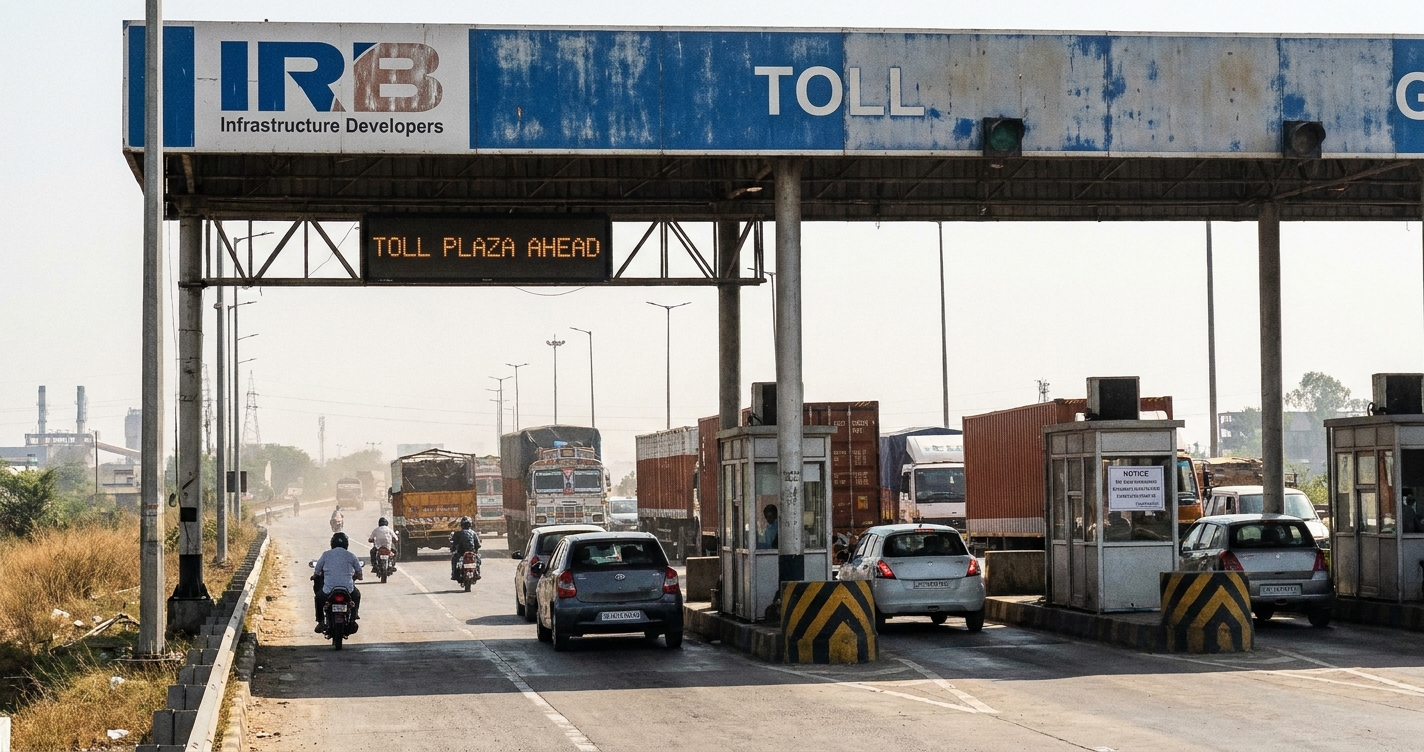
IRB Infrastructure Developers' Q2FY27 net profit rose 84.85% to ₹260.15 crore on 15% toll revenue growth and higher InvIT distributions.


insghits
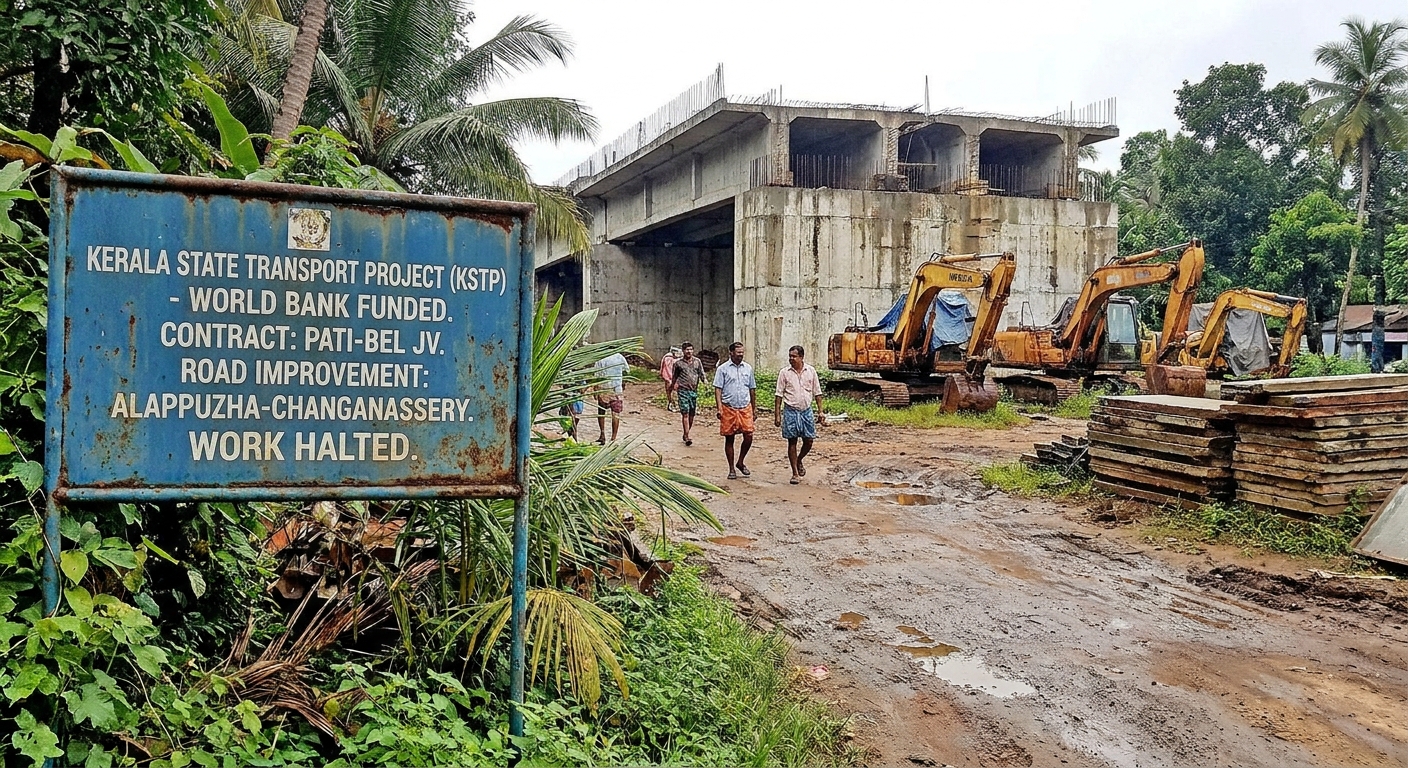
Kerala's Vigilance and Anti-Corruption Bureau is examining an allegation that Gyanesh Kumar, then PWD Secretary and now Chief Election Commissioner, held back cleared bills on a Rs 274-crore road contract until a Rs 2-crore payment was made.
The contract covered 124 km of the Main Central Road, Alappuzha to Changanassery to Madukkamoodu, under the World Bank-funded Kerala State Transport Project.
It was awarded to PATI-BEL, an Indo-Malaysian joint venture. Work stopped in 2005. The JV's chief project manager, Lee See Been, is dead.
The trigger is political.
Home Minister Ramesh Chennithala ordered the probe on a complaint from Congress leader Malayinkeezhu Venugopal.
Contractor Sajan B O, who worked on the same stretch, says he will hand over documents to investigators.
Gyanesh Kumar now runs the Election Commission. That timing carries weight in Thiruvananthapuram. It carries none in a bid room.
Strip the politics and the allegation describes a condition every bidder on a state PWD package still prices for.
Technical acceptance and financial release sit on separate desks. The financial desk holds an unappealable veto.
PATI-BEL had executed the work. Engineers had cleared the bills. One signature stood between the joint venture and its cash.
Lee's reported response is the standard failure mode of a foreign JV partner inside an Indian state contract: divert funds from the same company's Bengaluru project to service Kerala liabilities, then exhaust both.
- No local balance sheet.
- No political access.
- No escalation route that a PWD secretary must answer within a defined period.
So put two questions to your own bid file before the next multilateral-funded state highway package.
Who signs the payment certificate, and what is the contractual remedy if that signature stalls?
Does your JV agreement let a foreign partner fund one project's working capital from another's receivables?
A yes on the second means you have already accepted the risk that killed this contract.
Chennithala's probe will test the bribe claim.
What kept the file alive for two decades is duller: multilateral loan covenants, an audit trail, a sanction framework attached to World Bank money.
That paper trail is why a 2005 dispute is still examinable in 2026, and why PATI-BEL's exposure outlived its contract.
The contract was halted in 2005. The allegation surfaced in 2026.
A road JV survives on its certification chain, not its execution capacity, and the liability tail now runs longer than the works programme.
Insights
IRB Infrastructure Developers' Q2FY27 net profit rose 84.85% to ₹260.15 crore on 15% toll revenue growth and higher InvIT distributions.
IRB Infrastructure Developers' Q2FY27 net profit rose 84.85% to ₹260.15 crore on 15% toll revenue growth and higher InvIT distributions.
IRB Infrastructure Developers' Q2FY27 net profit rose 84.85% to ₹260.15 crore on 15% toll revenue growth and higher InvIT distributions.


Powered by

© Tuskus 2025 - All Rights Reserved by Teamic Creative Lab Pvt. Ltd.
