RITES' 58% repricing of the Bidar–Kalaburagi electrification mandate shows how cost-plus turnkey contracting shifts escalation risk from consultant to


insghits
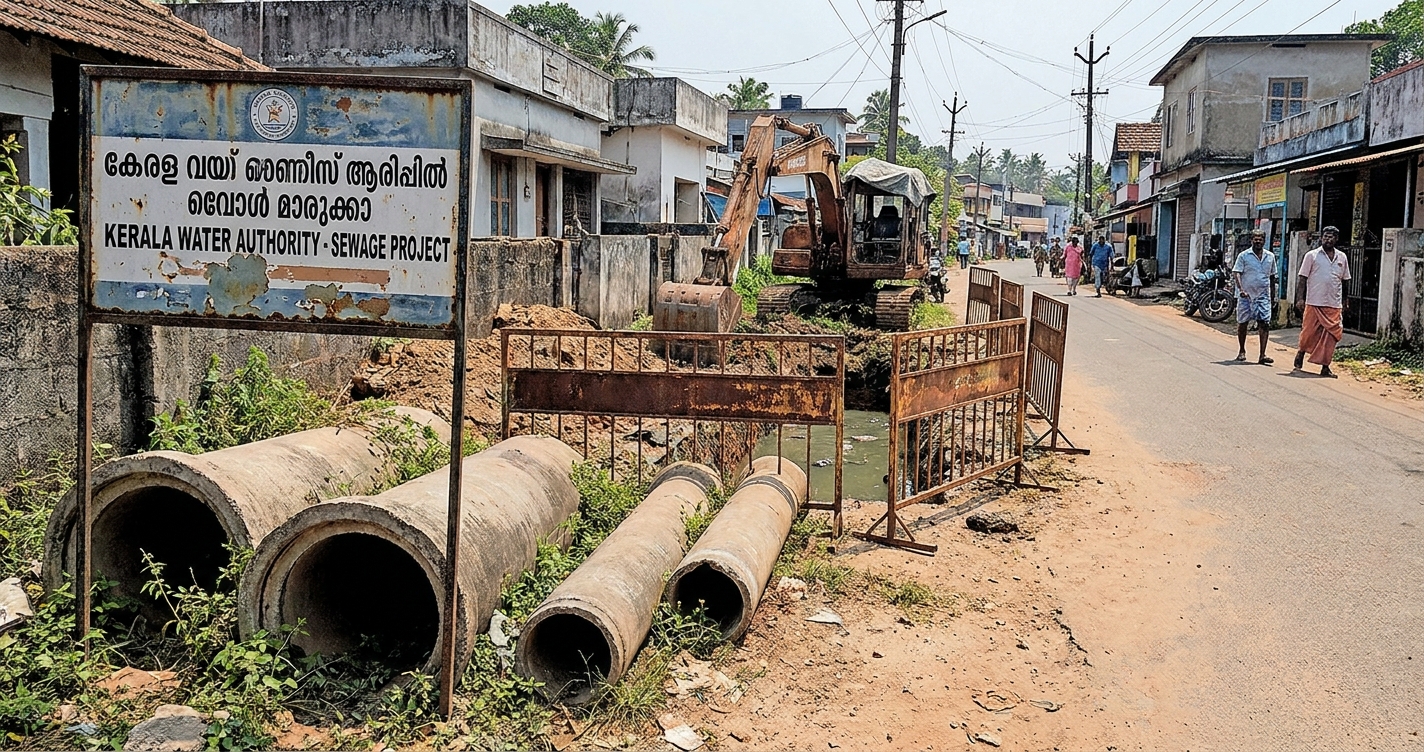
A ₹110 crore coastal sewage project in Thiruvananthapuram, conceived in 2011 and executed under the Kerala Water Authority (KWA), has become a case study in how an unresolved design deviation and a payment dispute can turn installed public infrastructure into a stranded asset.
Roughly 45 km of pipeline was laid across Valiyathura, Beemapally, Vallakkadavu and Muttathara. Yet the network remains non-functional more than a decade later because the well and remaining pipeline works were never completed.
The project was originally championed by Valiyathura councillor Tony Oliver before the city corporation. According to Oliver, trouble began in 2014 when KWA's Patoor section flagged that pipes had been laid at around five-and-a-half feet against the six-foot depth in the approved design.
The contractor then stopped work citing non-payment for completed work.
"The contractor left the work midway saying that payments had not been made," Oliver said.
KWA's current position is that the contractor's exit and the resulting legal proceedings have kept the project stalled. Project executive engineer Vijil D confirmed KWA has initiated legal proceedings against the contractor and said revival cannot be immediate.
"Once the project is taken up again, a fresh study will have to be conducted," he said.
The sequencing matters. A six-inch depth variance on a gravity sewer is not cosmetic; it can alter hydraulic grade and compromise flow, so KWA's objection had technical merit.
But the contractor's walk-off over unpaid dues points to a contract administration failure: design deviations, variation claims and payment certification were allowed to collide into litigation instead of being resolved through the contract's dispute mechanism.
Commercially, KWA now faces a revival that is effectively a new project bolted onto sunk capital. A fresh study means:
- Re-survey
- Condition assessment of 45 km of already-laid pipe
- Re-tendering and renegotiation of the balance scope
The original contractor, unnamed in KWA's account, is now a legal counterparty rather than a delivery partner. Coastal ward residents bear the real cost: an asset that cannot be commissioned and a service gap that has persisted for over a decade.
The industry signal is broader than one stalled utility job. Public urban utilities continue to treat design deviations and payment claims as separate events, when they are the same contract risk.
Where the two are not managed together, sunk capital accumulates in non-functional assets and revival becomes more expensive than the original defect.
Insights
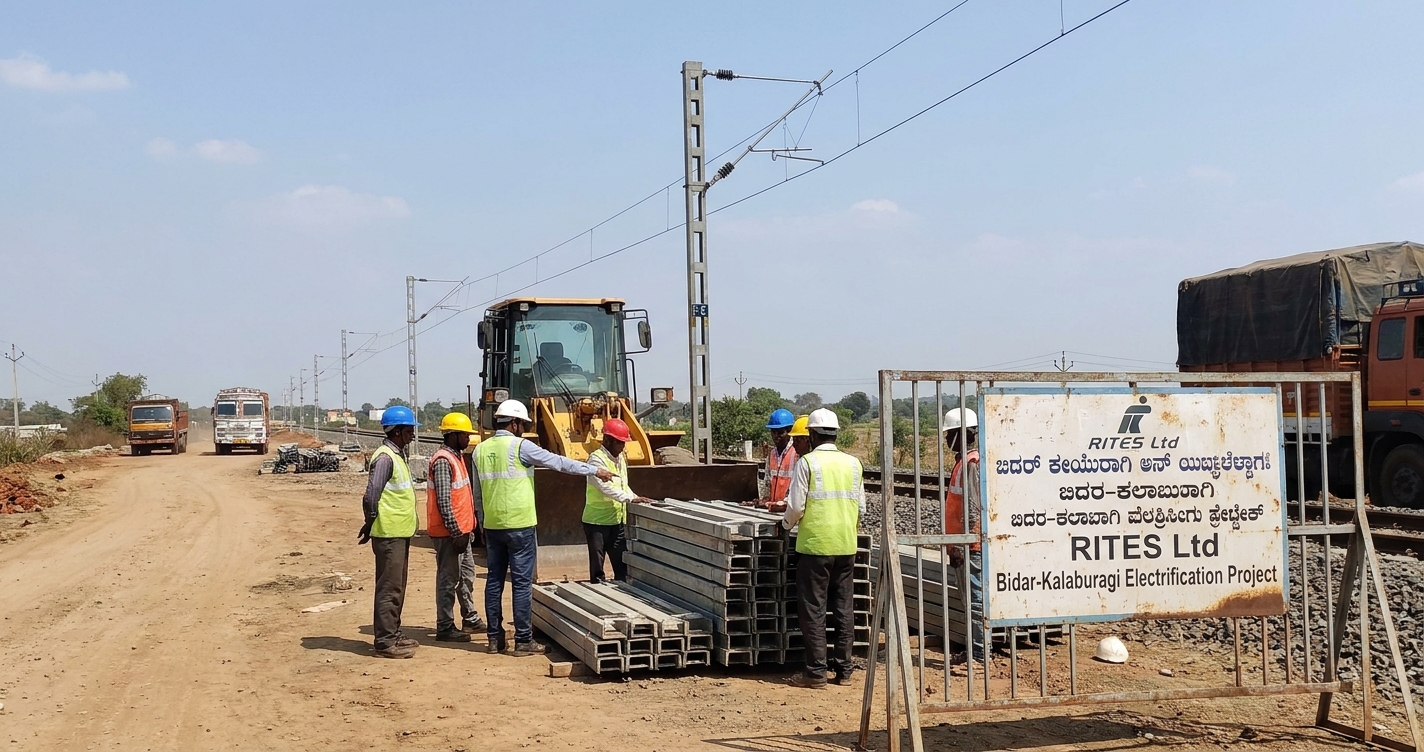
RITES' 58% repricing of the Bidar–Kalaburagi electrification mandate shows how cost-plus turnkey contracting shifts escalation risk from consultant to
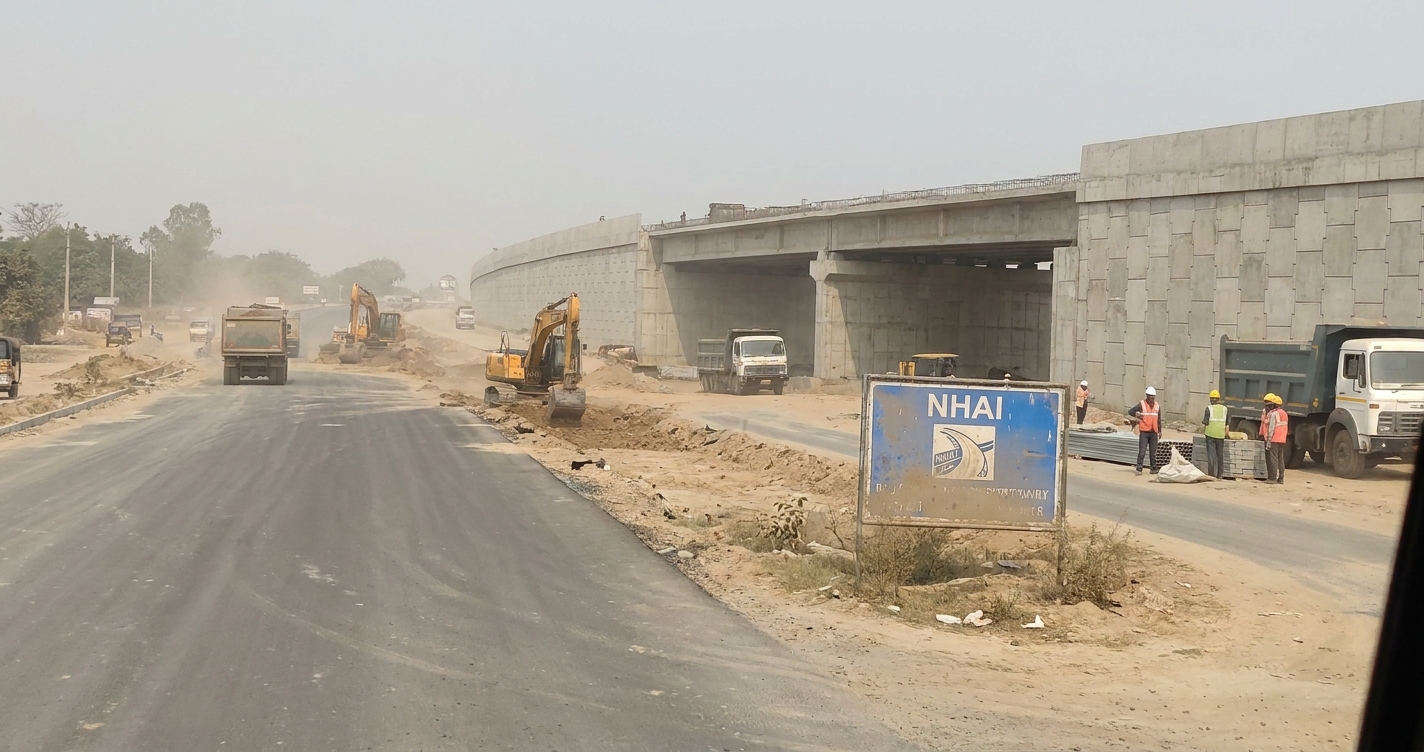
NHAI's 21 September 2026 design guidelines lock uniform 60-70m right-of-way and structure standards for 4-lane and 6-lane high-speed corridors, reshap
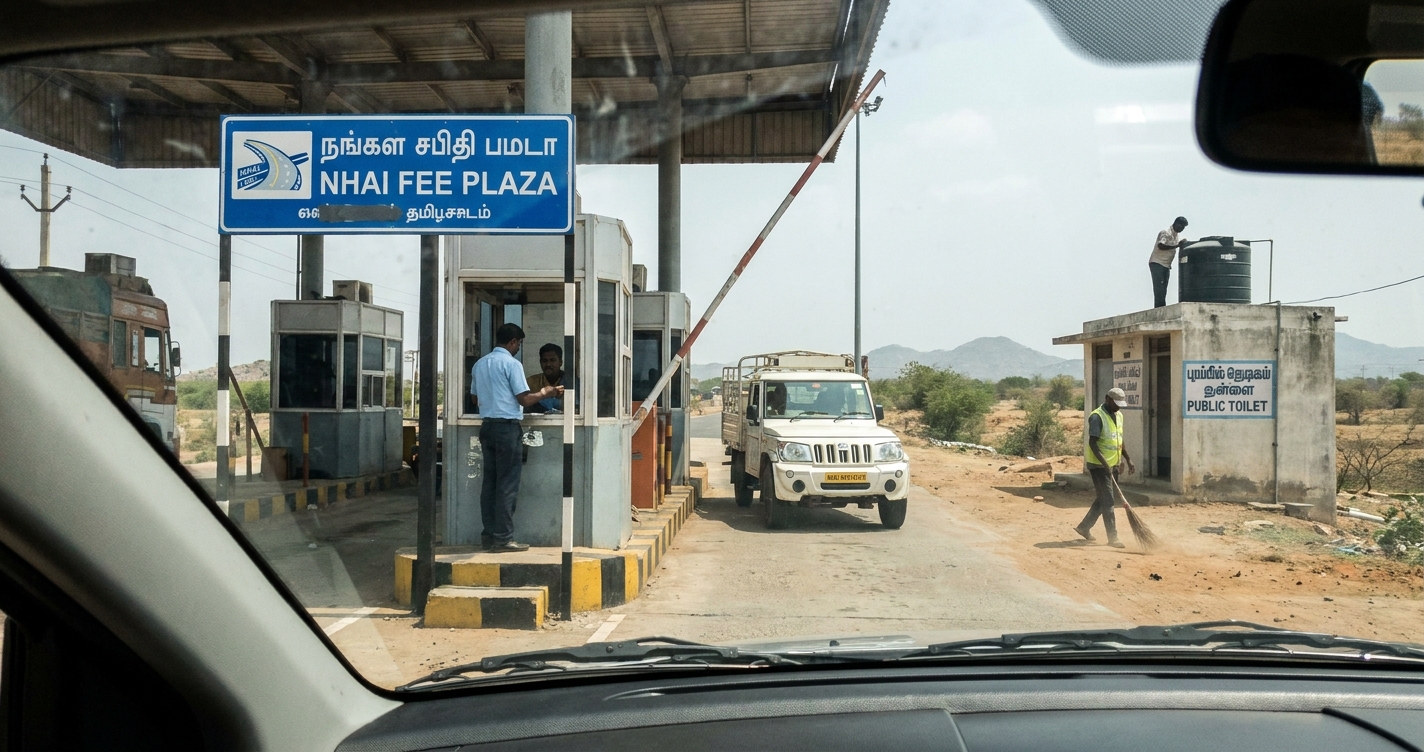
Hazoor Multi Projects' Rs 200-crore NHAI award in Tamil Nadu is a user fee collection and maintenance mandate, not a construction order — and that dis


Powered by

© Tuskus 2025 - All Rights Reserved by Teamic Creative Lab Pvt. Ltd.
