IRB Infrastructure Developers' Q2FY27 net profit rose 84.85% to ₹260.15 crore on 15% toll revenue growth and higher InvIT distributions.


insghits
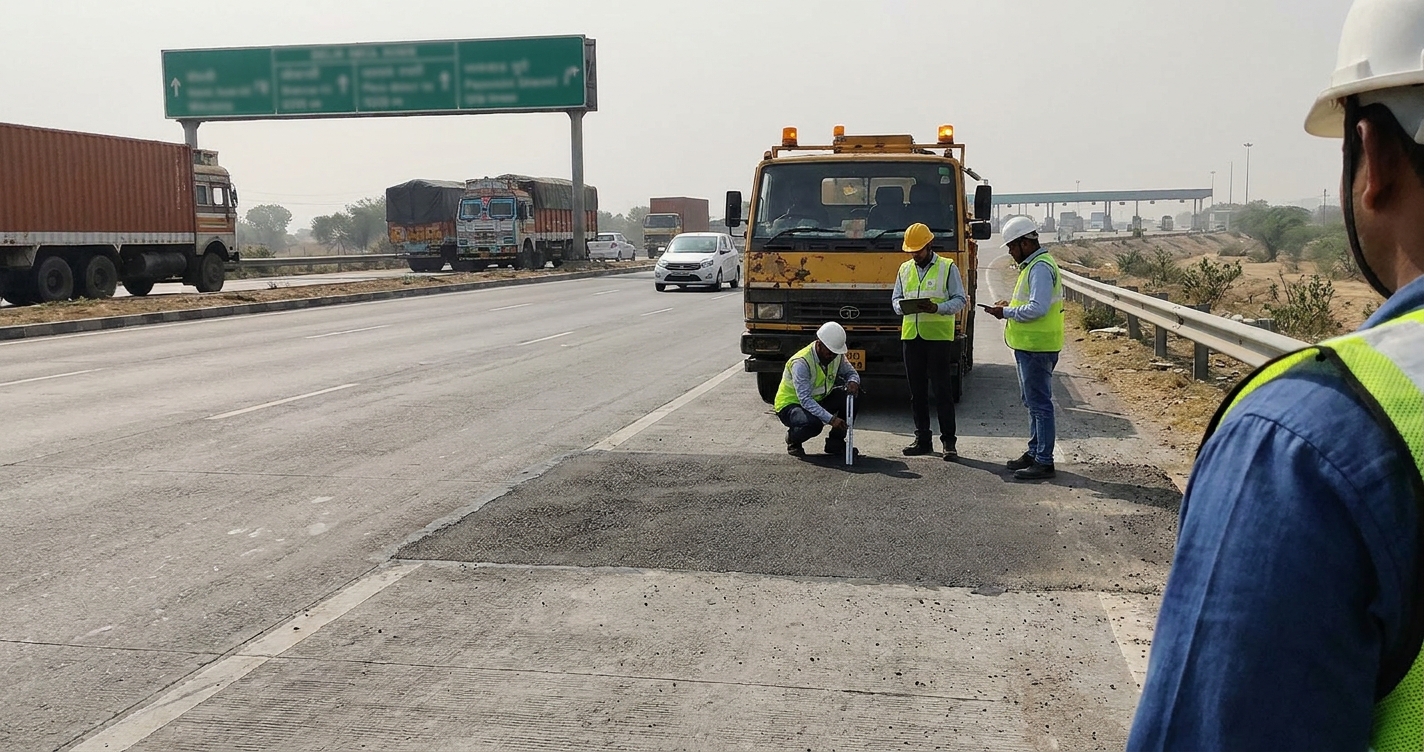
MoRTH has just changed what an EPC bid is worth. The instrument was a notification about potholes.
Contractors have always priced defect liability across a defined period. The Ministry of Road Transport and Highways framework issued on 29 October 2026 pushes that liability into tender eligibility itself, which is a different order of exposure.
Two rating streams now apply: one for access-controlled expressways and high-speed corridors, one for ordinary national highways.
Scores run across efficiency, safety and user experience. The metrics include:
- Peak congestion.
- Fatality rates per 10 kilometres.
- Pavement durability.
- ATM availability every 20 kilometres.
The scorecard will collect the coverage. The commercial weight sits a few lines further down.
MoRTH is internally rating highway contractors, with financial obligations tied to those ratings.
Read the sequence. On 23 October the ministry published amenity guidelines for toll plaza toilets and parking. Six days later it published performance metrics and started grading the firms that built the assets.
Two instruments, one direction.
The trigger is unglamorous. India laid roughly 56,700 kilometres of national highway in a decade, and the maintenance tail on that stock now outlives the cycle that funded it.
Defect disputes on the Delhi–Mumbai Expressway and the Dwarka Expressway handed Nitin Gadkari's ministry the argument to stop buying length and start buying durability.
Exposure splits by contract form. EPC-heavy contractors such as Dilip Buildcon, PNC Infratech, GR Infraprojects and Megha Engineering run margin models built on lean overdesign and fast completion.
A durability score assessed across a corridor portfolio penalises both habits, and rating-linked financial obligations move the cost of a poor grade from reputational to contractual.
Concessionaires read it differently. IRB Infrastructure and Adani Highways already carry O&M as a line item, so corridor data helps them price maintenance.
What bites is disclosure: a published rating on an operating asset becomes an input to NHAI's toll-operate-transfer bundles and InvIT valuations.
NHAI has spent years asking bidders to accept condition risk blind.
Ratings convert that blind risk into a number, and numbers get priced.
The first cycle will be fought over causation. Potholes come from drainage, axle loads, monsoon intensity and utility cutting as much as from compaction behind the paver.
Score the contractor without normalising for overlay history and the rating describes traffic, not workmanship.
So the risk sits with whoever accepts the framework unamended. Contractors should be asking one question at the next pre-bid: what weight does the internal rating carry in the technical score, and who arbitrates a downgrade.
Neither answer has been published.
Insights
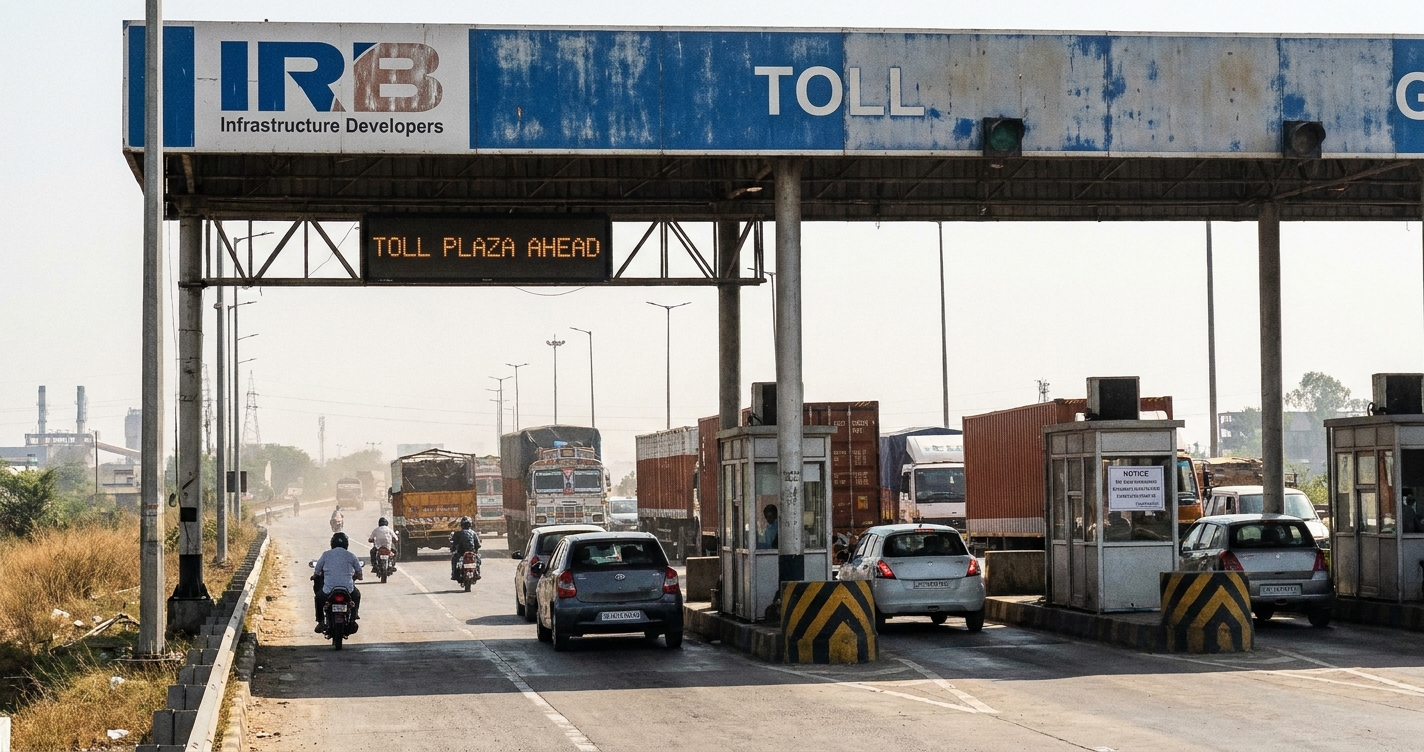
IRB Infrastructure Developers' Q2FY27 net profit rose 84.85% to ₹260.15 crore on 15% toll revenue growth and higher InvIT distributions.
IRB Infrastructure Developers' Q2FY27 net profit rose 84.85% to ₹260.15 crore on 15% toll revenue growth and higher InvIT distributions.
IRB Infrastructure Developers' Q2FY27 net profit rose 84.85% to ₹260.15 crore on 15% toll revenue growth and higher InvIT distributions.


Powered by

© Tuskus 2025 - All Rights Reserved by Teamic Creative Lab Pvt. Ltd.
