BMRCL will float fresh Phase 3 civil tenders within 45 days after Karnataka approved trimming double-decker structures to about 11 km of the 44.65-km


insghits
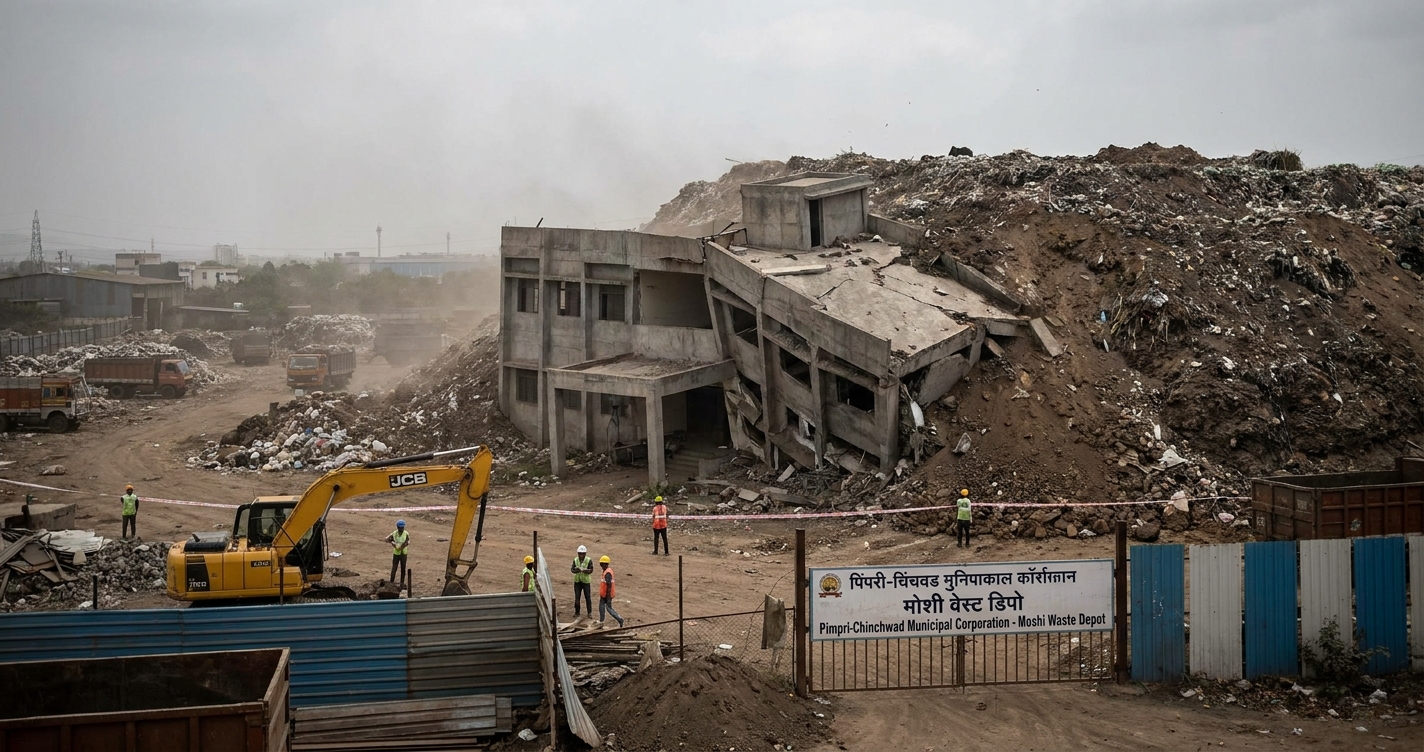
The preliminary report on the 8 July Moshi waste depot collapse has moved the inquiry from what happened to who owned safety.
The high-level committee headed by Pune Divisional Commissioner Sheetal Teli-Ugale submitted its findings to the Maharashtra government on 14 August, a month after the Urban Development Department ordered the probe.
Nine workers died and 12 were injured when a waste mound collapsed onto the administrative building of the waste-to-energy project owned by Pimpri-Chinchwad Municipal Corporation (PCMC).
The committee's early focus is telling. Rather than treating the collapse as a spontaneous operational accident, it examined whether the administrative building held a structural stability certificate and how permission was granted to locate staff infrastructure inside a hazardous zone.
That moves the inquiry toward approval-chain failure and the division of supervisory responsibility between PCMC and the contractor operating the project — a demarcation that is commercially consequential even though the contractor is not yet named in the public record.
PCMC has already front-loaded administrative accountability.
- Chief Engineer Sanjay Kulkarni, Executive Engineer Yogesh Alhat, and Fire Department Officer Rishikant Chipade were suspended.
- Police registered criminal cases against two contractor officials.
- The Environment Department has been reworked, with Chief Engineer Pramod Ombhase given charge.
- Executive Engineer Soham Nikam was later relieved, and Deputy Engineer Pankaj Dhende now holds the department.
- Executive Engineer (Civil) Vinay Ovhal carries an additional Joint City Engineer load.
The churn signals both capacity strain and an attempt to reset ownership of safety compliance.
For the contracting market, the Moshi collapse is a governance signal, not just a safety failure.
Municipal waste-to-energy and legacy-waste processing contracts have long carried ambiguous supervisory boundaries — the owner retains statutory oversight while the private operator runs daily site control.
When an incident lands between those positions, liability becomes contestable.
Expect future PCMC and comparable urban local body tenders to harden structural-certification requirements, site-zoning conditions and named supervisory duties, shifting measurable risk back to operators and raising bid-side compliance costs.
The final report is due by 14 September. Until it lands, the preliminary framing already points to a structural answer: certification gaps, hazardous-zone permitting, and an accountability line that was too blurred to hold.
Insights
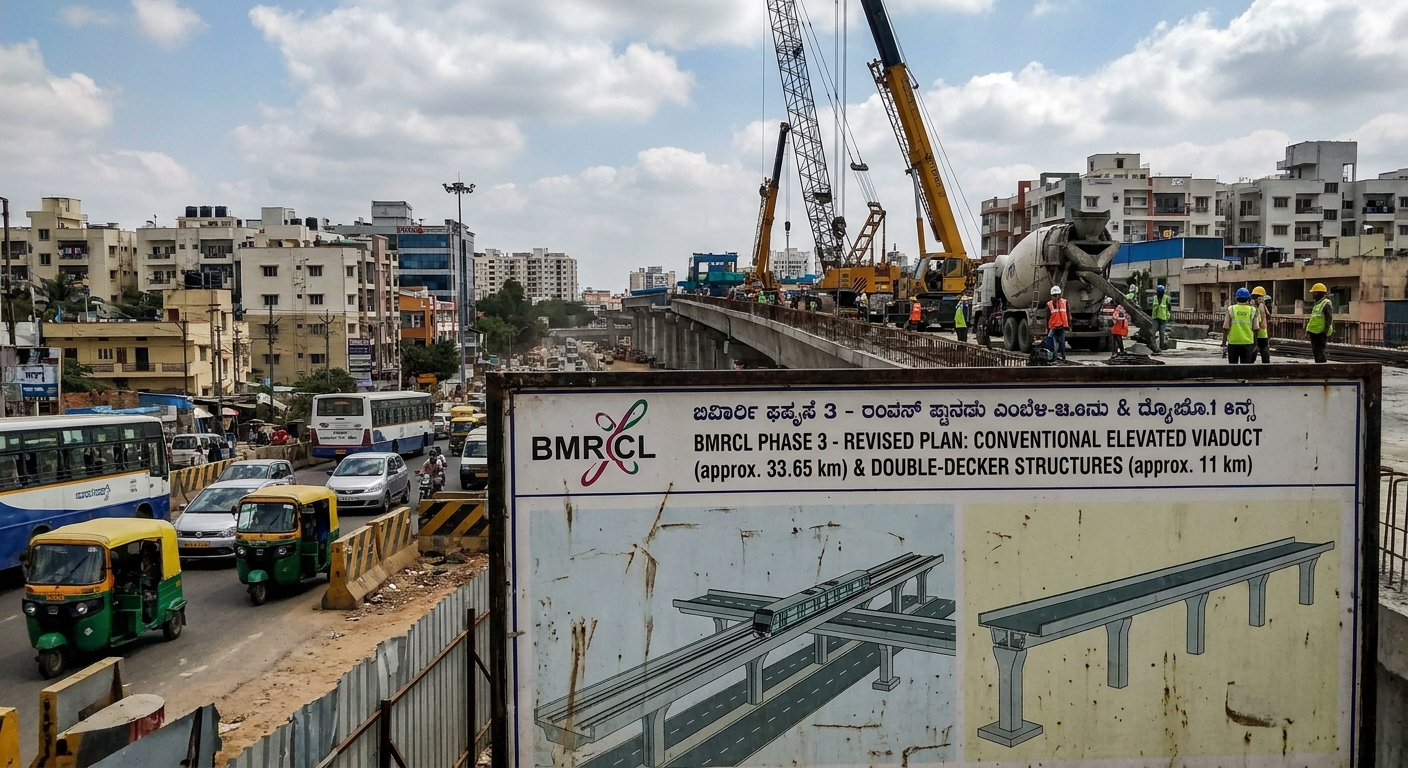
BMRCL will float fresh Phase 3 civil tenders within 45 days after Karnataka approved trimming double-decker structures to about 11 km of the 44.65-km
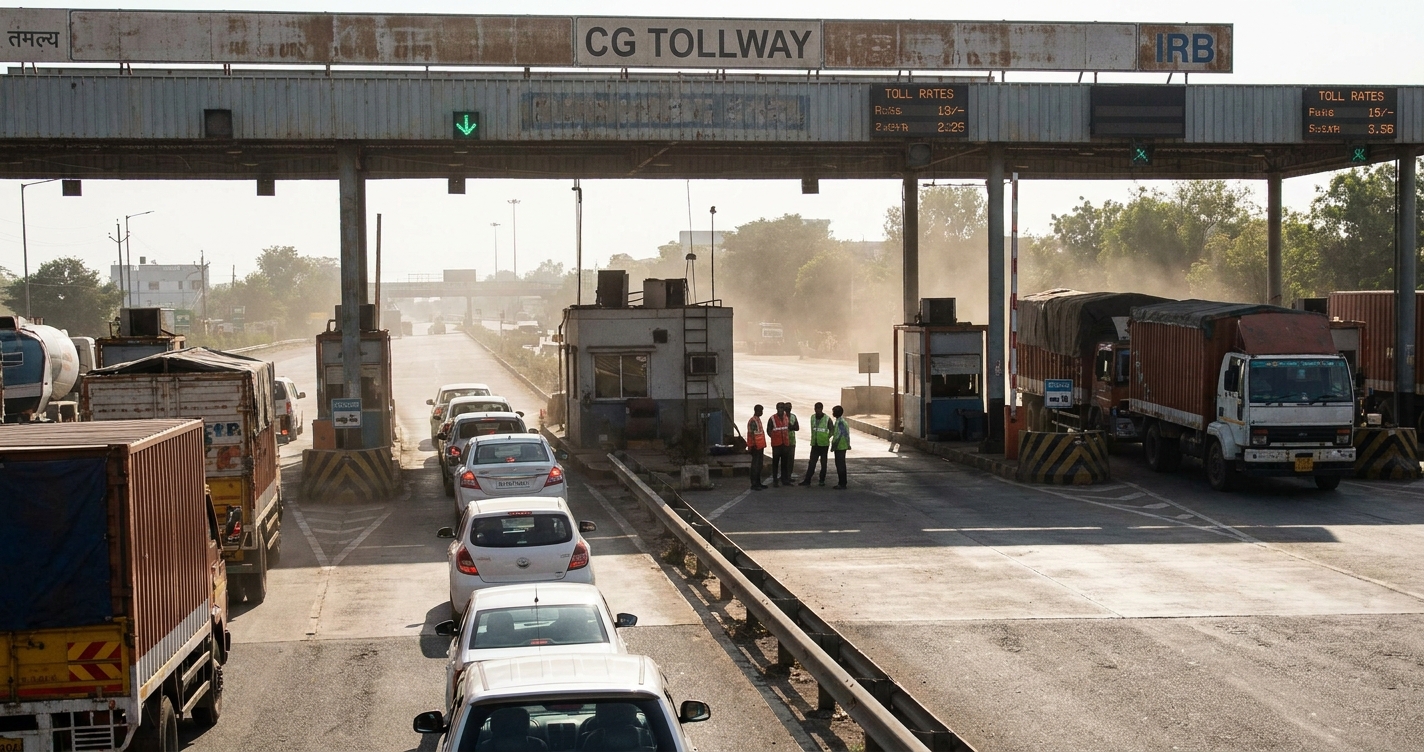
IRB Infrastructure Developers has signed a share purchase agreement to shift Solapur Yedeshi Tollway and CG Tollway out of its GIC-backed private InvI
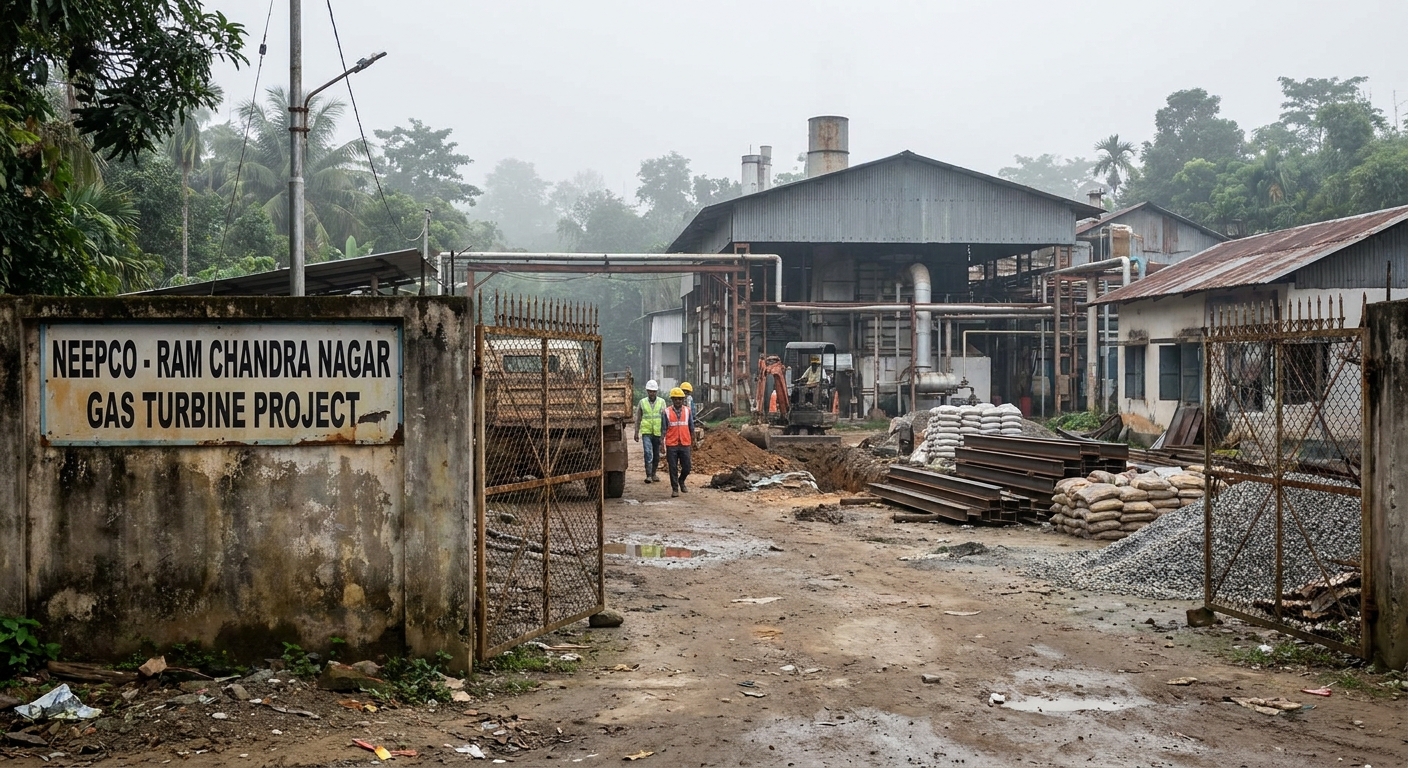
The Supreme Court's NEEPCO v Astra Construction ruling confirms a contractual interest bar can strip pre-reference interest from arbitral awards, turn


Powered by

© Tuskus 2025 - All Rights Reserved by Teamic Creative Lab Pvt. Ltd.
