More than 800 objections hit the Greater Bengaluru Authority within five days of a notice proposing the removal of 1,128 trees for the Hebbal tunnel.


insghits
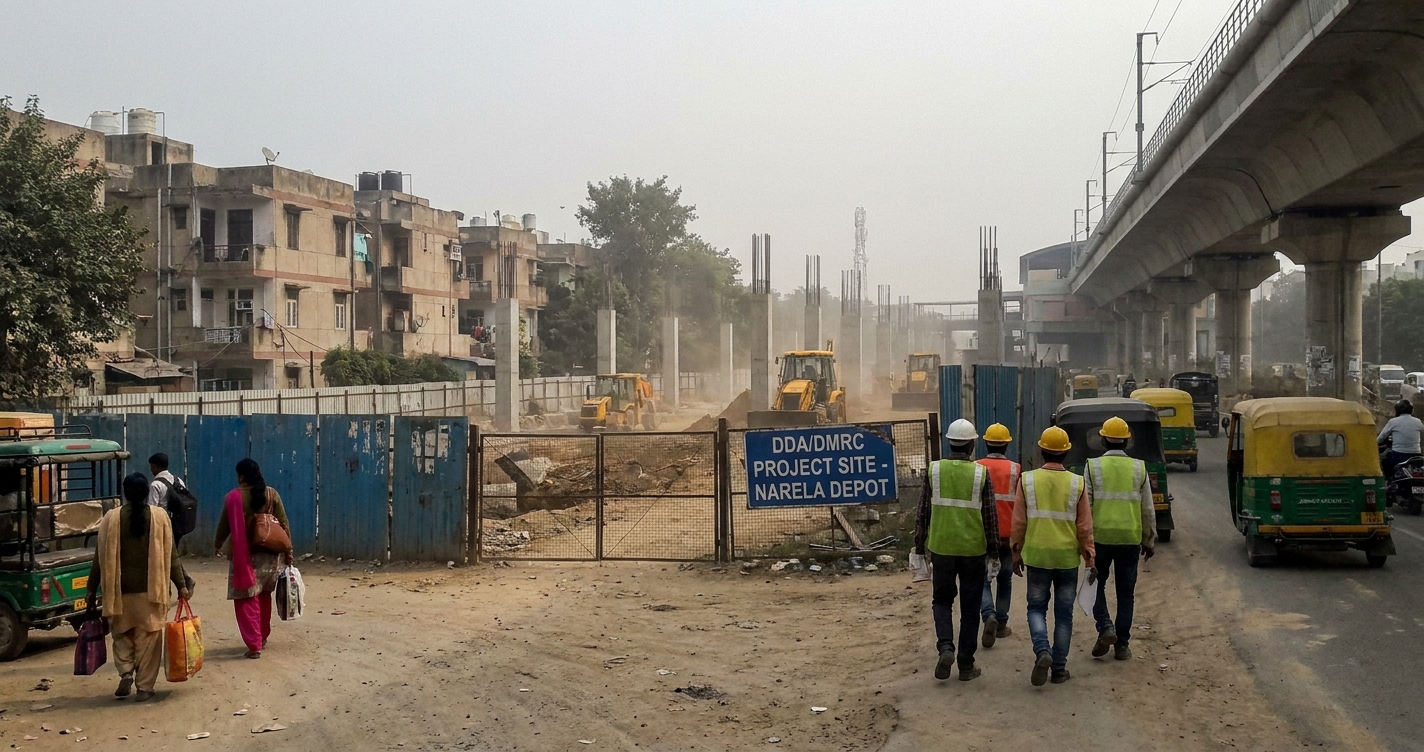
The Delhi Development Authority (DDA) has approved the Master Plan for Delhi 2047 (MPD-2047), replacing the stalled MPD-2041 and resetting Delhi's development logic around densification and transit-led value capture.
Lieutenant Governor Taranjit Singh Sandhu cleared the plan on August 12; it now moves to the Ministry of Housing and Urban Affairs for final notification. Roughly 207 sq km around Metro, Regional Rapid Transit System and railway corridors is earmarked for Transit-Oriented Development, with capacity for about 1.7 million dwelling units over the next decade.
The commercial signal is not housing volume; it is where buildable capacity sits. By concentrating density within 500 metres of Metro corridors and RRTS stations, MPD-2047 directs capital toward locations with existing connectivity, cutting the infrastructure burden that breaks peripheral greenfield projects.
Land pooling unlocks fragmented land, while a higher floor area ratio for slum redevelopment aims to make in-situ regeneration viable for developers.
For contractors and developers, the sharper lever is approval reform. Amendments to the Unified Building Bye-Laws 2016 remove prior NOCs from:
- Delhi Pollution Control Committee
- Delhi Jal Board
- Forest Department
- Chief Inspector of Factories
That compresses pre-construction timelines and shifts risk: fewer statutory gatekeepers, but greater self-certification liability on the builder.
Redevelopment of ageing DDA colonies — two-storey stock built under MPD 1962 — moves to a uniform framework granting built-up plots rights comparable to vacant plots, subject to FAR, ground coverage, height and fire norms.
Narela gets a 19.63-hectare land-use change for a Metro depot on the Rithala-Kundli corridor, signalling depots as development anchors.
The constraint is execution. MPD-2047 is a zoning instrument, not a delivery guarantee.
TOD capacity, land pooling returns and FAR-led redevelopment depend on the DDA issuing operational norms, coordinating with the Delhi Metro Rail Corporation and the NCRTC, and holding approvals to promised timelines.
Yamuna floodplain protections — no concrete in the O-Zone — also cap buildable land, concentrating pressure on the corridors the plan opens.
Net effect: MPD-2047 shifts Delhi from outward expansion to inward densification, and from permission-heavy to liability-led construction.
Winners will be developers and contractors positioned on transit corridors and redevelopment parcels; exposure sits with those relying on peripheral greenfield land or slow statutory clearances.
Insights
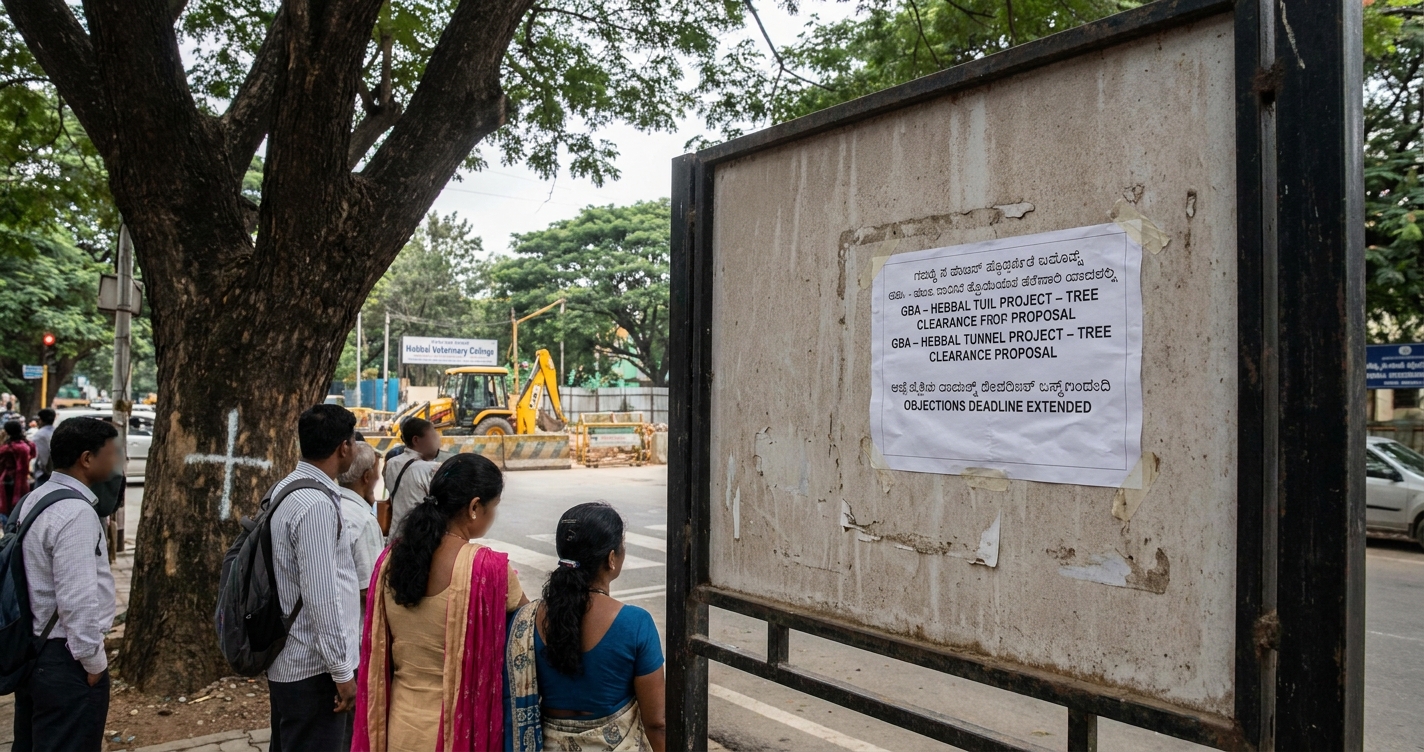
More than 800 objections hit the Greater Bengaluru Authority within five days of a notice proposing the removal of 1,128 trees for the Hebbal tunnel.
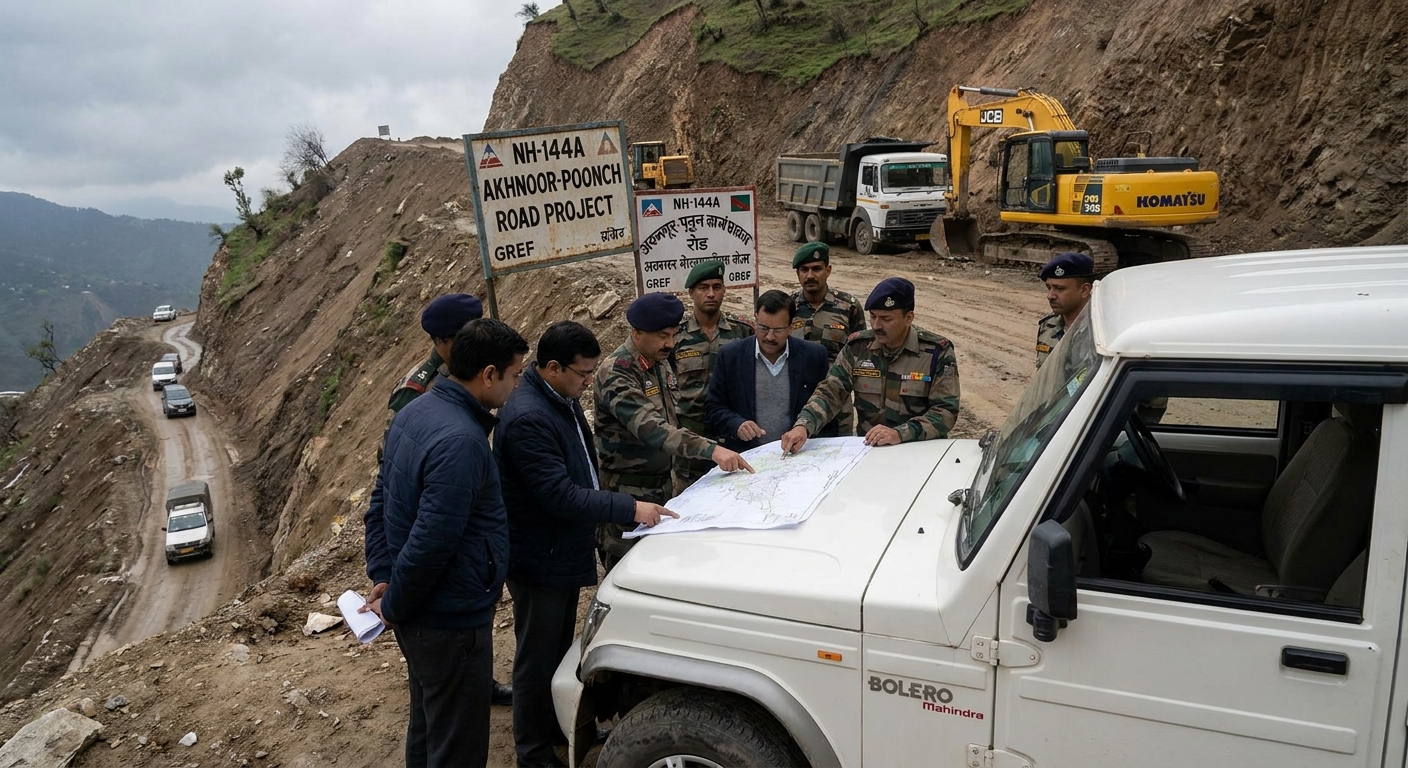
Deputy Commissioner Poonch Ashok Kumar Sharma chaired a September 25 review of bottlenecks on National Highway-144A, the strategic Akhnoor–Poonch corr
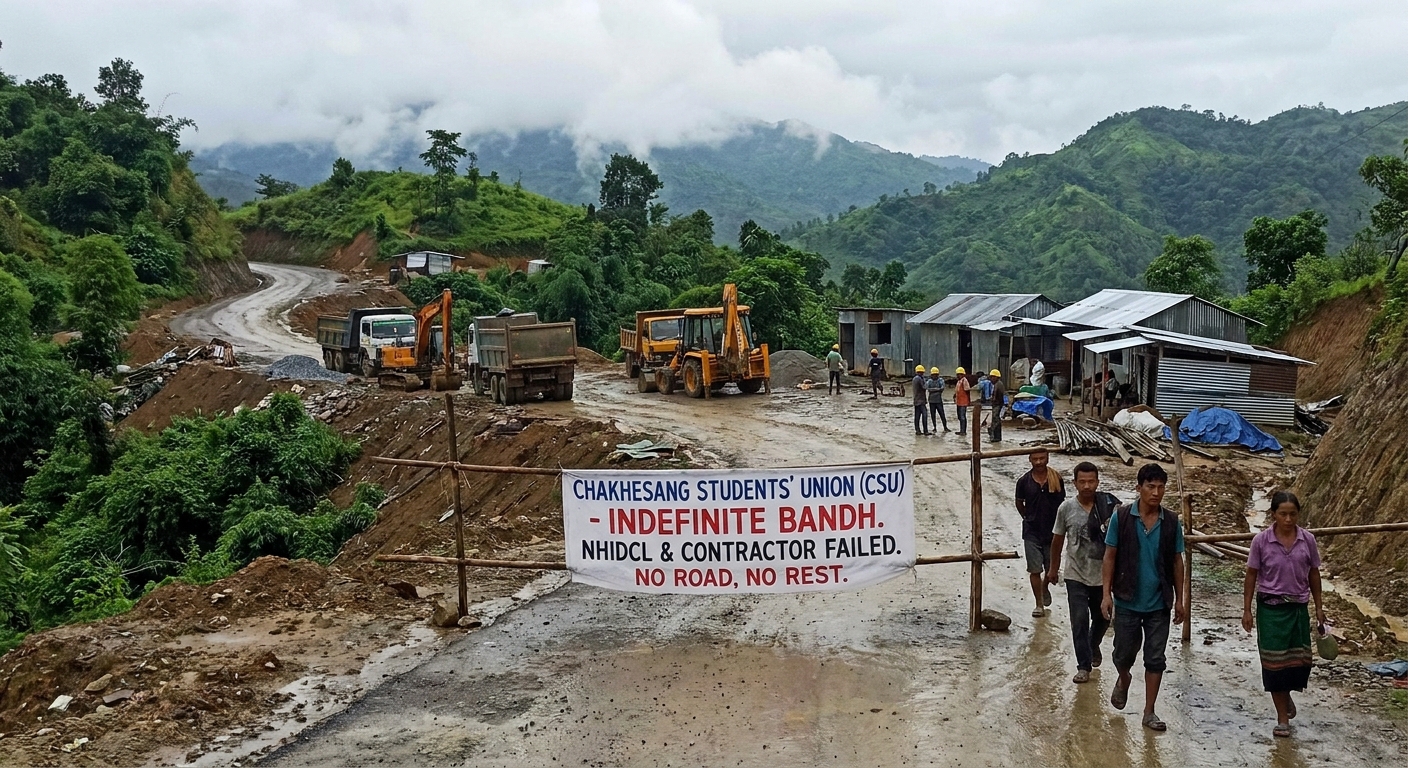
The Chakhesang Students Union has given NHIDCL 72 hours to terminate the contractor on the Chakhabama-Kikruma package of NH-29, with 44.30% physical p


Powered by

© Tuskus 2025 - All Rights Reserved by Teamic Creative Lab Pvt. Ltd.
