BMRCL will float fresh Phase 3 civil tenders within 45 days after Karnataka approved trimming double-decker structures to about 11 km of the 44.65-km


insghits
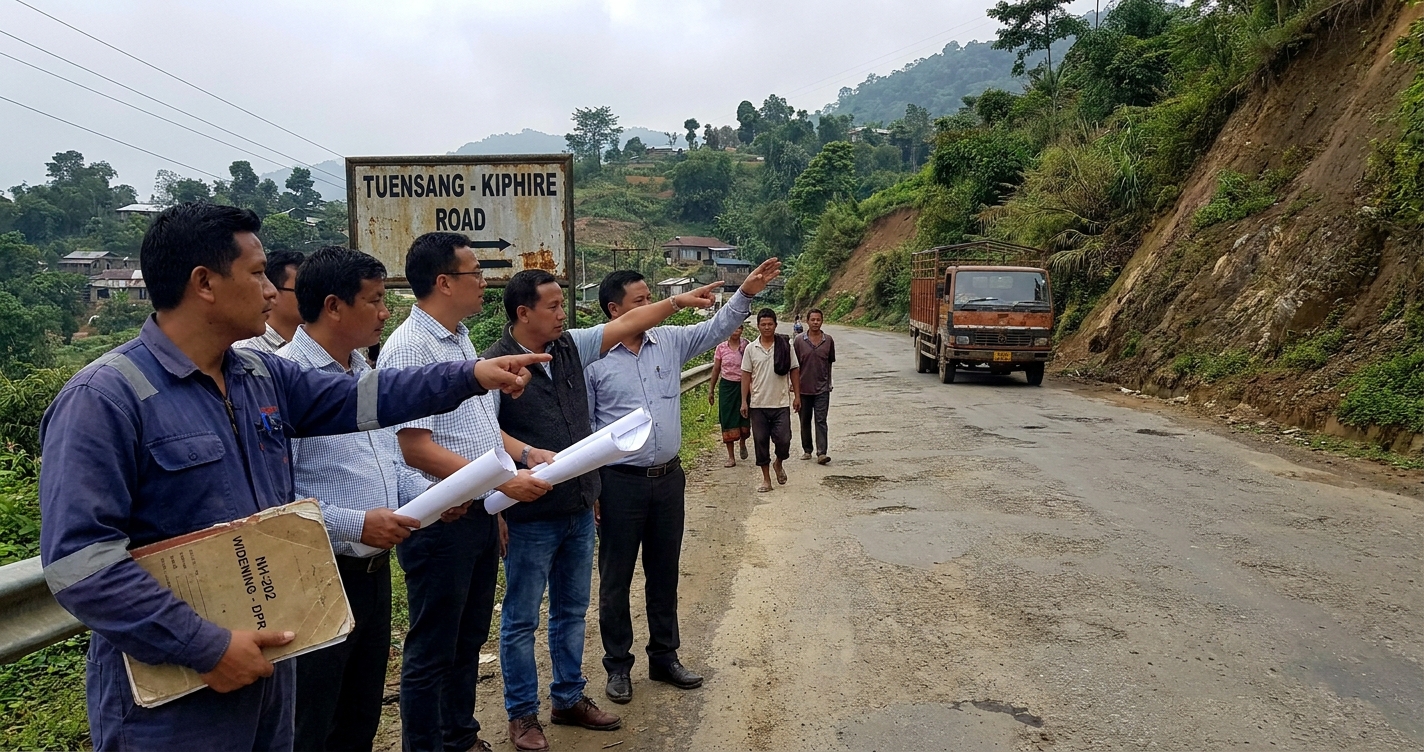
The decision by the Ministry of Road Transport and Highways (MoRTH) to accept a technically deficient Detailed Project Report (DPR) for the NH-202 widening is more than a project-level concession. It is a procurement and execution trade-off that transfers risk downstream.
At an August 19 meeting in Delhi, MoRTH's Secretary, Director General and Additional Director General agreed with the Nagaland government to proceed with the existing State-appointed consultant rather than re-tender the DPR contract.
The ministry accepted the submitted DPR with modifications to be carried out jointly by the State consultant and MoRTH engineers. For the State's Planning & Transformation and National Highways office, this avoids the delay and cost of appointing a fresh consultant and moves NH-202 — plus NH-329A, NH-702A and the Foothill Road widening — closer to Union Cabinet sanction.
The more consequential accommodation is on land acquisition. The State government's reservation against applying the National Highways Act, 1956 under Article 371(A) forced a compromise: as an interim measure, MoRTH allowed acquisition to proceed under the Nagaland Land (Requisition and Acquisition) Act, 1965.
That clears an approval bottleneck but shifts acquisition risk onto State machinery operating under customary land tenure, with a compensation framework that differs from national highway norms.
MoRTH is prioritising schedule over design completeness to unblock a corridor serving Tuensang, Shamator and Kiphire. The cost of that choice will surface during construction, where unresolved technical deficiencies typically convert into:
- variation orders
- rework
- right-of-way disputes
Contractors bidding the two-lane NH-202 widening should therefore price not just the alignment but the residual DPR risk accepted upstream.
The wider signal is structural: Article 371(A) jurisdictions require a differentiated acquisition pathway for national highway delivery. MoRTH's interim workaround is a template that may now be replicated across the State's other widening packages — but only if State-led acquisition proves faster than the DPR deficiencies it was designed to bypass.
Insights
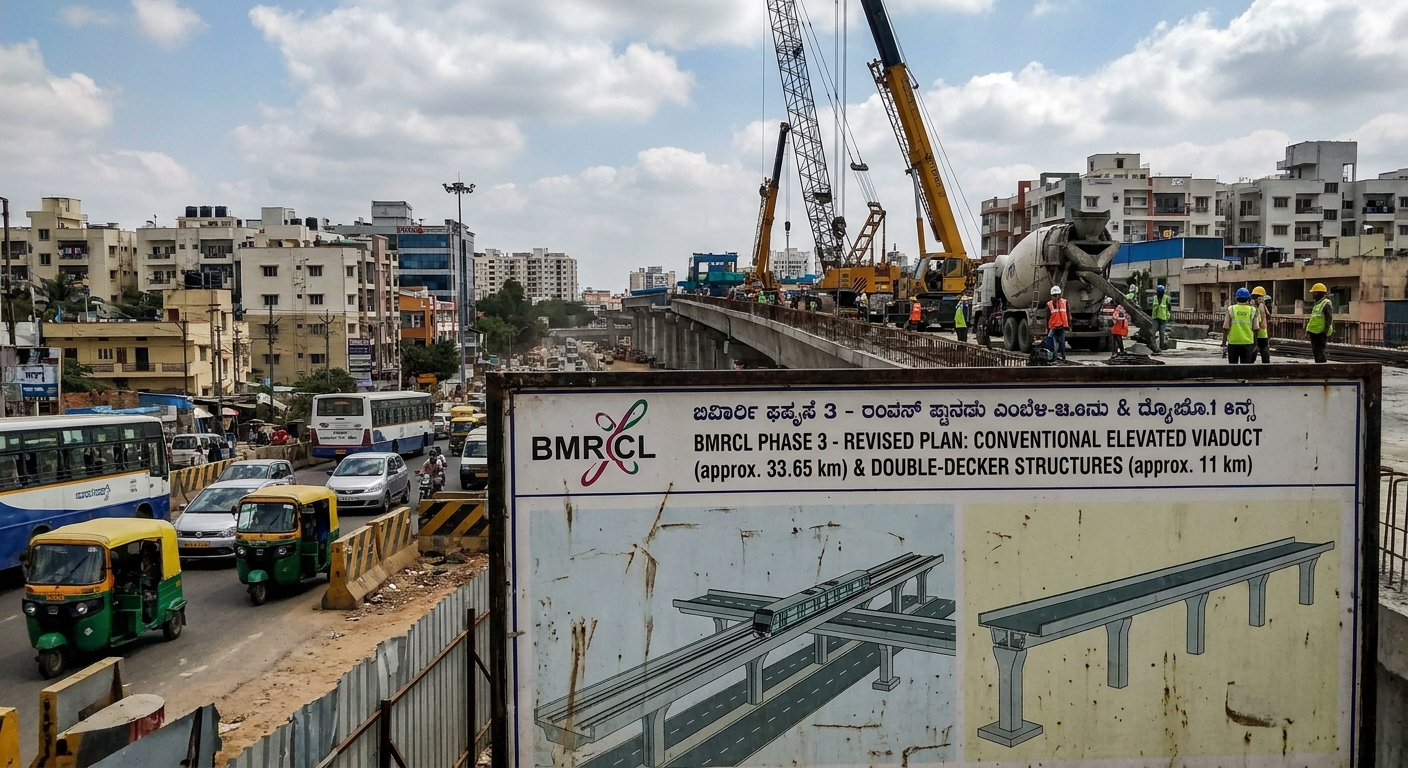
BMRCL will float fresh Phase 3 civil tenders within 45 days after Karnataka approved trimming double-decker structures to about 11 km of the 44.65-km
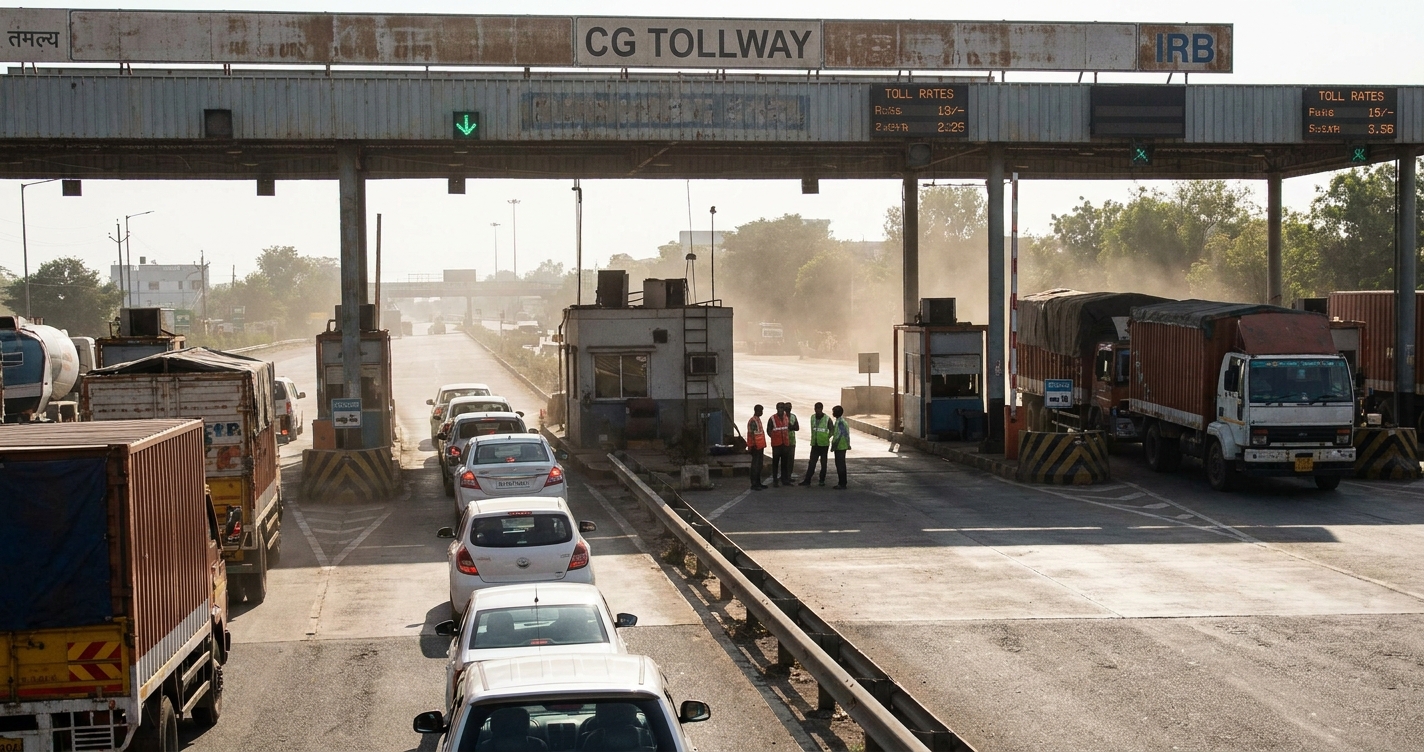
IRB Infrastructure Developers has signed a share purchase agreement to shift Solapur Yedeshi Tollway and CG Tollway out of its GIC-backed private InvI
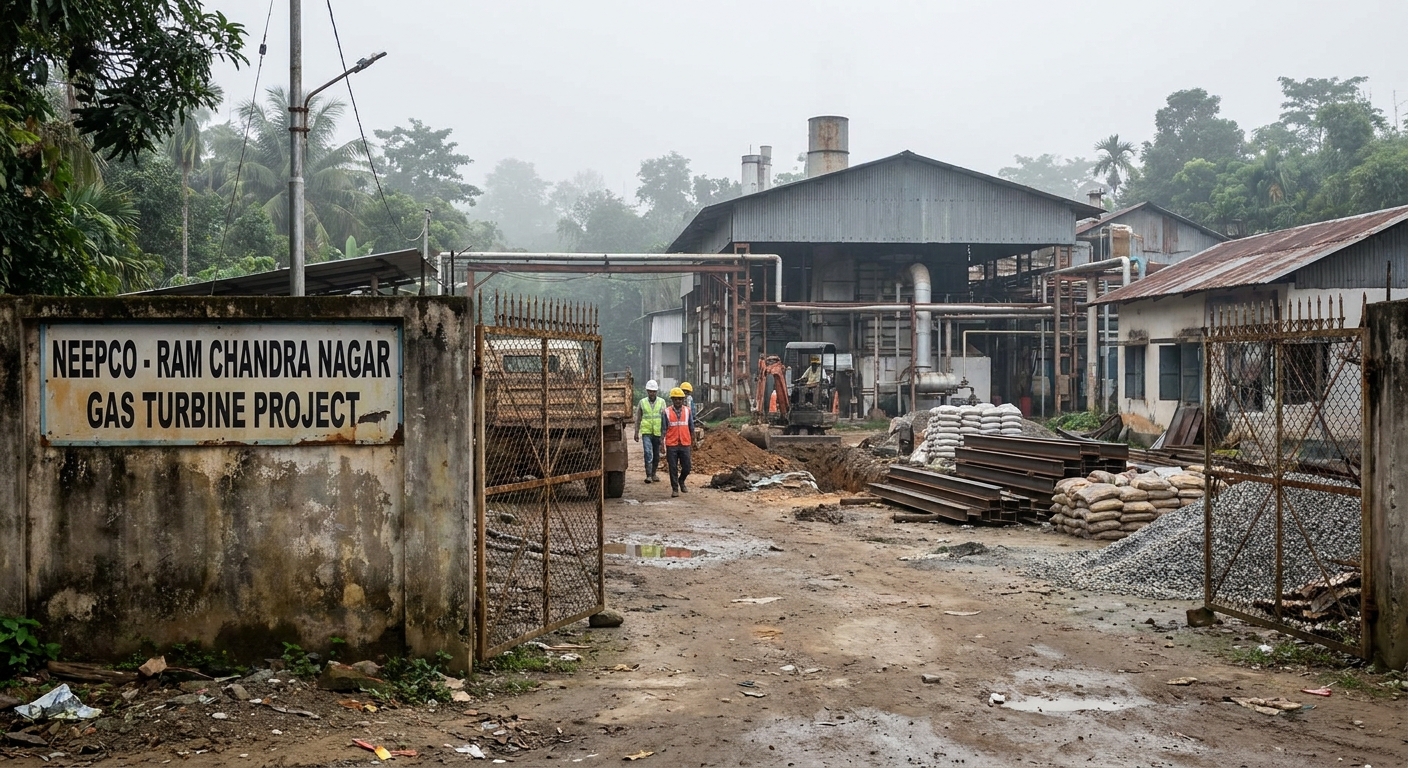
The Supreme Court's NEEPCO v Astra Construction ruling confirms a contractual interest bar can strip pre-reference interest from arbitral awards, turn


Powered by

© Tuskus 2025 - All Rights Reserved by Teamic Creative Lab Pvt. Ltd.
