RITES' 58% repricing of the Bidar–Kalaburagi electrification mandate shows how cost-plus turnkey contracting shifts escalation risk from consultant to


insghits
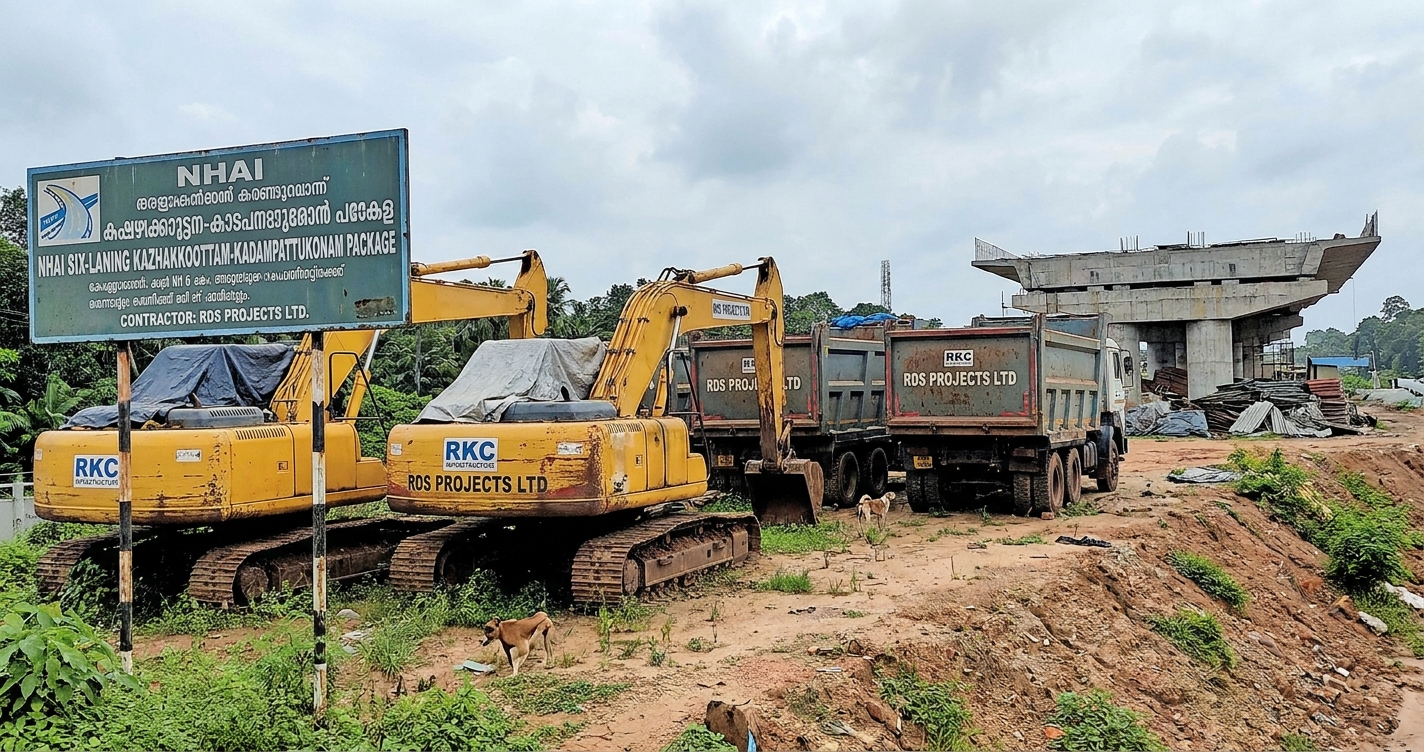
NHAI has escalated from penalties to termination against RDS Projects Ltd on the 29 km Kazhakkoottam-Kadampattukonam NH 66 six-laning package, serving a cure period notice as the formal precursor to contract termination.
The move follows near-stagnation at roughly 55% completion, despite a revised March 2027 deadline already two years beyond the original January 2025 target.
The immediate trigger is a funding dispute between RDS Projects and Pune-based RKC Infrastructure Ltd, the sub-contractor executing much of the work.
With payments stalled, RKC's workers have largely returned to Maharashtra and machinery sits idle at multiple sites.
NHAI has already imposed a penalty of around Rs 50 crore on RDS Projects for missing the prescribed 4–5% monthly progress and now signals termination and alternative arrangements as the next step.
The exposure lies in the contracting structure. RDS Projects sub-let execution to RKC Infrastructure to accelerate delivery, but the principal-to-sub-contractor payment chain fractured, collapsing mobilisation.
It is a recurring EPC failure mode: a main contractor without sufficient self-delivery capability shifts execution risk to a sub-contractor, then loses control the moment funding friction appears.
Entity history sharpens the concern. RDS Projects was earlier blacklisted by the Kerala government over the failed Palarivattom flyover in Kochi, yet still held this NHAI award.
A state-debarred contractor continuing on a central corridor exposes a persistent gap between state and central debarment registers—one NHAI is now paying for in delay and re-procurement risk.
For NHAI, termination is not a clean exit. Around 45% of the package remains incomplete, including:
- Flyovers
- Underpasses
- Bridges
- Culverts
- The service-road network
Re-tendering would push the corridor further past deadline and add cost escalation on materials, labour and earthwork, where red earth shortages have already disrupted embankments.
For RDS Projects, the stakes are higher:
- Loss of balance work
- Likely encashment of bank guarantees
- A record that will constrain future bidding
The industry signal is enforcement hardening.
NHAI is moving beyond routine penalties toward actual termination as a procurement tool, while the RDS–RKC rupture shows sub-contractor-led delivery is becoming a systemic execution risk rather than an isolated failure.
Insights
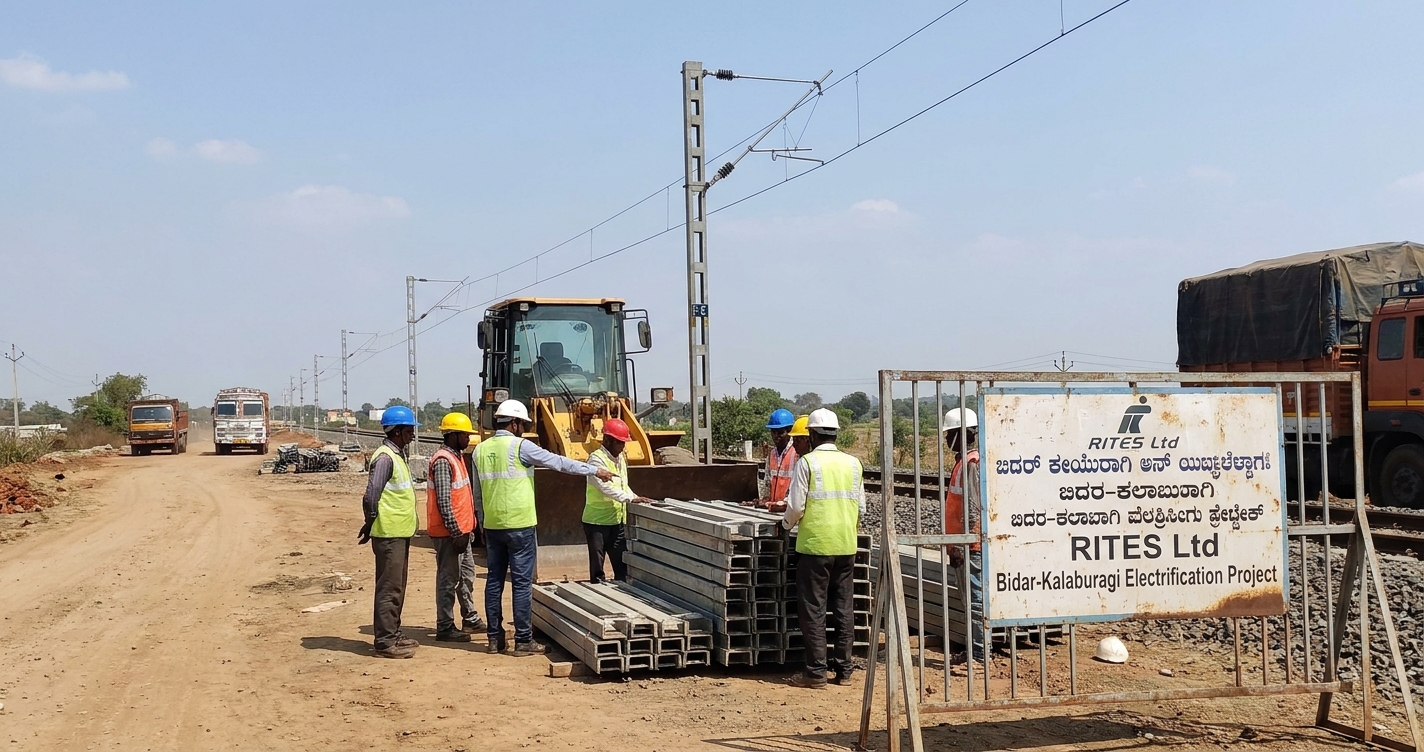
RITES' 58% repricing of the Bidar–Kalaburagi electrification mandate shows how cost-plus turnkey contracting shifts escalation risk from consultant to
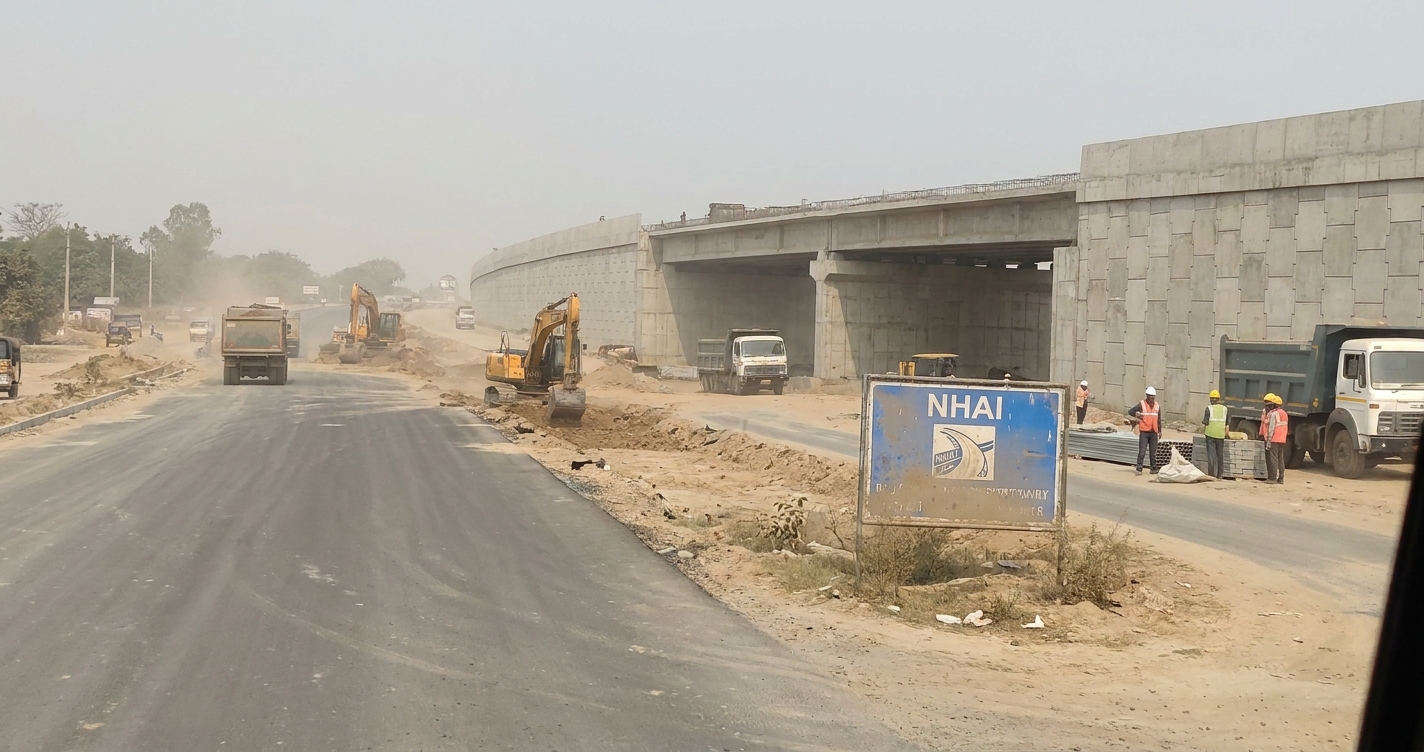
NHAI's 21 September 2026 design guidelines lock uniform 60-70m right-of-way and structure standards for 4-lane and 6-lane high-speed corridors, reshap
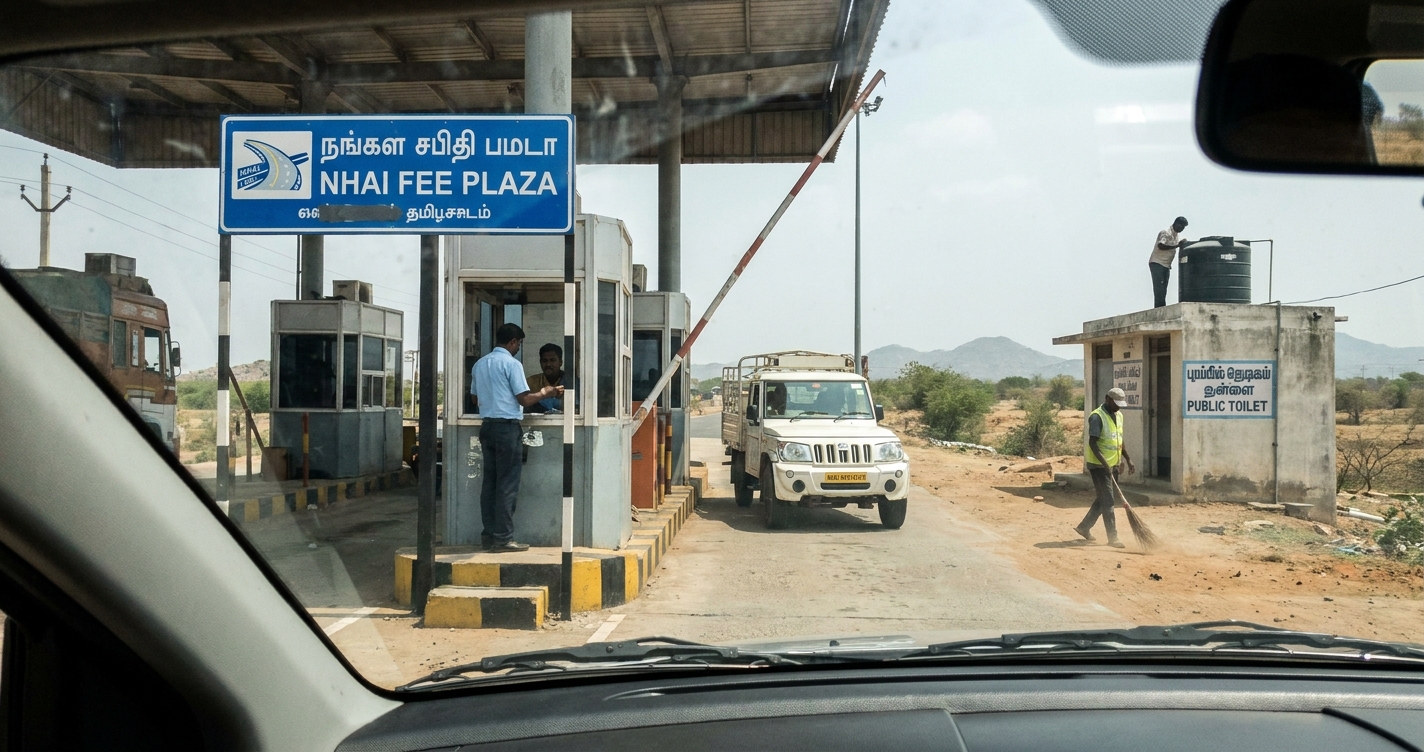
Hazoor Multi Projects' Rs 200-crore NHAI award in Tamil Nadu is a user fee collection and maintenance mandate, not a construction order — and that dis


Powered by

© Tuskus 2025 - All Rights Reserved by Teamic Creative Lab Pvt. Ltd.
