RITES' 58% repricing of the Bidar–Kalaburagi electrification mandate shows how cost-plus turnkey contracting shifts escalation risk from consultant to


insghits
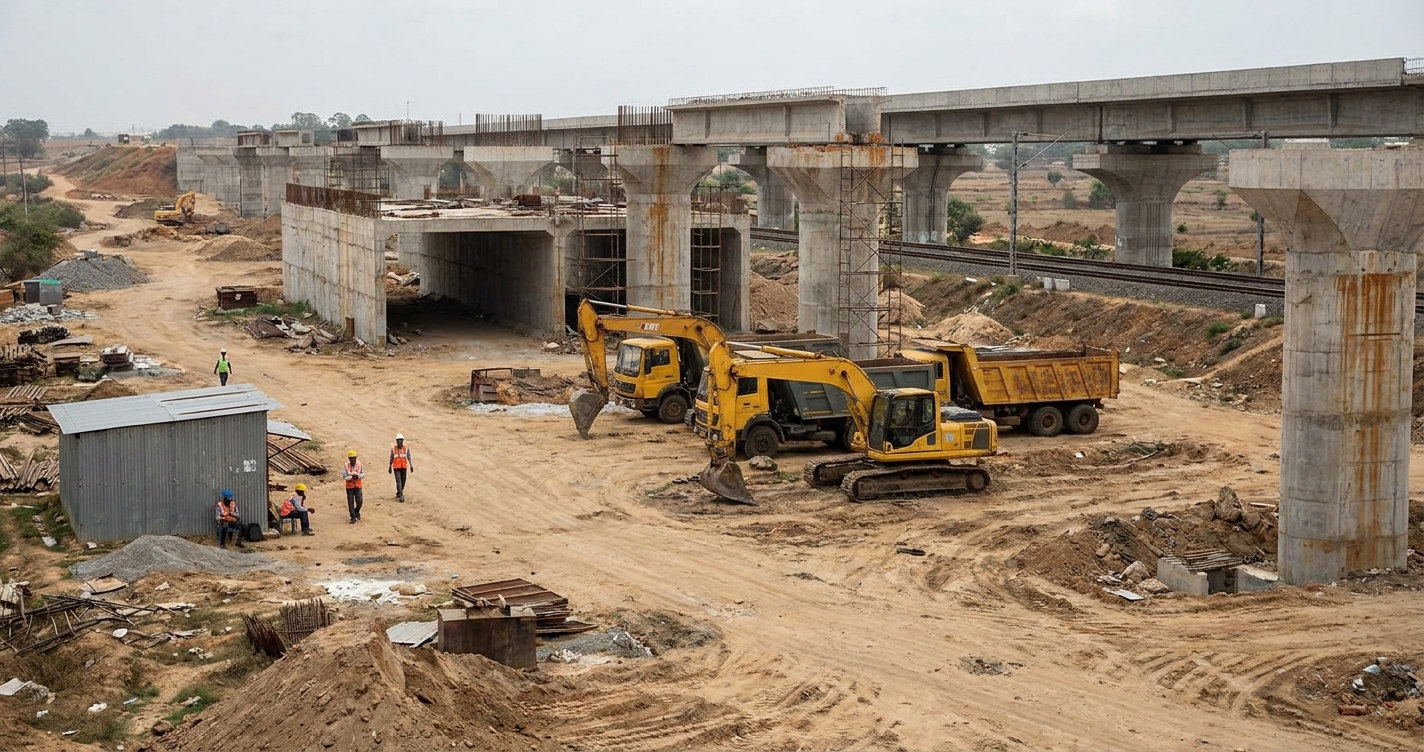
The National Highways Authority of India (NHAI) has terminated DP Jain's EPC contract for the 24.5 km Arakkonam-Kancheepuram section of the Bengaluru-Chennai Greenfield Expressway. The unfinished scope has been re-tendered at Rs 633.12 crore.
The move follows the disposal of two writ appeals filed by DP Jain in the Madras High Court. This clears the path for NHAI to reset delivery on a corridor it wants open by end-2026.
The termination is not routine. DP Jain had completed only 11.33 km of the section before halting work in May 2025.
What remains is the hardest part of the package:
- Nine major bridges
- A railway overbridge
- Two grade separators
- Two minor bridges
- 18 underpasses
- 44 box culverts
The fresh EPC tender carries an 18-month window and a five-year maintenance obligation. A single contractor must own both balance construction and early asset performance.
Commercially, the reset moves risk three ways:
- DP Jain loses the residual contract value and faces potential bank-guarantee encashment and future eligibility constraints.
- NHAI absorbs lost time but converts a stalled package into a funded balance-work opportunity.
- The incoming contractor inherits interface risk: remobilisation, reconciliation of the completed 11.33 km, latent-defect exposure on a departed contractor's work, and the structures-heavy mix that likely caused the slowdown.
Corridor context sharpens the stakes. Karnataka's 71 km is complete, Andhra Pradesh targets October, and the Walajahpet-Arakkonam and Kancheepuram-Sriperumbudur stretches are nearing completion.
A Rs 112.46 crore trumpet interchange at Sriperumbudur is about 40 per cent done. Tamil Nadu's finish depends on shifting high-voltage transmission towers—a utility-interface risk NHAI has flagged.
The re-tendered section is now the critical path.
The wider signal is NHAI's shift from forbearance to enforcement. Rather than renegotiate timelines with a stressed contractor, it terminates, litigates to closure, and re-tenders at a residual price with a compressed schedule and bundled O&M.
That creates a risky balance-work tender segment:
- High structural complexity
- Tight timelines
- Full accountability
Under-capitalised mid-sized contractors will struggle. Well-capitalised players may capture derisked packages at a premium.
NHAI is prioritising corridor completion over contract continuity, and balance-work re-tenders are becoming a structural feature of the Bharatmala wind-down.
Insights
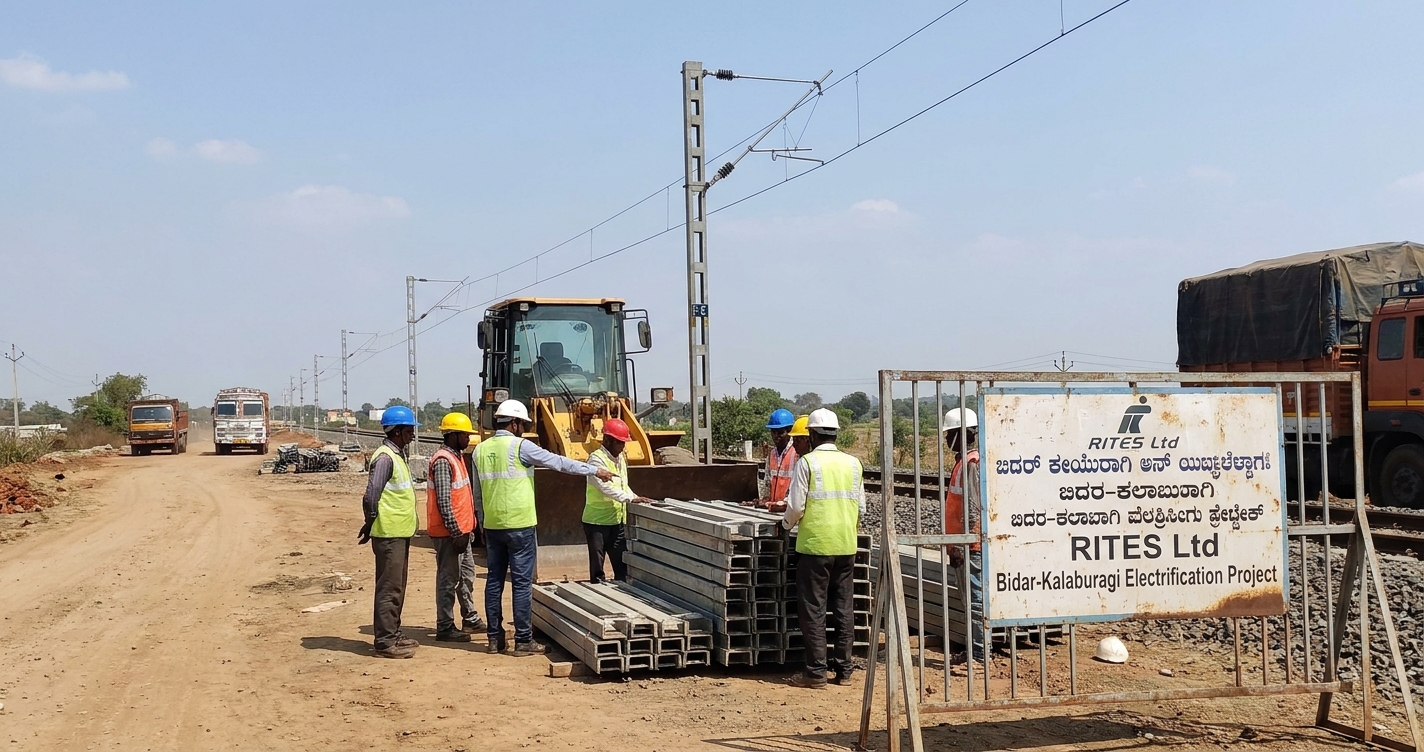
RITES' 58% repricing of the Bidar–Kalaburagi electrification mandate shows how cost-plus turnkey contracting shifts escalation risk from consultant to
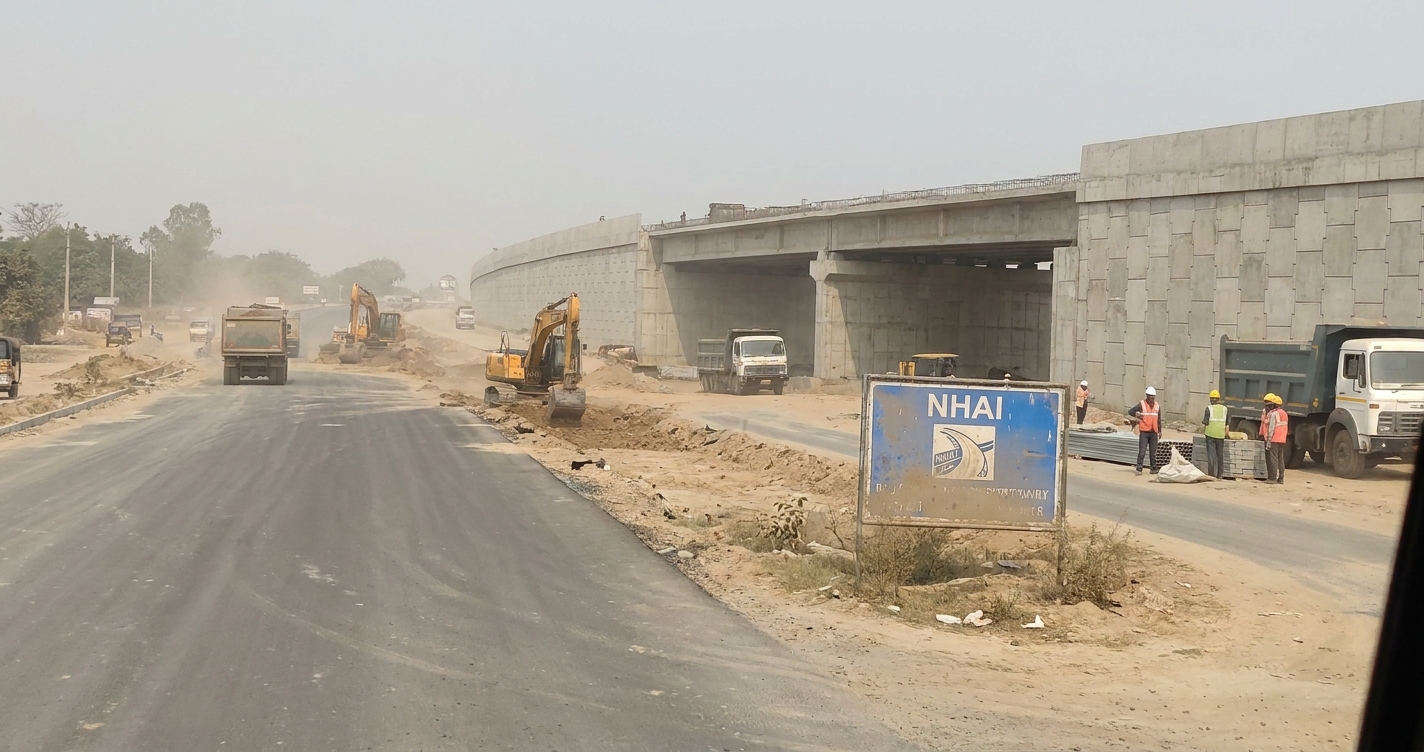
NHAI's 21 September 2026 design guidelines lock uniform 60-70m right-of-way and structure standards for 4-lane and 6-lane high-speed corridors, reshap
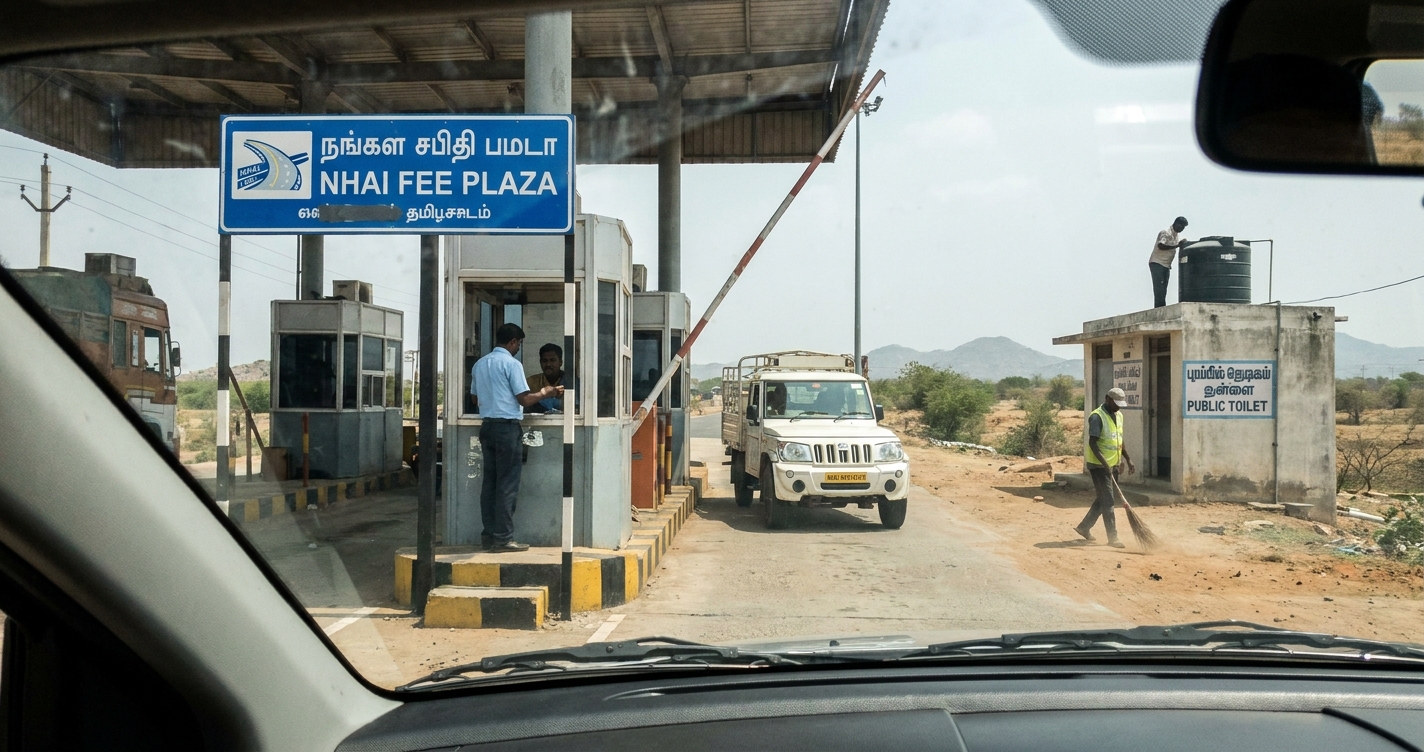
Hazoor Multi Projects' Rs 200-crore NHAI award in Tamil Nadu is a user fee collection and maintenance mandate, not a construction order — and that dis


Powered by

© Tuskus 2025 - All Rights Reserved by Teamic Creative Lab Pvt. Ltd.
