More than 800 objections hit the Greater Bengaluru Authority within five days of a notice proposing the removal of 1,128 trees for the Hebbal tunnel.


insghits
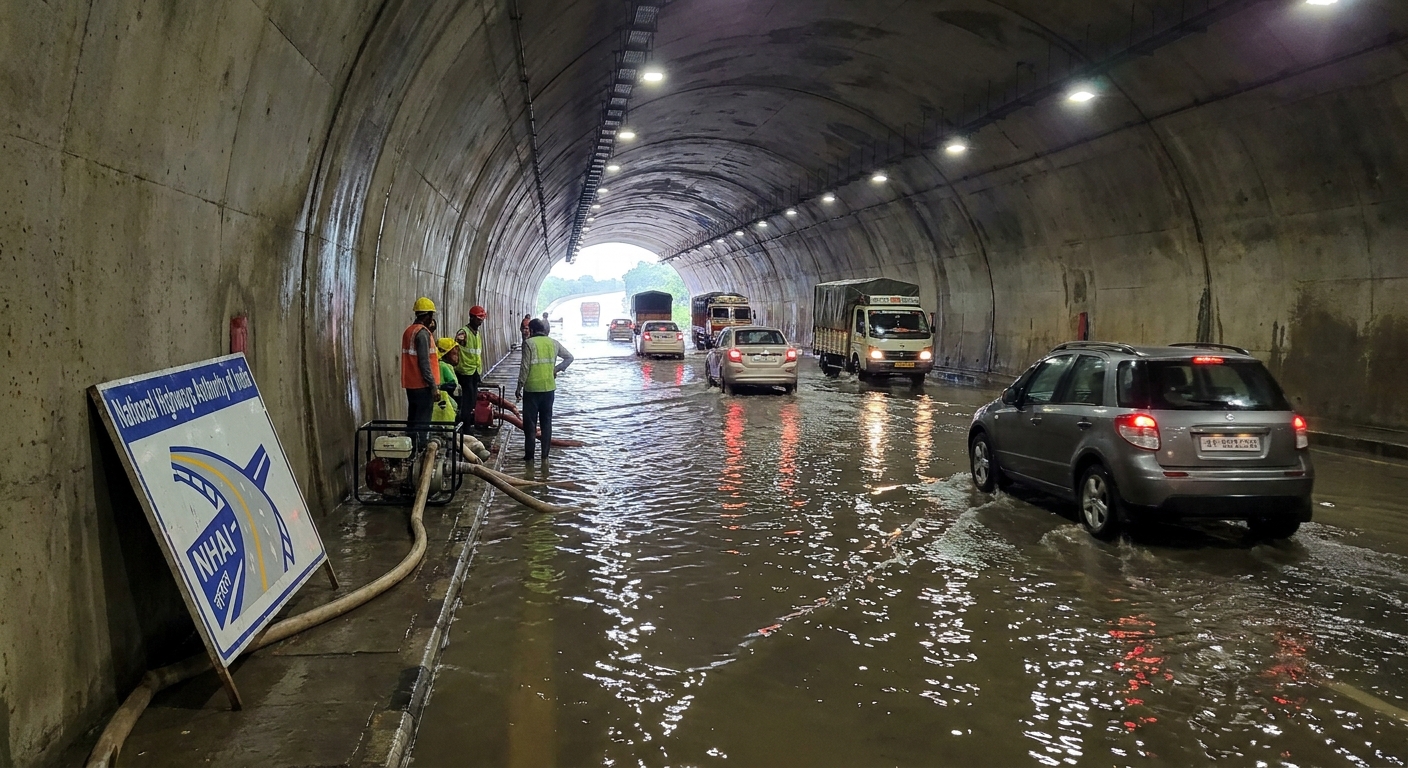
Heavy monsoon rainfall has exposed a hydraulic design gap in India's first eight-lane road tunnel — the 4.9 km Mukundara Hills Tunnel beneath the tiger reserve in Kota, part of the Rs 950 billion Delhi-Mumbai Expressway.
The National Highways Authority of India (NHAI) has acknowledged that dewatering capacity was under-assessed, turning the structure's first monsoon since its July 27 trial opening into a test it failed.
NHAI project director for Kota, Sandeep Agrawal, attributed the waterlogging primarily to insufficient pumping capacity.
The tunnel runs on 260 HP of installed pumps with 130 HP on standby — a combined 390 HP that proved inadequate for seepage from the forest above.
Water accumulated one to two feet deep across more than a kilometre of the central carriageway, disrupting traffic for roughly 90 minutes.
The commercial question is not the rainfall; it is design liability.
For signature underground structures, dewatering is a deterministic input built on hydrogeological modelling and monsoon peak assumptions. That NHAI is retrofitting higher-capacity pumps rather than commissioning a system already sized for the hydrology signals that the detailed design's seepage assumptions failed against the site's actual hydrogeology.
For contractors and design consultants, the execution warning is direct. Under EPC and hybrid annuity delivery, detailed design liability typically sits with the contractor or its designer.
If confirmed as under-designed drainage rather than an extraordinary weather event, corrective pumping, traffic management and waterproofing become a live contractual dispute over design risk.
The EPC contractor and design consultant, not identified in NHAI's public statement, now carry a retrofit that should have been engineered at bid stage.
The broader procurement signal is equally sharp. NHAI's tender and design-review process must now interrogate subsurface and hydrological assumptions before accepting detailed designs — not after a conservation-sensitive showcase asset becomes a bottleneck in its first rainy season.
For the rest of the Delhi-Mumbai Expressway corridor, this is an operations-readiness alert. The July 27 trial opening placed the tunnel into service just ahead of peak monsoon; a structured monsoon-readiness audit is now the minimum prudent response.
The audit should cover:
- Dewatering capacity
- Drainage cross-sections
- Standby power
For supply chain participants, the retrofit creates immediate demand for:
- High-capacity submersible pumps
- Control panels
- Standby power
- Waterproofing specialists
The sharper lesson is that hydraulic under-specification has converted a flagship conservation-sensitive asset into a case study in design-review failure.
Insights
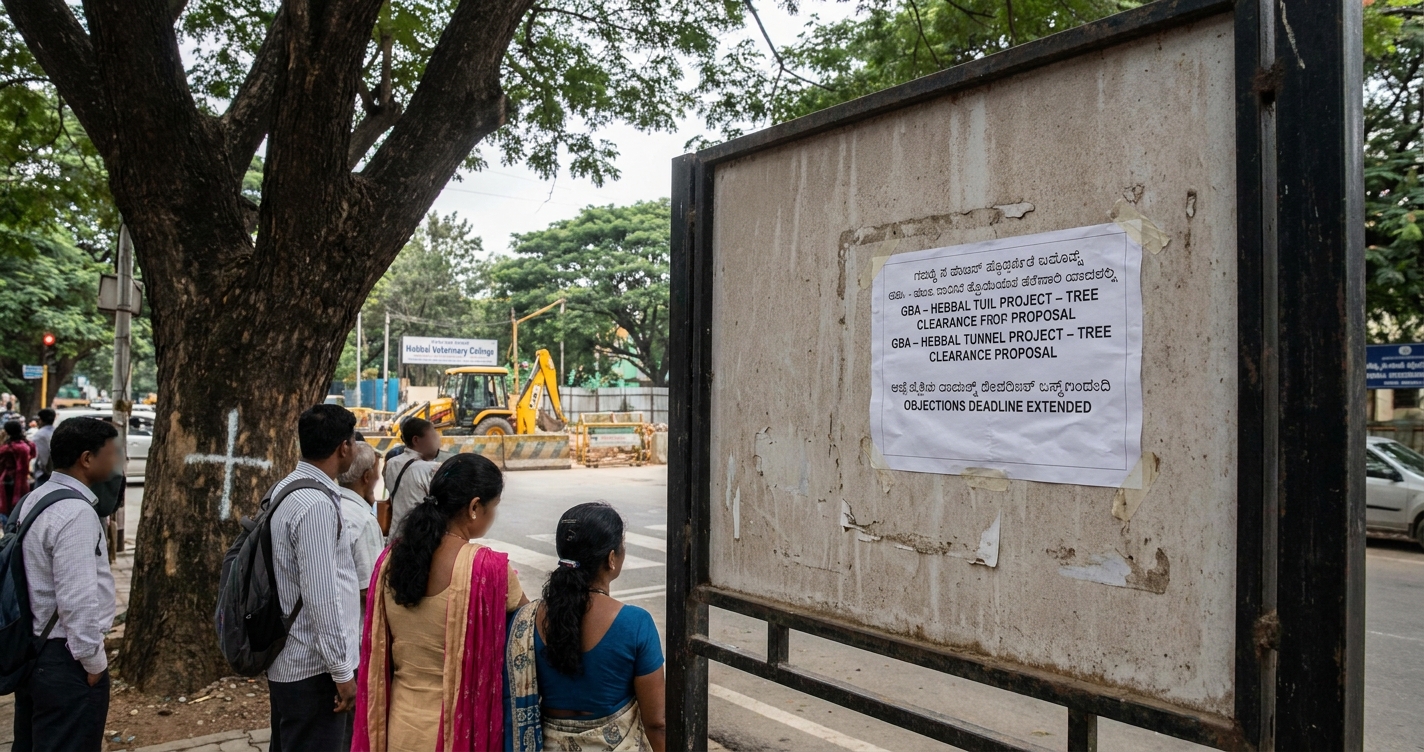
More than 800 objections hit the Greater Bengaluru Authority within five days of a notice proposing the removal of 1,128 trees for the Hebbal tunnel.
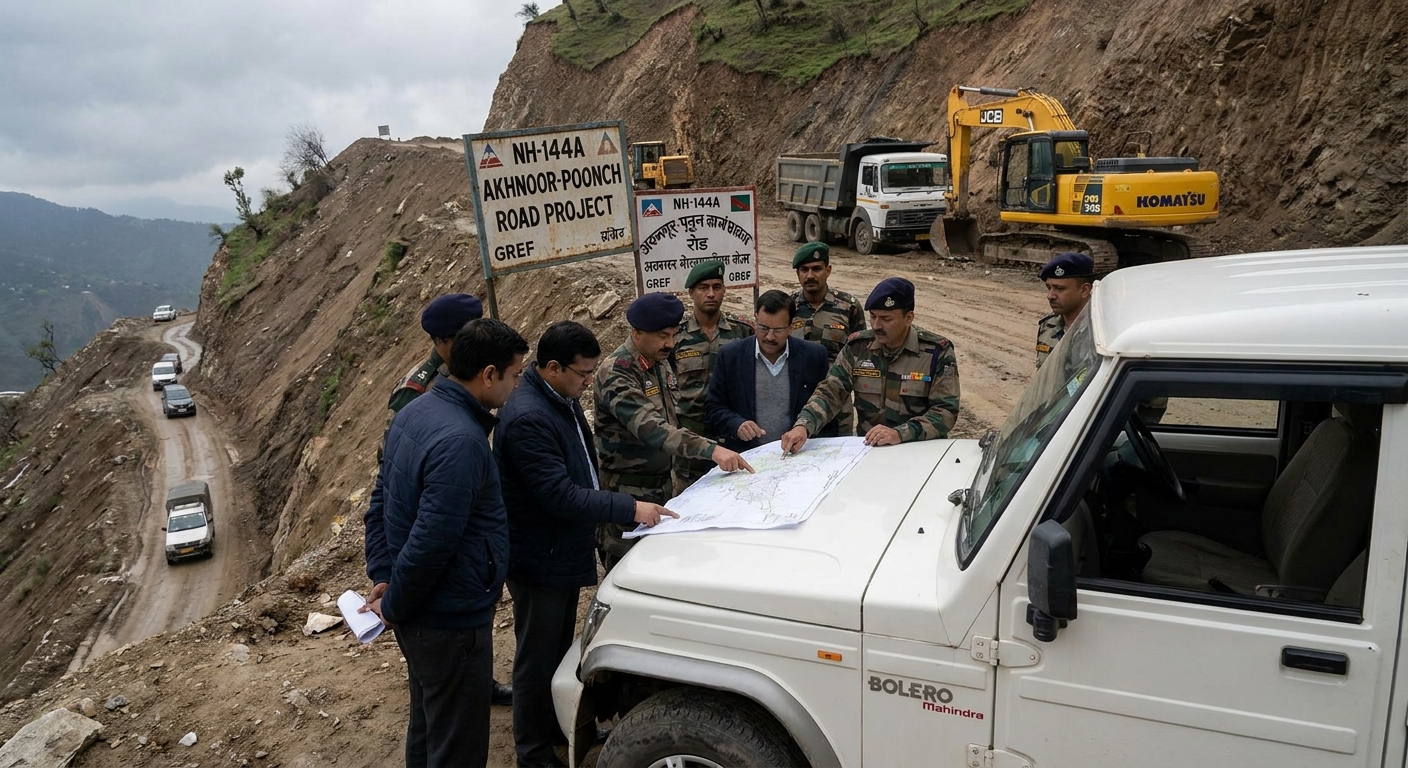
Deputy Commissioner Poonch Ashok Kumar Sharma chaired a September 25 review of bottlenecks on National Highway-144A, the strategic Akhnoor–Poonch corr
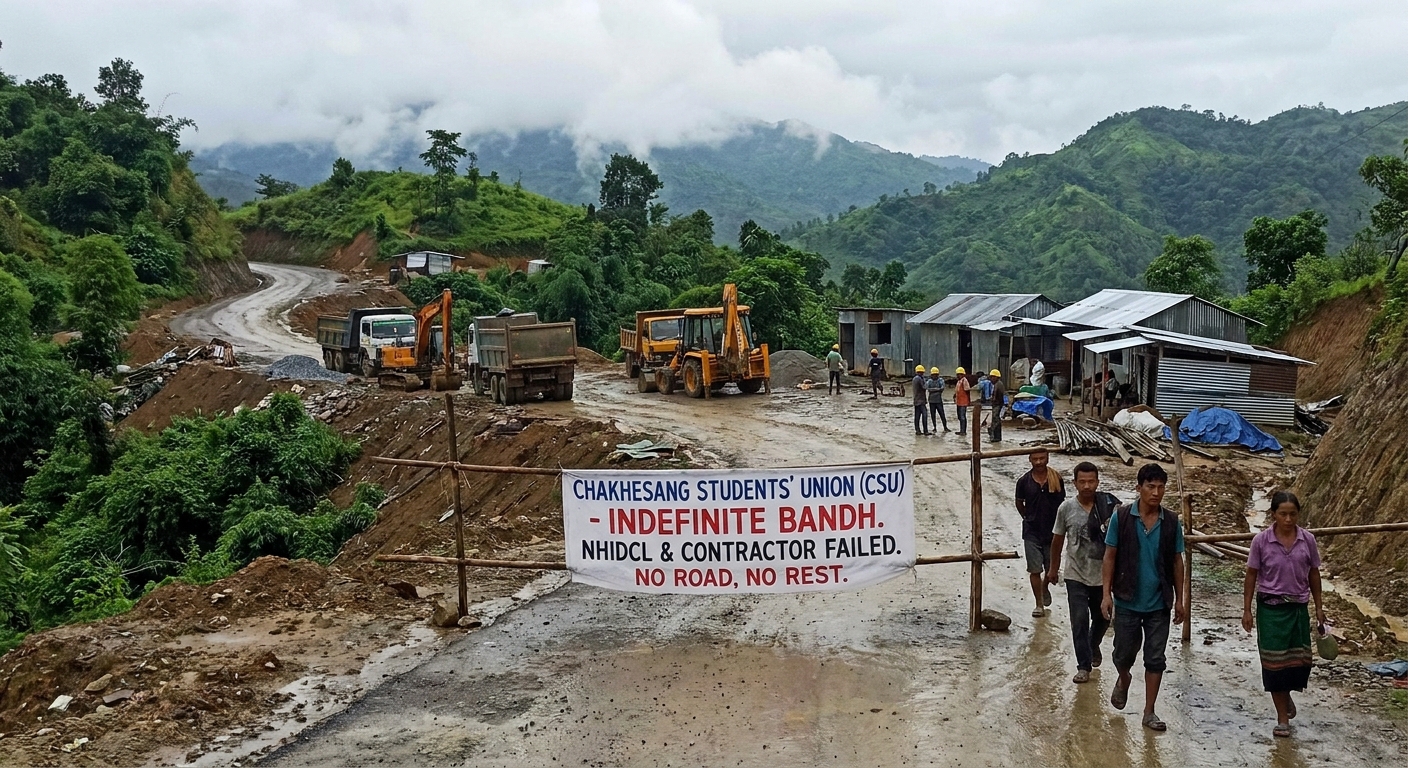
The Chakhesang Students Union has given NHIDCL 72 hours to terminate the contractor on the Chakhabama-Kikruma package of NH-29, with 44.30% physical p


Powered by

© Tuskus 2025 - All Rights Reserved by Teamic Creative Lab Pvt. Ltd.
