RITES' 58% repricing of the Bidar–Kalaburagi electrification mandate shows how cost-plus turnkey contracting shifts escalation risk from consultant to


insghits
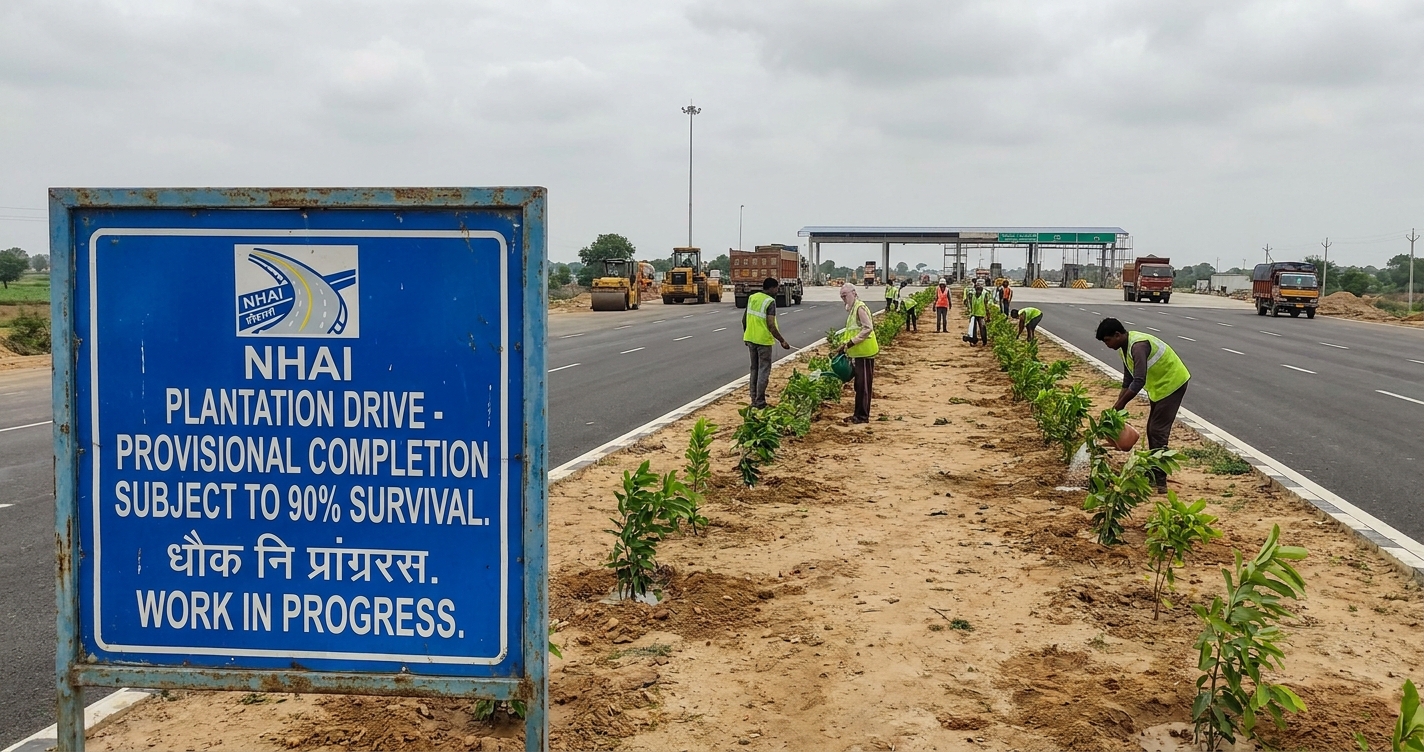
NHAI has converted roadside greenery from a contractual afterthought into a hard completion gate. New guidelines make the Provisional Certificate of Completion (PCC) and the Provisional Commercial Operation Date (PCOD) conditional on plantation coverage and survival — a change that moves schedule, cash-flow and agronomic risk directly onto highway concessionaires and EPC contractors.
Under the rules, at least 80% of the available right of way (RoW) earmarked for planting must be covered before a road is certified substantially complete. Planted saplings must show a minimum 90% survival rate at inspection. Independent engineers or the authority's engineers must certify both thresholds in their PCC/PCOD recommendations, while regional officers verify execution against contracts, MoRTH standards and the Green Highways Policy 2015.
The sharper commercial lever sits in the O&M phase. Release of O&M or annuity payments is contingent on holding a 90% survival rate through the entire operation and maintenance period, and financial withholdings continue until the balance plantation is fully achieved.
Casualty replacement must use plants of commensurate age and growth — not fresh saplings — to preserve uniformity.
Concessionaires and contractors inherit two new risks.
- Schedule risk: A road cannot open commercially until survival is demonstrated, so poorly managed plantation can delay tolling or annuity commencement.
- Cost risk: The 90% threshold effectively demands irrigation, soil preparation and establishment-period maintenance that is frequently under-priced at bid stage. Replacing dead plants with older stock is materially more expensive than replanting saplings, opening a bid-versus-actual cost gap and potential claim territory.
The independent engineer's certification also becomes a liability gate. Where survival targets are missed, the IE's recommendation — or refusal to recommend — will be contested, placing engineering consultants between NHAI's compliance push and the concessionaire's commercial interest.
The non-obvious shift is the financialization of environmental compliance. NHAI has moved plantation from a post-completion obligation to a cash-flow condition.
That precedent is likely to spread to other ESG-linked deliverables — road safety audits, drainage performance, wildlife mitigation — as completion certification becomes a multi-condition gate.
For bidders, the lesson is concrete:
Environmental line items are no longer pricing buffers. They are now delivery liabilities with direct payment consequences.
Insights
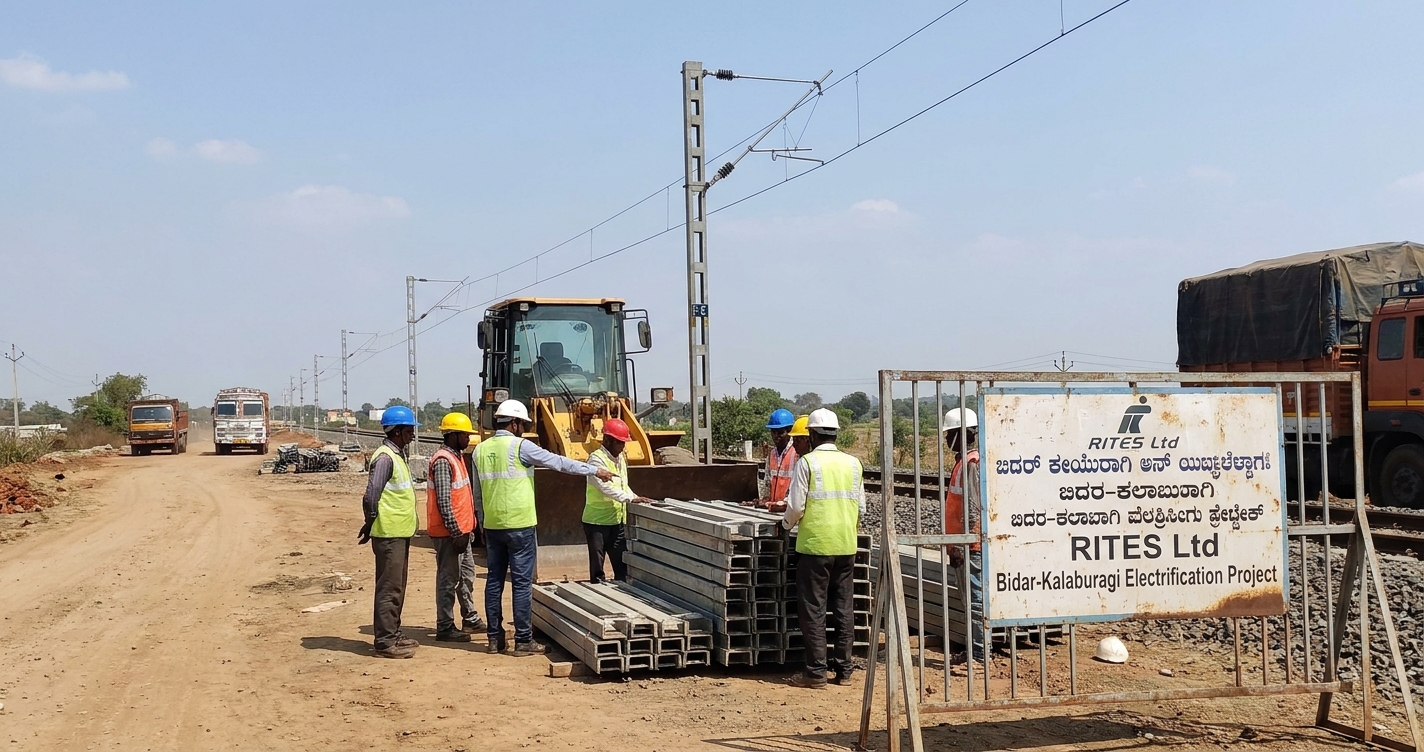
RITES' 58% repricing of the Bidar–Kalaburagi electrification mandate shows how cost-plus turnkey contracting shifts escalation risk from consultant to
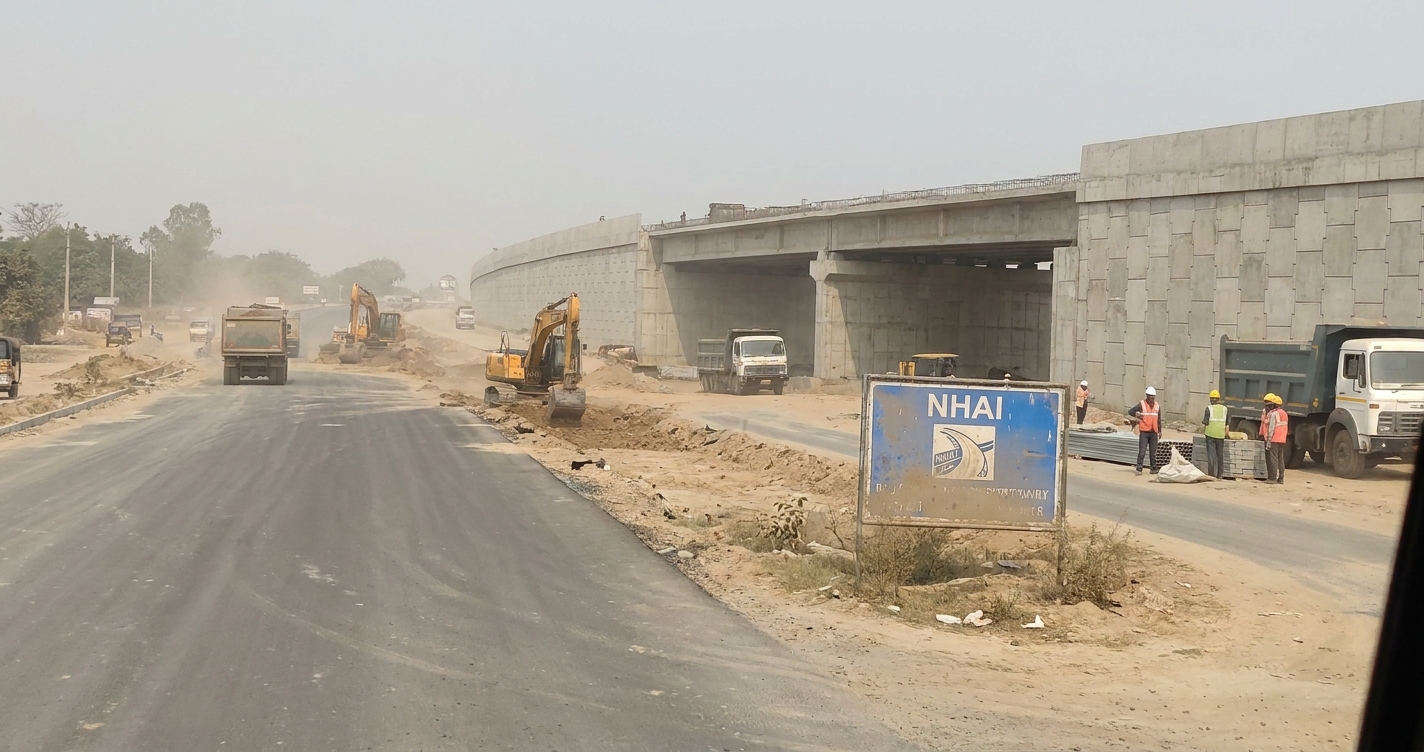
NHAI's 21 September 2026 design guidelines lock uniform 60-70m right-of-way and structure standards for 4-lane and 6-lane high-speed corridors, reshap
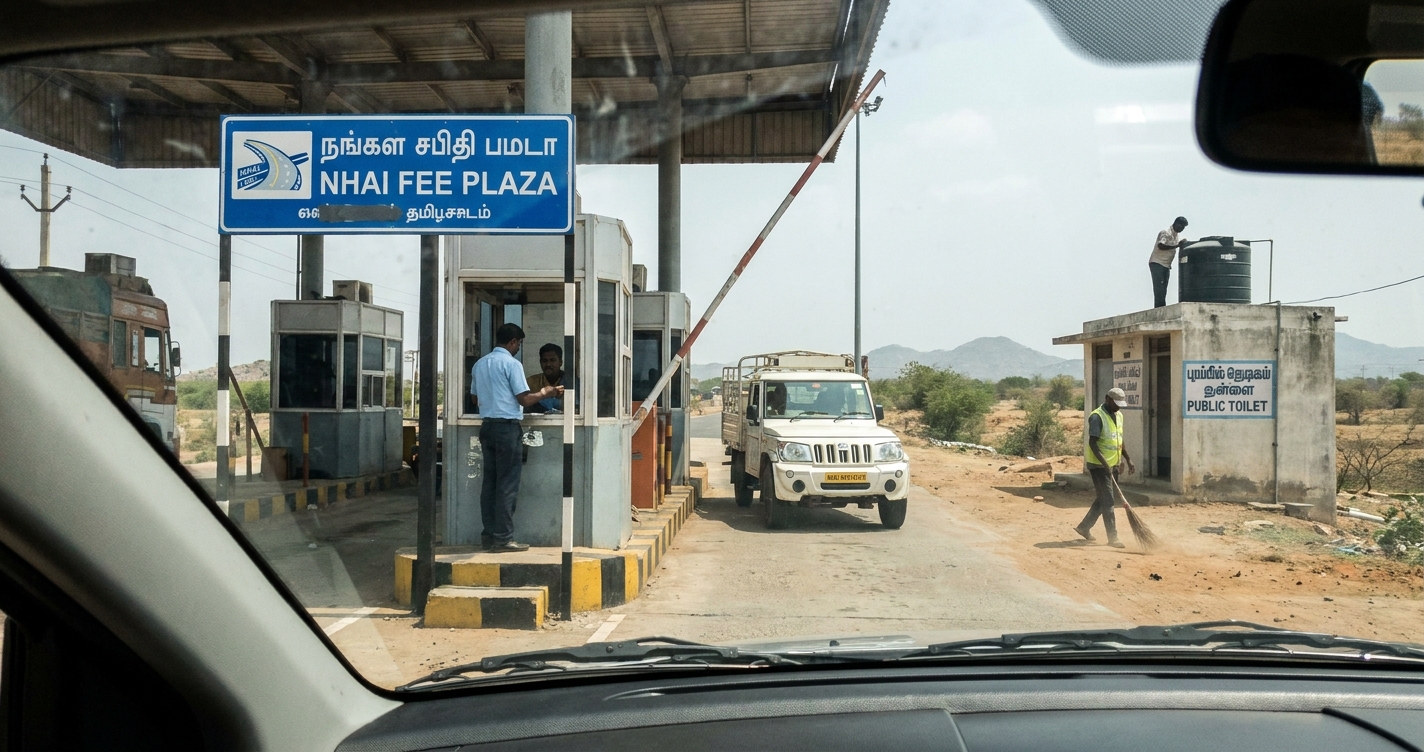
Hazoor Multi Projects' Rs 200-crore NHAI award in Tamil Nadu is a user fee collection and maintenance mandate, not a construction order — and that dis


Powered by

© Tuskus 2025 - All Rights Reserved by Teamic Creative Lab Pvt. Ltd.
