BMRCL will float fresh Phase 3 civil tenders within 45 days after Karnataka approved trimming double-decker structures to about 11 km of the 44.65-km


insghits
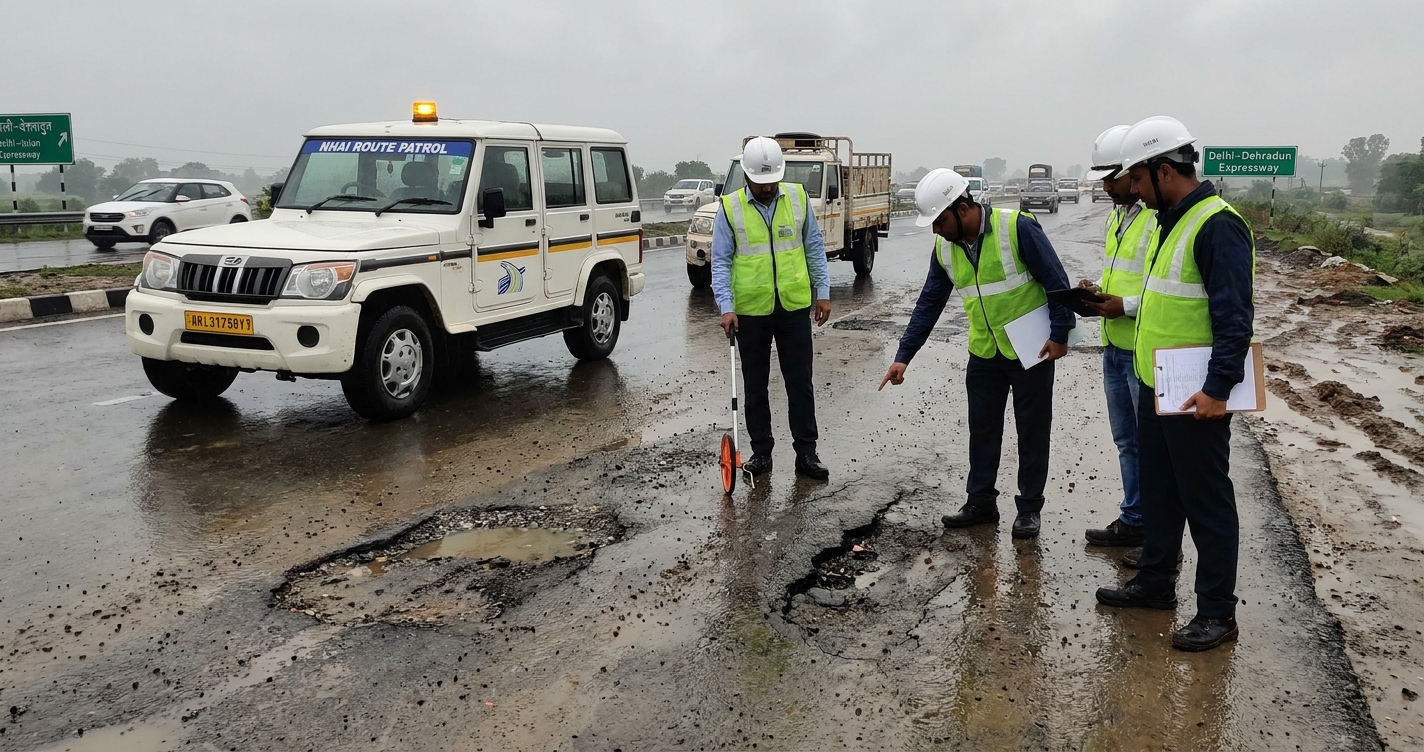
Within weeks of the Delhi–Dehradun Expressway developing potholes, cracks and a cave-in after intense rain, the National Highways Authority of India (NHAI) has issued a policy addendum that moves quality accountability past the ribbon-cutting.
The directive supersedes an October 2025 addendum and resets who carries post-opening risk on India’s national highway programme.
The mechanism is specific. Greenfield expressways, high-speed corridors, specialised projects and any corridor above ₹2,500 crore in capital cost can be pulled into an independent audit by a third-party entity or premier institutions such as IITs and NITs.
The audit is scoped to traffic impact after opening and drainage — an acknowledgement that the Delhi–Dehradun failures were design and drainage assumptions failing under live load and weather, not construction defects alone.
For contractors and concessionaires, the compliance burden now has a calendar.
The concessionaire’s project manager and the supervision consultant’s team leader must run joint inspections weekly for three months, then fortnightly for the next three. These inspections cover:
- Pavement
- Drainage
- Safety installations
- Embankment slopes
Route patrol vehicles must cover the full length after opening.
Any defect must be geo-tagged and escalated to the project director, contractor and supervision consultant.
The commercial read is direct: the defect liability period is being converted from a passive warranty into active surveillance.
That raises supervision cost, compresses early-operation margin, and increases exposure on retention money and performance guarantees for the concessionaire and EPC contractor on the Delhi–Dehradun corridor — entities the circular does not name.
It also elevates IITs and NITs into quasi-regulatory benchmarks, with findings likely feeding bid qualification and dispute records.
NHAI has also folded event management into delivery discipline. For Prime Minister Narendra Modi’s functions, attendance can range from 25,000 to one lakh, with venue capacity, parking, security, crowd control and adverse-weather contingencies now codified.
Officials are capped at 500 and preparation is locked 24 hours ahead.
The instruction for media teams to prepare “counter narratives” signals that NHAI now treats public perception as a delivery KPI.
The sector signal: handover is no longer the finish line.
NHAI is institutionalising post-commissioning accountability, which will reset bid pricing, tighten defect liability enforcement and make early-operation performance the new test of contractor capability.
Insights
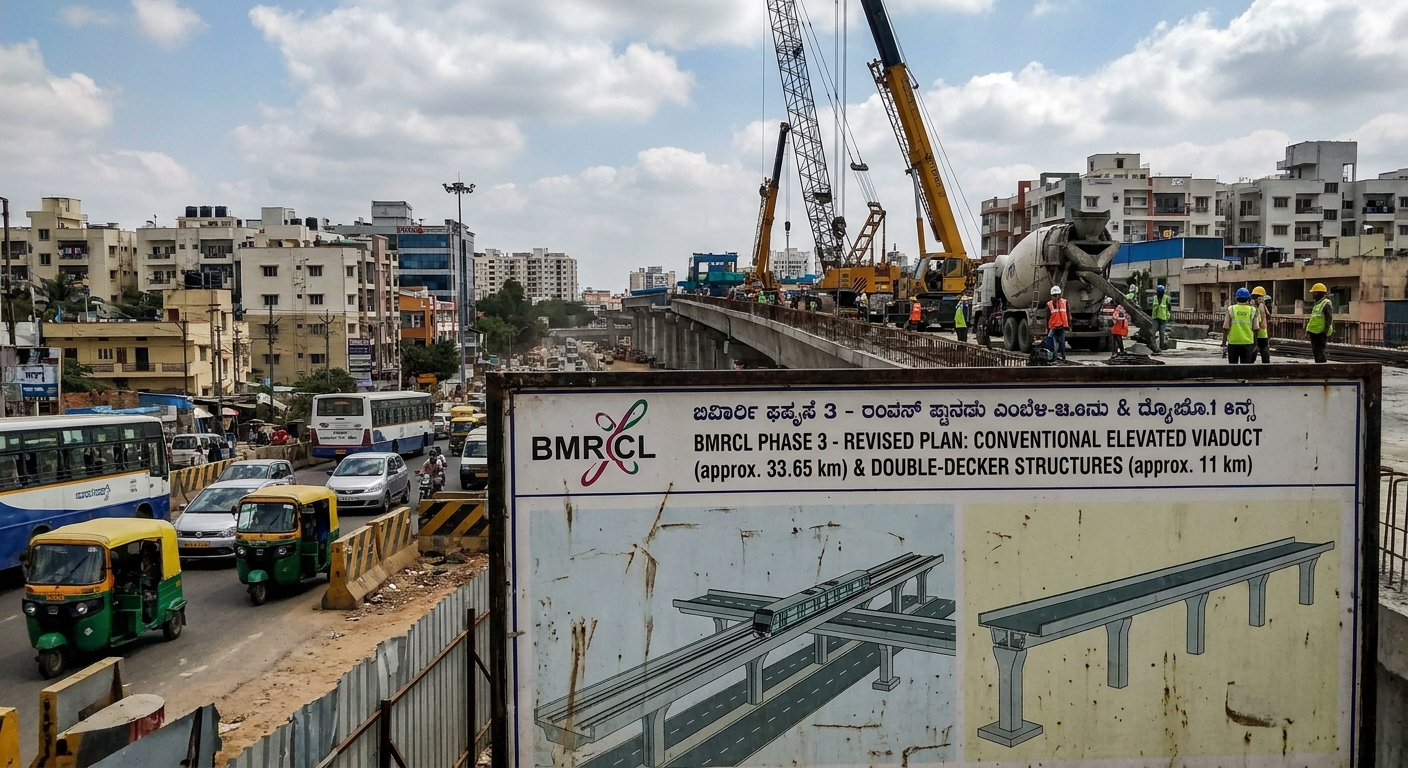
BMRCL will float fresh Phase 3 civil tenders within 45 days after Karnataka approved trimming double-decker structures to about 11 km of the 44.65-km
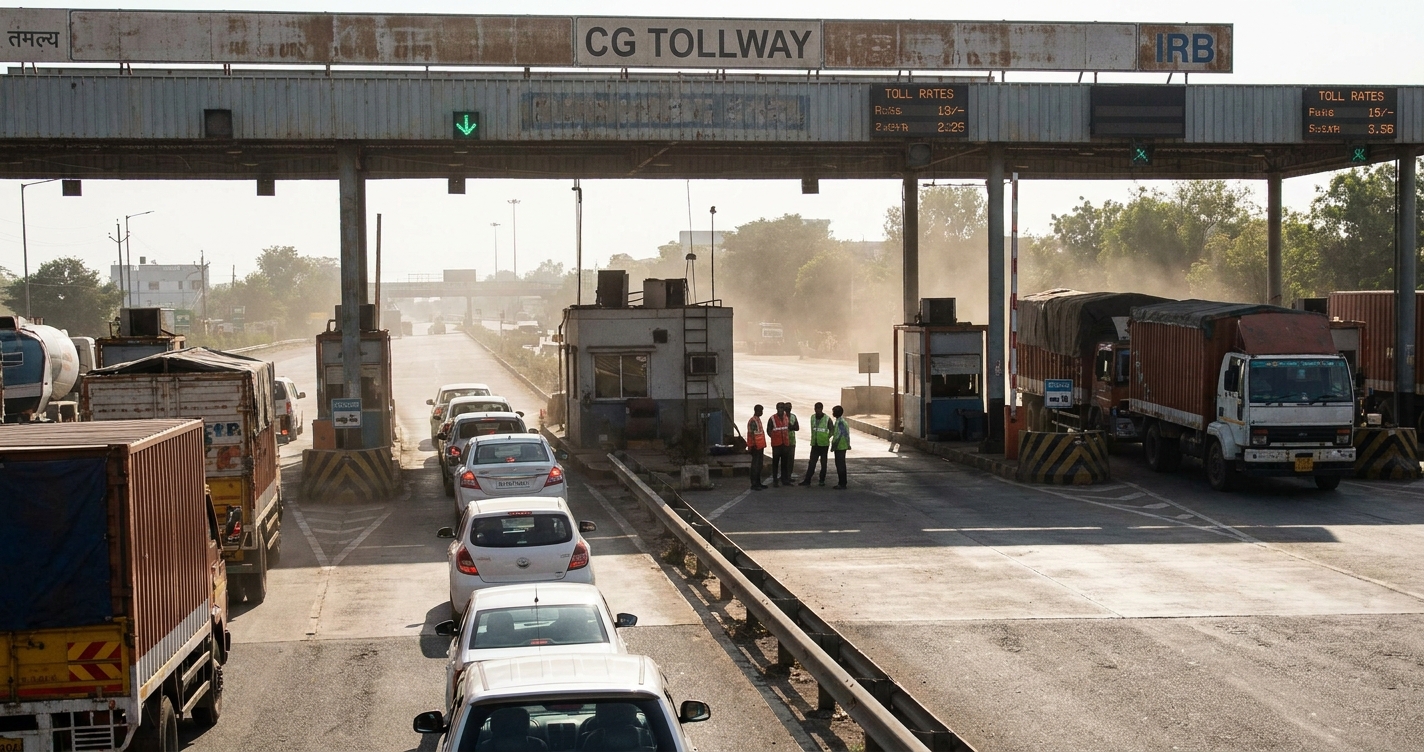
IRB Infrastructure Developers has signed a share purchase agreement to shift Solapur Yedeshi Tollway and CG Tollway out of its GIC-backed private InvI
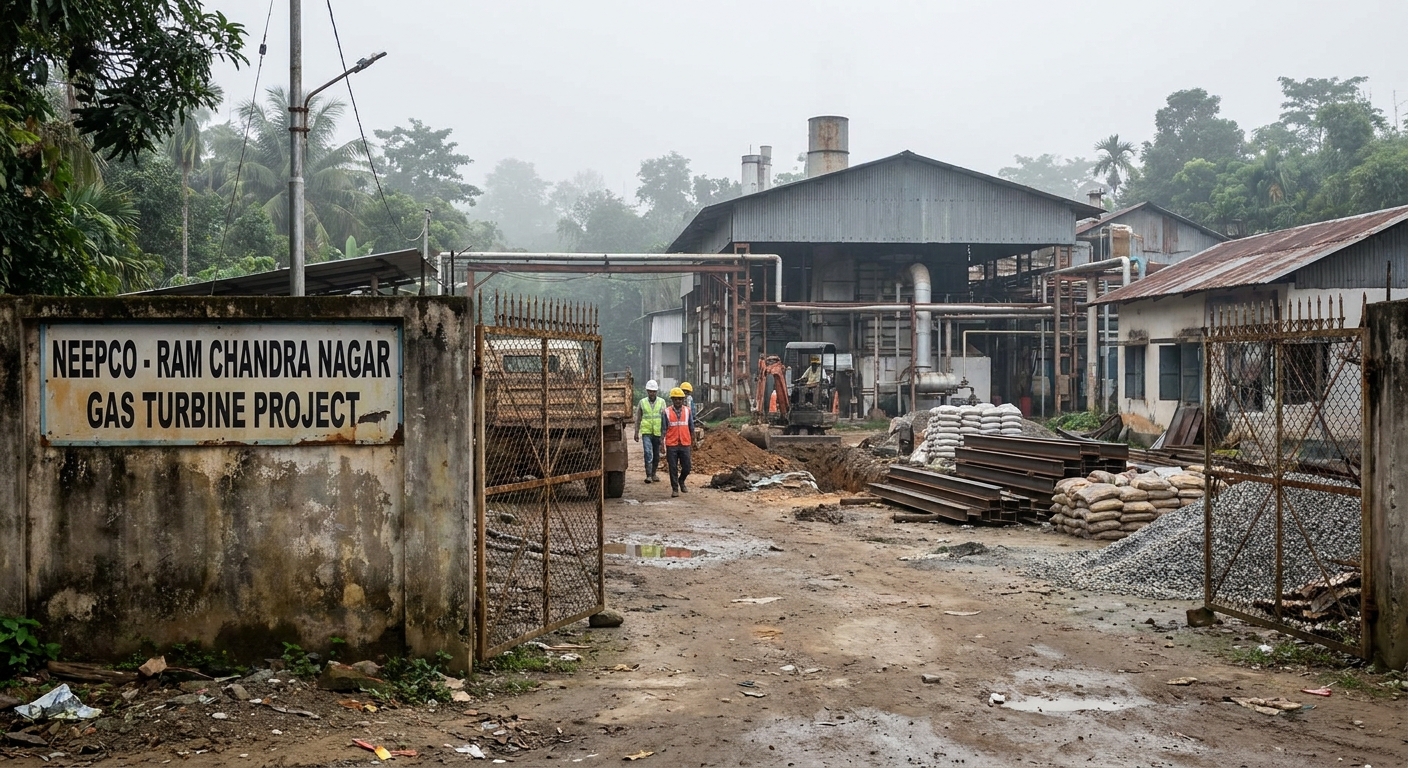
The Supreme Court's NEEPCO v Astra Construction ruling confirms a contractual interest bar can strip pre-reference interest from arbitral awards, turn


Powered by

© Tuskus 2025 - All Rights Reserved by Teamic Creative Lab Pvt. Ltd.
