RITES' 58% repricing of the Bidar–Kalaburagi electrification mandate shows how cost-plus turnkey contracting shifts escalation risk from consultant to


insghits
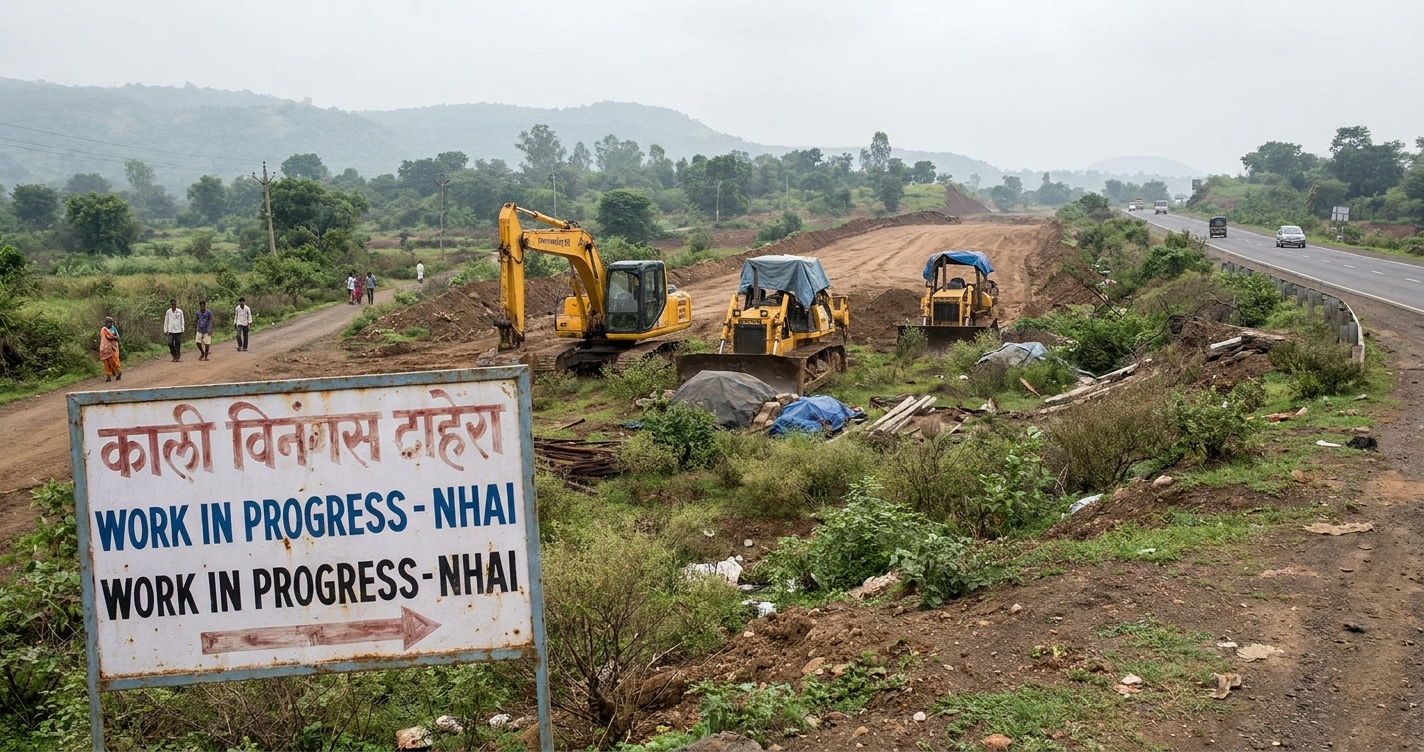
The Pagote–Chowk package of the third Pune–Mumbai expressway was intended to be the corridor’s first construction package.
Instead, the National Highways Authority of India (NHAI) has extended the tender deadline more than 15 times, with bids expected to open on October 1.
NHAI regional manager Anshumali Shrivastava confirmed the latest extension and stated the binding constraint: 90 percent land acquisition and full environmental clearance must be secured before construction can start. Both remain pending.
The tender history is telling. NHAI floated the first tender in 2024, cancelled it in 2025, and reissued a fresh tender in August 2025, only to extend it repeatedly.
Procurement has run ahead of site readiness: a construction tender for the 30-kilometre Pagote–Chowk section has advanced while land and clearances remain unresolved.
This is not contractor disinterest or technical redesign; it is a process detached from the conditions that make a highway buildable.
The corridor logic is regional. The road extends the Pune–Bengaluru Expressway toward Mumbai, spanning roughly 130 kilometres from Atal Setu through Chowk to Shivare in Pune.
The stated driver is future traffic demand tied to the Mumbai Metropolitan Region’s expansion. Yet the case rests on a planning assumption rather than published traffic counts, capacity assessments, or interchange design — the evidence gap beneath the slippage.
For the EPC market, the commercial signal is sharper than the headline. Fifteen extensions across two procurement cycles tell bidders NHAI cannot yet guarantee:
- access
- encumbrance-free land
- approval certainty
Qualified contractors either price that uncertainty into contingencies or hold back. Each extension resets bid validity, mobilisation planning, and financing assumptions, eroding the advertised timeline.
Tender opening is procedural, not a construction start. Even if bids open on October 1, award, mobilisation, and physical commencement remain contingent on parcel-wise acquisition and environmental permissions NHAI has not quantified publicly.
The 90 percent threshold is the gating metric to watch; October will show whether the process is converging or being extended again.
The structural takeaway: NHAI is applying readiness discipline that is commercially sound but organisationally late. Front-loading tenders before land and clearances are secured protects the authority from stranded mobilisation, yet transfers timing risk to bidders and weakens pipeline credibility.
Until acquisition, approvals, and procurement align, the third Pune–Mumbai link remains a strategic corridor on paper, not a buildable worksite.
Insights
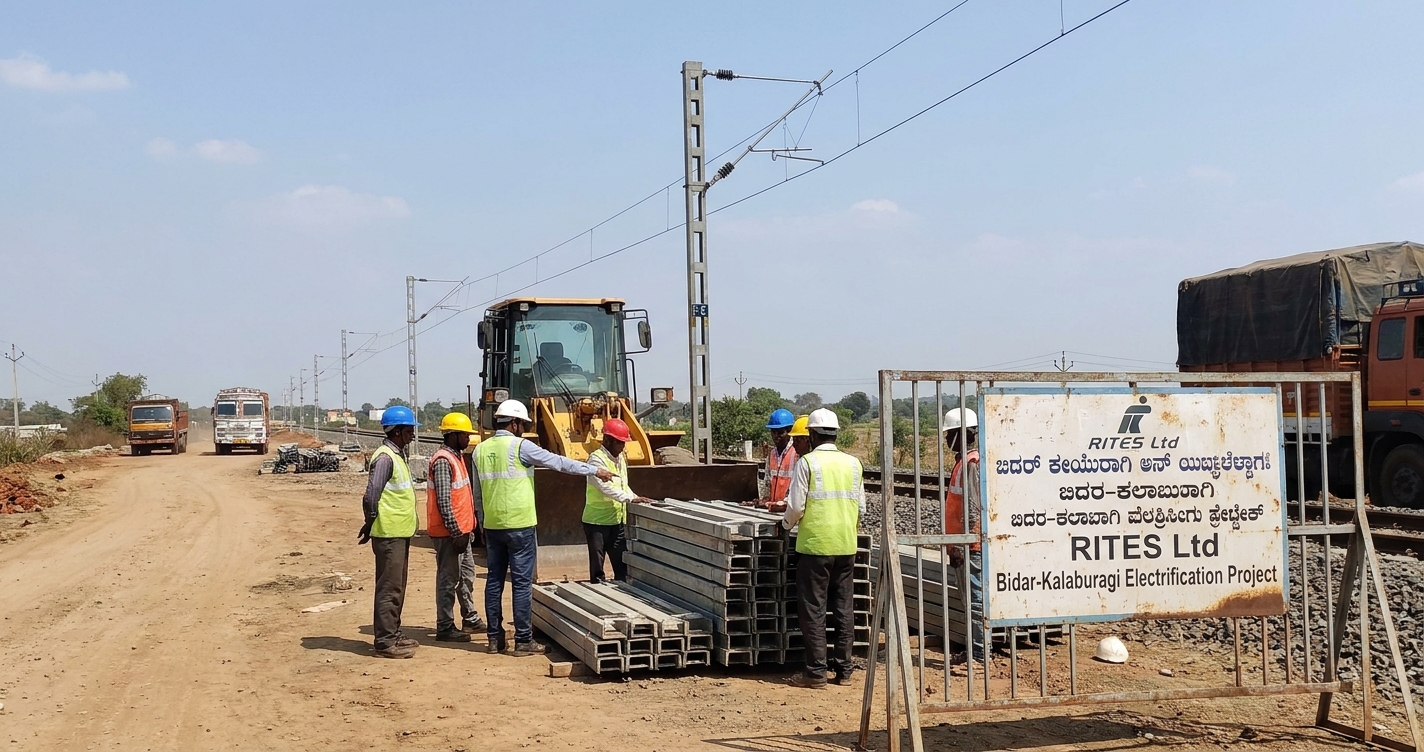
RITES' 58% repricing of the Bidar–Kalaburagi electrification mandate shows how cost-plus turnkey contracting shifts escalation risk from consultant to
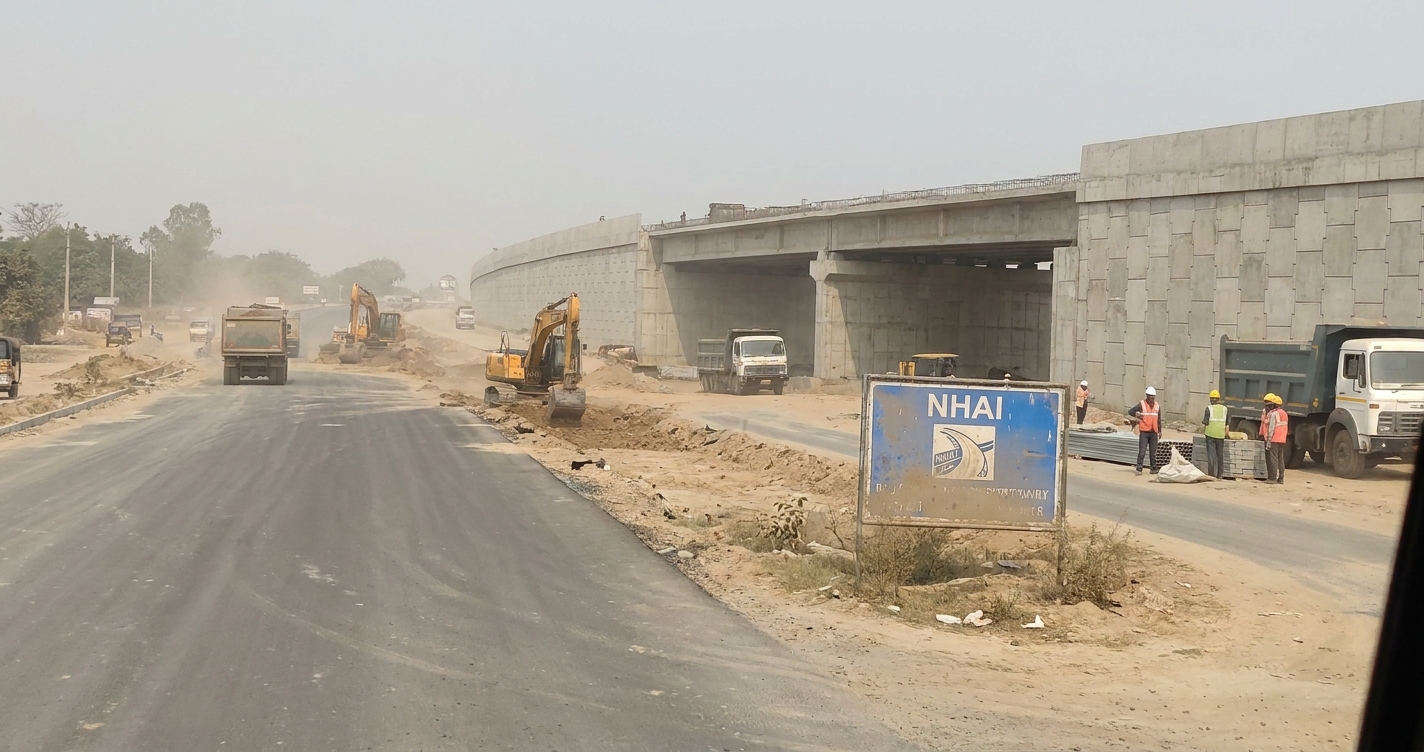
NHAI's 21 September 2026 design guidelines lock uniform 60-70m right-of-way and structure standards for 4-lane and 6-lane high-speed corridors, reshap
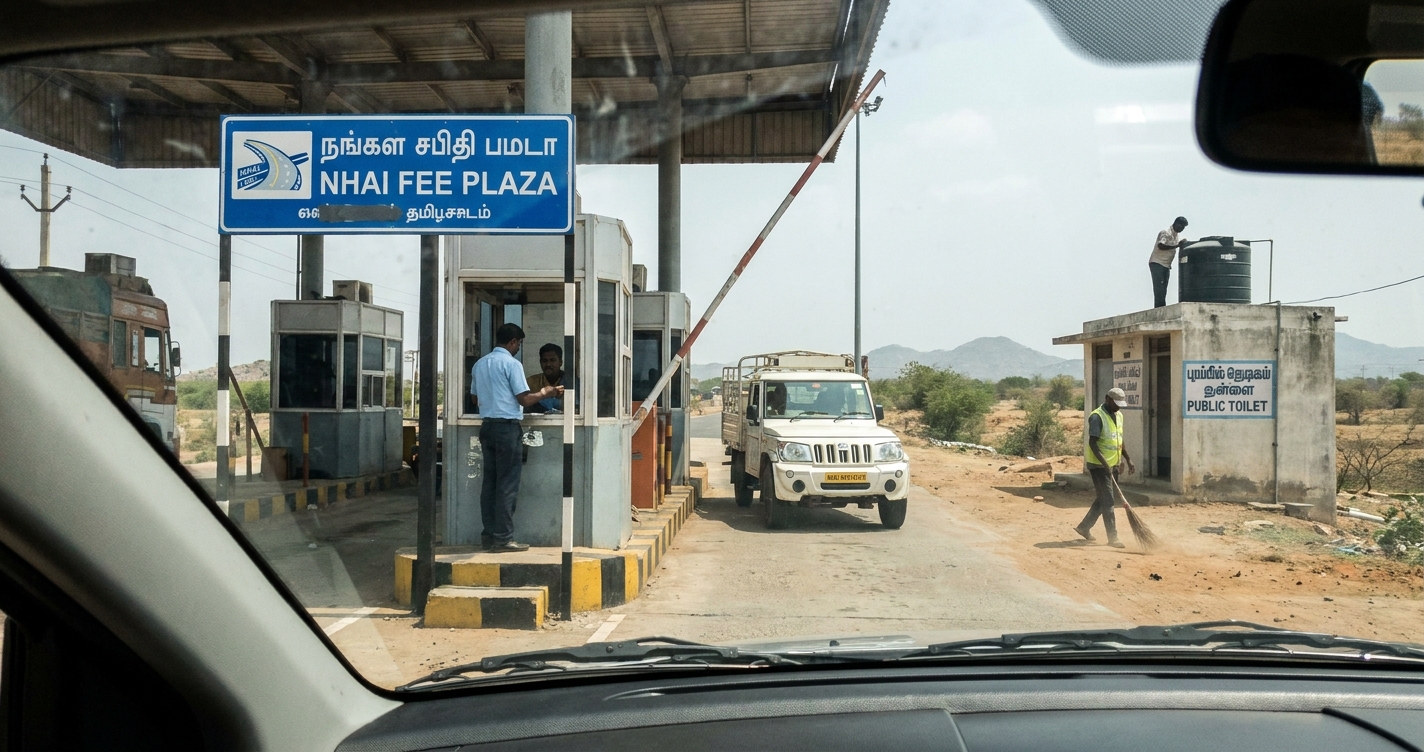
Hazoor Multi Projects' Rs 200-crore NHAI award in Tamil Nadu is a user fee collection and maintenance mandate, not a construction order — and that dis


Powered by

© Tuskus 2025 - All Rights Reserved by Teamic Creative Lab Pvt. Ltd.
