RITES' 58% repricing of the Bidar–Kalaburagi electrification mandate shows how cost-plus turnkey contracting shifts escalation risk from consultant to


insghits
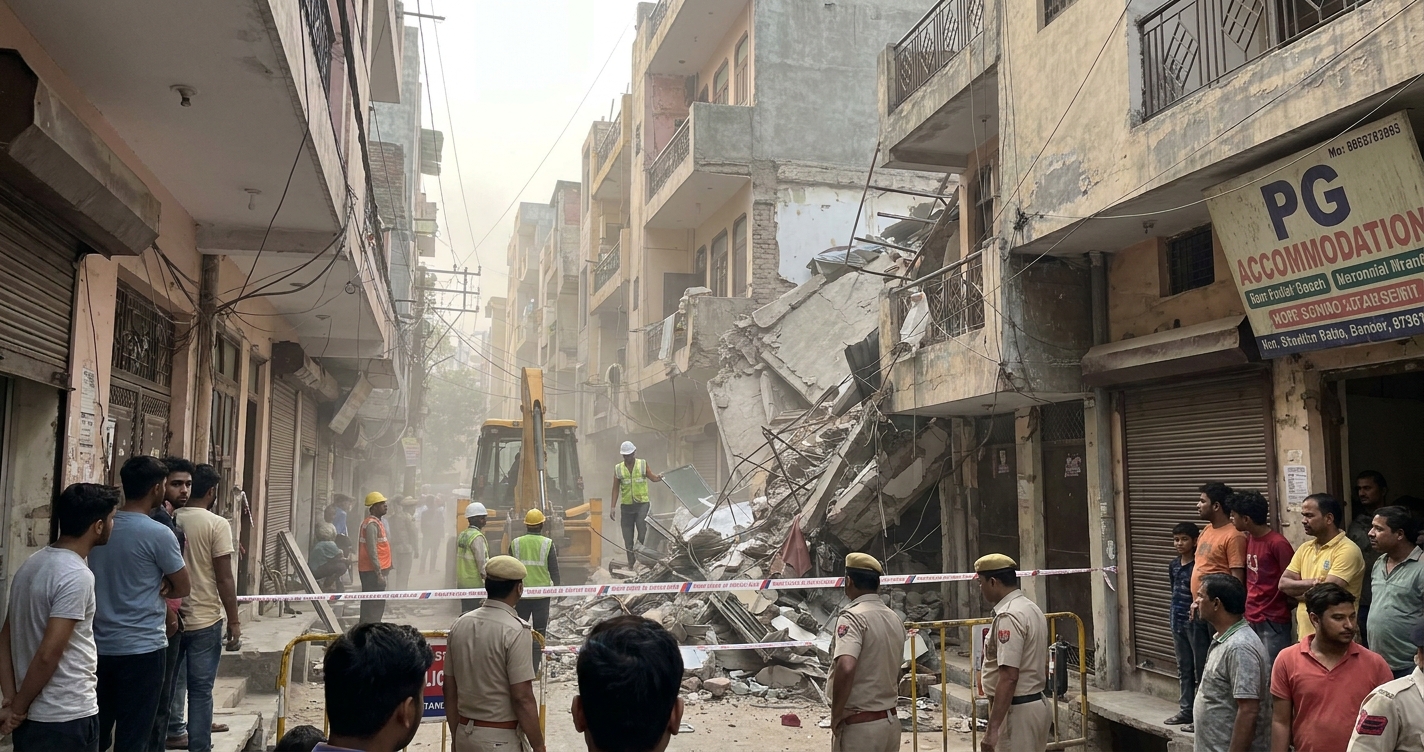
The Satya Niketan building collapse in Delhi has moved from rescue to reckoning. Six people died and 11 students were pulled from the debris of a paying-guest accommodation near Delhi University's South Campus.
Within 24 hours, the Delhi High Court agreed to hear the matter after it was urgently mentioned before the Chief Justice. The Rekha Gupta-led Delhi government ordered a magisterial inquiry, and an FIR was directed against building owner Hariram, who remains untraceable with a Look Out Circular issued by Delhi Police.
For civil infrastructure and building professionals, this is not an isolated structural failure. It is a concentrated exposure of Delhi's unauthorised construction economy — specifically the conversion of residential buildings into high-density PG accommodations in student catchment zones.
The building's four-plus storeys placed it squarely in the Municipal Corporation of Delhi's (MCD) announced sweep of illegal structures, signalling that enforcement is now targeting the stock, not just the single collapse site.
The commercial read is layered. Owners and PG operators face criminal and civil liability, and insurers will reprice risk on unauthorised high-occupancy structures.
Simultaneously, structural engineers, retrofit contractors and fire safety specialists stand to capture demand as compliance enforcement tightens.
The near-term pipeline sits in:
- Structural audits
- Occupancy verification
- Fire safety certification
- Retrofitting or demolition orders
The execution risk cuts the other way. Delhi's enforcement capacity is thin, and a post-tragedy crackdown without building-permit and inspection reform will not change the underlying stock of non-compliant structures.
The magisterial inquiry and the High Court's intervention suggest accountability is shifting from ad hoc demolition drives toward institutionalised compliance enforcement.
The durable industry signal is that post-collapse urban building control is moving toward pre-emptive structural safety auditing and certified retrofit delivery.
Contractors and consultants who build a compliance-audit capability now will capture the demand this enforcement cycle creates — before the next collapse forces the market's hand.
Insights
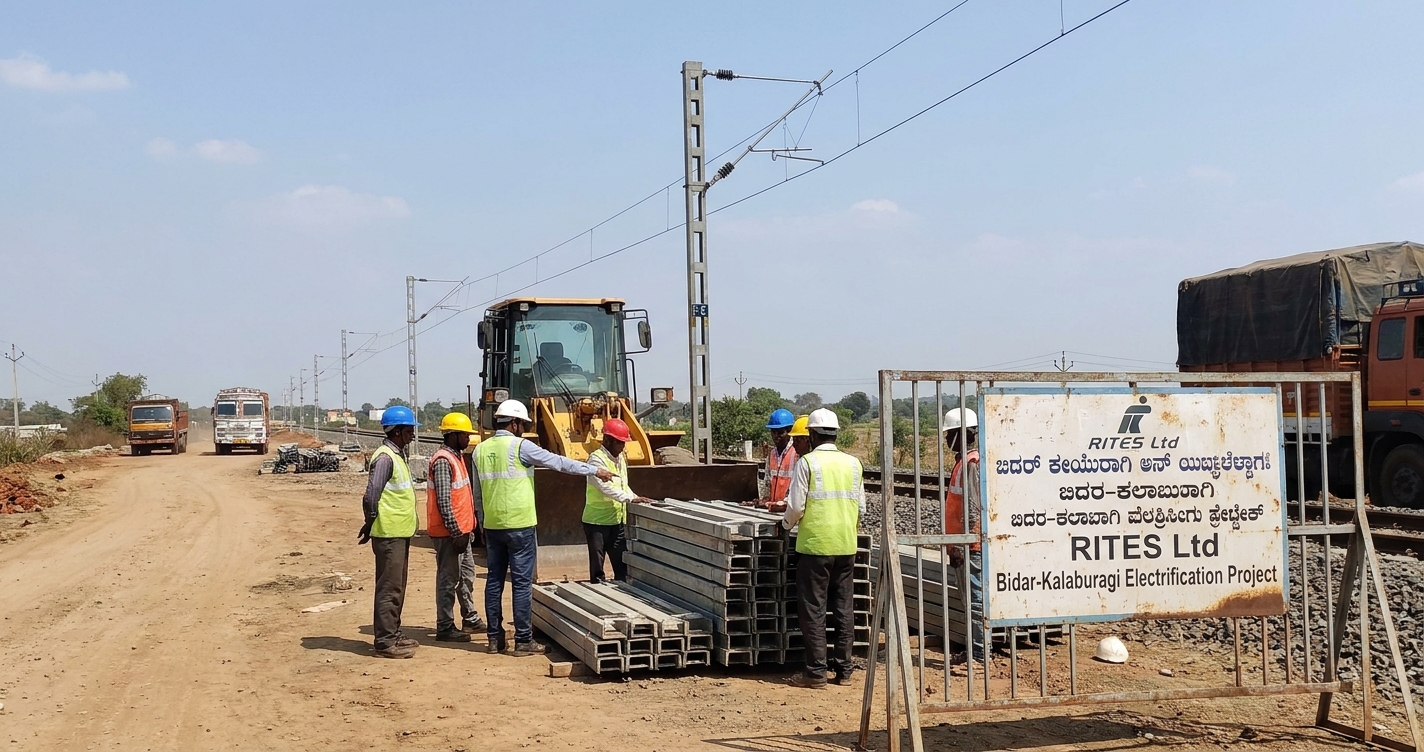
RITES' 58% repricing of the Bidar–Kalaburagi electrification mandate shows how cost-plus turnkey contracting shifts escalation risk from consultant to
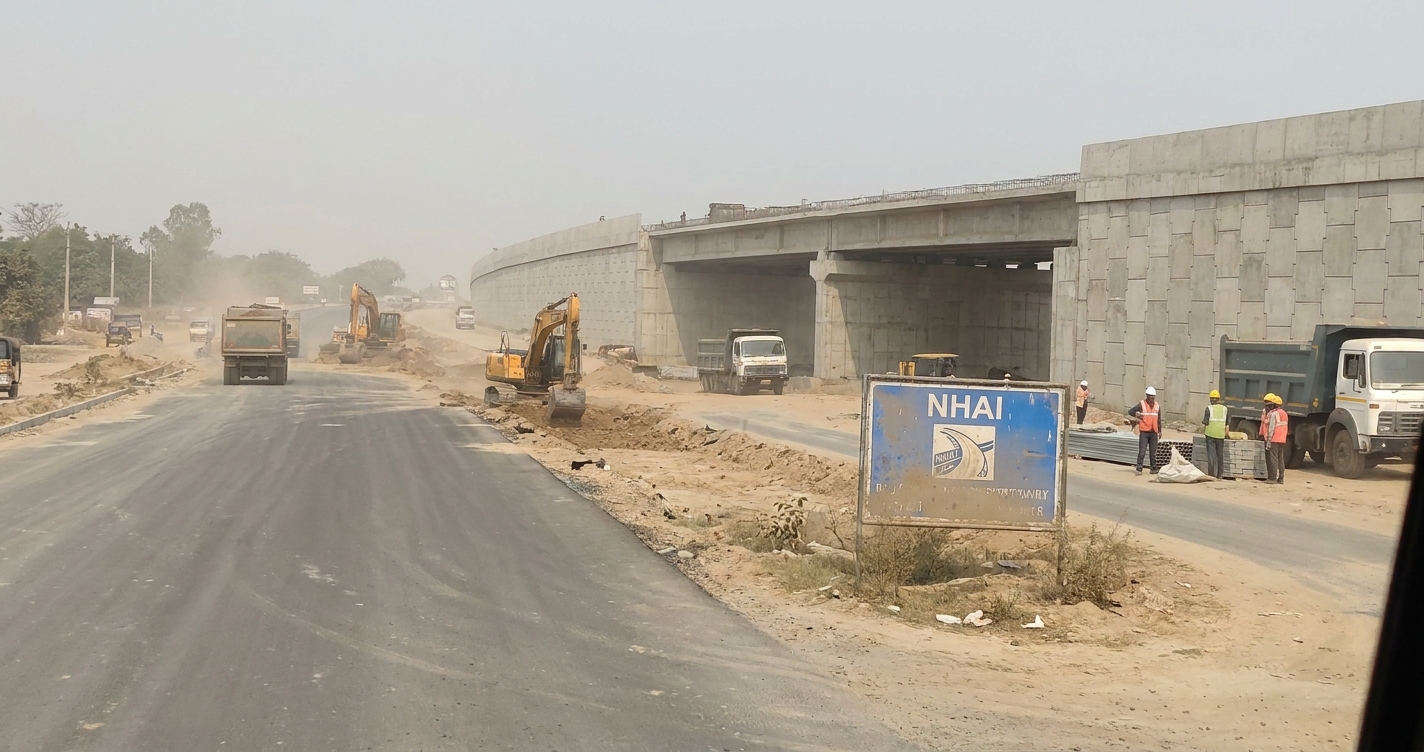
NHAI's 21 September 2026 design guidelines lock uniform 60-70m right-of-way and structure standards for 4-lane and 6-lane high-speed corridors, reshap
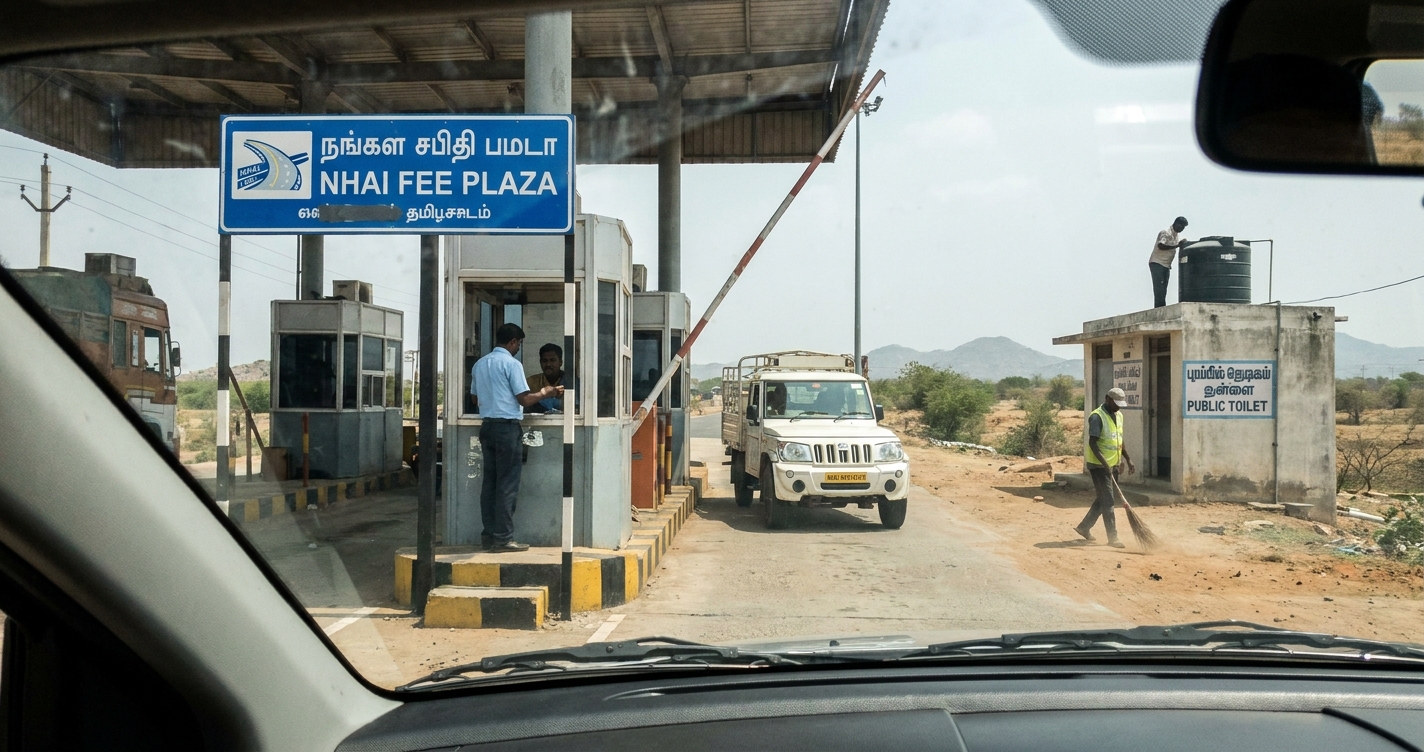
Hazoor Multi Projects' Rs 200-crore NHAI award in Tamil Nadu is a user fee collection and maintenance mandate, not a construction order — and that dis


Powered by

© Tuskus 2025 - All Rights Reserved by Teamic Creative Lab Pvt. Ltd.
