Four bidders, including Adani Ports and DP World, have entered the Rs 22,323-crore offshore package for Vadhvan Port - dredging and 1,207 hectares of


insghits
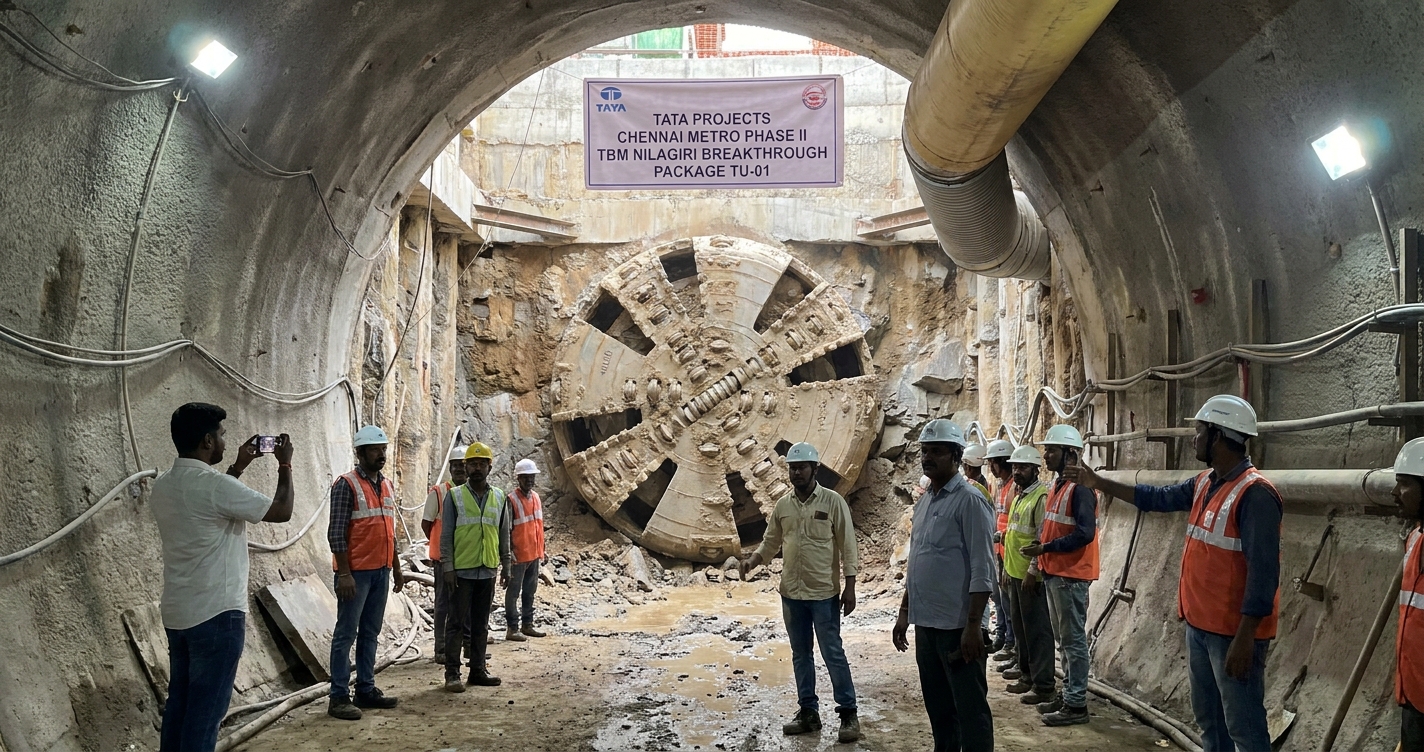
Tata Projects Limited has logged its 11th tunnel boring machine breakthrough under Package TU-01 of the Chennai Metro Rail Phase II project.
The milestone reveals how deeply one contractor is embedded in India's largest urban infrastructure programme.
TBM Nilagiri broke through at Moolakadai station on August 6, 2026, completing an 819-metre drive from Madhavaram High Road station.
It is the 24th breakthrough across the 118.9-km Phase II project; Tata Projects alone accounts for nearly half.
Package TU-01, awarded in May 2021, spans roughly 9 km of twin bored tunnels from Venugopal Nagar to Kellys station, plus diaphragm walls and entry/exit structures at four stations.
The integrated scope — running tunnels alongside station civil works — concentrates significant execution risk in a single contractor’s hands.
For Tata Projects, the pace of breakthroughs signals more than construction momentum.
Eleven completions from one package imply multiple TBMs running concurrently — a logistical and engineering undertaking few Indian contractors have demonstrated independently.
Each breakthrough triggers a milestone payment, improving cash flow visibility on a contract where geological variation claims are almost certain.
For Chennai Metro Rail Limited, the progress is equally consequential.
The Rs 63,246-crore Phase II, spanning 128 stations across three corridors, cannot absorb the tunnelling delays that beset Phase I.
That 24 breakthroughs have been recorded — with Tata Projects contributing disproportionately — suggests underground works are tracking, even if public timelines remain opaque.
But the execution story carries commercial tension. Chennai’s variable ground — soft clay transitioning to weathered rock — presents persistent geotechnical risk.
An unexpected face condition could cascade into:
- Cost claims
- Schedule extensions
- Margin pressure
Package TU-01’s station-box scope layered onto tunnelling amplifies these interdependencies.
The broader signal is structural. Indian EPC contractors, once dependent on international joint venture partners for metro tunnelling, are now delivering complex underground packages independently.
Tata Projects’ performance on TU-01 — alongside peers like Larsen & Toubro and Afcons Infrastructure on other corridors — reflects a maturation of domestic contracting capacity.
For multilateral lenders underwriting India’s urban rail expansion, contractor capability is receding as a risk factor.
The 11th breakthrough is not merely progress. It is evidence that the contractor ecosystem underpinning India’s metro buildout has shifted from learning to delivering. Whether Tata Projects sustains this momentum through remaining drives and station works will determine not just Package TU-01’s outcome, but the credibility of Indian EPC in global urban tunnelling.
Insights
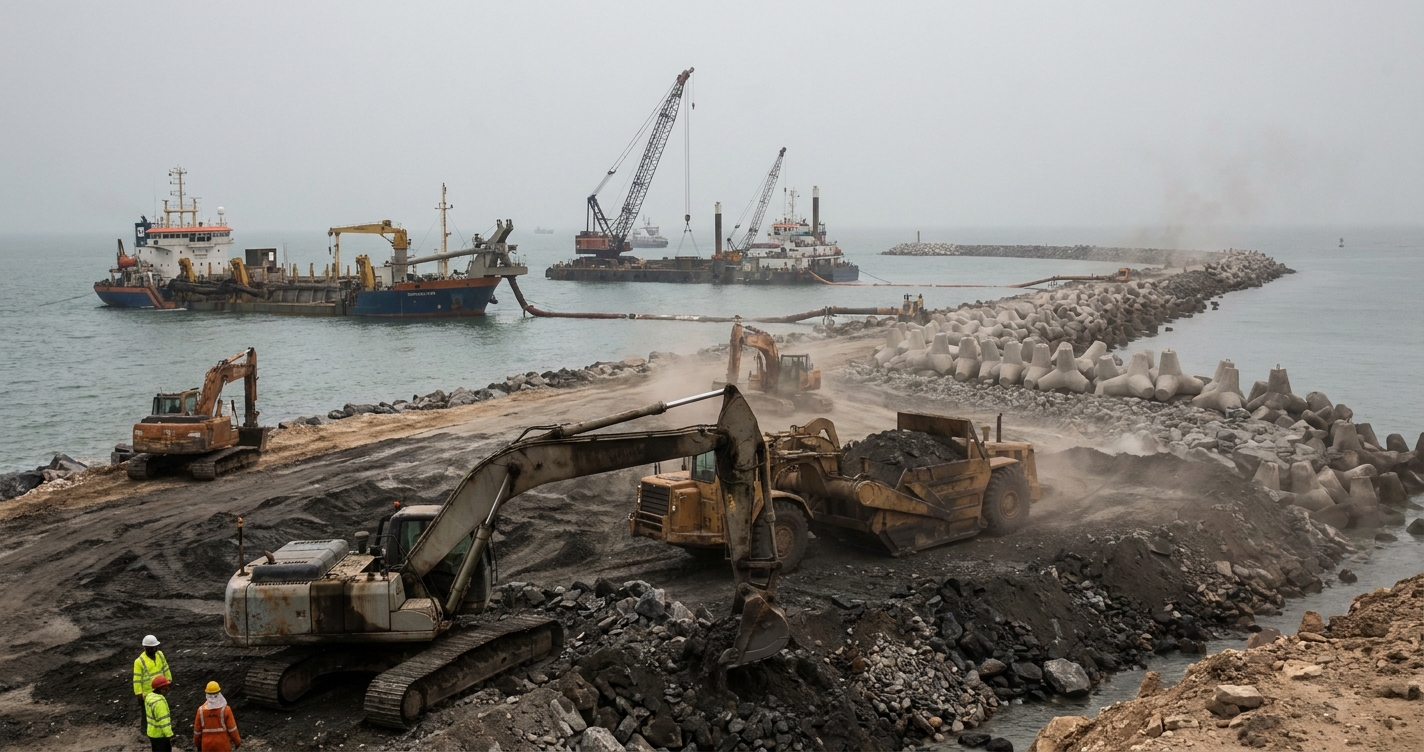
Four bidders, including Adani Ports and DP World, have entered the Rs 22,323-crore offshore package for Vadhvan Port - dredging and 1,207 hectares of
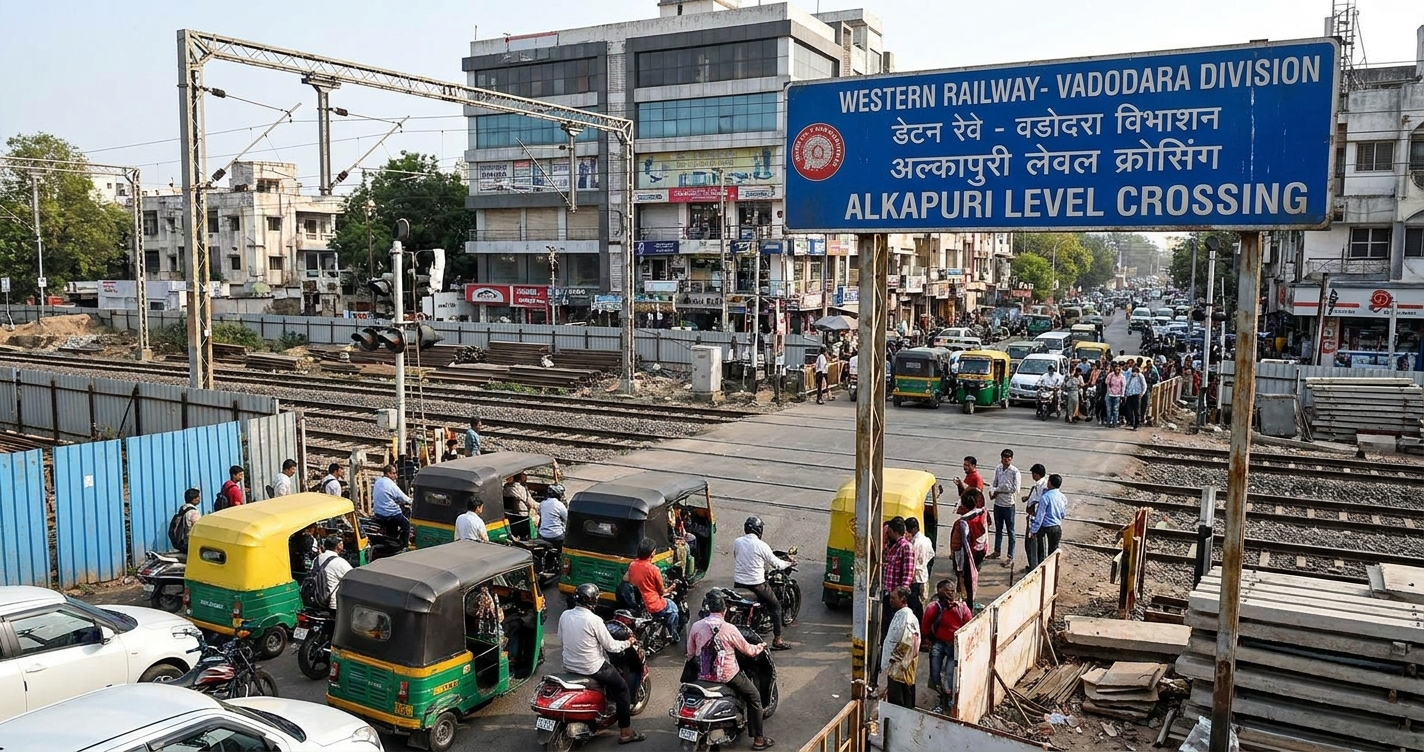
Indian Railways has approved a four-lane Road Over Bridge at Alkapuri in Western Railway's Vadodara division, with the Ministry of Railways and the Gu
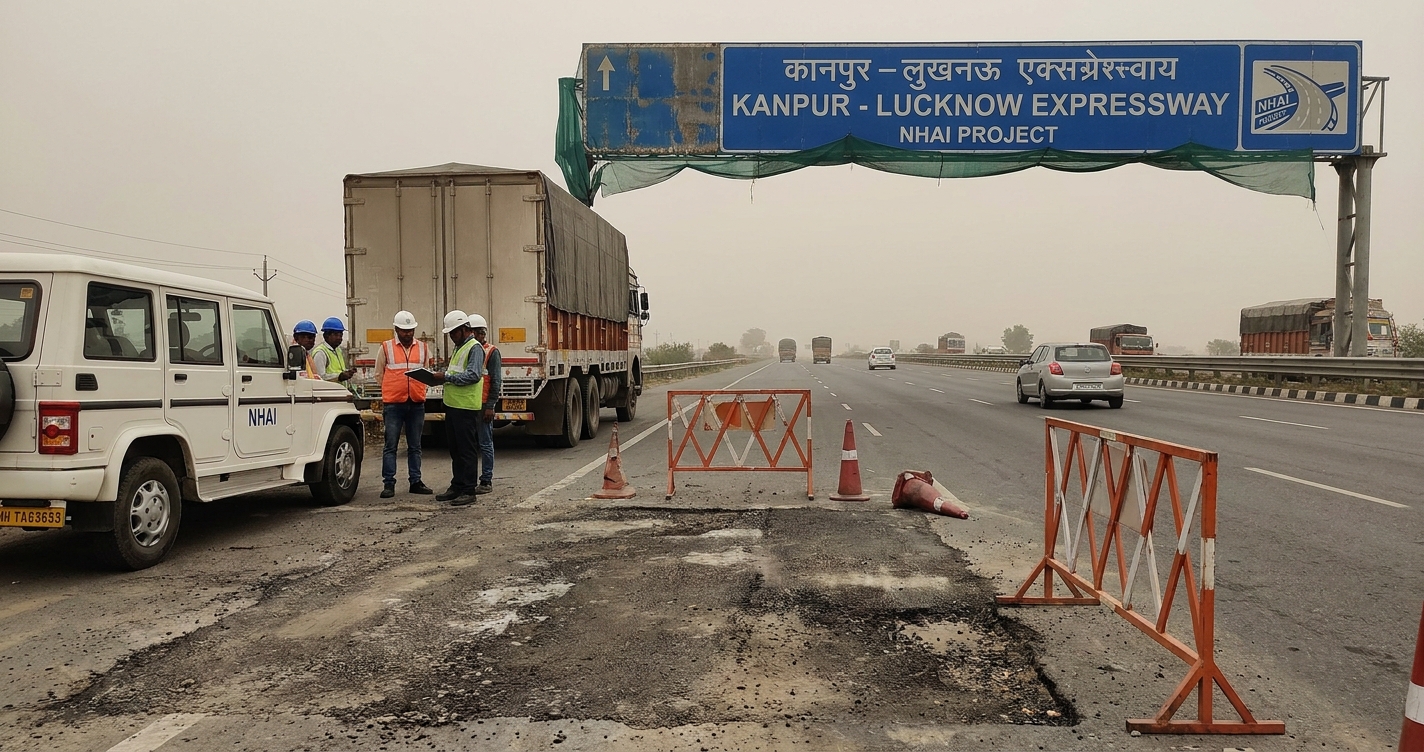
NHAI's two-year debarment of Theme Engineering Services over the Kanpur-Lucknow Expressway moves accountability from contractors to independent engine


Powered by

© Tuskus 2025 - All Rights Reserved by Teamic Creative Lab Pvt. Ltd.
